


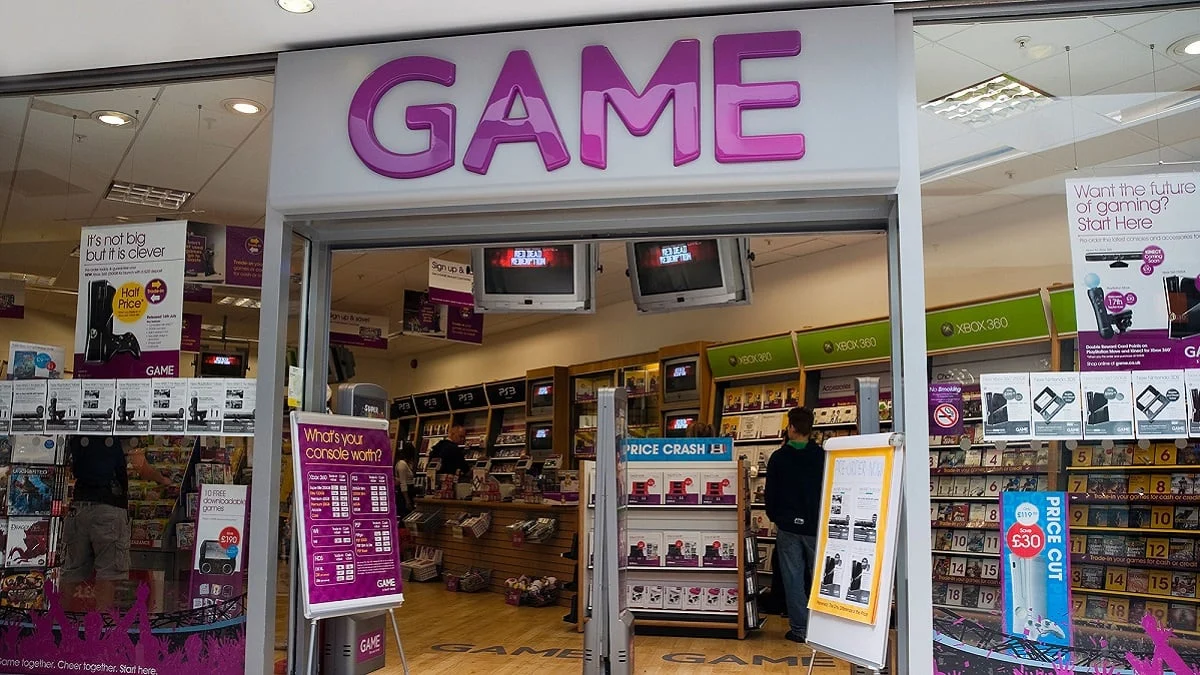
The ongoing wave of redundancies and studio closures that has characterized the video game industry over the past year continues to cast a long shadow, with UK retail giant GAME now reportedly informing its staff of impending layoffs. This development, revealed through anonymous accounts from employees to Eurogamer, signals further instability within the physical retail sector of the gaming market. While no official statement has been released by GAME at the time of reporting, the information suggests a significant shift in employment practices, with the majority of its workforce potentially being transitioned to zero-hours contracts. This change would mean employees would no longer be guaranteed a set number of working hours each week or month, impacting their financial security and stability. The reports indicate that this measure is primarily affecting non-managerial staff, who are being informed of their employment status via direct contact through phone calls or emails. Eurogamer has reached out to GAME for an official comment on these developments.
The Declining Fortunes of Physical Game Retail
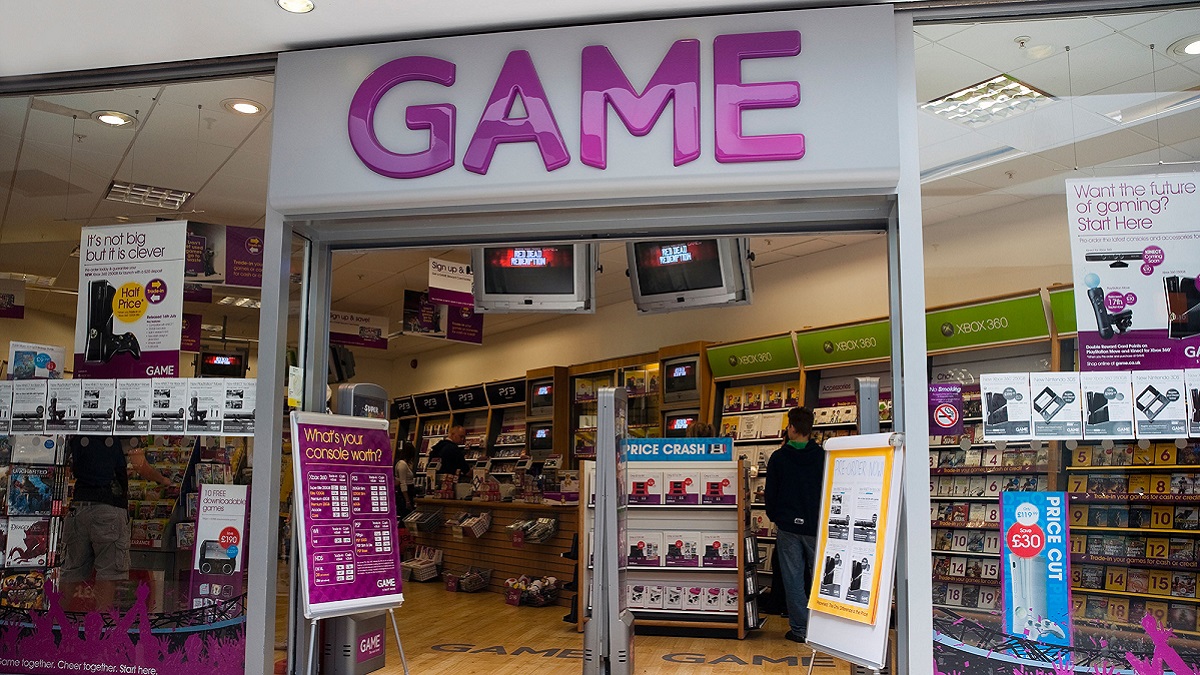
For decades, GAME served as a prominent and often the primary destination for gamers across the United Kingdom seeking the latest releases, hardware, and accessories. Established in 1992, the company grew to operate a substantial network of over 250 outlets nationwide, becoming a familiar fixture in high streets and shopping centers. Its physical presence provided a tangible experience for consumers, fostering a sense of community and offering a browsing and purchasing experience distinct from the increasingly dominant digital marketplace.
However, the inexorable rise of digital game distribution has fundamentally altered the retail landscape. The convenience and often lower price points offered by digital storefronts on consoles and PC platforms have steadily eroded the market share of physical retailers. This shift has presented significant challenges for businesses like GAME, which are heavily reliant on the sale of physical media. The transition to digital downloads has not only impacted game sales but also the lucrative trade-in market for used games, a significant revenue stream for many brick-and-mortar stores.
A History of Financial Struggles and Ownership Changes
The financial precariousness of GAME has been a recurring theme in recent years. The company has faced periods of significant financial distress, leading to restructuring and changes in ownership. In 2019, in an effort to stabilize the business, GAME was acquired by the Frasers Group, a prominent British retail conglomerate perhaps best known for its ownership of Sports Direct. This acquisition was intended to leverage the Frasers Group’s retail expertise and financial backing to navigate the challenging market conditions.
Despite these efforts, the pressures on GAME’s business model have persisted. Earlier this year, the company announced the discontinuation of its popular trade-in service, a move that was widely seen as a further indication of its struggle to adapt to the evolving gaming ecosystem and a significant blow to its customer base who relied on this service. The cessation of the trade-in program signaled a potential retrenchment and a reevaluation of its core offerings in the face of declining profitability.
The Impact of the Shift to Zero-Hours Contracts
The reported move to zero-hours contracts for a significant portion of GAME’s workforce is a critical development with substantial implications for those employed by the company. Zero-hours contracts, by their nature, do not guarantee any minimum number of working hours, meaning employees can be called upon to work as and when the employer requires, or not at all. This arrangement offers employers flexibility but can leave workers with unpredictable income, making it difficult to plan finances, secure loans, or even qualify for certain benefits.
For employees who have relied on a steady income from their roles at GAME, this transition represents a significant loss of job security. The lack of guaranteed hours can create a climate of uncertainty and anxiety, impacting morale and potentially leading to further staff departures. While the exact number of employees who may be affected by potential redundancies remains undisclosed, the scale of the reported shift to zero-hours contracts suggests that a considerable portion of the non-managerial workforce could be impacted. This move also raises questions about the long-term viability of GAME’s physical store operations and its strategy for engaging with its customer base in an increasingly digital world.
Industry-Wide Trends and Context
The challenges faced by GAME are not isolated incidents but are symptomatic of broader trends affecting the entire video game industry. The past few years have seen a concerning acceleration of layoffs and studio closures across major publishers and developers. Companies like Microsoft, Sony, Activision Blizzard, Epic Games, and many smaller studios have all announced significant workforce reductions, citing various reasons including economic headwinds, the end of major development cycles, and a recalcitrant market for new intellectual property.
Data from industry analysis firms paints a stark picture. Reports indicate that by early 2024, the number of layoffs in the video game industry had already surpassed figures from previous years, with estimates suggesting tens of thousands of jobs have been lost globally. This downturn is attributed to a confluence of factors, including the post-pandemic normalization of consumer spending, increased development costs, and a highly competitive market saturated with both established franchises and new ventures. The economic climate, with rising inflation and interest rates, has also contributed to a more cautious approach to investment and hiring within the tech and entertainment sectors, including gaming.
The shift from physical to digital sales, a trend that has been underway for over a decade, is a particularly acute challenge for traditional brick-and-mortar retailers. According to market research firm Statista, digital game sales have consistently grown, accounting for an ever-larger percentage of the overall gaming market revenue. For instance, in 2023, digital sales represented over 80% of the global video game market revenue, a figure that continues to climb. This trend directly impacts the business model of physical retailers like GAME, reducing footfall and sales of physical units.
Expert and Industry Reactions (Inferred)
While official statements from GAME are pending, industry analysts and observers have long anticipated a period of consolidation and adaptation for physical game retailers. Speaking generally about the sector, industry analyst Dr. Sarah Chen, a specialist in digital media economics, has previously noted, "The physical retail model for video games faces a fundamental challenge in the digital age. Companies that cannot diversify their revenue streams or offer unique experiential value beyond simple product sales will struggle to remain competitive."
Similarly, a spokesperson for a prominent gaming industry trade body, speaking anonymously due to the sensitive nature of ongoing company restructuring, commented, "The current economic climate, coupled with the persistent shift towards digital, creates immense pressure on all parts of the gaming ecosystem. Retailers are particularly exposed. The move towards more flexible contract arrangements, while potentially offering businesses agility, raises significant concerns about worker welfare and the long-term sustainability of retail employment in this sector."
The Future of Physical Game Retail
The potential layoffs and the shift to zero-hours contracts at GAME represent a significant moment for the company and a stark illustration of the challenges facing physical game retail. For former employees who once found stability and a career path within the company, this news undoubtedly brings uncertainty and concern. The long-term implications for the GAME brand itself remain to be seen. Whether this is a prelude to a further downsizing of its physical footprint, a strategic pivot, or an attempt to weather a storm of economic uncertainty, the immediate impact will be felt most acutely by its staff.
The situation at GAME serves as a potent reminder of the dynamic and often unforgiving nature of the modern entertainment industry. As the digital frontier continues to expand, traditional retail models are forced to confront their limitations. The coming weeks and months will be crucial in determining the future direction of GAME and the fate of its employees, underscoring the broader narrative of transformation and adaptation within the global video game landscape. The reliance on physical retail for gaming is rapidly diminishing, forcing companies like GAME to make difficult decisions in an effort to survive. The transition to zero-hours contracts, while a business decision, highlights the human cost of these industry-wide shifts.