


This morning, Microsoft confirmed a significant restructuring within its Xbox Game Studios division, announcing the closure of Arkane Austin, Tango Gameworks, and Alpha Dog Games. Roundhouse Studios will be absorbed into ZeniMax Online Studios to support ongoing development. This wave of closures follows a pattern of substantial workforce reductions and studio shutdowns that have marked the video game industry throughout the past year.
A Pattern of Consolidation and Cuts
The video game industry has witnessed an unprecedented period of upheaval, characterized by widespread layoffs and the shuttering of development studios. Companies that once aggressively acquired studios, such as Embracer Group, have since engaged in divestitures, closures, and significant employee reductions. Microsoft, a dominant force in the gaming landscape, is increasingly becoming associated with this trend, raising concerns about the long-term stability of development teams within the sector.
Earlier in 2024, Microsoft announced a substantial layoff impacting approximately 1,900 employees across its Xbox division and the recently acquired Activision Blizzard. The specifics regarding the number of employees affected by the current studio closures have not yet been officially disclosed. Xbox has yet to release a formal statement on its official channels regarding these developments. The news of the studio closures was disseminated via an internal email from Matt Booty, Head of Xbox Game Studios, which was subsequently obtained and verified by IGN. Individual studio accounts have confirmed the news, and employees have begun expressing their concerns and frustrations on social media platforms. Microsoft has declined to comment on the IGN report.
Scrutiny on Studio Performance and Strategic Shifts
The decision to close these studios has drawn considerable attention, particularly in light of the perceived disconnect between studio performance, public statements from Xbox leadership, and the ultimate outcome.
Arkane Austin: The closure of Arkane Austin comes after the troubled launch of its latest title, Redfall. While Redfall will remain playable online, it will no longer receive content updates. A "make-good" has been promised for players who purchased the premium DLC pass. This decision stands in contrast to earlier public commitments. In a May 2023 interview with Kinda Funny, Xbox head Phil Spencer stated, "In terms of our commitment to the game… absolutely, the team at Arkane is taking the near-term feedback. We’re still working on the 60fps update. We have a good timeline for that, we’re committed to getting that done. And we’re going to continue to work the game." He further emphasized a commitment to games like Sea of Thieves and Grounded, highlighting the long-term support for titles. Arkane Austin, a studio with a pedigree that includes critically acclaimed titles such as Prey (2017) and the original Dishonored, had been expected to receive support to improve Redfall‘s performance. The closure now leaves the future of its staff uncertain, with only some expected to transition to other roles.
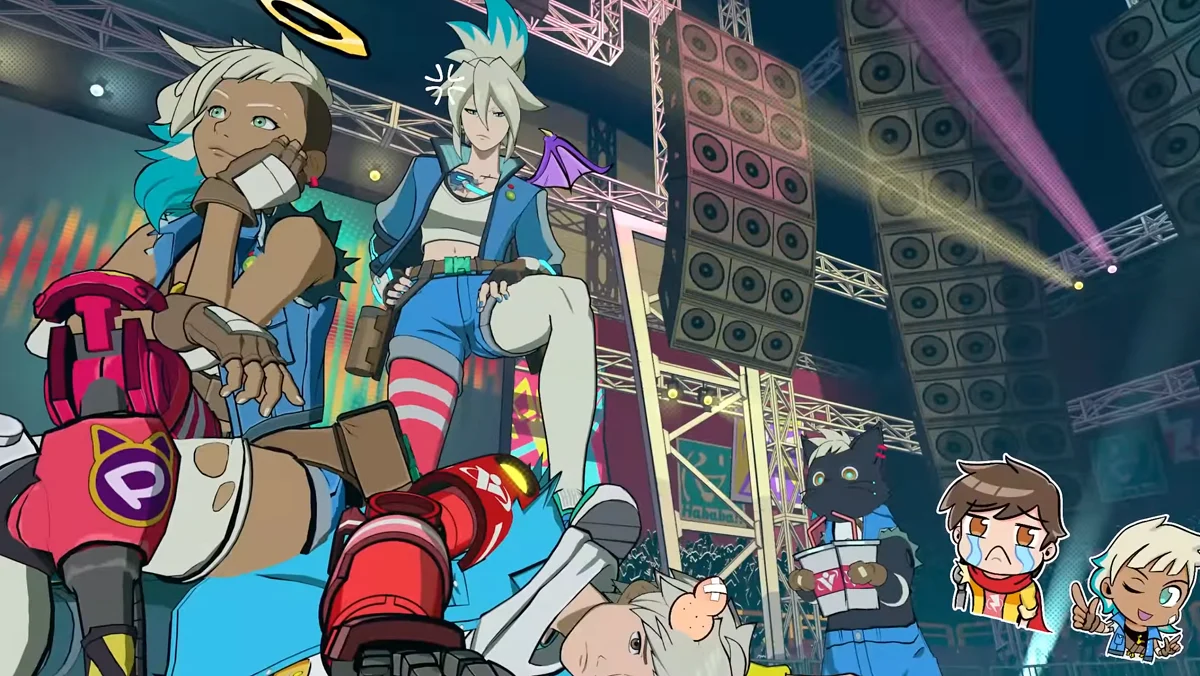
Tango Gameworks: The closure of Tango Gameworks, the acclaimed studio behind Hi-Fi Rush, is particularly perplexing given the game’s critical reception and its status as a bright spot for Xbox. Hi-Fi Rush was lauded as a fresh and innovative title, earning critical acclaim and being recognized with a BAFTA award. The studio’s final public statements on its social media included the announcement of its closure and a retweet congratulating the team on its BAFTA win. This decision also appears to contradict earlier statements from Xbox leadership regarding the game’s success. Aaron Greenberg, Xbox’s VP of Games Marketing, publicly refuted reports of Hi-Fi Rush underperforming, stating, "[Hi-Fi Rush] was a break out hit for us and our players in all key measurements and expectations. We couldn’t be happier with what the team at Tango Gameworks delivered with this surprise release.” The recent announcement that Hi-Fi Rush would be released on other platforms further complicates the narrative of its commercial failure, suggesting a potential for broader market reach.
Strategic Realignments and Financial Context
The stated rationale for these closures, as outlined in Matt Booty’s internal email, centers on a strategic reprioritization to "double down on these franchises and invest to build new ones." Booty indicated that this involves identifying opportunities "best positioned for success" and requires a "reprioritization of titles and resources," leading to the realignment of some teams and the departure of some employees.
This strategic shift appears to be driven by a focus on Bethesda’s established "blockbuster games and beloved worlds." This aligns with Microsoft’s broader financial objectives. The company’s FY24 Q3 earnings report, released on April 25, 2024, revealed significant growth in its gaming division. Notably, Xbox content and services revenue increased by 62% (61% in constant currency), largely driven by the acquisition of Activision Blizzard. This substantial revenue growth, achieved while simultaneously pursuing studio closures, raises questions about the metrics used to define "success" and the allocation of resources within Xbox Game Studios.
Furthermore, this is not an isolated event for Microsoft. In January 2024, the same month it announced the 1,900 layoffs, Microsoft achieved a market capitalization of $3 trillion, becoming the second company globally to reach this milestone. The juxtaposition of immense corporate valuation and significant workforce reductions within its gaming division highlights the complex economic forces at play in the modern technology and entertainment sectors.
Broader Industry Implications and Talent Drain
The current situation within the video game industry is a source of growing concern for developers and industry observers alike. The consistent pattern of layoffs and studio closures creates an environment of instability, making it difficult for individuals to build sustainable careers in the field. Phil Spencer, in a March interview with Polygon, expressed his concerns about this trend, stating, "I reflect on friends of mine in the industry that have been displaced and lost their jobs and how just, I don’t want this industry to be a place where people can’t, with confidence, build a career." This sentiment underscores the human cost of these corporate decisions.
Reports have already indicated a talent drain from the industry, with experienced professionals seeking opportunities elsewhere. The irony is not lost on many that these layoffs sometimes occur in the wake of return-to-office mandates, adding another layer of frustration for employees. The outlook for the video game console market itself has been described as flat, further intensifying the pressure on studios to perform under opaque metrics.
The tension between the financial "fuel" required to create games and the intrinsic passion that drives their development is a recurring theme. Larian Studios CEO Swen Vincke articulated this sentiment on social media, stating, "They don’t care that much about the money made beyond it being the fuel they need to create new and better games. It’s worth reminding everyone that fuel is but a means, not a goal. Whereto and how we journey are what matter and what we remember." This perspective highlights the potential disconnect between a purely financial-driven approach and the creative essence of game development.
The Road Ahead: Uncertainty and Accountability
As Xbox prepares to host its showcase in June as part of the Summer Game Fest, the industry will be watching closely. Events like Summer Game Fest often highlight upcoming titles but frequently fall short of addressing the systemic issues plaguing the developers who create these games. The tenor of Xbox’s presentation, and whether it will engage with the recent studio closures and their implications, remains to be seen.
The current climate presents significant challenges for talented individuals who have lost their jobs. Finding new employment in a market with fewer openings and potentially reduced publishing support for independent developers is a daunting prospect. The industry is at a critical juncture, facing the dual pressures of economic realities and the imperative to foster a stable and rewarding environment for its creative workforce. The question of accountability for these decisions, and a clear explanation of the criteria that led to the closure of studios with demonstrable creative talent and critical successes, will likely continue to be a subject of intense scrutiny.