


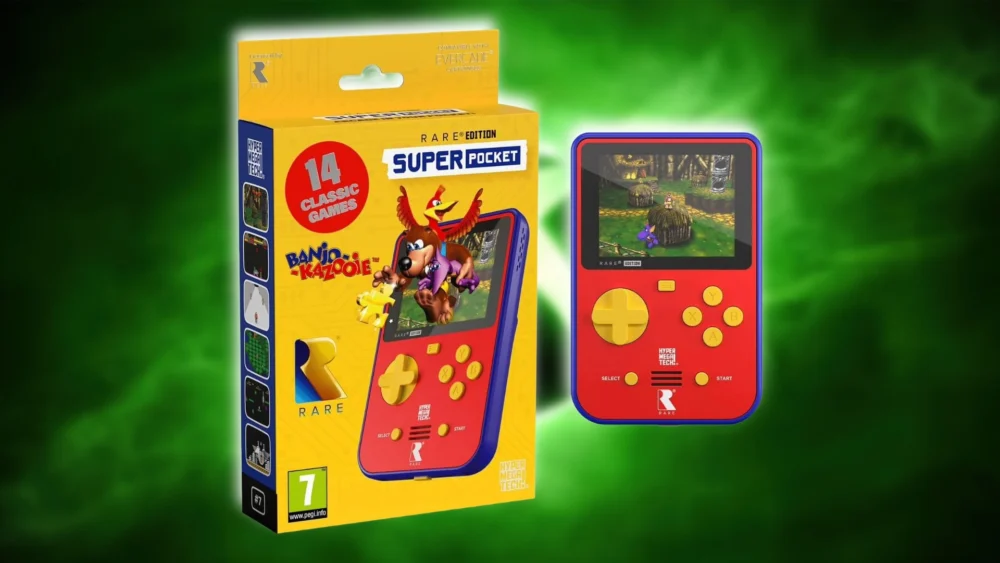
The landscape of retro gaming is undergoing a significant evolution, with major intellectual property holders increasingly looking to license their classic titles to dedicated platforms. In a notable development, Microsoft’s Xbox division has announced a strategic partnership with Blaze Entertainment, creators of the Evercade retro gaming ecosystem, to bring two of its most iconic franchises, Banjo-Kazooie and DOOM, to the Evercade platform. This collaboration marks a significant expansion of Xbox’s licensing initiatives, which first began to materialize in 2025 with plans for further expansion in 2026, aiming to offer beloved vintage games on physical cartridges and dedicated hardware.
A New Era for Classic Xbox Franchises on Evercade
The cornerstone of this new partnership is the introduction of a dedicated Super Pocket handheld console featuring Banjo-Kazooie. The Super Pocket series, developed by Evercade and Blaze Entertainment, is designed as an ultra-portable, affordable gaming device, retailing at approximately £49.99 / $69.99. The "Rare Super Pocket" variant, specifically themed around the legendary British developer Rare, will come pre-loaded with a curated selection of 14 games, prominently featuring the original Banjo-Kazooie. This move represents a novel approach to reintroducing a cherished title from the Nintendo 64 era, now under the Xbox umbrella, to a new generation of players and nostalgic fans alike through a unique hardware offering. The complete list of pre-installed titles on the Rare Super Pocket, beyond Banjo-Kazooie, will offer a diverse array of experiences from Rare’s illustrious history, further cementing the device’s appeal to collectors and enthusiasts of the studio’s golden age.
Beyond the dedicated handheld, the iconic first-person shooter DOOM is also slated to receive its own Evercade cartridge release in the near future. While specific details regarding the contents of the DOOM cartridge remain under wraps, its official teasing underscores the depth of this licensing agreement. This development is particularly noteworthy as it brings one of gaming’s most influential and enduring franchises, now part of Microsoft’s vast portfolio following the acquisition of ZeniMax Media, to a physical, collectible format compatible across the entire Evercade ecosystem. The Evercade platform distinguishes itself by allowing users to expand their game libraries across various devices—including handhelds, home consoles like the Evercade VS, and even the Evercade Alpha bartop arcade machines—by purchasing new game cartridges that slot directly into the hardware. This modular approach fosters a strong community of collectors and enthusiasts who value physical media.
The announcement builds upon Evercade’s existing partnerships, including the previously released Activision Collection 1 and Rare Collection 1 cartridges, which brought a range of classic titles from these publishers to the platform. The upcoming Activision Collection 2, featuring Atari VCS/2600 classics such as Pitfall II: Lost Caverns and River Raid II, further illustrates Evercade’s commitment to curating diverse retro experiences. Industry observers anticipate that the original Banjo-Kazooie will eventually be included in a future "Rare Collection 2" cartridge, offering broader compatibility for Evercade users who prefer to play on devices beyond the specialized Super Pocket. This phased release strategy maximizes market reach and caters to different consumer preferences, ensuring that the game is accessible across Evercade’s entire hardware lineup.
The Strategic Rationale Behind Xbox’s Licensing Expansion
Microsoft’s decision to license its valuable intellectual properties to Evercade is indicative of a broader strategic shift within the company regarding its vast gaming catalog. For years, Xbox has focused heavily on digital distribution, Xbox Game Pass, and backward compatibility for its own consoles. However, the burgeoning retro gaming market and the sustained demand for physical media present a unique opportunity for brand extension and revenue generation.
A spokesperson for Xbox, who requested anonymity as they were not authorized to speak on specific licensing deals, suggested that "partnering with platforms like Evercade allows us to celebrate our history and connect with different segments of the gaming community. It’s about preserving gaming history and making our iconic titles accessible in new, authentic ways that resonate with collectors and retro enthusiasts. Our goal is to ensure that great games, regardless of their original platform, continue to be enjoyed across as many avenues as possible, embracing both modern digital distribution and the nostalgic appeal of physical formats." This perspective highlights a dual objective: cultural preservation and market diversification, tapping into a growing segment of the gaming populace that values tangible assets.
This initiative follows an internal assessment by Microsoft in late 2024, which identified a significant untapped market in physical retro game distribution. Data from market analytics firms, such as NPD Group and Newzoo, indicated a consistent year-over-year growth in the retro gaming segment, with an estimated market value reaching approximately $5.5 billion globally in 2023, projected to exceed $7 billion by 2027. A substantial portion of this growth is attributed to dedicated retro hardware and physical game collections, which often command premium prices due to their collectible nature. By entering this space through licensing, Xbox can capitalize on this trend without directly developing new hardware or managing complex physical distribution logistics for these specific retro iterations.
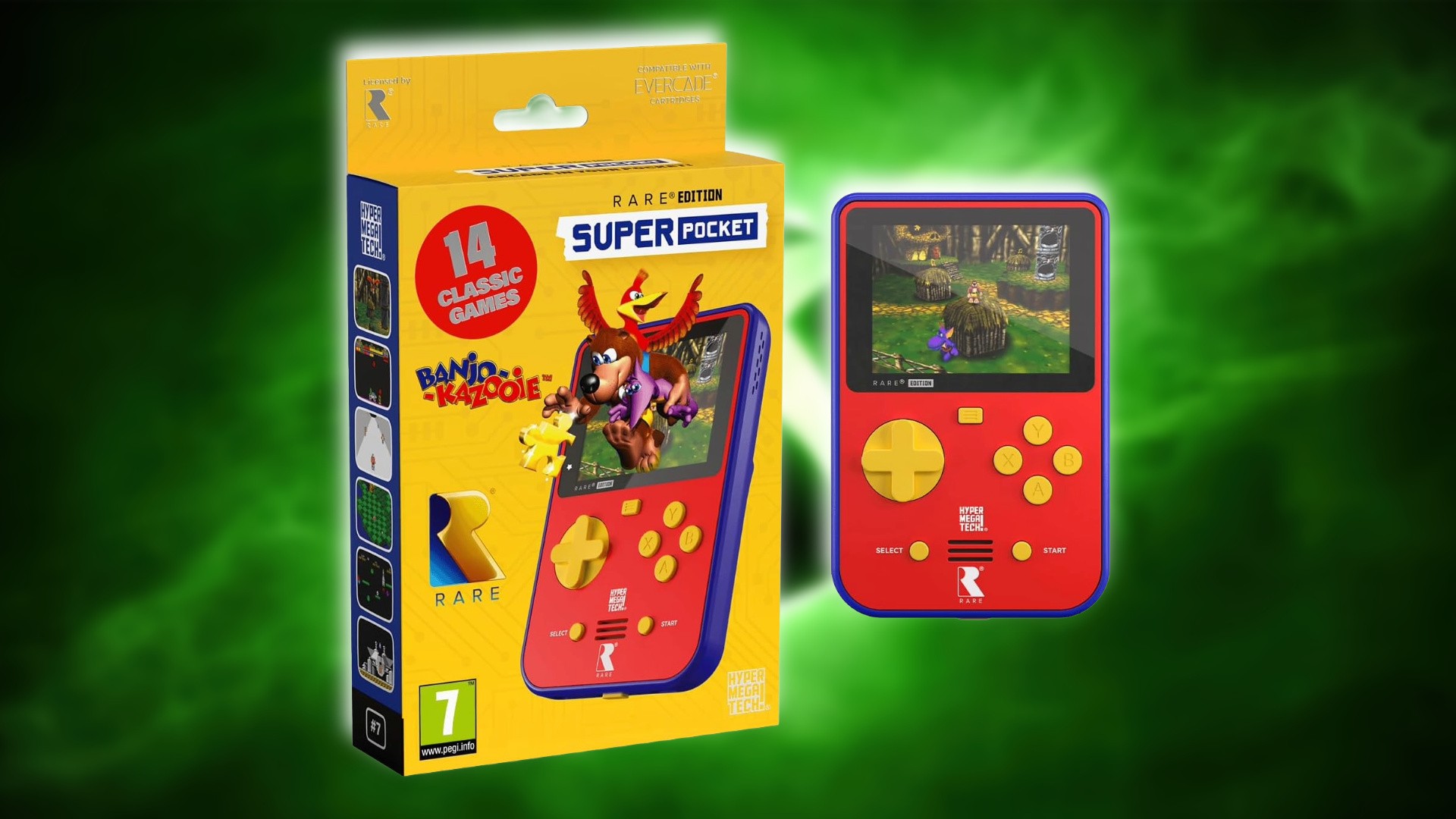
Furthermore, these licensing agreements serve to enhance the Xbox brand’s visibility beyond its traditional console ecosystem. By having Banjo-Kazooie on a Rare-themed Super Pocket and DOOM on an Evercade cartridge, Xbox IP reaches a demographic that might prioritize dedicated retro experiences or physical collectibles. This indirect brand exposure can reinforce the perception of Xbox as a custodian of gaming history, rather than solely a contemporary platform holder. It demonstrates a commitment to recognizing and celebrating the origins of popular gaming franchises, regardless of their current platform exclusivity or digital availability. This strategy also aligns with broader trends in entertainment, where legacy content is being re-monetized through various media.
Evercade’s Expanding Universe and Market Position
Blaze Entertainment, through its Evercade brand, has carved a distinct niche in the highly competitive gaming hardware market. Since its inception in 2020, Evercade has differentiated itself by focusing on officially licensed retro game collections on bespoke physical cartridges, offering a legitimate alternative to emulation and unofficial ROMs. Its product line, comprising handhelds (original Evercade Handheld, Evercade EXP, Super Pocket), home consoles (Evercade VS), and arcade units (Evercade Alpha), provides a unified ecosystem for classic gaming. The company reported a 45% year-over-year growth in hardware sales and a 60% increase in cartridge sales in 2023, underscoring the increasing demand for its unique offering.
A representative from Blaze Entertainment, speaking at a recent industry event, emphasized the company’s mission: "Our core philosophy at Evercade is to celebrate gaming history responsibly and authentically. We work closely with publishers to ensure that their classic titles are presented in the best possible way, providing a premium, collectible experience for fans. Bringing franchises of the caliber of Banjo-Kazooie and DOOM into the Evercade family is a monumental achievement for us and a testament to the trust publishers place in our platform. This collaboration not only validates our dedication to official licensing but also significantly broadens our appeal to a global audience of retro gaming enthusiasts." This statement underscores Evercade’s commitment to quality and official licensing, distinguishing it from other retro solutions and positioning it as a trusted partner for major IP holders.
The partnership with Xbox, specifically involving two such high-profile franchises, represents a significant validation of Evercade’s business model and its growing influence in the retro gaming segment. Previously, Evercade’s library consisted largely of titles from smaller publishers, indie developers, and historical arcade collections. The inclusion of Microsoft-owned IPs elevates Evercade’s profile, potentially attracting a broader audience who might not have previously considered the platform. This strategic infusion of premium content is expected to drive unit sales for both the Super Pocket and Evercade cartridges, bolstering the company’s market share and solidifying its position as a leader in the licensed retro gaming hardware space. The move also opens doors for future collaborations with other major publishers seeking to leverage Evercade’s unique distribution model for their classic titles.
The Legacy of Banjo-Kazooie and DOOM
The selection of Banjo-Kazooie and DOOM for this initiative is no coincidence, given their profound impact on gaming history and their enduring cultural relevance. Both titles are not merely games but foundational elements of their respective genres.
-
Banjo-Kazooie: Released in 1998 for the Nintendo 64, Banjo-Kazooie quickly became a critical and commercial success. Developed by Rare, then a second-party developer for Nintendo, the 3D platformer was lauded for its expansive levels, clever puzzles, memorable characters (the bear Banjo and his bird companion Kazooie), and iconic soundtrack composed by Grant Kirkhope. It stood as a benchmark for the genre alongside Super Mario 64, often cited for its superior level design and humorous dialogue. Rare’s acquisition by Microsoft in 2002 brought the Banjo-Kazooie IP under the Xbox banner, where it saw subsequent releases, including Banjo-Kazooie: Nuts & Bolts (2008) and appearances in Super Smash Bros. Ultimate (2019). Its enduring appeal lies in its charm, intricate design, and the powerful nostalgia it evokes for a golden era of 3D platforming. The Evercade Super Pocket featuring this title is expected to resonate strongly with fans who grew up with the N64 and those curious about gaming’s rich past, offering an authentic, physical experience reminiscent of its original release.
-
DOOM: The original DOOM, released by id Software in 1993, is widely credited with popularizing the first-person shooter genre. Its revolutionary pseudo-3D graphics (for the time), intense fast-paced gameplay, innovative multiplayer deathmatch mode, and pioneering shareware distribution model made it a cultural phenomenon. DOOM not only shaped the future of video games but also had a significant impact on PC technology, network gaming, and modding communities, becoming one of the most ported games in history. The franchise has continued to evolve, with critically acclaimed reboots in 2016 (DOOM) and 2020 (DOOM Eternal), maintaining its reputation for visceral action and heavy metal aesthetics. Its inclusion on Evercade cartridges provides a tangible, physical artifact of gaming history, appealing to both veterans who experienced its initial impact and younger players eager to explore the roots of modern FPS games in an officially sanctioned format.
These titles represent not just games, but cornerstones of their respective genres and eras. Their availability on Evercade further solidifies the platform’s reputation as a legitimate archive of video game history, providing a curated experience that honors their original impact.

Broader Implications for the Retro Gaming Market and IP Licensing
The partnership between Xbox and Evercade has several significant implications for the broader gaming industry:
-
Validation of Physical Retro Gaming: In an increasingly digital-first world, this collaboration reaffirms the enduring appeal and commercial viability of physical media for retro games. It suggests that major publishers, recognizing the strong demand from collectors and enthusiasts, see value in catering to those who prefer tangible products. This could encourage other large IP holders, such as Sony or Nintendo, to explore similar licensing arrangements for their extensive back catalogs, further legitimizing and expanding the retro hardware market. Analysts suggest that the physical retro game market could grow by an additional 15-20% over the next five years due to such high-profile partnerships.
-
Increased Competition and Innovation: As more premium IP becomes available, dedicated retro platforms like Evercade will face heightened expectations for quality, authenticity, and innovative hardware. This could spur further advancements in emulator technology, display options, and collectible formats within the retro space. Competition among retro hardware manufacturers to secure top-tier licenses is likely to intensify, benefiting consumers through better products and more diverse game offerings.
-
Preservation and Accessibility: Official licensing ensures that classic games are preserved and made accessible in a legal and curated manner. This combats the issues associated with abandonware and unauthorized emulation, providing a more reliable and high-quality experience for consumers. It positions companies like Evercade as crucial partners in video game preservation efforts, working hand-in-hand with original publishers to maintain the integrity and availability of historical titles for future generations. This formalized approach to preservation is a significant step forward for the industry.
-
Diversification of Revenue Streams for IP Holders: For companies like Microsoft, licensing provides an additional, relatively low-risk revenue stream that leverages existing assets. It allows them to monetize older titles without significant internal development costs, while also keeping their brands active and visible across different platforms. This model could become a blueprint for other publishers looking to unlock value from their extensive back catalogs, particularly those with a wealth of beloved but currently un-monetized classic games. This strategy enables a long tail of revenue generation for dormant or less active IPs.
-
Strengthening the Collector’s Market: The Evercade ecosystem thrives on collectibility. The introduction of highly sought-after franchises like Banjo-Kazooie and DOOM will undoubtedly boost the desirability of Evercade cartridges and hardware, appealing to a passionate community of collectors who value physical ownership and limited editions. This contributes to the robust secondary market for retro gaming merchandise, where physical copies and themed hardware often appreciate in value. The potential for special edition releases or bundles around these iconic franchises further fuels the collector’s enthusiasm.
Looking ahead, this partnership could pave the way for an even broader range of Xbox-owned classic titles to appear on Evercade. The sheer volume of IPs acquired by Microsoft over the years, from Bethesda’s vast catalog (including The Elder Scrolls and Fallout classics) to classic PC games and deeper cuts from the Rare archives (Perfect Dark, Conker’s Bad Fur Day), presents a rich potential library for future Evercade collaborations. Fans have already begun speculating about other Xbox franchises that could benefit from the Evercade treatment, ranging from original Xbox classics to titles from the early days of PC gaming now under the Microsoft umbrella. The success of these initial releases will likely dictate the scope and pace of future endeavors, potentially making Evercade an essential platform for comprehensive gaming history.
The convergence of a major platform holder like Xbox with a dedicated retro gaming specialist like Evercade signals a maturing and dynamic retro gaming market. It highlights a growing recognition that gaming history is a valuable asset, not just for nostalgia, but for contemporary business strategy and cultural impact. The availability of Banjo-Kazooie on a dedicated Super Pocket and DOOM on an Evercade cartridge represents more than just new products; it signifies a strategic alignment that promises to enrich the retro gaming experience for years to come, bridging the gap between past and present gaming eras with authenticity and innovation.