


Microsoft’s recent announcement regarding the expansion of Xbox backwards compatibility to the PC platform marks a significant shift in the company’s long-term gaming strategy, signaling a move toward a more unified ecosystem across hardware boundaries. This initiative, which aims to bring legacy console titles to native PC environments, has ignited widespread interest among enthusiasts and preservationists. While the initial reveal highlighted a small selection of foundational titles, the broader gaming community has begun mobilizing to influence future additions through platforms such as Xbox Game Preservation. This community-driven leaderboard serves as a barometer for consumer demand, identifying specific gaps in the current PC gaming catalog where classic Xbox exclusives remain inaccessible.
The Evolution of Xbox Backwards Compatibility
The journey toward comprehensive backwards compatibility began in earnest during E3 2015, when Microsoft announced that the Xbox One would support a selection of Xbox 360 titles. This move was initially met with technical skepticism, as the architectural differences between the PowerPC-based Xbox 360 and the x86-based Xbox One presented significant emulation hurdles. However, the program was a resounding success, eventually expanding to include original Xbox titles and growing to a library of over 600 games by the time the program was officially "concluded" in late 2021.
The pivot toward PC backwards compatibility represents the next logical phase of this endeavor. For years, the Windows gaming environment has existed in a state of partial parity with Xbox consoles. While modern "Xbox Play Anywhere" titles bridge the gap, a vast repository of seventh-generation (Xbox 360) and sixth-generation (original Xbox) classics remains trapped on aging console hardware. The July 2024 closure of the Xbox 360 Marketplace further underscored the urgency of these preservation efforts, as hundreds of digital-only titles faced potential permanent delisting.
Data-Driven Demand: The Xbox Game Preservation Initiative
The Xbox Game Preservation group has emerged as a central hub for documenting and advocating for the longevity of the Xbox library. Their recent implementation of a voting system for PC-specific backwards compatibility has provided a clear data set regarding which franchises are most desired by the public. Analysis of the current leaderboard indicates a heavy preference for titles that have historically lacked native PC ports, particularly those developed by internal Microsoft studios or close second-party partners.
The voting trends suggest that players are less interested in titles that already have existing (even if dated) PC versions, such as the original Gears of War or Fable: The Lost Chapters. Instead, the focus is squarely on the "missing links"—sequels and spin-offs that were kept as console exclusives to drive hardware sales during the 2000s and early 2010s.
Analysis of the Top 10 Community-Requested Titles
The following ten titles represent the most significant "wishlist" items currently being tracked by fans and analysts. These games are viewed as the most likely candidates for the PC expansion due to their existing status in the console backwards compatibility program and their high cultural impact.
1. Fable II (Xbox 360)
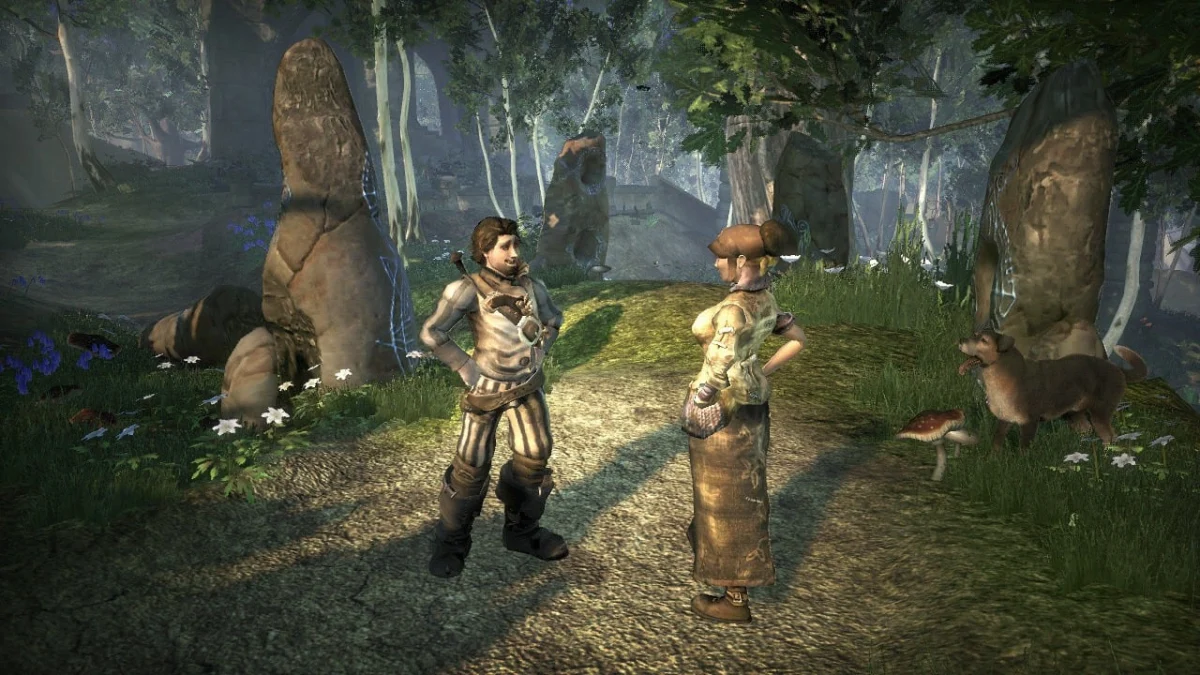
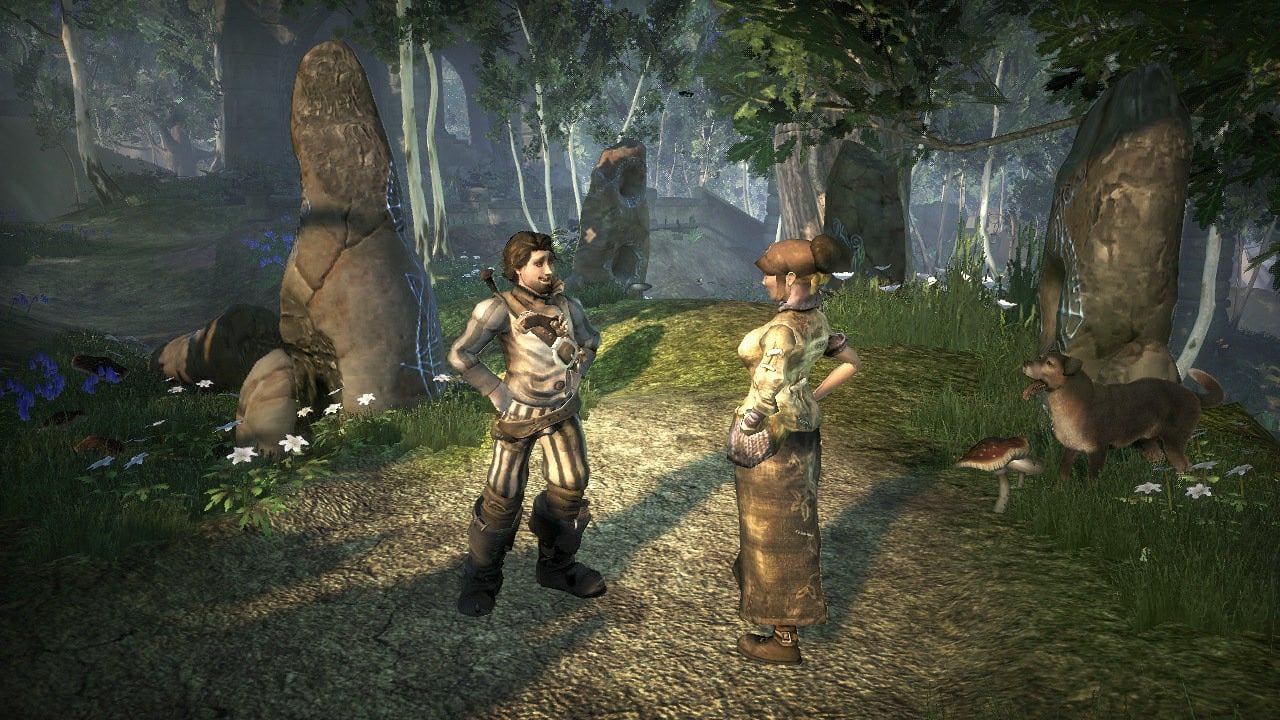
Released in 2008, Fable II remains the only mainline entry in the franchise without a PC version. While the original Fable and Fable III were both released on Windows, the middle chapter—often cited as the series’ peak—has remained a console exclusive for 16 years. Its inclusion is considered a priority for completing the franchise’s history on PC ahead of the upcoming series reboot.
2. Gears of War 2 (Xbox 360)
The Gears of War franchise is a cornerstone of the Xbox brand, yet a significant portion of the Marcus Fenix saga is missing from the PC. While Gears of War: Ultimate Edition, Gears 4, and Gears 5 are available on Windows, Gears of War 2 and 3 are not. Bringing these titles to PC would allow players to experience the complete narrative arc on a single platform with modernized resolutions and frame rates.
3. Skate 3 (Xbox 360)
Electronic Arts’ Skate 3 maintains a massive, dedicated following due to its unique physics-based control scheme and emergent gameplay. Despite the announcement of a new Skate title currently in development for PC, the third entry remains the definitive experience for many fans. Its popularity on social media and streaming platforms continues to drive demand for a stable PC version.
4. Lost Odyssey (Xbox 360)
Developed by Mistwalker and led by Final Fantasy creator Hironobu Sakaguchi, Lost Odyssey is often regarded as one of the finest traditional JRPGs of its era. As a four-disc epic, it pushed the Xbox 360 to its limits. Its arrival on PC would be a landmark moment for RPG enthusiasts who have long sought a way to play the game without relying on original discs or aging hardware.
5. TimeSplitters 2 (original Xbox)
The TimeSplitters series, developed by Free Radical Design, represents a pinnacle of arcade-style first-person shooters. While the franchise has been in a state of limbo following various studio acquisitions, the demand for its fast-paced, humorous multiplayer and diverse campaign remains high.
6. Banjo-Kazooie (Xbox 360 Port)
While originally a Nintendo 64 title, the version of Banjo-Kazooie available via Xbox backwards compatibility is a refined port featuring improved textures and the reinstated "Stop ‘N’ Swop" functionality. For PC players, this would represent the most polished way to experience a platforming classic.
7. Burnout Revenge (Xbox 360)
As the arcade racing genre has evolved toward open-world formats, the structured, aggressive combat racing of Burnout Revenge has become a nostalgic favorite. Unlike Burnout Paradise, which has been remastered for PC, Revenge remains locked to older consoles, making it a prime candidate for the new PC initiative.
8. Ninja Gaiden Black (original Xbox)
Widely considered one of the greatest action games ever made, Ninja Gaiden Black is the definitive version of Ryu Hayabusa’s 2004 outing. While the Ninja Gaiden Master Collection brought the "Sigma" versions to PC, purists argue that the original Black version offers superior balancing and mechanics.
9. Blue Dragon (Xbox 360)
Another Mistwalker collaboration, Blue Dragon featured character designs by the late Akira Toriyama and music by Nobuo Uematsu. As a Microsoft-published JRPG, it represents a specific era of Xbox’s attempt to capture the Japanese market, and its preservation on PC is seen as culturally significant.
10. SSX 3 (original Xbox)
The SSX franchise defined the extreme sports genre in the early 2000s. SSX 3, with its "One Mountain" design philosophy, is frequently cited as the series’ high-water mark. Its technical achievements on the original Xbox make it an ideal candidate for upscaling on modern PC hardware.
Technical Hurdles and Implementation Strategies
The transition of these titles to PC is not a simple task of "unlocking" software. Microsoft’s approach likely involves a sophisticated translation layer similar to the one used on Xbox Series X|S, which allows the games to run in an emulated environment that mimics the original hardware’s OS. For PC, this requires accounting for a vast array of hardware configurations, driver versions, and input methods.
Industry analysts suggest that Microsoft may utilize its "Game Core" technology to streamline this process. By containerizing the legacy games, Microsoft can ensure stability while potentially adding "Auto HDR" and frame rate boosting features that have become standard on console backwards compatibility. This would provide a "native-plus" experience, where games look and play better on PC than they did on their original hardware.
Institutional Reactions and the Preservation Movement
The move has been praised by digital preservationists, such as the Video Game History Foundation, who argue that platform holders have a moral and commercial responsibility to keep their libraries accessible. While Microsoft has not issued a formal statement regarding the specific community votes, Sarah Bond, President of Xbox, recently announced the formation of a dedicated team focused on game preservation and future-proofing.
"We are building on our strong history of delivering backwards compatibility to our players," Bond noted in a recent internal communication. "We remain committed to bringing forward the amazing library of Xbox games for future generations of players to enjoy."
This institutional commitment suggests that the PC backwards compatibility project is not a one-off marketing stunt, but a long-term pillar of the Xbox platform. By leveraging the PC’s open nature, Microsoft can ensure these games remain playable even as console generations come and go.
Economic and Strategic Implications
Strategically, expanding the backwards compatibility program to PC serves several purposes. First, it strengthens the value proposition of PC Game Pass. By adding a "Vault" of classic exclusives, Microsoft differentiates its service from competitors like Steam or the Epic Games Store. Second, it generates renewed interest in dormant IP. A successful PC release of Gears of War 2 or Fable II could serve as a low-cost marketing vehicle for upcoming sequels in those franchises.
Furthermore, it addresses the "gray market" of emulation. While unofficial emulators like Xenia (for Xbox 360) and xemu (for original Xbox) have made great strides, they often require high-end hardware and lack the polish of an official solution. By providing a legal, optimized, and integrated way to play these games, Microsoft reclaims control over its intellectual property while satisfying a clear market demand.
As the initiative moves forward, the industry will be watching closely to see how quickly Microsoft can scale the library. With thousands of titles in the Xbox back catalog, the potential for growth is immense, and the community’s voice via platforms like Xbox Game Preservation will likely remain a guiding force in determining which classics are resurrected next.