


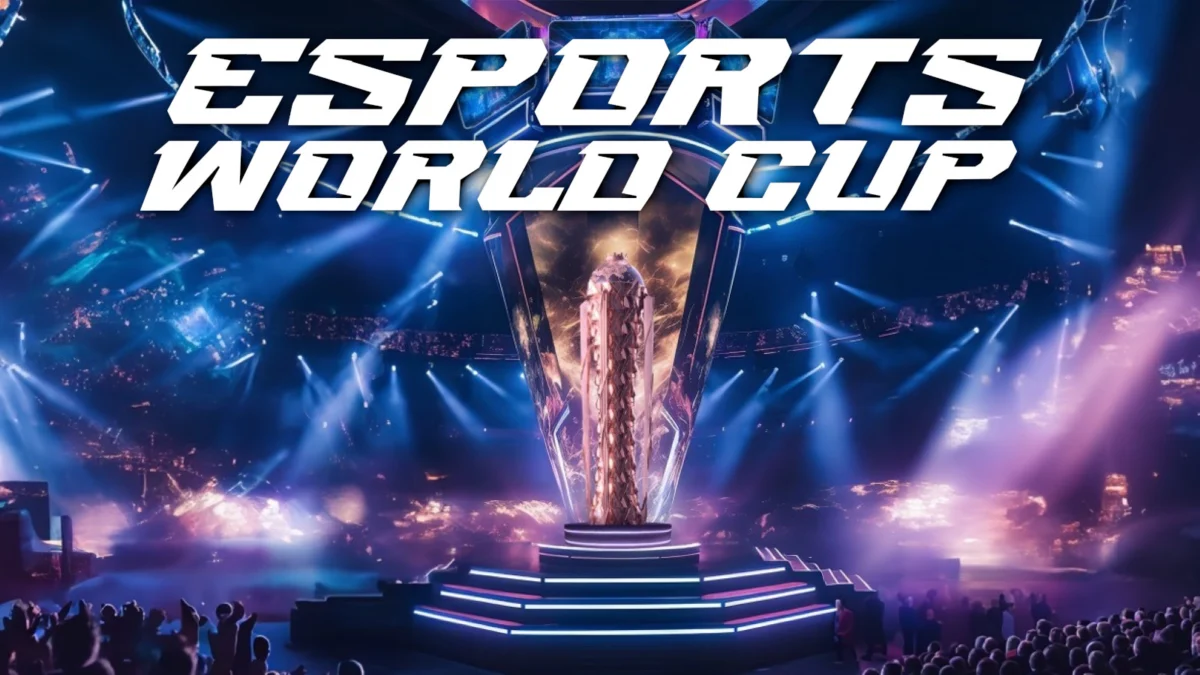
The highly anticipated 2026 Esports World Cup, a premier global tournament in competitive video gaming, has officially relocated its venue from Riyadh, Saudi Arabia, to Paris, France. This significant shift, confirmed by the Esports Foundation on May 20, marks a pivotal moment in the event’s history, moving its flagship competition outside of its original host nation for the first time. The tournament, originally slated to take place in Riyadh between July and August 2026, will now usher in a new era for the Esports World Cup (EWC) in the iconic French capital.
The decision to relocate was attributed to an "extended evaluation process in light of the current regional situation," as stated by the Esports Foundation in their official announcement. This phrasing alludes to the complex geopolitical climate in the Middle East, which has necessitated a reassessment of the event’s logistical and security feasibility in Riyadh for the 2026 iteration. The Esports Foundation emphasized their commitment to providing clarity and stability for all stakeholders involved, stating, "Our EWC fans are at the heart of everything we do, and we wanted to make sure that you and the Players, Clubs and Teams were offered clarity and stability you need to plan your event attendance and travel plans." This proactive communication aims to mitigate any disruption for the global esports community, allowing participants and attendees ample time to adjust their arrangements.
A Strategic International Rotation
The relocation to Paris is not an isolated event but rather an acceleration of the Esports World Cup’s long-term strategic vision. The EWC has consistently outlined an ambition to rotate its hosting duties among international cities, generating revenue through hosting fees and fostering global engagement. This move to Paris signifies the first step in actualizing that international rotation strategy.
Ralf Reichert, CEO of the Esports Foundation, expressed enthusiasm for the new venue, stating, "This year, we’re excited to bring EWC to Paris for its first edition outside Saudi Arabia. Paris has hosted some of the world’s biggest sporting events and is one of the great global capitals of sport, culture and entertainment." Reichert further elaborated on the significance of this transition, highlighting the collaborative effort involved: "Together with the passion of French fans and the strong support we’ve received locally, we’re excited to bring the global esports community there for the next chapter of EWC. Paris now becomes the first international chapter in EWC history."
The choice of Paris is underpinned by its robust infrastructure, extensive experience in hosting large-scale international events, and its status as a global hub for culture and entertainment. This strategic decision is poised to leverage Paris’s existing capabilities to elevate the Esports World Cup to new heights.
Presidential Endorsement and Global Acclaim
The announcement of Paris as the host city garnered immediate and positive reactions from prominent figures. French President Emmanuel Macron expressed his delight, deeming it an "honor" for France to host the prestigious event. In a statement that underscored the international cooperation involved, Macron remarked, "Thank you to Saudi Arabia for its trust. We are ready to organize this 2026 e-sports World Cup. Very proud to welcome the world again." This endorsement from the French presidency signals strong governmental support for the Esports World Cup, promising a well-supported and high-profile event.
The shift in venue also highlights the evolving nature of major sporting events, with esports increasingly being recognized and integrated into the global sporting calendar. The successful transition to Paris is expected to set a precedent for future host city selections and further solidify the EWC’s position as a premier esports spectacle.
A Massive Prize Pool and Diverse Competition
The 2026 Esports World Cup is set to feature an unprecedented prize pool, with teams from across the globe competing for a staggering $75 million. This substantial financial incentive underscores the growing economic significance of esports and its capacity to attract top-tier talent and significant investment. The tournament will encompass a wide array of competitive gaming disciplines, with 24 different esports titles slated for representation. This diverse selection aims to cater to a broad spectrum of gaming interests and fan bases, solidifying the EWC’s status as an all-encompassing esports championship.
Among the featured titles are some of the most popular and widely played esports games globally, including strategic titans like Valorant and Counter-Strike 2 (CS2), popular team-based shooters, and the globally revered MOBA, League of Legends. The inclusion of diverse genres also extends to titles such as Overwatch, a team-based hero shooter, and even strategic board games like Chess, demonstrating the expansive definition of competitive gaming embraced by the EWC. This broad representation ensures that the tournament appeals to a wide audience, from dedicated fans of specific games to general esports enthusiasts.

Background: The Genesis of the Esports World Cup
The Esports World Cup was conceived as a groundbreaking initiative to consolidate and elevate the global esports landscape. Launched with the backing of the Saudi Esports Federation, the event aimed to create a unified, prestigious tournament that would crown world champions across multiple disciplines. The inaugural event was held in Riyadh in 2023, showcasing a massive prize pool and bringing together hundreds of the world’s best esports athletes. This initial success laid the foundation for the EWC’s ambitious expansion plans.
The original vision for the EWC involved a rotating international hosting model, with Saudi Arabia serving as the inaugural host nation for a period. This model was designed to foster a global ecosystem for esports, allowing different regions to experience and benefit from hosting such a significant event. The move to Paris in 2026 represents the early realization of this international rotation strategy, accelerating the timeline for global engagement. The decision to move was not solely reactive but also a proactive step in fulfilling the EWC’s long-term objectives.
Analyzing the Implications of the Venue Shift
The relocation of the 2026 Esports World Cup from Riyadh to Paris carries several significant implications for the esports industry and the event itself.
-
Geopolitical Sensitivity and Event Hosting: The decision underscores the increasing importance of geopolitical stability and regional dynamics in the planning and execution of large-scale international events. Esports organizations, like traditional sports bodies, must navigate complex global relationships and potential conflicts. The Esports Foundation’s swift action demonstrates a commitment to prioritizing the safety and comfort of participants and attendees.
-
Economic Impact on Paris: Hosting the Esports World Cup is expected to bring substantial economic benefits to Paris. The influx of international competitors, fans, media, and support staff will likely boost tourism, hospitality, and local businesses. Paris, already a major global destination, will further solidify its position as a premier sporting and entertainment capital.
-
Broadening Global Appeal: By moving to Paris, the EWC actively engages a different continent and a new set of fan bases. France has a vibrant and passionate esports community, and the event’s presence is likely to further energize and grow the scene within Europe. This international exposure is crucial for the EWC’s ambition to become a truly global phenomenon.
-
Logistical and Operational Considerations: Paris offers a mature and well-established infrastructure for hosting major events. Its extensive transportation networks, numerous venues, and experienced event management capabilities provide a strong foundation for the EWC. However, adapting to a new host city always presents unique logistical challenges, from venue selection and setup to coordinating with local authorities and managing large crowds.
-
Maintaining Brand Consistency: The Esports Foundation will need to ensure that the transition to Paris maintains the brand integrity and high standards established in its previous iterations. This includes replicating the excitement, competitive integrity, and fan experience that has become synonymous with the EWC. The success of this move will be a testament to the adaptability and strategic foresight of the Esports Foundation.
The Future of Esports Hosting
The Esports World Cup’s journey from Riyadh to Paris serves as a compelling case study in the evolving landscape of global event hosting. As esports continues its rapid ascent in popularity and economic influence, the strategic selection of host cities will become increasingly critical. The EWC’s proactive approach to international rotation, coupled with its ability to adapt to changing circumstances, positions it for sustained success and growth. The 2026 edition in Paris is poised to be a landmark event, showcasing the dynamism and global reach of competitive gaming on one of the world’s most iconic stages. The $75 million prize pool and the diverse array of 24 esports titles promise an unforgettable spectacle, further cementing the Esports World Cup’s status as a pinnacle of global esports competition.