


Gaming consoles, once celebrated for their innovative engineering and often-lauded quiet operation at launch, frequently exhibit a noticeable increase in acoustic output as they age. This phenomenon, widely observed across various hardware generations, has become a recurring topic of discussion within the vast global gaming community. While contemporary Xbox consoles, including the Xbox One, Xbox Series X, and Xbox Series S, initially set high benchmarks for minimal operational noise, anecdotal evidence and widespread user reports increasingly suggest a gradual deterioration in their acoustic performance over years of sustained use. This shift prompts a deeper investigation into the underlying causes, ranging from environmental factors to the inevitable degradation of internal components, and its implications for the overall gaming experience.
The Initial Promise: Engineering for Silence
A significant focus for console manufacturers in recent decades has been the meticulous engineering of cooling systems designed not only to maintain optimal operating temperatures but also to do so with minimal audible disturbance. This pursuit of quiet efficiency has seen remarkable advancements, particularly within the Xbox ecosystem, following some notable acoustic challenges in earlier generations.
-
A Legacy of Acoustic Innovation
The journey toward quieter consoles has been a progressive one. The original Xbox, released in 2001, featured a robust but audibly present cooling system, characteristic of its era. However, it was the Xbox 360, launched in 2005, that became particularly infamous for its fan noise, often described as a "jet engine" whine, especially during demanding games or under high load. This was frequently associated with thermal issues, most notably the "Red Ring of Death" hardware failure, underscoring the critical link between cooling efficacy and system longevity.Learning from these experiences, Microsoft made a conscious effort with the Xbox One (2013) to prioritize acoustic performance. Its design incorporated a larger chassis, allowing for a bigger, slower-spinning fan and more generous internal airflow pathways. This design philosophy largely succeeded in delivering a console that was remarkably quiet for its power, a significant improvement over its predecessor.
The subsequent generation, the Xbox Series X (2020), continued this trend with its distinctive monolithic tower design. This form factor was specifically engineered to facilitate a large, top-mounted axial fan that could efficiently pull air through the entire system, minimizing turbulence and noise. The Xbox Series S, a more compact digital-only console, also garnered praise for its quiet operation, albeit with a smaller fan. Even more recently, portable gaming devices like the ROG Xbox Ally have demonstrated impressive acoustic management, typically remaining silent during casual use and only ramping up to audible levels in "Turbo" performance modes, showcasing the industry’s continued commitment to quiet hardware across different form factors.
-
The Mechanics of Quiet Operation
Achieving quiet operation in powerful gaming hardware involves a complex interplay of engineering principles. At the heart of a console’s cooling system are its fans, heatsinks, and thermal interface materials. The size and design of fan blades are crucial; larger fans can move more air at lower RPMs, reducing noise. Axial fans, common in consoles, push air parallel to the fan’s axis, while blower-style (radial) fans draw air in perpendicular to the motor and expel it at 90 degrees, often generating a higher-pitched whine.Heatsinks, typically made of copper or aluminum, are designed with intricate fin arrays to maximize surface area for heat dissipation. Thermal paste or other thermal interface materials (TIMs) are applied between the CPU/GPU die and the heatsink to ensure efficient heat transfer. Modern consoles like the Xbox Series X also employ advanced cooling technologies such as vapor chambers, which utilize the phase change of a working fluid to rapidly transfer heat away from critical components, further enhancing thermal efficiency without necessarily requiring excessively high fan speeds.
The concept of Thermal Design Power (TDP) dictates the maximum heat generated by the processor, which directly influences the cooling requirements. Engineers meticulously balance the TDP with the chosen cooling solution, fan curves (the relationship between temperature and fan speed), and acoustic targets to deliver a system that performs optimally under load while maintaining acceptable noise levels.
The Onset of Time: Factors Contributing to Increased Noise
Despite the sophisticated engineering efforts, the passage of time inevitably introduces variables that compromise a console’s initial acoustic serenity. These factors are largely physical and environmental, gradually diminishing the efficiency of the cooling system and forcing it to work harder and louder.
-
The Inevitable Accumulation: Dust and Debris
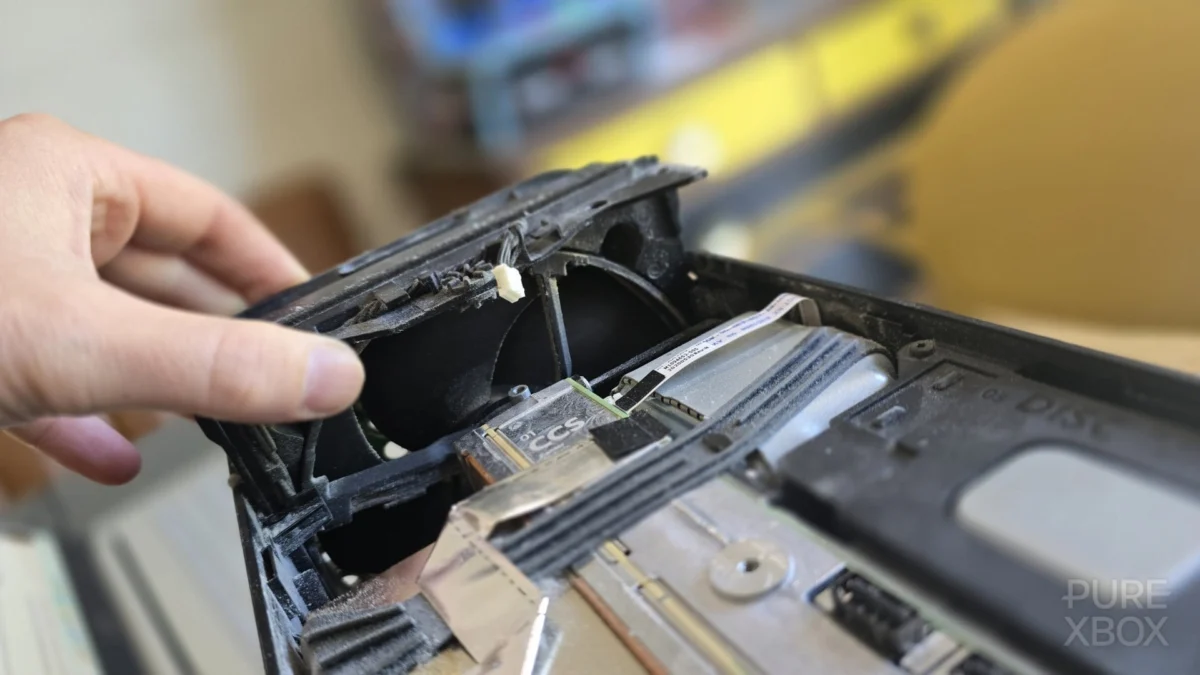
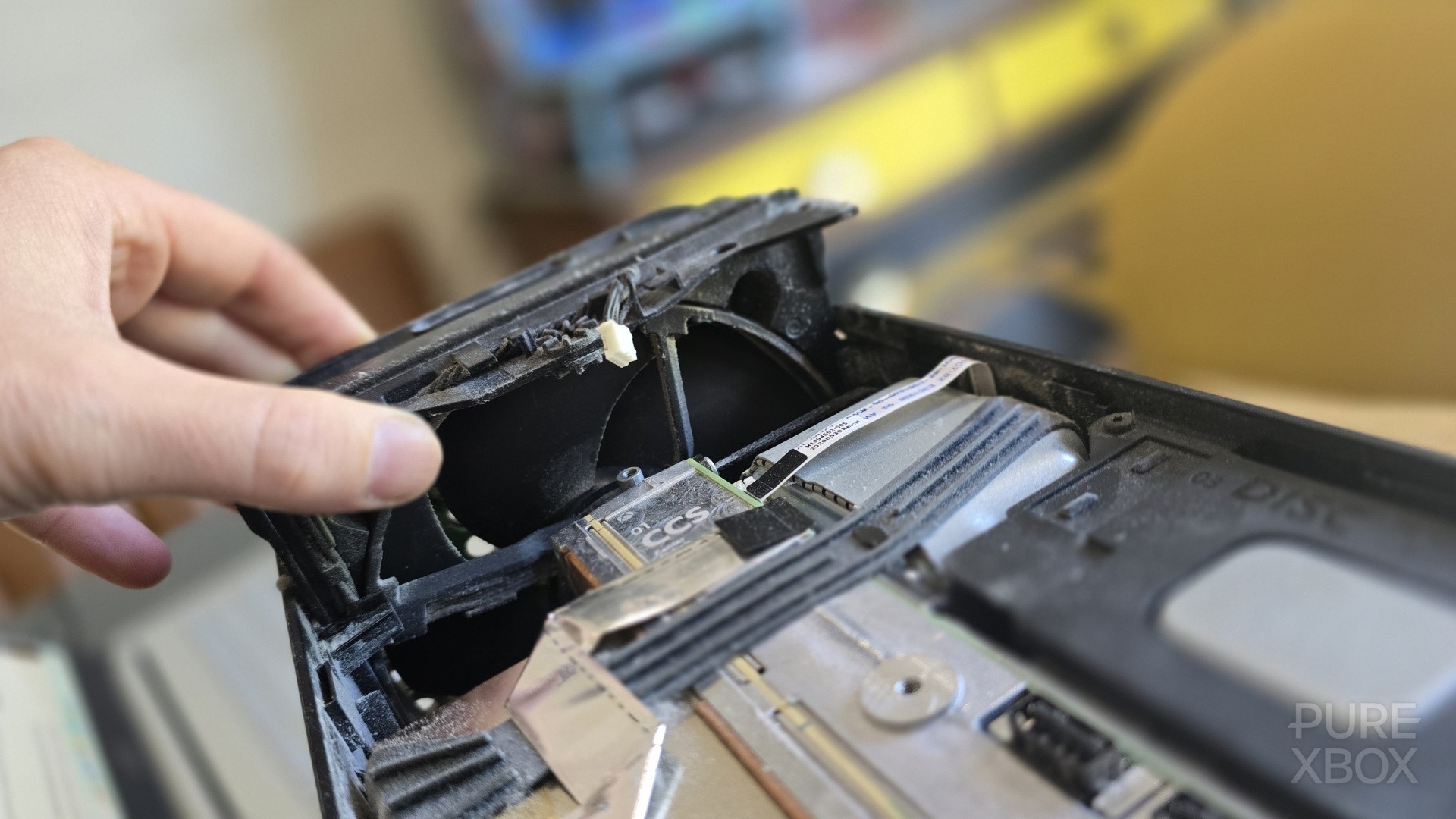
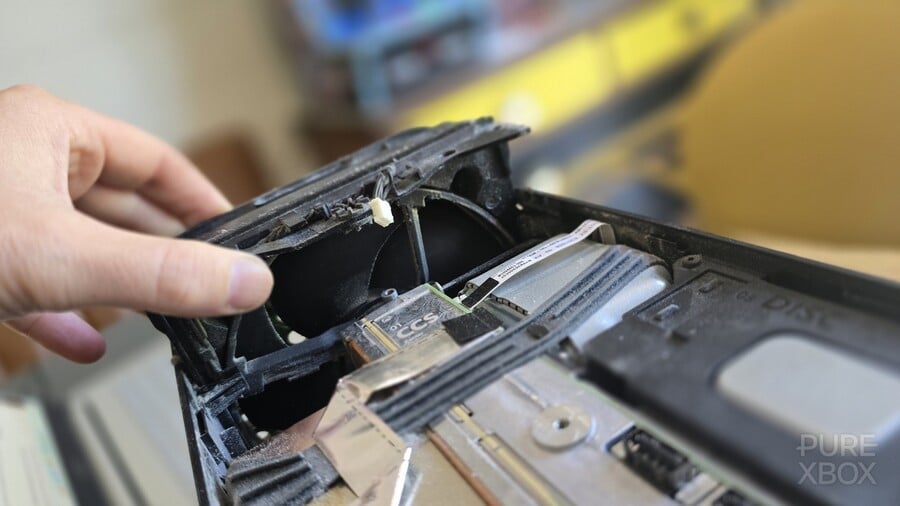
The primary culprit behind increased console noise is the ubiquitous presence of dust and environmental debris. Over months and years, microscopic particles of dust, pet dander, lint, and other airborne particulates are drawn into the console by its cooling fans. This accumulation progressively clogs the intricate fins of the heatsinks, forming an insulating layer that traps heat rather than dissipating it. Additionally, dust coats the fan blades themselves, adding mass and disrupting their aerodynamic efficiency, which can lead to increased vibration and noise.The impact of dust is twofold: reduced cooling efficiency means that the CPU and GPU begin to run at higher temperatures. In response, the console’s firmware, programmed with specific fan curves, automatically commands the fans to spin at higher revolutions per minute (RPM) to try and maintain target operating temperatures. This increased rotational speed directly translates to a louder, more noticeable fan noise, often characterized as a whirring, whining, or even roaring sound. Specific console designs, such as the top-facing exhaust vent of the Xbox Series X, while efficient for heat expulsion, can also act as collection points for falling dust and debris, exacerbating the issue over time.
-
Degradation of Components: Fans and Thermal Paste
Beyond external contamination, the internal components of the cooling system itself are subject to wear and degradation. Fan bearings, which allow the fan blades to rotate smoothly, rely on lubricants. Over extended periods of operation, these lubricants can dry out, thicken, or become contaminated, leading to increased friction. This friction can manifest as grinding, rattling, or whining noises, distinct from the sound of air movement. In severe cases, bearing failure can lead to complete fan malfunction.Equally critical is the thermal interface material (TIM), typically thermal paste, applied between the console’s main processing units (CPU, GPU) and their respective heatsinks. Over time and repeated thermal cycles (heating up and cooling down), this paste can dry out, crack, or lose its conductive properties. As the thermal paste degrades, its ability to efficiently transfer heat from the hot processor die to the heatsink diminishes significantly. This again forces the cooling fans to compensate by spinning faster and louder, as the heatsink struggles to pull heat away from the processor. While less common as a direct cause of noise, the aging of other electronic components, such as capacitors in the power delivery system, can also indirectly affect fan stability or contribute to subtle electronic hums.
-
Software and Environmental Influences
While less directly related to component degradation, software and environmental factors can also contribute to perceived or actual increases in console noise. Modern video games are increasingly demanding, pushing console hardware to its limits. Graphically intensive titles or those with complex physics simulations generate more heat, inherently requiring the cooling system to work harder. Consequently, a console might appear louder when running a new, demanding game compared to an older, less intensive title.Furthermore, system firmware updates can occasionally alter fan curves. While usually aimed at optimizing performance or addressing thermal issues, some updates might inadvertently lead to fans spinning at higher RPMs more frequently, resulting in a perceived increase in noise. Finally, the console’s operating environment plays a crucial role. Placing a console in an enclosed cabinet, near a heat source, or in a room with a consistently high ambient temperature will force the cooling system to work harder than in a well-ventilated, cooler environment. Obstructed vents, whether by furniture or other objects, severely impede airflow, leading to rapid heat buildup and loud fan operation.
Community Observations and Reported Trends
The collective experience of the gaming community provides invaluable insights into the real-world impact of these factors on console acoustics. Online forums, social media, and dedicated gaming news platforms frequently feature discussions where users share their observations and seek solutions.
-
From Whisper to Whine: Anecdotal Evidence
Across the spectrum of Xbox consoles, recurring themes emerge regarding noise levels. For the Xbox Series X, many users initially lauded its near-silent operation, even under load. However, after several years, reports have surfaced of units becoming significantly louder, with some describing the sound as akin to an aircraft "preparing for takeoff." This is particularly noted during sessions involving graphically intensive titles or those that heavily tax the console’s CPU and GPU, such as the demanding "Halo: Campaign Evolved" as cited in community reports. Users often pair these acoustic observations with reports of the console feeling noticeably warmer to the touch, indicating increased internal temperatures that trigger higher fan speeds.The Xbox One, despite its initial acoustic prowess, is also not immune. Older units, especially those that have seen extensive use, can develop a more pronounced fan hum or whine. While generally not reaching the "jet engine" levels of the Xbox 360, the increase in noise is often perceptible to long-term owners.
Unsurprisingly, the older generations, the Xbox 360 and the original Xbox, are almost universally reported to be the loudest. This is a confluence of their age-related component degradation and their original, less acoustically optimized cooling designs. Owners of these vintage consoles often describe a constant, noticeable whirring or grinding, a testament to decades of dust accumulation and mechanical wear. The distinction between initial design noise and age-related degradation is particularly stark with these systems.
-
The Call for Maintenance
The pervasive nature of these noise issues has led to a strong emphasis within gaming communities on proactive maintenance. Discussions on platforms like Pure Xbox forums, Reddit, and dedicated hardware enthusiast sites frequently revolve around the necessity of cleaning consoles. Users share tips, guides, and experiences related to dusting external vents with compressed air, and for the more technically inclined, disassembling the console to perform a thorough internal cleaning. This internal cleaning often involves carefully removing accumulated dust from heatsinks, cleaning fan blades, and, crucially, replacing the dried-out thermal paste on the CPU and GPU. Many community-driven "how-to" guides, some even provided by gaming news outlets themselves, advocate for these procedures as effective ways to restore a console’s thermal efficiency and reduce noise levels, highlighting a common, yet often overlooked, aspect of console ownership.
The Implications and Solutions
The gradual increase in console noise carries several implications for the user experience and hardware longevity. Fortunately, there are actionable steps users can take, and manufacturers continue to explore advancements in cooling technology.
-
Impact on User Experience
The most immediate impact of a noisy console is on the user experience. A constant whirring or grinding sound can significantly detract from immersion, particularly during quiet cinematic sequences or dialogue-heavy moments in games. The ambient noise created by a loud console can force players to increase game volume, potentially disturbing others in the household. Beyond the auditory distraction, a loud console can also create a perception of unreliability. Users may worry that the increased noise is a precursor to hardware failure, leading to anxiety about their investment. In shared living spaces, a noisy console can be a source of constant irritation, making it difficult for others to concentrate or relax. -
Proactive Maintenance and Best Practices
For console owners experiencing increased noise, several proactive maintenance steps can be taken to mitigate the issue:- Regular Cleaning: The simplest yet most effective measure is regular external cleaning. Using a can of compressed air to clear dust from vents and exhaust ports can prevent significant buildup. For those comfortable with it, a deeper internal clean, involving partial disassembly to access heatsinks and fan blades, can dramatically improve thermal performance.
- Thermal Paste Replacement: For users with advanced technical skills, replacing the thermal paste on the CPU and GPU can be a highly effective solution for older consoles. This restores the crucial thermal interface, allowing heat to transfer more efficiently.
- Optimal Placement: Ensuring the console is placed in a well-ventilated area is paramount. Avoid enclosed cabinets or placing the console directly against walls or other objects that could obstruct airflow. Ample space (several inches) around all vents is recommended.
- Environmental Control: Maintaining a cooler ambient room temperature can reduce the workload on the console’s cooling system.
- Software Solutions: While less impactful than physical maintenance, ensuring the console’s firmware is up to date can sometimes offer minor optimizations to fan curves, though this is typically not a primary solution for age-related noise.
-
Manufacturer’s Perspective and Future Design
Console manufacturers, including Microsoft, are acutely aware of the challenges associated with balancing performance, cost, size, and acoustics. While they strive for silent operation at launch, the long-term acoustic degradation due to environmental factors and component aging is an acknowledged reality in consumer electronics. Manufacturers often design consoles with some degree of tolerance for dust ingress, but continuous heavy usage in dusty environments will inevitably test these limits.Looking ahead, the industry is likely to continue investing in advanced cooling technologies. Innovations such as more efficient fan designs, larger heatsinks, and even experimental liquid cooling solutions could become more prevalent in future generations. Furthermore, AI-driven fan curves, which can dynamically adjust fan speeds based on real-time thermal data and even predict heat loads, might offer more nuanced and acoustically optimized cooling. The debate around user-serviceability also persists; while manufacturers generally discourage user disassembly due to warranty concerns and the risk of damage, easier access to clean critical components could become a feature considered in future designs, driven by consumer demand for hardware longevity.
In conclusion, the journey of a gaming console’s acoustic profile from its initial whisper-quiet launch to a more audible operational state years later is a complex interplay of sophisticated engineering, the unforgiving laws of physics, and the environmental conditions of its use. While modern Xbox consoles represent significant strides in achieving quiet, powerful gaming experiences, time and the inevitable accumulation of dust and component wear ultimately take their toll. The ongoing dialogue within the vast global gaming community, characterized by shared experiences and a collective drive for maintenance solutions, underscores the critical importance of both thoughtful hardware design and diligent user care in preserving the serene, immersive gaming experience that players cherish. As gaming hardware continues to evolve, the challenge of maintaining acoustic excellence throughout a console’s lifespan will remain a pivotal area of innovation and consumer expectation.