


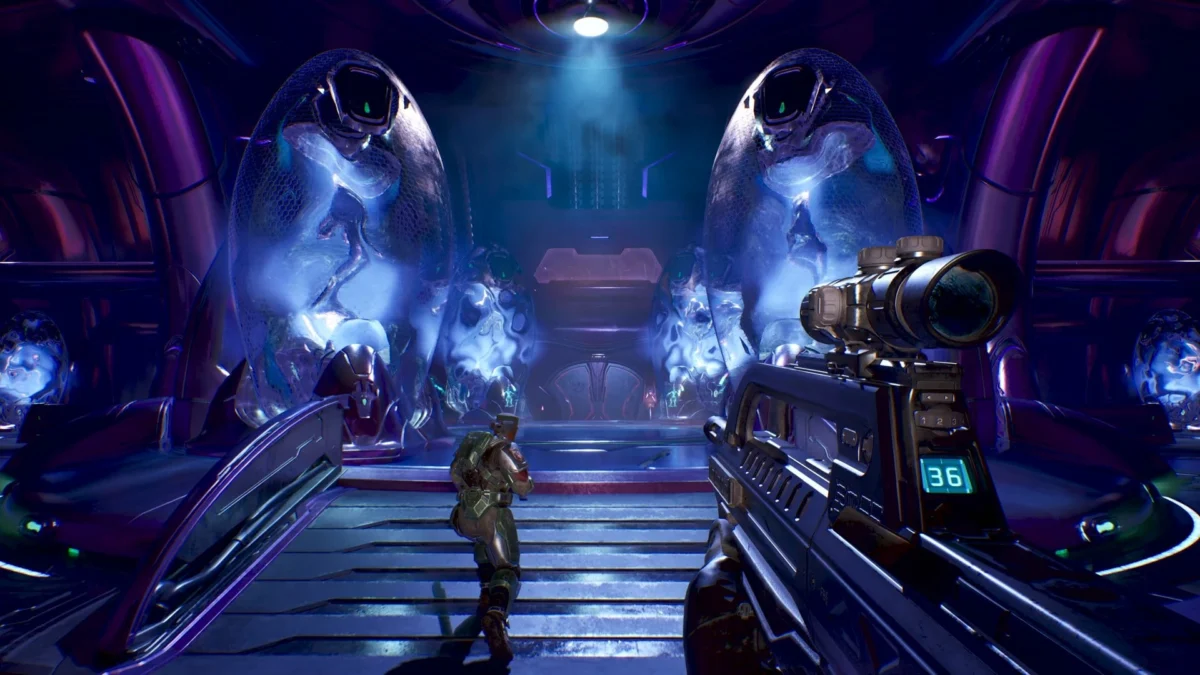
The upcoming release window of July 20 through July 24 marks a significant period for the Xbox ecosystem, characterized by the return of a flagship franchise and the continued expansion of the Xbox Game Pass library. The centerpiece of this week’s software rollout is the launch of Halo: Campaign Evolved, a title that represents both a nostalgic return to the series’ roots and a modern technical showcase for the Xbox Series X|S hardware. Alongside this major first-party release, Microsoft is set to bolster its subscription service with at least three confirmed titles, including the atmospheric Shift at Midnight and the terraforming survival simulator Planet Crafter. This period reflects Microsoft’s broader strategy of balancing legacy intellectual properties with diverse indie offerings to maintain engagement across its multi-tiered service model.
The Strategic Significance of Halo: Campaign Evolved
The launch of Halo: Campaign Evolved on July 23 for Premium Edition and Premium Upgrade owners highlights a growing trend in the gaming industry: the tiered release schedule. By offering early access to those who purchase higher-value versions of the game, Microsoft is effectively leveraging its most prominent brand to drive high-margin digital sales. Halo: Campaign Evolved is not merely a standard sequel or a simple remaster; it is positioned as a foundational reimagining of the franchise’s core narrative and gameplay loops, optimized for contemporary hardware standards.
For the Xbox Series X, this title serves as a technical benchmark, utilizing the Velocity Architecture to eliminate loading times between sprawling outdoor environments and tight interior corridors—a hallmark of the original Halo experience. Industry analysts suggest that the success of this release is critical for Halo Studios (formerly 343 Industries) as it seeks to stabilize the franchise’s reputation following the mixed long-term reception of Halo Infinite’s live-service components. The "Campaign Evolved" moniker suggests a focus on single-player and cooperative storytelling, moving away from the "infinite" platform model toward a more curated, prestige gaming experience.
Tiered Access and Economic Implications
The July 23 "Early Access" date is specifically reserved for consumers who have invested in the Premium Edition or the Premium Upgrade. This business model has become a staple for Microsoft’s first-party launches, seen previously with titles such as Forza Motorsport and Starfield. The Premium Upgrade is particularly notable as it allows Xbox Game Pass subscribers to pay a fixed fee (typically ranging from $30 to $35) to unlock early access and additional downloadable content (DLC) without purchasing the full game.
This strategy serves two purposes: it provides an immediate influx of revenue from a subscription-based audience and it creates a "social media event" several days before the general release. Data from previous launches indicates that the first 72 hours of a major title’s release are the most critical for viewership on platforms like Twitch and YouTube. By staggering the release, Microsoft ensures that the most dedicated segment of the fanbase is the first to generate content, effectively serving as a marketing force for the general launch that follows.
Expansion of the Xbox Game Pass Portfolio
While Halo captures the headlines, the inclusion of Shift at Midnight and Planet Crafter in the Game Pass library ensures that the service continues to provide value across different genres. Xbox Game Pass remains the cornerstone of Microsoft’s gaming division, and the mid-month additions are a key component of its "Wave 2" announcement cycle.
Planet Crafter arrives on the platform following a successful stint in Early Access on PC. The game, which tasks players with terraforming a hostile alien planet into a habitable ecosystem, fits into the popular survival-crafting genre. Given the success of titles like Palworld and Grounded on the service, Microsoft is clearly doubling down on games that encourage long-term play sessions and community-driven guides. Planet Crafter’s progression system—where players see the atmosphere, temperature, and pressure of the world change in real-time—provides a satisfying gameplay loop that aligns well with the "discovery" aspect of Game Pass.
Shift at Midnight, conversely, caters to the audience seeking a narrative-driven, atmospheric experience. As an indie title, its inclusion in Game Pass provides it with a level of visibility that would be difficult to achieve in a crowded retail market. Microsoft’s data has frequently shown that indie games on Game Pass see a significant "multiplier effect," where players who would not otherwise purchase the game end up trying it due to the low barrier to entry, often leading to positive word-of-mouth and increased sales on other platforms or through DLC.
Chronology of Releases: July 20-24
The release schedule for the week is structured to maintain momentum from the weekend through the mid-week period. While the specific daily breakdown for all indie titles is subject to minor adjustments, the primary milestones are as follows:
- July 20-21: The weekend serves as a quiet period for new releases, allowing the previous week’s titles to settle while the marketing push for the upcoming "Halo" early access begins in earnest.
- July 22: This date is traditionally when Microsoft announces the full "Wave 2" lineup for Game Pass. While Shift at Midnight and Planet Crafter are confirmed, industry insiders expect at least one or two "shadow drops" or surprise announcements to coincide with the Halo hype.
- July 23: Early access begins for Halo: Campaign Evolved (Premium owners). This is the high-traffic day for the Xbox Store and the Xbox network infrastructure.
- July 24: Integration of new Game Pass titles across Cloud, Console, and PC. This date also marks the first full day of community feedback for the new Halo content.
Technical and Infrastructure Preparedness
With a release as large as a new Halo title, server stability and download infrastructure are under intense scrutiny. Microsoft’s Azure cloud technology plays a vital role here, not only in hosting the multiplayer components but also in facilitating the "Smart Delivery" system. This system ensures that players receive the version of the game best suited for their specific hardware, whether it be the high-performance Series X or the more accessible Series S.
Furthermore, the inclusion of these titles in Xbox Cloud Gaming (Beta) is a critical part of Microsoft’s "Gaming for Everyone" initiative. By allowing subscribers to stream Halo: Campaign Evolved and Planet Crafter to mobile devices, browsers, and smart TVs, Microsoft is bypassing the traditional hardware bottleneck. For Planet Crafter, a game that involves complex physics calculations for its terraforming mechanics, the ability to play via the cloud offers a consistent experience for users without high-end local hardware.
Official Responses and Market Context
While Microsoft has not released specific internal sales targets for the July 20-24 window, the company’s recent quarterly earnings calls have emphasized "content and services revenue" as a primary metric for success. Phil Spencer, CEO of Microsoft Gaming, has previously stated that the goal is to reach players on "every screen possible," and this week’s lineup is a direct manifestation of that philosophy.
Competitively, this July window is relatively clear of major releases from Sony or Nintendo, providing Xbox with a strategic opening to dominate the gaming conversation. The "Summer Slump" is a traditional period of lower software sales, but by positioning a flagship title like Halo in July, Microsoft is attempting to create a year-round release calendar that minimizes seasonal fluctuations.
Broader Impact on the Gaming Industry
The events of July 20-24 underscore several broader shifts in the interactive entertainment industry. First, the move toward "Premium Upgrades" for early access is likely to become an industry standard for AAA publishers. It successfully bridges the gap between the "all-you-can-eat" subscription model and the traditional $70 retail model.
Second, the continued strength of the survival and terraforming genres (as seen with Planet Crafter) indicates a shift in player preference toward "systems-driven" games. These titles offer high replayability and "emergent gameplay," which are highly compatible with subscription services that reward long-term engagement.
Finally, the return of Halo in a "Campaign Evolved" format suggests a pivot back toward high-quality, narrative-focused single-player content. After years of the industry focusing heavily on "Games as a Service" (GaaS), there appears to be a resurgence of interest in finite, polished experiences that respect the player’s time while pushing the boundaries of cinematic storytelling in games.
As the week of July 20 unfolds, the performance of these titles will be closely watched by investors and fans alike. Whether Halo: Campaign Evolved can recapture the cultural zeitgeist and whether the new Game Pass additions can sustain the service’s growth will be the primary metrics by which this release window is judged. For now, Xbox owners have a diverse and substantial lineup of software to look forward to, marking one of the busiest mid-summer periods in recent memory.