


The prevailing scientific consensus regarding the extinction of non-avian dinosaurs approximately 66 million years ago centers on a catastrophic asteroid impact. This celestial event, theorized to have unleashed global devastation through widespread natural disasters, fundamentally reshaped Earth’s biosphere. However, a novel conceptualization emerging from the gaming world challenges this established narrative, introducing a fantastical prehistory where colossal reptiles wielded immense greatswords, engaging in battles that transcended mere survival. This imaginative premise forms the foundation of Jean Nguyen’s upcoming title, Dinoblade, a game poised to redefine expectations within the dinosaur-themed gaming landscape.
The very notion of dinosaurs wielding sophisticated weaponry naturally elicits a cascade of intriguing questions. The origin of these formidable greatswords, the existence of specialized dinosaur blacksmiths, and the potential for rudimentary forms of dinosaurian religion are elements that resonate with humanity’s perennial quest for understanding our existence, our place within the cosmos, and the underlying meaning of it all. Dinoblade purports to offer answers, or at least a compelling narrative framework, for these profound inquiries within its unique gameplay experience.
A Genre-Bending Revelation: The Arrival of a Dinosaur Soulslike
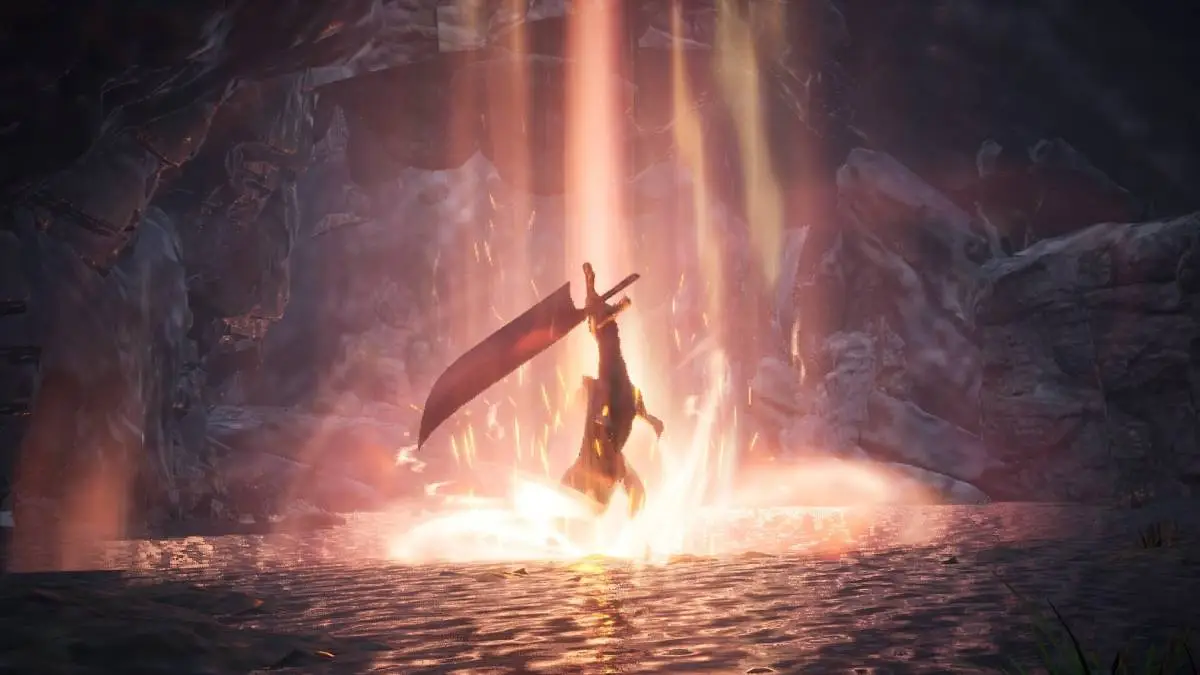
The gaming industry, ever in pursuit of innovative concepts, has seen a surge of interest in dinosaur-themed titles, with anticipation building for games like The Lost Wild and the potential announcement of a Jurassic Park: Survival installment, alongside fervent hopes for a Dino Crisis remake by Capcom. Amidst this landscape, the emergence of Dinoblade presents a startling and captivating departure. The game’s premise of sword-wielding dinosaurs, locked in fierce combat for dominance and the collection of fallen adversaries’ souls, has generated significant intrigue. Early trailers showcase a young Spinosaurus protagonist performing extraordinary feats, including parrying a meteor – a visual metaphor that powerfully underscores the high-stakes, almost mythological nature of the game’s world. This dramatic depiction immediately positions Dinoblade as a title that transcends conventional genre boundaries.
The immediate draw of such a unique concept led to an exploration of the game’s playable demo, providing a firsthand glimpse into its mechanics and thematic execution. The sheer audacity of pitting dinosaurs against each other with medieval weaponry, combined with the established framework of the soulslike genre, creates an inherently compelling proposition.
Echoes of a Master: Dinoblade‘s Debt to FromSoftware
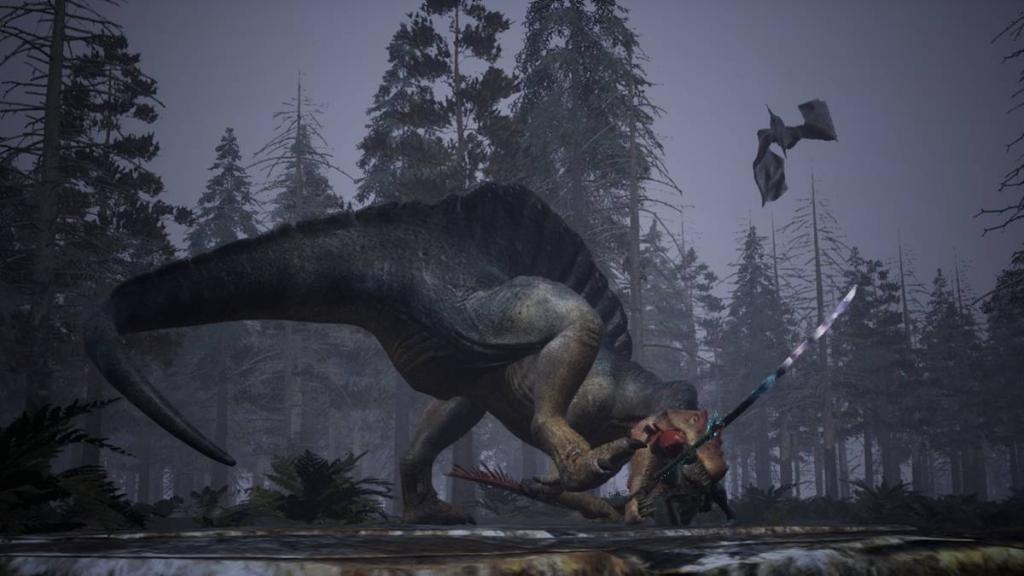
It is readily apparent that Dinoblade draws substantial inspiration from the seminal works of FromSoftware, the acclaimed developer behind the Souls series. The core gameplay loop, as observed in early demonstrations and player feedback from the demo, mirrors the tried-and-true soulslike formula. Combat mechanics feature a system of light and heavy attacks, enabling the execution of intricate combos. A particularly innovative mechanic involves the summoning of defeated boss souls, effectively creating a "dinosaur tag team" for strategic advantage. Players are tasked with mastering the art of evasion, including jumping, dodging, and parrying, while diligently learning the attack patterns of formidable enemies to overcome them.
This adherence to the "classic soulslike recipe for success" extends to other key elements. Upon completing the game, players can anticipate access to a Boss Rush mode, a common feature in challenging action games that allows for repeated encounters with the game’s most difficult adversaries. Furthermore, Dinoblade is slated to feature multiple endings, suggesting that player choices will have a tangible impact on the narrative’s conclusion, potentially allowing players to either rewrite prehistoric history or preserve its established course.
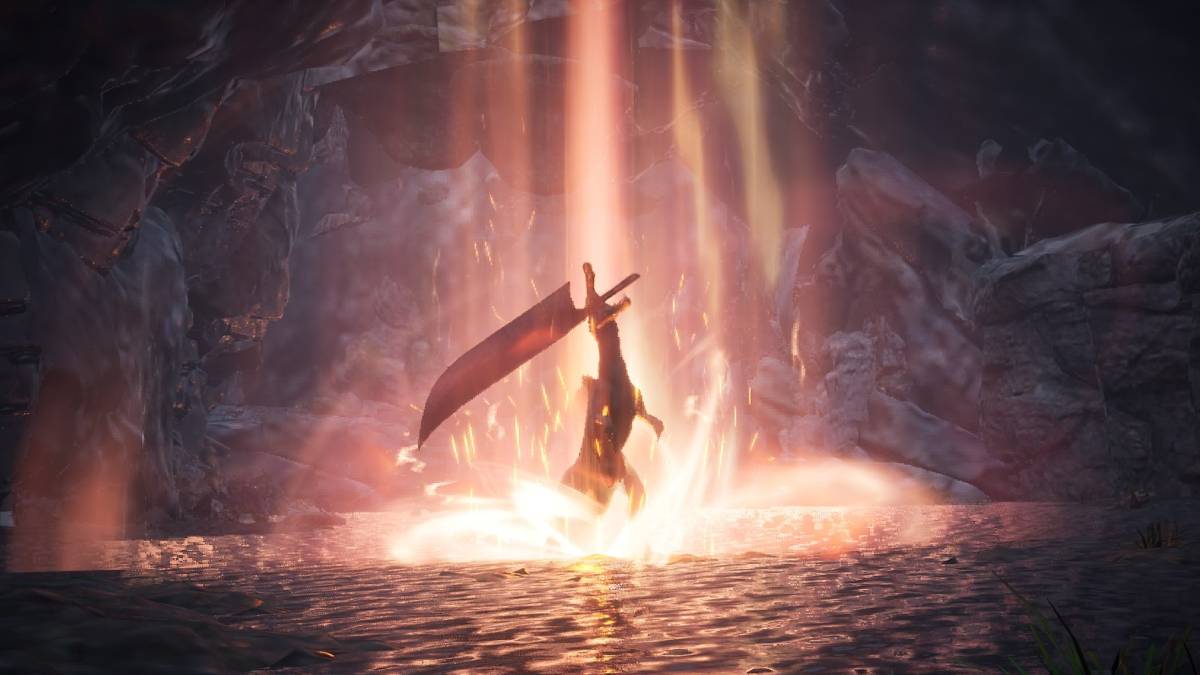
The parallels to FromSoftware’s titles are not confined to combat. The game’s world design incorporates elements analogous to the iconic bonfires, serving as checkpoints crafted from rock formations, where players can recuperate and manage their collected "souls." These souls, acquired from vanquished foes, function as the primary currency for character progression, enabling players to enhance their dinosaur’s attributes and abilities.
Visually, Dinoblade aims to capture the atmospheric essence of a soulslike experience. An expansive open world beckons exploration, populated by various enemy types and lorded over by formidable "alphas" that dominate distinct biomes. Complementing this visual presentation is an energetic soundtrack designed to heighten the intensity of gameplay. However, it is important to acknowledge that the current iteration, as represented by the demo, presents a world that is described as "barebones" and "a little rough around the edges." This assessment is tempered by the understanding that the demo has garnered exceptionally positive reception on Steam, with players lauding its potential. It is highly probable that the full release will feature a significantly more fleshed-out and polished world.
Despite these nascent imperfections, the inherent premise of Dinoblade suggests an exceptionally enjoyable experience. The game is not striving to compete directly within an already saturated market of serious soulslike titles. Instead, its unique selling proposition—dinosaurs wielding colossal swords and executing complex combos with the finesse of a seasoned fighter—promises a "wild, earth-shattering ride" that prioritizes fun and imaginative spectacle.
The Genesis of a Gigantic Idea: From Animation to Interactive Adventure
The conceptualization of Dinoblade traces its origins back to June 2022, when creator Jean Nguyen began animating dinosaurs wielding swords as a personal creative endeavor. Initially titled "DinoSword," these animations were shared on YouTube, where they unexpectedly garnered a significant and enthusiastic following. The appeal of prehistoric creatures engaged in such an unusual and dynamic conflict resonated with a broad audience, fostering a community of support across platforms like YouTube and Patreon.
The overwhelming positive reception and demand for more of this unique concept prompted Nguyen to consider a more ambitious undertaking. By September 2023, the decision was made to transition the animated project into a fully-fledged video game. This pivot marked a significant expansion of Nguyen’s initial vision, transforming a hobbyist passion project into a commercial endeavor. The culmination of this three-year journey is Dinoblade, now poised for release and representing the debut title of the newly formed development studio, Team Spino LLC.
The game’s development trajectory highlights a growing trend in independent game creation, where community engagement and viral content can directly influence the direction and realization of ambitious projects. The successful crowdfunding and sustained interest demonstrated through platforms like Patreon indicate a strong market appetite for Dinoblade‘s distinct blend of prehistoric might and medieval combat.
A Prehistoric Legacy: Implications and Future Prospects
The impending release of Dinoblade on July 23rd via Steam carries several significant implications for the gaming industry and the broader cultural fascination with dinosaurs. Firstly, it demonstrates the continued viability of niche concepts and the power of unconventional ideas to capture player imagination. In an era often dominated by sequels and established franchises, Dinoblade‘s bold originality stands out.
Secondly, the game’s success could pave the way for further exploration of unique genre fusions. The combination of dinosaur themes with the challenging and rewarding mechanics of the soulslike genre has proven to be a compelling mix, and its reception may encourage other developers to experiment with similar cross-genre approaches.
The narrative potential of Dinoblade also offers an intriguing avenue for reinterpreting prehistoric history. While grounded in the scientific understanding of dinosaur extinction, the game introduces a speculative layer of complex social structures, weaponry, and potential existential struggles. This fictionalized history, while purely for entertainment, can spark broader discussions about what-ifs and the nature of storytelling in interactive media.
The game’s developers have stated their intention to allow players to "fight for dinos’ rights and show that asteroid who’s boss," a tagline that encapsulates the game’s empowering and somewhat defiant spirit. This narrative framing suggests a story that is not merely about combat but also about agency and challenging overwhelming forces, themes that resonate deeply with human experience.
The success of Dinoblade will be closely watched by both players and industry observers. If the game delivers on the promise shown in its demo and trailers, it could become a significant cult hit, solidifying Jean Nguyen and Team Spino LLC as notable new entrants in the gaming development scene. The game’s ability to balance its ambitious premise with polished gameplay mechanics will be crucial in determining its long-term impact.
The development of Dinoblade can be viewed as a case study in modern game creation, showcasing how a passion project, nurtured through online communities and refined through dedicated development, can evolve into a highly anticipated commercial release. The journey from animated shorts to a full-fledged soulslike game is a testament to the creativity and persistence of its developer and the enthusiastic support of its growing fanbase. As July 23rd approaches, the gaming world eagerly awaits the opportunity to wield greatswords as prehistoric titans and forge their own legendary sagas in the world of Dinoblade.