


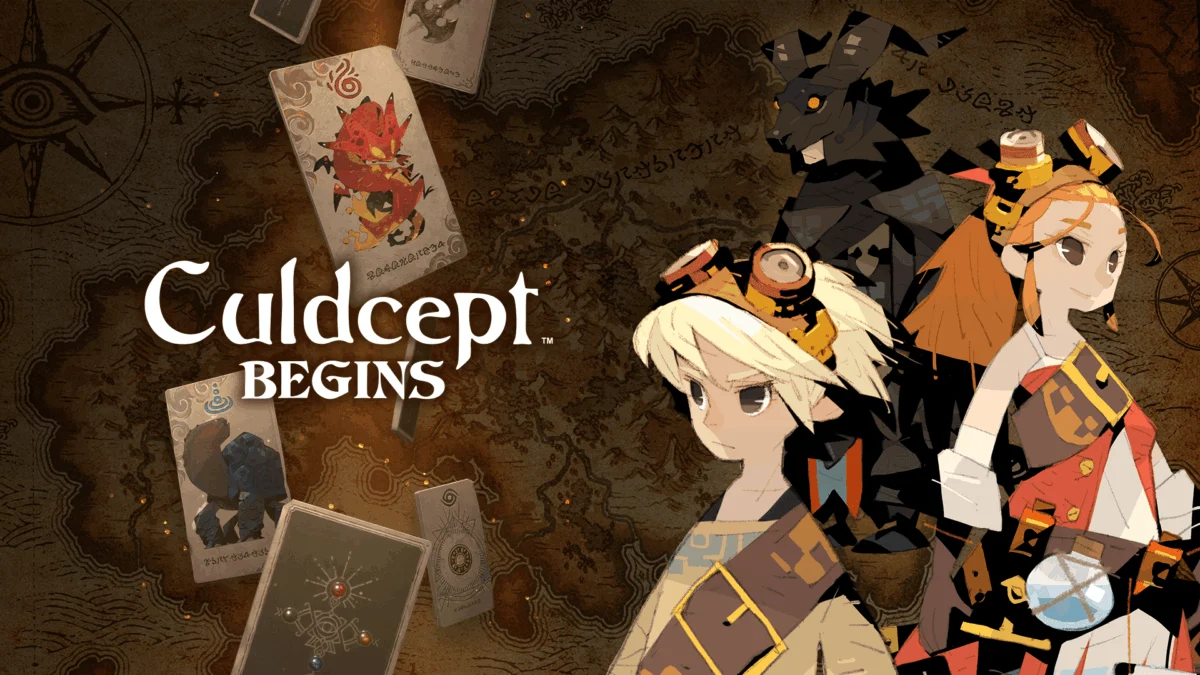
The digital tabletop landscape has seen a significant resurgence with the release of Culdcept BEGINS, the latest entry in the long-standing Culdcept franchise developed by Neos Corporation. This title represents a sophisticated fusion of traditional board game mechanics, collectible card game (CCG) strategy, and territory control. While the series has historically maintained a cult following since its inception on the Sega Saturn in the late 1990s, Culdcept BEGINS aims to modernize the formula for a new generation of players on the Nintendo Switch 2. The game arrives as part of a broader initiative to bring classic intellectual properties into the contemporary era, blending nostalgia with refined technical performance.
Historical Context and Franchise Evolution
To understand the significance of Culdcept BEGINS, one must look at the chronology of the series, which was originally conceived by Omiya Soft. The first Culdcept title debuted on the Sega Saturn in 1997, quickly gaining a reputation for its "Monopoly meets Magic: The Gathering" gameplay loop. Over the subsequent decades, the franchise saw various iterations on the PlayStation, Dreamcast, Xbox 360, and Nintendo 3DS. Each entry refined the balance between the randomness of dice rolls and the tactical depth of deck building.
Neos Corporation’s involvement in this latest iteration follows the trend of "S2-Tribute" releases—modern ports and reimagined classics that pay homage to the 32-bit era. The development of Culdcept BEGINS was preceded by several months of strategic marketing that emphasized the game’s roots in Western mythology and its unique position as a high-stakes strategy title. By leveraging the updated hardware of the Nintendo Switch 2, the developers have sought to maintain the classic aesthetic while introducing smoother UI transitions and more complex AI behaviors.

Core Gameplay Mechanics and Objective Structure
Culdcept BEGINS operates on a turn-based system where players assume the role of a "Cepter," a powerful being capable of summoning creatures known as "Culds." The primary objective is centered on "Magic," the game’s primary resource and scoring metric. Unlike traditional board games where the goal might be to bankrupt opponents or reach a finish line, Culdcept requires players to accumulate a specific threshold of Total Magic and return to the starting gate to claim victory.
The accumulation of Magic is achieved through three primary avenues:
- Laps: Completing a full circuit of the board provides a significant Magic bonus, encouraging constant movement.
- Territory Control: Summoning Culds to occupy vacant tiles allows players to claim land.
- Tolls: When an opposing player lands on a tile occupied by a Culd, they must either pay a Magic toll to the owner or attempt to defeat the occupying creature in battle.
This structure creates a dynamic economy where "Current Magic" (liquid currency used for summoning and leveling) must be balanced against "Total Magic" (the sum of liquid currency and the value of owned territories).
The Strategic Depth of Card Battles and Elemental Terrain
The CCG element of Culdcept BEGINS is where the game distinguishes itself from standard digital board games. Players enter each match with a pre-constructed deck of 50 cards, consisting of creatures, items, and spells. The creatures, or Culds, are heavily inspired by Western mythological figures and are categorized by elemental affinities: Fire, Water, Earth, and Air.

The interaction between these elements and the board’s terrain is a critical factor in defensive strategy. A creature placed on a tile matching its element receives a significant defensive bonus, making it harder for opponents to dislodge them. However, the game introduces a layer of complexity through "Item Cards." During a battle, both the attacker and the defender can play one item card—such as weapons, armor, or magical scrolls—to modify their stats. This allows for strategic upsets where a physically weaker creature can overcome a powerful guardian through the clever use of equipment.
The game also features a territory development system. Players can spend Magic to level up their owned tiles, which exponentially increases the toll value. A level-five tile can potentially drain an opponent’s entire Magic reserve in a single turn. This high-risk, high-reward mechanic mirrors the intensity of games like Monopoly but replaces the static nature of property ownership with a fluid combat system. If an attacker successfully defeats a creature on a leveled-up tile, they seize control of that land, inheriting the increased value and potentially swinging the game’s momentum instantly.
Narrative Campaign and Single-Player Progression
Culdcept BEGINS features a robust single-player campaign designed to serve as both a narrative journey and a comprehensive tutorial. The story follows a young Cepter named Kamru, accompanied by his companions Ishara and Tarhunt. The trio navigates the challenges of a Cepter Academy, a setting that allows the game to introduce mechanics gradually.
As players progress through the campaign, they encounter diverse opponents with specialized decks, forcing them to adapt their strategies. Success in these matches rewards players with in-game gold, which can be spent in the virtual "Shoppe" to purchase new card packs. This progression system ensures that players are constantly expanding their library of Culds and spells, allowing for more sophisticated deck archetypes—ranging from aggressive "rush" decks focused on taking land to defensive "stall" decks designed to survive high-toll encounters.

Multiplayer Infrastructure and Technical Limitations
A critical component of any digital board game is its multiplayer functionality. Culdcept BEGINS offers both online and offline modes, though the implementation of these features has drawn scrutiny from the gaming community. The game supports full online matchmaking, requiring a Nintendo Switch Online subscription. For players seeking a more localized experience, the title utilizes the "GameShare" feature of the Nintendo Switch 2.
However, a notable omission in Culdcept BEGINS is the lack of traditional local cooperative or "couch co-op" play on a single console. This design choice departs from the conventions of the board game genre, where multiple players typically share a single screen and pass the controller. Neos Corporation has opted for a model where each player requires their own hardware, or must rely on the limited GameShare functionality which restricts the available maps and card selections.
Industry analysts suggest this move may be a technical limitation stemming from the game’s "hidden hand" mechanic. Since card games rely on players keeping their hands secret from opponents, implementing a single-screen local multiplayer mode would require significant UI workarounds (such as mobile device integration or split-screen prompts) that were apparently not prioritized during development.
Market Analysis and Broader Implications
The release of Culdcept BEGINS in 2026 signifies a broader trend in the gaming industry toward "mid-tier" strategy titles that prioritize mechanical depth over high-fidelity graphical spectacle. By focusing on a niche but dedicated audience, Neos Corporation has managed to revitalize a franchise that many feared had become stagnant.

The game’s balance has been praised by early adopters for its ability to remain accessible to newcomers while offering a high skill ceiling for veterans. The "tool-tip" system, which provides contextual advice on how to use specific Culds, mitigates the steep learning curve often associated with CCGs. Furthermore, the inclusion of a bored-sounding narrator for creature names has been noted as a stylistic choice that adds a layer of retro charm, reminiscent of the 32-bit era’s experimental presentation styles.
From an economic perspective, the game’s reliance on in-game currency for card acquisition—rather than aggressive microtransactions—has been received positively. In an era where many CCGs are criticized for "pay-to-win" mechanics, Culdcept BEGINS maintains a competitive environment where strategic deck building and board positioning are the primary determinants of success.
Conclusion: A Balanced Return to Form
Culdcept BEGINS successfully bridges the gap between the unpredictability of board games and the calculated strategy of card games. While the absence of local single-console multiplayer remains a point of contention for fans of the genre, the game’s deep mechanical systems, engaging campaign, and faithful adherence to the series’ roots make it a significant entry in the Nintendo Switch 2 library. As the digital tabletop market continues to evolve, Culdcept BEGINS stands as a testament to the enduring appeal of the hybrid strategy genre, offering a complex, rewarding experience that rewards patience and tactical foresight.