


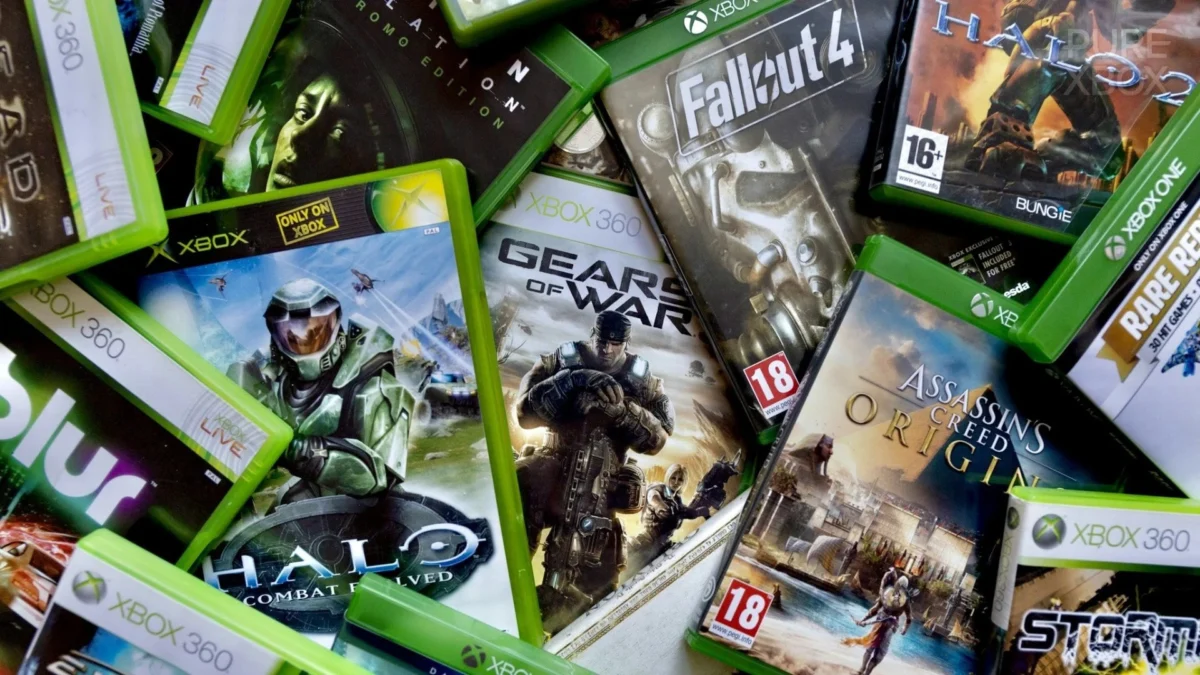
The global gaming industry is currently navigating a pivotal transition as the traditional model of physical media distribution faces an uncertain future. This shift was underscored by recent reports indicating that Sony Interactive Entertainment may cease disc-based releases for its PlayStation hardware as early as January 2028. This potential move by a primary competitor has intensified scrutiny on Microsoft’s Xbox division and its strategy for the upcoming hardware cycle, currently referred to under the internal codename Project Helix. As the industry moves toward an all-digital ecosystem, the legacy of physical game collecting—particularly within the Xbox lineage—remains a significant point of discussion for consumers, retailers, and preservationists alike.
The Evolution of Physical Media Across Xbox Generations
The history of the Xbox brand is inextricably linked to the evolution of physical storage media. When the original Xbox launched in 2001, it utilized the DVD-ROM format, providing a significant leap in capacity over the CD-ROMs used by earlier competitors. During this era, the physical disc was the definitive version of the software; the game operated directly from the optical drive, supplemented by the console’s groundbreaking internal hard drive for save data and limited downloadable content.
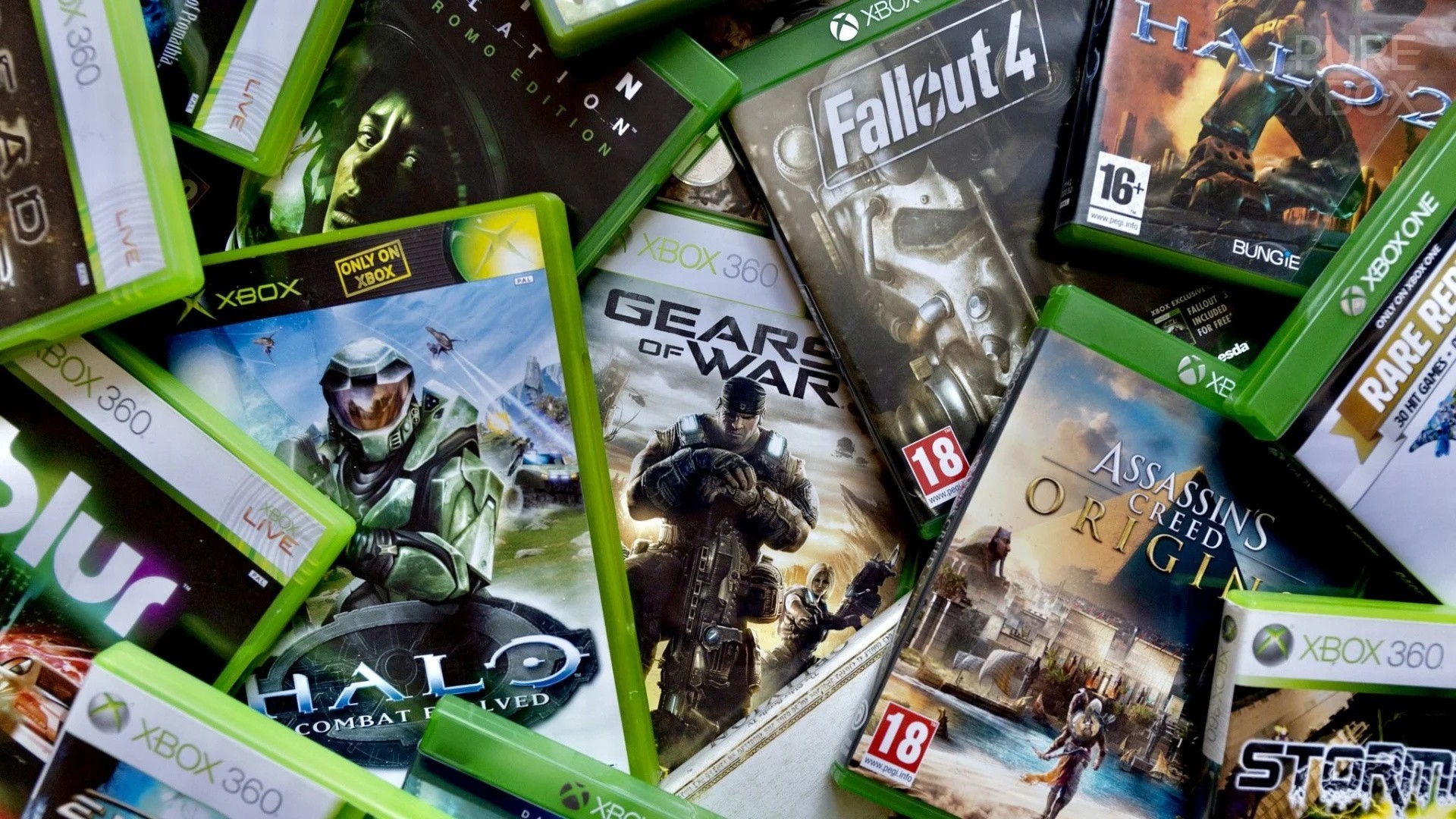
The Xbox 360 era, beginning in 2005, represented the zenith of physical game collecting for many enthusiasts. Despite the eventual introduction of the Xbox Live Marketplace and "Games on Demand," the vast majority of the console’s 84-million-unit install base relied on physical discs. The Xbox 360 library remains one of the most robust for collectors due to the "plug-and-play" nature of its software. Unlike modern titles, most Xbox 360 games were contained entirely on the disc, requiring no mandatory internet connection or massive day-one patches to function. This autonomy from digital servers has positioned the Xbox 360 as a primary target for retro gaming enthusiasts who prioritize long-term software preservation.
The Paradigm Shift: From Xbox One to Series X|S
The launch of the Xbox One in 2013 marked a fundamental shift in how physical media functioned. Microsoft’s initial vision for the console included a heavy emphasis on digital rights management (DRM) and mandatory online check-ins, even for physical discs. While the company eventually reversed these policies following significant consumer backlash, the technical role of the disc had changed permanently.
Starting with the Xbox One generation, games were no longer played directly from the optical drive. Instead, the disc served as a license key and an installation medium, transferring data to the console’s hard drive to match the read speeds required for modern gameplay. This trend accelerated with the Xbox Series X and Series S. The Series S, notably, launched as a digital-only console, signaling Microsoft’s intent to test a disc-free future. On the Series X, the increasing size of modern titles—often exceeding 100GB—frequently surpasses the 66GB or 100GB capacity of Triple-Layer Blu-ray discs. Consequently, many physical releases now require substantial digital downloads to be playable, diminishing the perceived value of the physical disc as a standalone product.
Market Trends and the Decline of Physical Sales
Data from market research firms such as Circana (formerly NPD Group) and GSD (Games Sales Data) highlight a clear trajectory toward digital dominance. In 2023, industry reports indicated that digital sales accounted for approximately 80% to 90% of total software units sold for major AAA releases on consoles. This trend is driven by the convenience of instant access, the rise of subscription services like Xbox Game Pass, and the increasing frequency of digital-only storefront sales.
The retail landscape has reacted accordingly. Major North American retailers, including Best Buy, announced plans to phase out physical media sales, including Blu-rays and video games, in 2024. In Europe, several large retailers have reportedly reduced shelf space for physical Xbox games, citing lower turnover compared to PlayStation and Nintendo Switch physical titles. This reduction in retail presence creates a feedback loop: as discs become harder to find in physical stores, consumers are further incentivized to migrate to digital storefronts.
Project Helix and the "Disc-to-Digital" Initiative
As rumors circulate regarding Sony’s 2028 timeline, attention has turned to Microsoft’s "Project Helix." While official details remain scarce, leaked internal documents and patent filings suggest that Microsoft is exploring a "disc-to-digital" program. This initiative would theoretically allow users to verify ownership of a physical disc—perhaps through a peripheral drive or a retail verification system—and receive a digital license for the game in return.
Such a program would serve as a bridge for the millions of users who currently own extensive physical libraries. It would also allow Microsoft to transition to a fully digital hardware lineup without completely alienating its most loyal long-term customers. Analysts suggest that the success of the Xbox Series S, which reportedly accounts for a significant portion of the current generation’s install base, has provided Microsoft with the data necessary to justify a digital-only future for its next flagship console.
The Preservation Crisis and Consumer Sentiment
The move toward an all-digital future has sparked intense debate regarding consumer ownership and software preservation. Unlike physical discs, digital licenses are typically granted as a "right to use" rather than true ownership. If a digital storefront closes—as was the case with the Xbox 360 Store in July 2024—users may eventually lose the ability to re-download their purchases.
For many collectors, the Xbox 360 remains the "gold standard" for physical media because it represents the last generation where the consumer held a tangible, permanent copy of the software that was not dependent on an active server architecture. The recent poll conducted by Pure Xbox reflects this sentiment, with a significant majority of respondents indicating that their largest physical collections belong to the Xbox 360 era.

Industry analysts note that while the convenience of digital is undeniable, the "emotional and tactile" value of a physical collection remains a niche but vocal market. "There is a psychological security in owning a disc," says gaming historian and analyst Marcus Sellers. "For many, the Xbox 360 collection represents a time when the relationship between the player and the game was straightforward. You bought it, you owned it, and it worked."
Chronology of Xbox Physical Media Milestones
- November 2001: Launch of the original Xbox. Physical games are distributed on DVD-ROM.
- November 2005: Launch of the Xbox 360. The console solidifies the DVD-DL format as the industry standard for Microsoft.
- November 2013: Launch of the Xbox One. Physical discs become "installers" rather than "players." Blu-ray technology is adopted.
- May 2019: Release of the Xbox One S All-Digital Edition, Microsoft’s first console without an optical drive.
- November 2020: Launch of Xbox Series X (with disc drive) and Series S (digital only).
- July 2024: Closure of the Xbox 360 Digital Store, highlighting the importance of physical backups for legacy titles.
- January 2028 (Projected): Rumored deadline for Sony’s cessation of physical media, placing pressure on Microsoft to define its "Project Helix" strategy.
Future Implications for the Xbox Ecosystem
The potential end of physical media carries broad implications for the gaming economy. Without physical discs, the secondary market—including trade-ins at retailers like GameStop and the sale of used games—could effectively disappear. This would give platform holders like Microsoft and Sony total control over software pricing, as they would operate the only available marketplaces for their respective consoles.
Furthermore, the "Project Helix" era will likely focus on cloud integration and the further expansion of Game Pass. If Microsoft successfully implements a "disc-to-digital" program, it could mitigate the backlash from collectors while simultaneously accelerating the sunsetting of physical manufacturing.
However, the transition is not without its hurdles. Global internet infrastructure remains inconsistent, and many users in rural or developing regions rely on physical discs to avoid massive data downloads. Until high-speed internet is a universal utility, the complete removal of optical drives remains a gamble for any hardware manufacturer.
As the community looks back on its collections, from the robust DVD cases of the original Xbox to the streamlined green boxes of the Series X, it is clear that the Xbox 360 stands as the peak of the physical era. Whether Microsoft will honor this legacy through innovative backward compatibility and "disc-to-digital" solutions or move toward a strictly ephemeral digital future remains the most pressing question for the next generation of gaming.