


The inaugural Marvel Rivals Creator World Championship, a highly anticipated esports tournament boasting a substantial $300,000 prize pool, concluded last weekend with Team Canada securing a disappointing 9th-12th place finish. While the competitive showdown itself ran from June 26th to June 29th, featuring twelve elite teams vying for glory, the aftermath has been dominated by a heated controversy surrounding player conduct and strategic disagreements within the Canadian roster. The team, comprising prominent streamers and professional players including xQc, aramori, Dokibird, Fanfan, and Surefour, alongside streamer Warn, walked away with a share of $12,000, a stark contrast to the $75,000 grand prize claimed by the victorious Team AMER United. However, the team’s performance and subsequent fallout have ignited a significant debate within the Marvel Rivals community.
The core of the controversy appears to stem from accusations and counter-accusations regarding player accountability and strategic adherence, particularly focusing on streamer Warn and his interactions with his teammates. As the tournament progressed and Team Canada struggled to find its footing against a field of globally recognized talent, internal tensions reportedly surfaced, culminating in public statements and online discourse that have cast a shadow over the event’s conclusion.
The Tournament Landscape and Team Canada’s Struggles
The Marvel Rivals Creator World Championship was designed to be a marquee event for the newly released hero shooter, showcasing the game’s competitive potential and the star power of its most influential content creators. The tournament format brought together twelve distinguished teams, each representing a significant region or collective of streamers, to compete in a series of high-stakes matches. The substantial prize pool underscored the event’s ambition to establish Marvel Rivals as a formidable presence in the esports arena.
Team Canada, assembled with a roster that blended established esports veterans with popular Twitch personalities, entered the championship with considerable fanfare. The inclusion of figures like xQc, known for his massive viewership and outspoken nature, and Surefour, a seasoned professional player, suggested a strong contender. However, from the outset, the team appeared to struggle with synergy and execution, failing to replicate the dominance often seen from their individual streaming performances. Their 9th-12th place finish, while still netting a financial reward, was significantly below the expectations set by their collective profile.
Unpacking the Hero Swap Drama and Blame Game
The post-tournament recriminations began to surface shortly after the final matches concluded, with a particular focus on the role of streamer Warn. In a clip that quickly gained traction online, Warn was reportedly heard attributing the team’s losses to the performance of his teammates FanFan, Dokibird, and aramori, while simultaneously highlighting his and xQc’s contributions to any past successes. This narrative was quickly challenged by his fellow competitors.
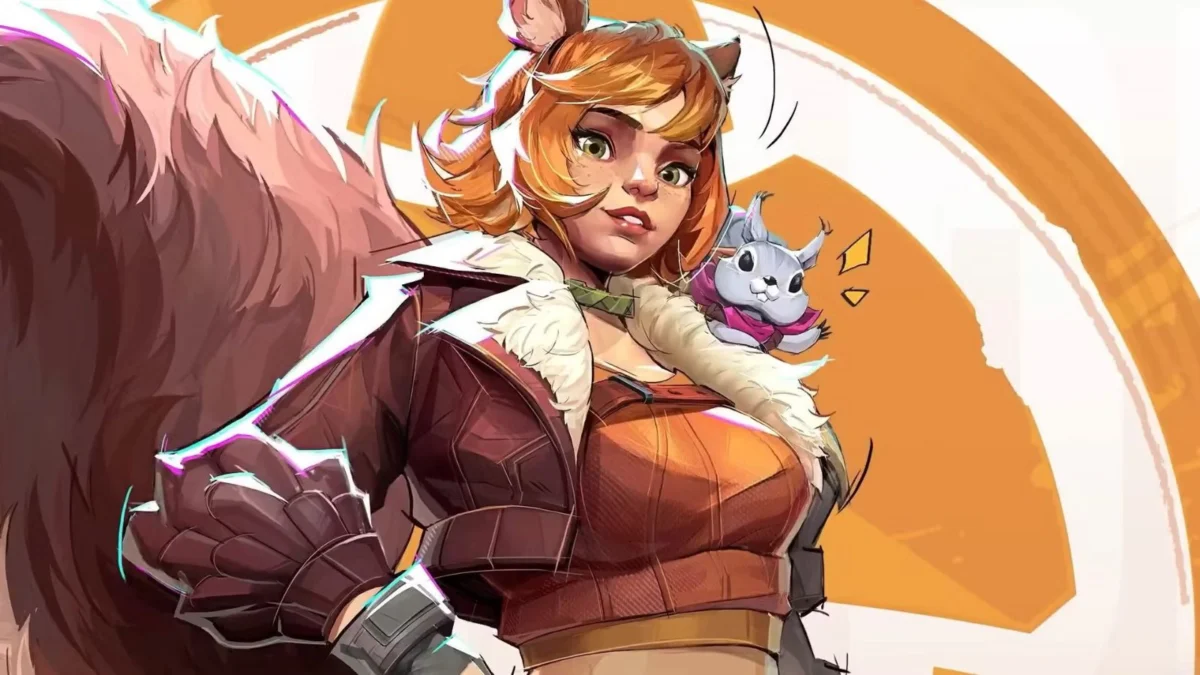
Warn, in his defense, later claimed that the clip was taken out of context and that his remarks were not influenced by the gender of his teammates, a statement that did little to quell the burgeoning controversy. He also cited the short notice of his invitation to the tournament, stating he had only a few days to prepare and had focused his practice on his primary characters, Squirrel Girl and Namor. This explanation, however, was met with skepticism by several of his teammates.
Teammates Dispute Warn’s Account and Strategic Input
Aramori, who captained Team Canada, was one of the most vocal in refuting Warn’s account of events. In a series of posts on X (formerly Twitter), she directly challenged Warn’s portrayal of himself as a victim and expressed frustration with his perceived lack of engagement with the team’s strategic development. Aramori specifically addressed the recurring issue of hero selection, alluding to Warn’s persistent use of Squirrel Girl.
"I don’t want to sit here and let Warn act like ‘woe is me she was so mean’," Aramori stated, directly addressing Warn’s narrative. She then pointedly commented on his hero choices, implying a lack of flexibility: "my bad next time I’ll tell you it’s not your fault for picking Squirrel Girl over and over." This highlighted a potential disconnect between Warn’s personal hero preferences and the team’s strategic needs during critical in-game moments.
Aramori further contextualized the situation by drawing a parallel to a previous incident in a $40,000 Marvel Rivals creator tournament involving a player named Kingsman265. In that event, Kingsman265 was criticized for refusing to switch off Black Widow, a decision that reportedly hampered his team’s momentum. Aramori invoked this event, referring to it as being "ZAZZA’D" (a term derived from the Kingsman incident), and lamented that the prize pool for the current championship was ten times larger. Her comparison was intended to underscore the severity of strategic inflexibility in high-stakes tournaments and suggest that Warn was receiving a comparatively lenient response for similar behavior. The community’s swift and harsh reaction to the Kingsman265 incident, which saw the player become a subject of widespread criticism and even a new community meme, made Aramori’s reference particularly pointed.
Counterarguments and Statistical Analysis
Warn, however, maintained his stance that the team’s underperformance was a collective failure, not attributable to a single player’s hero choice. He pushed back against the narrative that his hero selection single-handedly derailed the team’s efforts. To support his argument, he pointed to the overall statistical performance of the team, suggesting that multiple players had suboptimal results.
Data shared by community members and analysts tracking the team’s performance indicated that xQc, the team’s tank player, had a win-loss record of 2-6. Aramori, playing Jeff, recorded a 3-5 record, while FanFan went 1-4 and Dokibird finished 2-4. These statistics, Warn argued, demonstrated a broader pattern of underperformance across the roster, rather than an isolated issue with his hero choices. This perspective shifts the focus from individual blame to a more systemic problem within the team’s execution and coordination.
Precedent of Creator Event Fallout in Marvel Rivals
The controversy surrounding Team Canada’s exit from the Marvel Rivals Creator World Championship is not an isolated incident. The game’s burgeoning creator scene has, on multiple occasions, seen player disputes and public fallout overshadow competitive results. The aforementioned Kingsman265 incident serves as a prime example, where a player’s refusal to adapt their hero choice led to significant community backlash and a memorable community-driven narrative.
The Kingsman265 situation, which occurred earlier in the year, involved a player who adamantly refused to switch off Black Widow during a crucial match. This inflexibility was widely perceived as detrimental to his team’s strategy and ultimately contributed to their defeat. The incident became so prominent that the term "Zazza" entered the community lexicon, signifying a stubborn adherence to a suboptimal pick. The subsequent coverage of Kingsman265’s earnings and streaming success following this controversy, which saw him "making bank," added another layer of complexity to the discussion, highlighting how even negative attention can sometimes translate into unexpected opportunities within the creator economy. This precedent underscores the sensitive nature of player conduct and strategic disagreements in high-stakes creator tournaments, where personal brands and community perception are often as important as in-game performance.
Broader Implications for Marvel Rivals Esports and Creator Events
The fallout from the Marvel Rivals Creator World Championship raises several important questions about the future of esports and creator events in the game. The tension between individual streamer brand management and the demands of professional team play is a recurring theme in this space. While creator events aim to leverage the popularity of streamers, they also expose the challenges of maintaining team cohesion and strategic discipline when personal brand and public perception are heavily weighted.
The public nature of these disputes, often playing out on social media platforms like X, can significantly impact community sentiment towards both the game and its prominent figures. For Marvel Rivals, which is still in its early stages of establishing a competitive ecosystem, such controversies, while potentially generating buzz, also risk alienating parts of the player base or creating a perception of unprofessionalism.
Moving forward, tournament organizers and game developers may need to consider more robust guidelines or mediation processes to address in-game conflicts and public disputes. The balance between fostering organic creator participation and ensuring a level of competitive integrity will be crucial for the long-term health of Marvel Rivals’ esports scene. The events of the Creator World Championship serve as a potent reminder that success in these high-stakes, creator-driven tournaments requires not only individual skill but also a commitment to teamwork, strategic adaptability, and respectful communication, even in the face of pressure and disappointment. The ongoing discourse surrounding Team Canada’s performance and the ensuing drama will likely continue to shape discussions about player accountability and the evolving landscape of influencer-driven esports for the foreseeable future.