


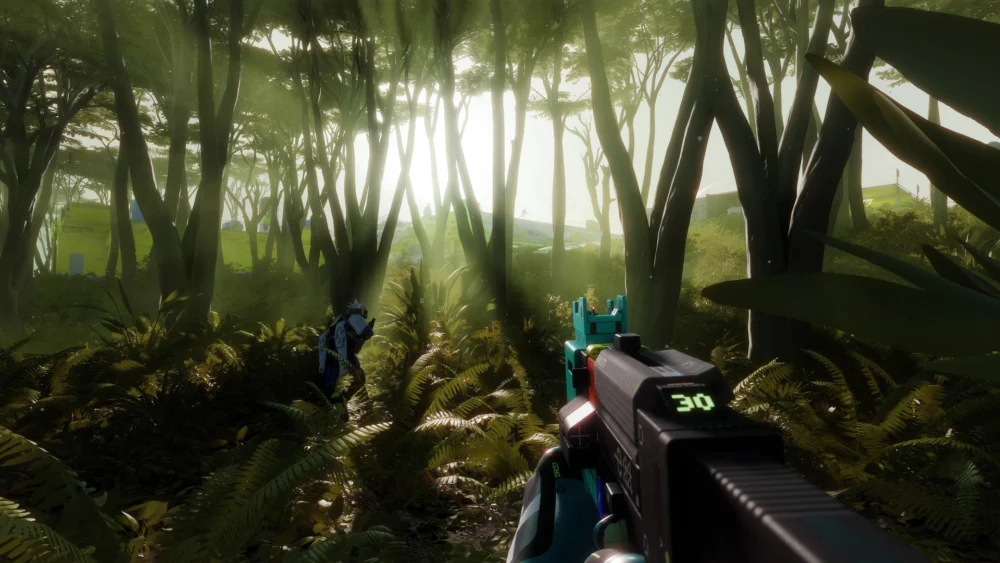
The recent Marathon Server Slam beta, initiated last night, has generated considerable attention and activity within the gaming community, particularly among fans anticipating Bungie’s return to the classic IP. The preliminary testing phase achieved a peak of 143,621 concurrent players on Steam alone, signaling strong initial interest in the extraction shooter ahead of its official release next week. This robust player engagement during a pre-launch beta event underscores the significant anticipation surrounding Bungie’s latest venture, a stark departure from their well-established Destiny franchise.
The Marathon Server Slam: An Overview
The "Server Slam" is a strategic pre-release event designed by game developers to rigorously test server infrastructure, identify potential performance bottlenecks, and gather crucial player feedback under real-world conditions. For Marathon, this beta serves as a vital stress test for its online systems, ensuring scalability and stability for the impending global launch. The event commenced on February 26th and is slated to conclude on March 1st, providing a concentrated window for players to experience a slice of the game’s mechanics and for Bungie to collect essential telemetry data.
Bungie’s vision for Marathon is a re-imagining of their original 1994 first-person shooter, transforming it into a modern, live-service extraction shooter. This genre typically involves players deploying into dangerous zones to complete objectives, gather valuable loot, and successfully "extract" before being eliminated, often by other players or AI enemies. The high stakes of losing collected gear upon death are a hallmark of the genre, creating intense, player-driven narratives within each run. The decision to revive Marathon as an extraction shooter positions it uniquely within Bungie’s portfolio, moving away from the more traditional MMO-lite elements of Destiny while still leveraging their expertise in crafting compelling shooter mechanics and science-fiction universes. The event’s open access, requiring no Game Pass subscription or pre-order, significantly contributed to its broad reach and high player count, democratizing the early testing phase for a wider audience.
Early Player Engagement and Platform Metrics
The impressive concurrent player count of 143,621 on Steam is a key indicator of the beta’s reach and the underlying anticipation for Marathon. To put this into context, such numbers for a beta often rival or exceed the launch player counts of many established titles. This figure suggests a successful initial marketing push and strong brand recognition for Bungie, drawing in both long-time fans and new players intrigued by the extraction shooter premise. High concurrent player numbers during a beta are crucial for developers, as they provide invaluable data on how servers perform under stress, helping to optimize network code and capacity planning for the full release. It also generates early buzz and community discussion, which can be pivotal for a live-service game’s long-term success.
However, player sentiment on platform-specific stores presents a more varied picture. On the US version of the Xbox Store, Marathon currently holds a rating of 2.7 out of 5 stars, based on nearly 400 reviews. While this rating might appear modest, interpreting user reviews on digital storefronts, particularly during a beta phase, requires careful consideration. These platforms are notoriously challenging to judge due to the prevalence of unconstructive feedback, review bombing, or criticisms unrelated to core gameplay (e.g., download issues, server outages common in betas). Players often leave quick, emotional reactions rather than detailed critiques, making it difficult to discern actionable feedback. Furthermore, the limited scope of a beta, which rarely represents the full breadth of content or polished experience of the final product, can skew early perceptions.
Critical Reception: A Deeper Dive into Initial Impressions
Beyond raw numbers and aggregated user scores, early impressions from established gaming outlets offer a more qualitative and nuanced perspective on the Marathon Server Slam. These critics, having spent approximately 24 hours with the game, have begun to dissect its core mechanics, aesthetic, and overall potential. Their early evaluations highlight both the game’s strengths and areas requiring further refinement.
Push Square: The "Slow-Burn" Appeal
Push Square’s preview leans positive, characterizing Marathon as "dense, demanding, and drop-dead gorgeous." Their assessment points to the game being "more of a slow-burn than an instant hit of dopamine." This implies a gameplay loop that rewards patience, strategic thinking, and a willingness to invest time in mastering its intricacies, rather than immediate gratification. For players accustomed to quick, arcade-like experiences, this might be a deterrent. However, Push Square explicitly states that for those "100+ hours into ARC Raiders and dying for a true endgame," Marathon could offer the "truly deep extraction shooter experience" they yearn for. This highlights a potential niche appeal for a dedicated audience seeking depth and long-term engagement over immediate thrills, suggesting the game might cater to a specific segment of the live-service player base. The visual fidelity and demanding nature are seen as positives, indicating a high-quality production value that rewards persistent players.
Kotaku: A Battle Between Aesthetics and Mechanics
Kotaku’s impression reflects a mixed sentiment, encapsulated by the phrase, "At the moment, I’m not sure if I like this game or just want to like it." The review praises Marathon‘s aesthetic, noting it "looks great, sounds awesome, and when you can pull off a cool escape, it feels amazing." The game’s unique style is also singled out as a significant positive, distinguishing it from other titles in the market. However, these positives are tempered by criticisms regarding "clunky controls that took tweaking to improve, annoying turrets, and a short time-to-kill." These mechanical issues point to potential areas for refinement before launch, as control responsiveness and combat pacing are fundamental to a satisfying shooter experience. Kotaku’s concern about "another live-service shooter eating s*t" also reflects a broader industry sentiment, where many ambitious live-service titles have struggled to find long-term success, adding pressure on Marathon* to deliver a consistently engaging experience.
Indy100: Embracing the PvPvE Intensity
Indy100’s perspective is largely positive, expressing genuine enjoyment of the Marathon Server Slam. The reviewer highlights the game’s "genuine PvPvE" nature, where "everyone and everything is out to get you." This emphasis on high-stakes encounters, where both player-versus-player combatants and environmental threats converge, is a core tenet of the extraction shooter genre. The consequence of this design, a higher likelihood of "failing runs and losing all of your loot," is acknowledged but framed as part of the thrill. The strategy of "running in full squads and taking advantage of unlimited free loadouts early on" is recommended as a way to mitigate these risks and build a "good stash of loot." This suggests that cooperative play and smart resource management are crucial for progression and enjoyment in Marathon, reinforcing its team-oriented design.
Forbes: Extraction Shooter Fatigue and Time Investment
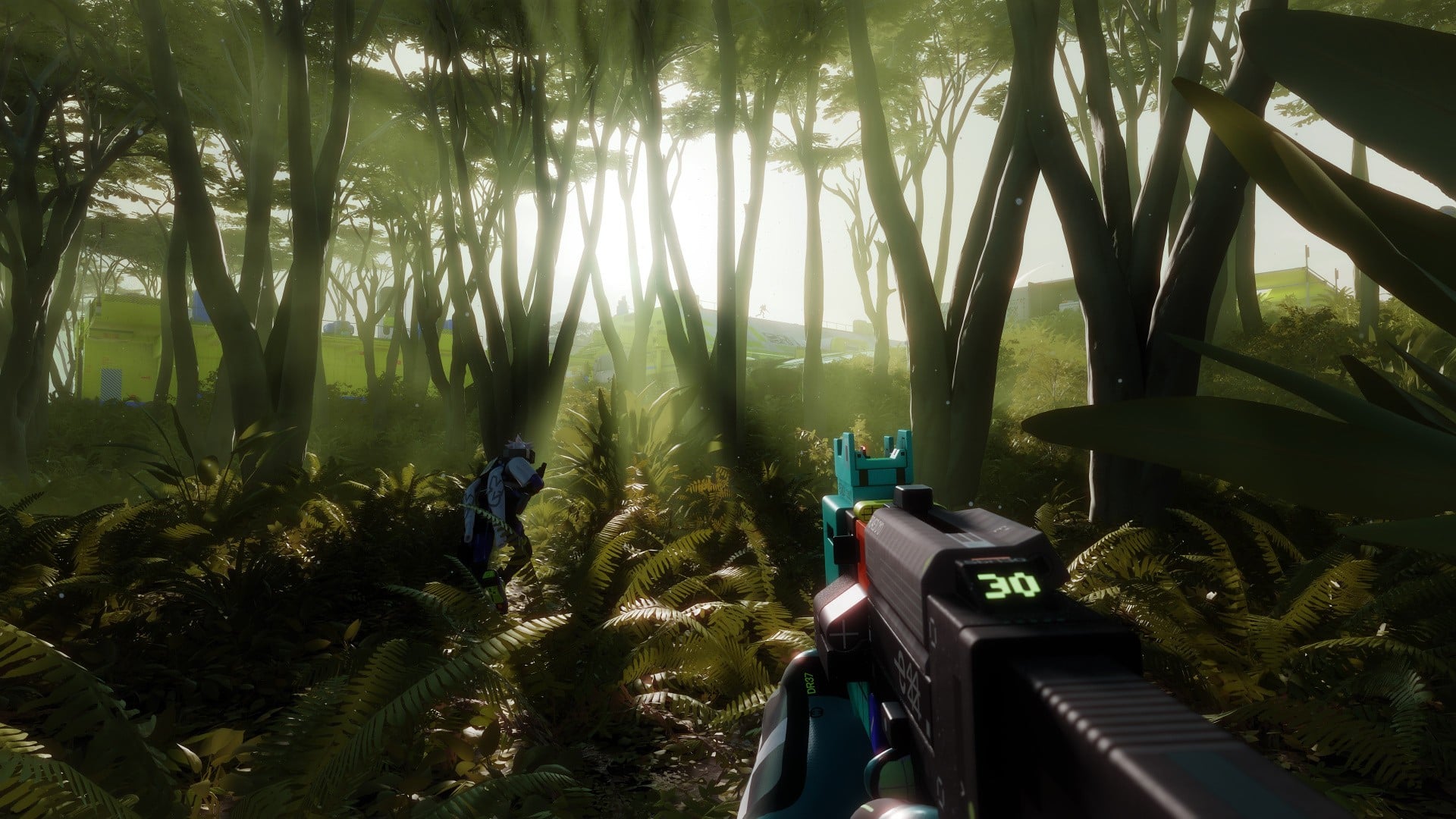
Forbes contributor Paul Tassi offers a mixed, leaning negative, impression, articulating a broader skepticism towards the extraction shooter genre itself. Tassi states, "Marathon has so far failed to get me on board with the extraction shooter genre, albeit, sure, it’s early, and I need to give it more of a chance." The core criticism revolves around the genre’s perceived "time-waster" aspect, where "one bad run, possibly with deaths you couldn’t even avoid, and you can lose that great gear it took a zillion games to find." The frustration extends to even "easy" scavenging runs, where unexpected environmental hazards can negate 10-15 minutes of effort without any tangible gain. This critique underscores a significant hurdle for Marathon: appealing to players who are not already invested in the extraction shooter philosophy, or those who find the inherent risk-reward loop unrewarding. It highlights that the game’s success may hinge on its ability to convert skeptics by offering unique twists or a more forgiving entry point.
Synthesizing Critical Themes
Across these early critical impressions, several common themes emerge. Universally, Marathon‘s visual presentation, sound design, and distinct art style are highly praised, establishing a strong foundation for its immersive world. However, the core gameplay loop, particularly its pacing, control scheme, and the demanding nature of its extraction mechanics, appears to be a point of division. Some critics appreciate the slow-burn, high-stakes approach, while others express frustration with perceived clunkiness or the genre’s inherent potential for unrewarding time investment. The beta clearly functions as a crucial testing ground for these fundamental gameplay elements, providing Bungie with invaluable feedback to refine the experience before launch.
The Extraction Shooter Landscape and Bungie’s Pedigree
The extraction shooter genre has seen a significant surge in popularity in recent years, with titles like Escape From Tarkov, Hunt: Showdown, and Marauders establishing a dedicated player base. These games combine elements of first-person shooters, survival mechanics, and persistent progression, often featuring high-stakes player-versus-player-versus-environment (PvPvE) combat. The genre thrives on tension, strategic planning, and the thrill of successfully extracting valuable loot. Marathon enters this competitive arena backed by Bungie’s formidable reputation.
Bungie has a storied history in the shooter genre, dating back to the original Marathon series, and more recently, defining the "looter-shooter" subgenre with the highly successful Destiny and Destiny 2. Their experience in crafting compelling gunplay, engaging live-service content, and vibrant science-fiction universes is extensive. However, Marathon represents a significant departure from Destiny‘s more accessible, power-fantasy-driven gameplay. The extraction shooter model is inherently more punishing and caters to a different player psychology. This shift presents both an opportunity for Bungie to diversify its portfolio and a challenge in adapting its development philosophy to meet the expectations of a new, discerning audience. The success of Marathon will depend not only on its technical polish but also on its ability to carve out a unique identity within a crowded market, offering a compelling reason for players to choose it over established genre titans.
Implications for Marathon’s Full Launch
The data and feedback gleaned from the Server Slam beta are paramount for Bungie as they approach the full launch. High concurrent player numbers like those seen on Steam validate the game’s market appeal and the effectiveness of its pre-release strategy. However, the mixed critical reception and the varied player experiences highlighted in the Xbox Store ratings underscore areas requiring urgent attention.
Bungie will undoubtedly leverage the beta’s telemetry data to fine-tune server performance, network stability, and overall game balance. Crucially, feedback regarding "clunky controls," "annoying turrets," and the "time-to-kill" metric will inform immediate development priorities. Iterations on control schemes, environmental hazards, and weapon balancing are standard practices following beta periods and are essential for a polished launch experience. Addressing these mechanical concerns could significantly improve the game’s appeal to a broader audience, including those initially skeptical of the extraction shooter genre.
The "slow-burn" nature identified by Push Square suggests Marathon may cultivate a dedicated, core community over time, similar to other successful extraction shooters. Fostering this community through transparent communication, consistent content updates, and responsive feedback integration will be critical for long-term player retention. For a live-service title, the launch is merely the beginning; continuous evolution based on player engagement is the hallmark of success.
In conclusion, the Marathon Server Slam beta has successfully demonstrated strong player interest and provided Bungie with a wealth of data. While the game’s aesthetic and core concept are well-received, the initial gameplay experience has generated a mixed bag of reactions, particularly concerning control refinement and the inherent challenges of the extraction shooter genre. The coming weeks will be crucial for Bungie to analyze this feedback, implement necessary adjustments, and prepare Marathon for a full launch that aims to satisfy both its legacy fans and a new generation of extraction shooter enthusiasts.
For those interested in forming their own impressions, the Marathon Server Slam remains accessible. Players can download the game directly from the Xbox Store without any restrictions such as Game Pass membership. This open access allows a continued opportunity for the community to engage with the beta and provide further valuable insights.
Have you played the Marathon Server Slam yet? What do you think of it? Tell us in the poll above and comments below.
Please note that some external links on this page are affiliate links, which means if you click them and make a purchase we may receive a small percentage of the sale. Please read our FTC Disclosure for more information.