


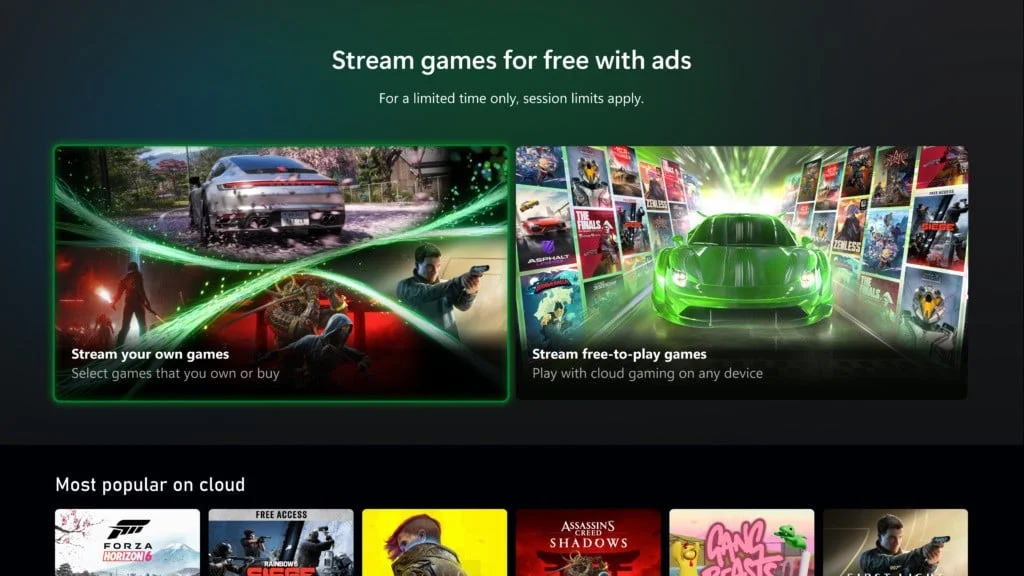
Microsoft’s Xbox division has officially commenced a crucial "test" phase for an ad-supported tier within its Xbox Cloud Gaming service, making it accessible to select Xbox Insiders. This strategic move, which has been the subject of industry speculation for some time, aims to democratize access to a curated selection of games by removing the traditional barrier of a Game Pass subscription, instead leveraging pre-session advertisements. This initiative represents a significant pivot in Xbox’s overarching strategy to expand its reach beyond traditional console ownership, aligning with the broader industry trend towards diverse monetization models in digital entertainment.
The Genesis of an Ad-Supported Model
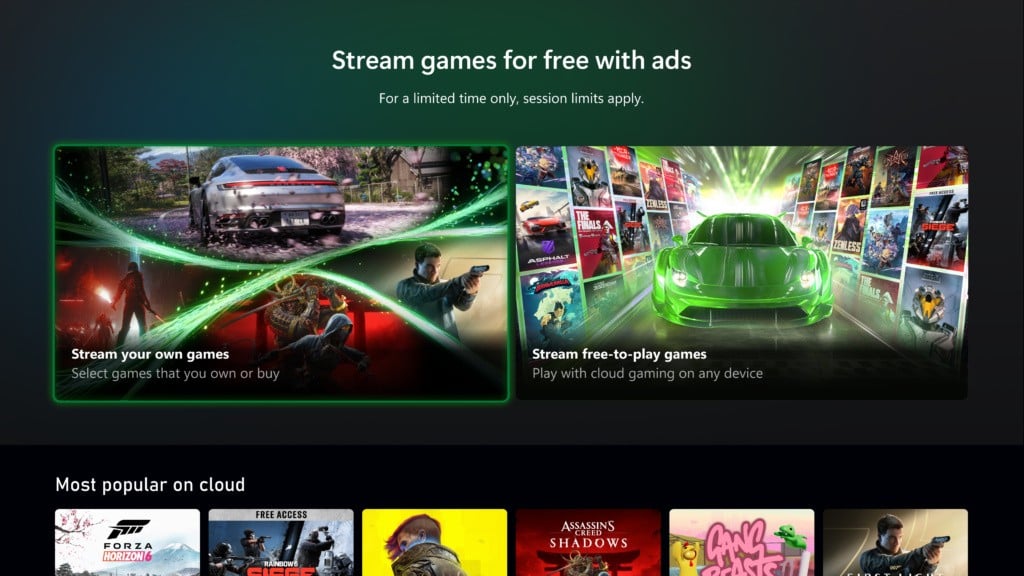
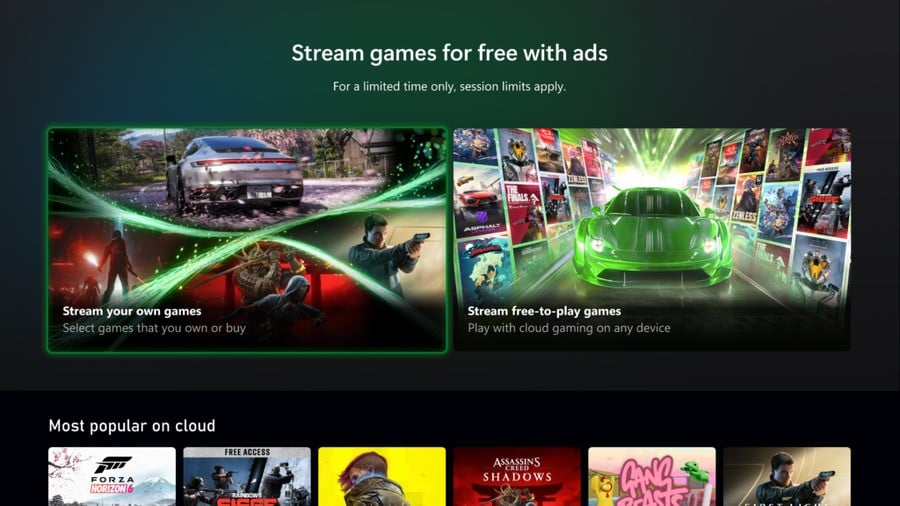
Rumours regarding Xbox’s exploration of an ad-supported cloud gaming option gained significant traction in recent months, fueled by Microsoft’s stated ambition to make gaming accessible to "billions of players" globally. The current test, unveiled on July 23, 2026, confirms these earlier reports, positioning Xbox Cloud Gaming to potentially tap into a vast, underserved market. This pilot program allows Xbox Insiders to stream "select games from their library," along with certain free-to-play titles, for a one-hour duration per session, without the prerequisite of an Xbox Game Pass membership. The core mechanism involves the playback of advertisements "before sessions begin," ensuring an uninterrupted gameplay experience once the streaming slot commences.
This development follows a series of strategic expansions for Xbox Cloud Gaming, initially launched as Project xCloud and later integrated into Xbox Game Pass Ultimate. Since its inception, the service has enabled subscribers to stream a vast library of games to various devices, including mobile phones, tablets, PCs, and even select smart TVs, effectively decoupling gaming from dedicated hardware. The introduction of an ad-supported tier builds upon this foundation, seeking to lower the entry barrier even further by eliminating the subscription cost.
Microsoft’s Strategic Rationale: Accessibility and Market Expansion
Xbox leadership has articulated several compelling reasons behind the introduction of this ad-supported model, primarily centered on accessibility and market expansion. In an official statement, the company emphasized that this initiative empowers "many players" to stream games using "the device they already own," thereby transforming existing personal hardware into a gateway for high-fidelity gaming experiences. This is particularly pertinent for individuals who may not possess a dedicated gaming console or a high-end PC.
Furthermore, the ad-supported cloud tier offers a tangible benefit for existing Xbox One owners. With the advent of the Xbox Series X|S generation, many newer, graphically intensive titles are exclusively designed for the latest hardware. This new streaming option allows Xbox One users to experience these next-generation games without the immediate need to upgrade their consoles, bridging the generational divide and extending the lifecycle of older hardware. This capability is especially crucial in regions where the availability of new consoles can be limited, or their cost prohibitive. Microsoft explicitly noted that this can be "especially meaningful in places where consoles are harder to find or less affordable, giving more players another way to access great games on devices they already have."
Beyond technical and economic accessibility, the move is deeply rooted in Microsoft’s broader "Xbox Everywhere" vision. This strategy aims to expand the Xbox ecosystem beyond traditional console sales, leveraging cloud technology to deliver gaming experiences across a multitude of devices and geographies. By introducing a free, ad-supported tier, Xbox is actively seeking to onboard new users into its ecosystem, potentially converting them into future Game Pass subscribers or purchasers of digital content. This strategy mirrors the successful models seen in other digital entertainment sectors, where free, ad-supported tiers serve as powerful top-of-funnel acquisition tools.
Navigating the Ad-Supported Landscape: Five Core Principles
Acknowledging potential user concerns regarding the integration of advertising into gaming services, Xbox has proactively outlined five core principles that will guide the development and implementation of its ad-supported offerings. While the specific details of these principles were not fully elaborated in initial communications, the company underscored its commitment to building such services "with the player in mind" and ensuring they "help lower the cost of access when done well." Based on industry best practices and Xbox’s stated values, these principles are inferred to encompass:
- Player Control and Transparency: Xbox commits to providing clear and transparent information regarding ad frequency, duration, and data usage. Players will have a clear understanding of when and how ads will be presented, with potential future considerations for limited customization or preference settings, ensuring an experience that feels respectful of user choice rather than imposed.
- Non-Intrusive Ad Experience: A primary focus will be on ensuring that advertisements do not disrupt the core gameplay experience. By placing ads exclusively "before sessions begin," Xbox aims to prevent in-game interruptions, pop-ups, or overlays that could detract from immersion. This principle emphasizes respecting the player’s time and focus during active gameplay.
- Relevant and Respectful Advertising: Ads will be carefully curated to be age-appropriate and relevant to the gaming audience, avoiding content that is disruptive, misleading, or incompatible with the gaming environment. Strict guidelines will be in place to ensure that advertising partners adhere to high standards of quality and ethical practices, maintaining a positive brand image for Xbox.
- Data Privacy and Security: Xbox reaffirms its stringent commitment to user data privacy. Any data collected for advertising purposes will adhere to robust privacy policies, ensuring that personal gaming data is not shared with third-party advertisers without explicit user consent. Measures will be in place to protect user information and maintain trust in the service.
- Continuous Improvement Based on Feedback: Recognizing that this is a "test" phase, Xbox pledges to adopt an iterative approach. The service will evolve based on continuous player feedback and data analysis. This commitment to player-driven improvement signifies that the ad-supported model is not static but will be refined to optimize the user experience and address any emerging concerns effectively.
These principles are crucial for building trust and ensuring the long-term viability of an ad-supported model in a gaming landscape where users have high expectations for quality and a low tolerance for intrusive advertising.
Broader Implications and Industry Context
The introduction of an ad-supported cloud gaming tier by Xbox holds significant implications for players, Microsoft, and the wider gaming industry.
For Players:
- Enhanced Accessibility: Millions of players who previously could not afford a console or a Game Pass subscription will now have an entry point to high-quality games, potentially fostering a new generation of gamers. This is particularly impactful in emerging markets with lower disposable incomes.
- Trial and Discovery: The one-hour streaming slots offer an excellent opportunity for players to sample games from their library or free-to-play titles without committing to a purchase or subscription, aiding in game discovery and reducing buyer’s remorse.
- Bridging Hardware Gaps: Xbox One owners gain extended utility from their current hardware, allowing them to play graphically demanding Series X|S titles, thus delaying or negating the need for an expensive upgrade.
- Potential Concerns: While the current model seems non-intrusive, some players might express apprehension about the long-term trajectory of ad integration in gaming. Concerns about ad frequency, data privacy, and the potential for a "two-tiered" experience (free vs. paid) might emerge as the service expands.
For Microsoft and Xbox:
- Expanded User Base: This move is a direct path to significantly expanding the Xbox user base, potentially onboarding millions who are currently outside the Xbox ecosystem. This aligns perfectly with Microsoft CEO Satya Nadella’s vision of reaching billions of gamers.
- New Revenue Stream: While initially focused on acquisition, an ad-supported tier introduces a new, scalable revenue stream for Microsoft, diversifying its income beyond console sales and Game Pass subscriptions. This leverages Microsoft’s extensive advertising infrastructure and Azure cloud capabilities.
- Competitive Edge: In the increasingly competitive cloud gaming market, where services like NVIDIA GeForce Now and PlayStation Plus Premium operate on different models, Xbox’s ad-supported tier could offer a unique selling proposition, particularly in its "free" aspect.
- Data and Insights: The expanded user base will provide Microsoft with invaluable data on player preferences, engagement patterns, and regional gaming habits, which can inform future game development, marketing strategies, and service improvements.
- Cannibalization Risk: A potential challenge lies in balancing the free tier with the premium Xbox Game Pass Ultimate offering. Microsoft will need to carefully differentiate the services to ensure the ad-supported tier acts as an on-ramp rather than a replacement for paying subscribers.
For the Gaming Industry:
- Precedent Setting: If successful, Xbox’s ad-supported cloud gaming model could set a precedent for other platform holders and publishers, accelerating the industry’s shift towards hybrid monetization strategies that combine subscriptions, free-to-play, and advertising.
- Evolution of Game Distribution: This move further solidifies cloud gaming as a primary distribution channel, potentially reducing the reliance on physical media and local downloads, especially for casual players or those with limited storage.
- Developer Opportunities: Game developers could benefit from wider audience reach, potentially leading to increased engagement and monetization opportunities within their titles, even if accessed through a free, ad-supported cloud service.
- Advertising Technology in Gaming: The initiative will likely spur innovation in gaming-specific advertising technologies, focusing on less intrusive and more contextually relevant ad formats.
The Cloud Gaming Landscape and Xbox’s Position
The cloud gaming market has seen both ambitious launches and significant setbacks. While Google Stadia’s closure in 2023 served as a cautionary tale, it underscored the immense technical and market challenges of the sector. However, other services like NVIDIA GeForce Now (focused on PC game streaming for existing libraries), Amazon Luna, and Sony’s PlayStation Plus Premium (integrating cloud streaming into its highest tier) continue to evolve.
Xbox Cloud Gaming, powered by Microsoft’s vast Azure infrastructure, has consistently been praised for its technical performance and seamless integration with the Xbox ecosystem. Its inclusion in Game Pass Ultimate has been a major draw, offering hundreds of games on demand across multiple devices. By introducing an ad-supported tier, Xbox is not merely adding a new feature; it is fundamentally altering its market approach, aiming to capture a segment of the global population that has been largely untapped by traditional gaming models. The strategic move aligns with the projected growth of the cloud gaming market, which analysts predict will continue its upward trajectory, driven by increasing internet penetration and advancements in streaming technology.
Looking Ahead: The Test Phase and Beyond
The current phase is explicitly designated as a "test," emphasizing Xbox’s commitment to iterative development based on real-world player feedback. This cautious approach allows Microsoft to fine-tune the ad experience, assess server load, and gather crucial insights into user behaviour before a wider public rollout. The team has stated its intention to "learn and continue to improve it based on player feedback," indicating that the service’s final form may differ from its initial test iteration.
While a definitive timeline for a full public launch remains unannounced, it is reasonable to expect that Xbox will meticulously analyze the data and feedback from Insiders before expanding the service. This deliberate pace is vital for ensuring a high-quality user experience and successfully integrating this new monetization model into the broader Xbox ecosystem. The success of this test could profoundly reshape how billions engage with video games, marking a significant milestone in the ongoing evolution of interactive entertainment.