

The Xbox Game Pass ecosystem has undergone a significant transformation during the final week of February 2026, marked by the arrival of high-profile AAA titles and the continued revitalization of legacy software through advanced backwards compatibility. As Microsoft continues to leverage its subscription model to maintain dominance in the digital distribution space, the recent inclusion of Ubisoft’s Avatar: Frontiers of Pandora and CD Projekt Red’s The Witcher 3: Wild Hunt serves as a strategic cornerstone for the service’s first-quarter growth. These additions reflect a broader industry trend toward stabilizing subscription value through a mix of licensed blockbusters, definitive editions of classic RPGs, and the preservation of sixth-generation console titles.
The Evolution of Xbox Game Pass in Early 2026
The current state of Xbox Game Pass (XGP) represents the culmination of several years of aggressive studio acquisitions and third-party partnerships. In February 2026, the service has moved beyond its initial identity as a library of older titles, now operating as a primary delivery mechanism for diverse gaming experiences ranging from indie darlings to massive open-world epics. The inclusion of Avatar: Frontiers of Pandora is particularly noteworthy, as it signifies a deepening relationship between Microsoft and Ubisoft. This partnership allows subscribers access to technically demanding titles that showcase the hardware capabilities of the Xbox Series X and Series S without the traditional barrier of a premium seventy-dollar entry price.
Furthermore, the re-entry of The Witcher 3: Wild Hunt into the library—specifically the "Next-Gen" version—highlights Microsoft’s commitment to offering the most optimized versions of historically significant games. Data from previous fiscal quarters suggests that "evergreen" titles like The Witcher 3 act as significant retention tools, keeping subscribers engaged between major first-party releases from Xbox Game Studios and Bethesda Softworks.
Spotlight on New Additions: Avatar and The Witcher 3
Avatar: Frontiers of Pandora, developed by Massive Entertainment in collaboration with Lightstorm Entertainment and Disney, represents a technical benchmark for the Snowdrop engine. On Xbox Series X, the title utilizes ray-traced shadows and reflections to bring the moon of Pandora to life, offering a level of visual fidelity that remains a primary selling point for the console. The game’s arrival on Game Pass follows a period of steady updates and downloadable content, providing subscribers with a refined and content-rich experience from the moment of installation.
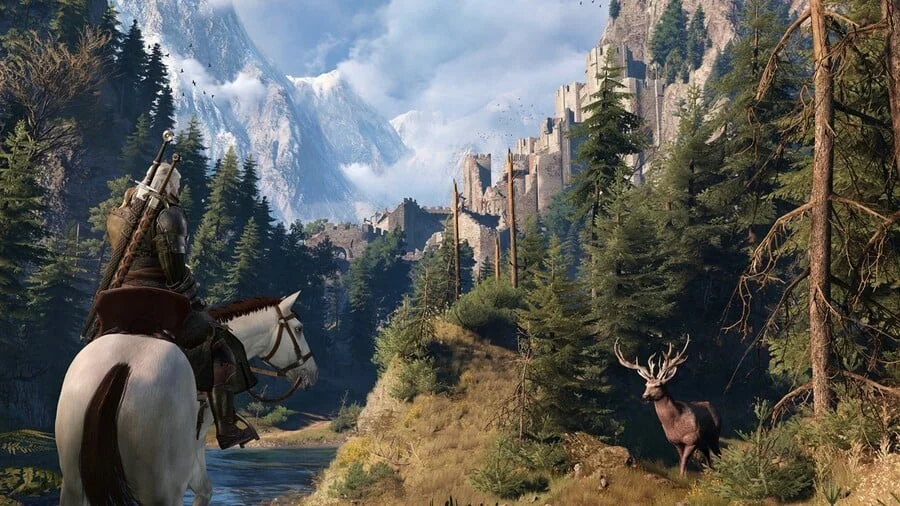
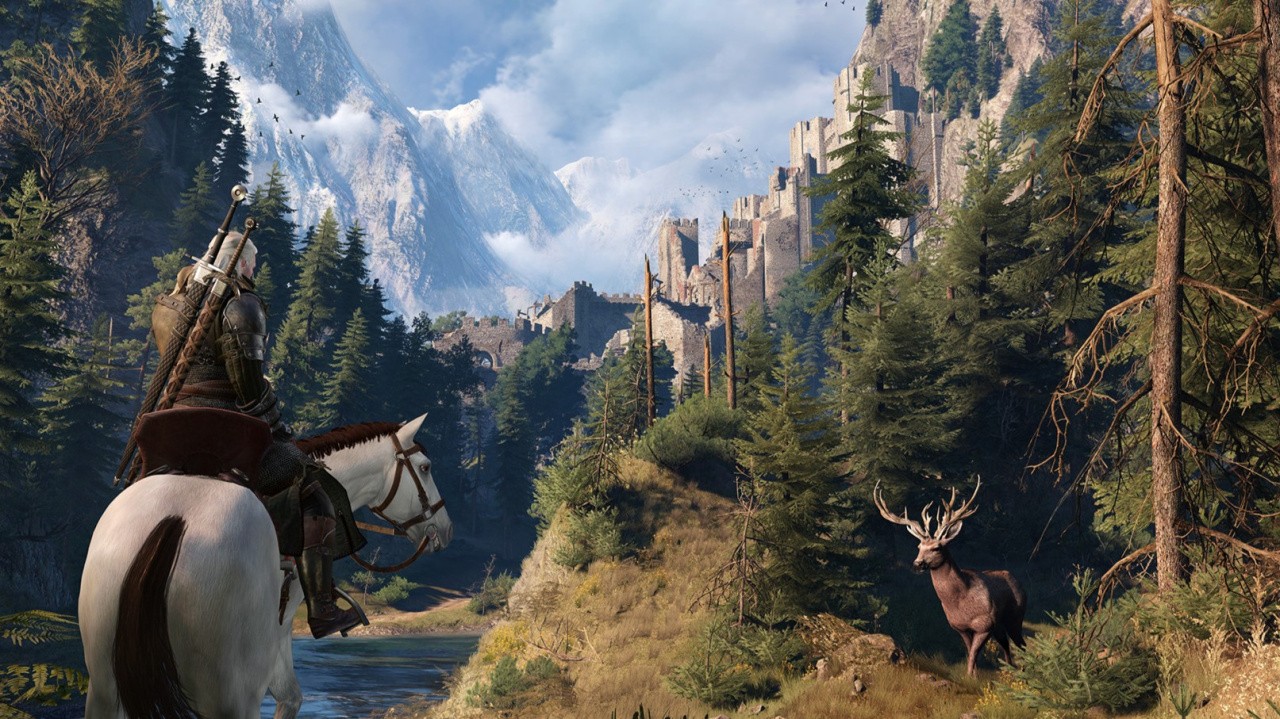
In contrast, The Witcher 3: Wild Hunt remains one of the most decorated role-playing games in history. Its presence on Game Pass in 2026 is bolstered by the technical improvements introduced in the 4.0 update and subsequent patches. These include integrated mods, improved textures, and a robust photo mode, alongside 60 frames-per-second performance modes that were absent during the title’s original launch on the Xbox One. For many users, the ability to revisit the Northern Kingdoms with modern performance metrics is a primary driver of weekend engagement.
Technical Performance and Hardware Synergy
The current batch of Game Pass additions serves as a practical demonstration of the Xbox Series X’s Velocity Architecture. Titles like Avatar: Frontiers of Pandora benefit immensely from the high-speed NVMe SSD, which drastically reduces load times when fast-traveling across the expansive map of the Western Frontier. This technical synergy is a key component of Microsoft’s marketing strategy, emphasizing that the best way to experience high-fidelity open worlds is through the optimized environment of the Xbox ecosystem.
For the Xbox Series S, these additions are equally critical. Despite having a smaller memory footprint and lower GPU compute power than its larger sibling, the Series S continues to deliver a competent 1080p or 1440p experience for Game Pass titles. The optimization work done by Ubisoft and CD Projekt Red ensures that the "entry-level" console remains a viable gateway for modern gaming, a factor that has contributed to the Series S maintaining a strong market share in the mid-2020s.
The Role of Backwards Compatibility in Modern Gaming
While high-end graphics often dominate the headlines, the Xbox platform’s commitment to backwards compatibility remains a unique value proposition. This weekend, internal editorial focus has shifted toward SSX 3, a title originally released for the 128-bit era. Through the Xbox Backwards Compatibility program, the game runs at significantly higher resolutions than its original hardware intended, often benefiting from Auto HDR and improved texture filtering.
The preservation of titles like SSX 3 is more than a nostalgic gesture; it is a calculated effort to maintain a "living history" of gaming. By ensuring that classic titles remain playable and improved on modern hardware, Microsoft fosters a sense of continuity that competitors have often struggled to replicate. This approach encourages long-term brand loyalty among older gamers while introducing younger audiences to the foundations of modern genres, such as the extreme sports craze of the early 2000s.
Strategic Implications for the Gaming Subscription Market
The expansion of the Game Pass library in February 2026 occurs against a backdrop of increasing competition in the subscription sector. Industry analysts note that as the cost of game development continues to rise, services like Game Pass provide a necessary "safety net" for publishers. By securing an upfront licensing fee from Microsoft, publishers can mitigate the risks associated with long-tail sales of single-player titles.
For Microsoft, the goal remains the expansion of the "Game Pass Ultimate" tier, which bridges the gap between console, PC, and cloud gaming. The addition of massive files like Avatar and The Witcher 3 also tests the infrastructure of Xbox Cloud Gaming (Project xCloud). As internet speeds improve globally, the ability to stream these titles to mobile devices or low-powered laptops becomes a significant factor in subscriber acquisition, particularly in markets where high-end console hardware is prohibitively expensive.

Chronology of February 2026 Releases
The rollout of games for the latter half of February and early March has followed a structured timeline designed to maximize user engagement:
- February 19: Initial wave of announcements, detailing the arrival of eight distinct titles across console and PC.
- February 20: Availability of Avatar: Frontiers of Pandora, targeting the "blockbuster" demographic.
- February 21: Integration of The Witcher 3: Wild Hunt (Complete Edition), catering to the RPG and narrative-driven audience.
- February 22-28: Phased release of smaller indie titles and specialized genre games (racing, simulation).
- March 3: Conclusion of the current cycle and announcement of the first wave of March additions.
This cadence ensures that there is a constant stream of "new" content, preventing the "mid-month slump" that can lead to subscriber cancellations.
Editorial Perspectives and Community Engagement
Within the gaming journalism sphere, the reaction to the current Game Pass lineup has been overwhelmingly positive. Staff writers at Pure Xbox and other major outlets have noted that the current selection offers a "something for everyone" approach. Ben Kerry, a prominent news writer, highlighted the "stunner" visuals of Avatar on the Series X, noting that the game’s availability on Game Pass allowed him to return to a title he had previously owned physically. This highlights a growing trend of "digital migration," where players trade physical copies for the convenience of a permanent digital library.
Editor Fraser Gilbert’s focus on SSX 3 further emphasizes the diversity of the Xbox platform. His planned feature on the game suggests that there is still a significant appetite for deep dives into "retro" titles, provided they are presented with modern enhancements. This editorial direction mirrors the behavior of the broader Xbox community, which frequently uses the comments sections of news outlets to discuss "comfort games" and hidden gems within the subscription service.
Future Outlook for the Xbox Ecosystem
Looking ahead to the remainder of 2026, the trajectory of Xbox Game Pass suggests a continued focus on "ecosystem lock-in." By providing a library that spans three decades of gaming history—from original Xbox classics to the latest Ubisoft releases—Microsoft is positioning itself as the central hub for interactive entertainment. The integration of Activision Blizzard King titles, which is expected to reach full maturity later this year, will likely add even more weight to the service.
The broader impact of these additions is a shift in consumer behavior. The "weekend gaming" ritual is no longer defined by what is on the shelf at a retail store, but by what has been recently "dropped" into the subscription queue. As long as Microsoft can maintain the balance between high-quality new releases and the preservation of gaming’s past, Xbox Game Pass is poised to remain the industry benchmark for value and variety in the digital age. Happy gaming to all who are diving into these new worlds this weekend.