


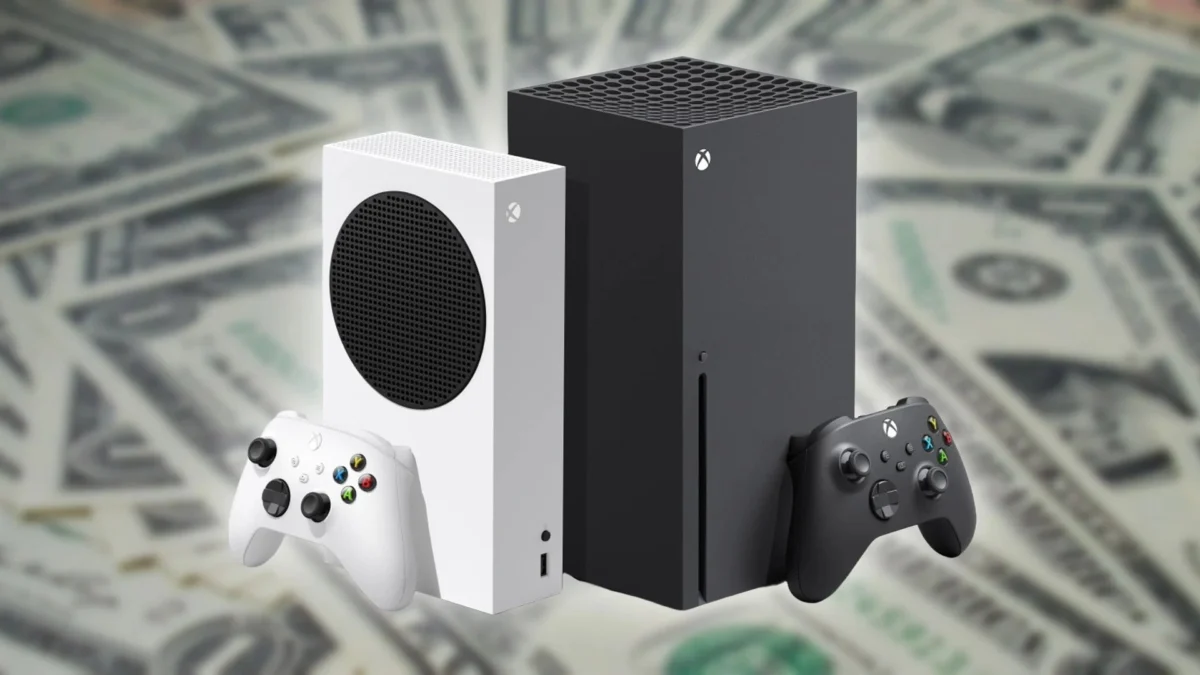
Xbox achieved its most robust month for console sales in the United States in June 2026, marking a significant 86% increase in units sold compared to the same period last year. This surge, accompanied by an uptick in average selling prices, positions June 2026 as a crucial turning point for Microsoft’s gaming division, even as it navigates complex market dynamics and prepares for impending price hikes. The data, meticulously compiled and reported by industry tracking firm Circana (formerly NPD Group) and highlighted by its Executive Director and Video Game Industry Analyst, Mat Piscatella, provides a nuanced glimpse into the fluctuating fortunes of the console market.
The reported growth is particularly noteworthy given the broader economic pressures and competitive landscape. While the 86% year-on-year increase paints a positive picture, a deeper dive into the preceding year’s performance reveals a significant low base effect. June 2025 was described by analysts as a particularly challenging period for Xbox, primarily influenced by two major factors: an earlier price increase for Xbox Series X and Series S consoles implemented in May 2025, and the highly anticipated launch of the Nintendo Switch 2, which captured considerable consumer attention and discretionary spending. These combined elements led to a depressed sales performance in June 2025, thereby making the subsequent year’s recovery appear more dramatic.
A Retrospective: The Genesis of the 2025 Dip
To fully comprehend the magnitude of Xbox’s June 2026 performance, it is imperative to revisit the market conditions of the previous year. In May 2025, Microsoft announced and subsequently implemented a worldwide price increase for its Xbox Series X and Series S consoles. This decision was largely attributed to a confluence of macroeconomic factors, including persistent inflationary pressures, escalating component costs, and ongoing global supply chain disruptions. While such adjustments are often deemed necessary to maintain profitability and sustainability in a high-cost manufacturing industry, they invariably impact consumer demand. The immediate aftermath of the May 2025 price hike saw a noticeable cooling in sales, as potential buyers either postponed purchases or sought alternatives, leading directly to the subdued performance observed in June 2025.
Compounding this challenge was the highly anticipated market entry of the Nintendo Switch 2 in June 2025. Nintendo’s new console, building upon the immense success and broad appeal of its predecessor, commanded significant media attention and consumer interest. Historically, new console launches from major players like Nintendo tend to create a gravitational pull, diverting consumer spending away from competing platforms, at least in the short term. The allure of novel hardware, coupled with the excitement surrounding a new generation of exclusive titles, undoubtedly siphoned off a segment of the potential console-buying audience that might otherwise have considered an Xbox Series console. The combined effect of Xbox’s price adjustment and intense new competition from Nintendo created what analysts retrospectively termed a "ruined" sales month for Xbox in June 2025.
Driving Forces Behind the June 2026 Resurgence
The remarkable turnaround in June 2026 can be attributed to several strategic and market-driven factors. Foremost among these is the anticipation of further price increases. With public announcements made in late June 2026 regarding new price adjustments for Xbox Series X and Series S consoles set to take effect at the start of August, a common consumer behavior known as "pull-forward demand" likely played a significant role. Consumers, aware of impending higher prices, often accelerate their purchasing decisions to secure products at the current, lower cost. This pre-emptive buying spree could have incentivized many fence-sitters to commit to an Xbox purchase in June or July 2026, before the new pricing structure was implemented.
Beyond this immediate economic stimulus, Xbox’s ongoing efforts to enhance its ecosystem and user experience also contributed. The company has been actively rolling out new features and quality-of-life improvements to the Xbox platform. Examples such as expanded gamertag options and other system enhancements, though seemingly minor individually, collectively contribute to a perception of a continually evolving and user-centric platform. These incremental improvements, coupled with strategic marketing campaigns highlighting the value proposition of the Xbox ecosystem—including its popular Game Pass subscription service, which offers access to a vast library of games—likely helped to entice new buyers.
Furthermore, it is reasonable to infer that targeted promotional activities and bundles might have been deployed by Microsoft or its retail partners in the lead-up to the announced August price hike. Such strategies often involve temporary discounts on console bundles, inclusion of popular games, or value-added accessories, designed to stimulate sales volume. While specific details of such promotions were not disclosed in the initial report, they are a standard industry practice when anticipating price adjustments or aiming to clear inventory.
Lastly, potential, albeit modest, improvements in component supply chains over the past year could have enabled Xbox to meet demand more effectively. Despite the persistence of a "component crisis," as acknowledged by Xbox’s Chief Strategy Officer, any marginal gains in manufacturing efficiency or component availability would translate into more units on retail shelves, thus facilitating higher sales volumes when demand is present.
The Broader Console Market in June 2026: A Comparative View
Despite Xbox’s impressive year-on-year growth, the competitive landscape in June 2026 reveals a more complex picture. Mat Piscatella’s analysis indicated that both the Nintendo Switch 2 and the PlayStation 5 continued to outsell Xbox in the US during June 2026. This occurred even as both competing platforms experienced their own year-on-year declines in sales. This observation underscores the persistent market dominance of Nintendo and Sony in terms of raw unit sales, driven by factors such as larger install bases, diverse target demographics, and established exclusive game libraries.
The overall trend of year-on-year declines for Switch 2 and PS5 could signal a broader cooling in the console market after the significant boom experienced during the earlier phases of the pandemic. Consumer spending patterns are normalizing, and the initial wave of excitement for current-generation consoles might be subsiding, leading to more moderate sales figures across the board. In this context, Xbox’s growth, even if influenced by a low base effect and pre-emptive buying, represents a notable counter-trend within a generally decelerating market.
The Impending August 2026 Price Hike and Future Implications
The positive momentum generated in June 2026 is, however, set against the backdrop of new price increases for Xbox Series X and Series S consoles slated for early August. These adjustments, announced in late June, are expected to further elevate the retail cost of Xbox hardware. While the immediate effect of the announcement might have spurred the June sales rush, the long-term implications are likely to be more challenging.
Industry analysts predict that these new price points could lead to a short-to-medium term contraction in Xbox console sales post-August. The economic principle of demand elasticity suggests that as prices rise, demand tends to fall, especially for discretionary goods like gaming consoles. Xbox’s strategic rationale for these increases likely centers on maintaining profitability in an environment of continuously rising manufacturing and operational costs. The global economic climate, characterized by persistent inflation and fluctuating currency exchange rates, necessitates such adjustments to ensure financial viability and allow for continued investment in research, development, and content creation.
Long-Term Strategy: Project Helix, Exclusives, and Ecosystem Expansion
Looking beyond the immediate sales figures, Xbox’s long-term strategy remains focused on broader ecosystem development and future-proofing its gaming division. The mention of "Project Helix" proceeding as planned is a significant indicator of this forward-looking approach. While details of Project Helix are typically guarded, it generally refers to Xbox’s strategic roadmap for its next-generation hardware and software ecosystem. This includes advancements in console technology, cloud gaming infrastructure, and a unified cross-platform experience that spans consoles, PC, and mobile devices. Continued confidence in Project Helix suggests that Microsoft is committed to significant investment in future hardware iterations and technological innovation to remain competitive in the evolving gaming landscape.
A cornerstone of Xbox’s strategy also revolves around content and exclusives. The article alludes to "plans for exclusives," which is critical for driving platform adoption and retention. In an increasingly competitive market, a strong lineup of first-party titles, developed by Xbox Game Studios and its acquired entities, is essential for differentiating the platform. The continued expansion of Xbox Game Pass, offering a Netflix-like subscription service for games, also plays a pivotal role in this content strategy, providing immense value to subscribers and acting as a significant draw for new users to the Xbox ecosystem, irrespective of specific hardware sales.
Furthermore, Xbox’s response to the ongoing component crisis is crucial. The acknowledgment from Xbox’s Chief Strategy Officer that "console demand is outstripping supply amidst a crisis for component prices" highlights a fundamental challenge faced by all hardware manufacturers. This crisis, stemming from global semiconductor shortages and supply chain bottlenecks, affects manufacturing capacity and ultimately limits the number of consoles that can be brought to market. Xbox, like its competitors, is likely engaged in complex negotiations and long-term procurement strategies to secure vital components, ensuring a more stable supply chain moving forward. These efforts are critical not only for current generation consoles but also for the successful rollout of future projects like Project Helix.
Conclusion: A Nuanced Victory Amidst Headwinds
Xbox’s June 2026 performance represents a noteworthy, albeit nuanced, victory. The 86% year-on-year increase in US console sales underscores the brand’s resilience and its ability to attract consumers, particularly when incentivized by impending price changes. It served as the best sales month for Xbox in 2026 so far, providing a much-needed boost amidst a period of market volatility.
However, the analysis reveals that this success is partly attributable to the unusually low baseline of June 2025 and the immediate consumer reaction to announced price increases. The fact that PlayStation 5 and Nintendo Switch 2 still outsold Xbox, despite their own sales declines, emphasizes the ongoing competitive challenges. As Xbox prepares for another round of price hikes in August, the market will keenly observe how demand responds in the coming months.
Ultimately, Xbox’s long-term success hinges not just on monthly sales figures, but on its overarching strategy: navigating component shortages, delivering compelling exclusive content, continually enhancing its ecosystem through features and services like Game Pass, and executing on ambitious future plans like Project Helix. The June 2026 surge offers a moment of positive reflection, but the path ahead remains complex, demanding sustained strategic foresight and adaptability in a dynamic global market.