


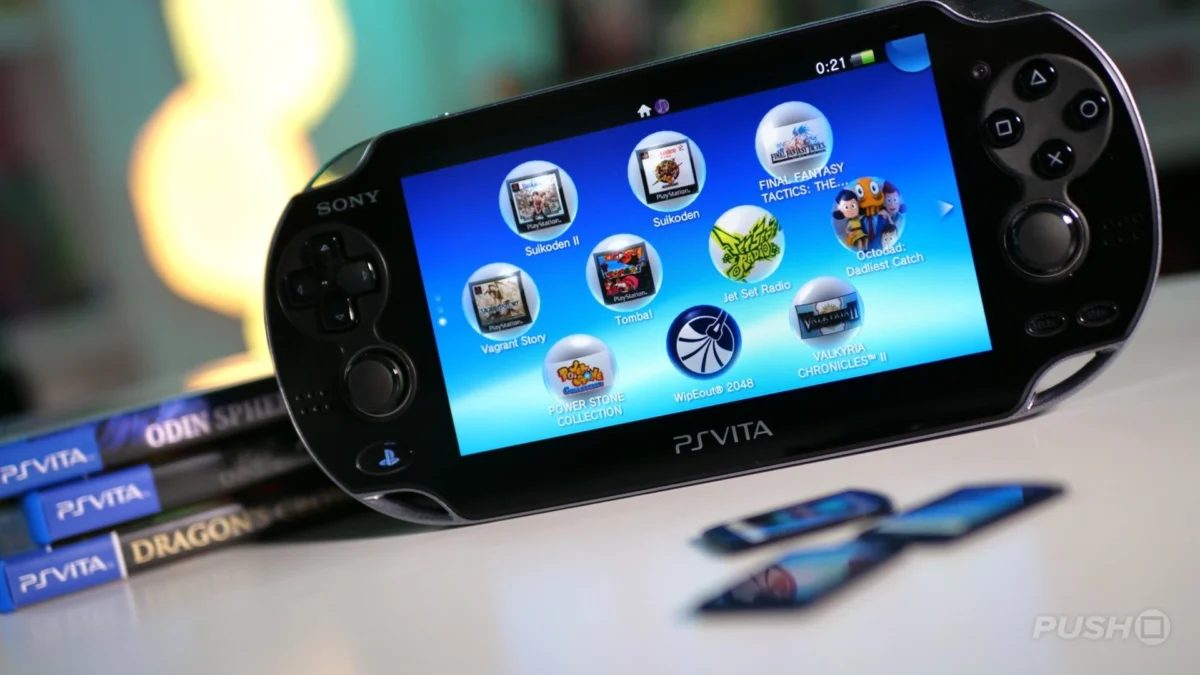
In a surprising development that marries disparate gaming ecosystems, enthusiasts have successfully enabled Xbox Cloud Gaming (xCloud) on the PlayStation Vita handheld console through a new homebrew application named GreenVita. This technical feat, which began circulating in the homebrew community a few days ago, represents a significant achievement for independent developers, pushing the boundaries of cross-platform compatibility and extending the utility of Sony’s discontinued portable device. While reports on performance vary, the mere capability of streaming Xbox titles to a PS Vita underscores the ingenuity of the homebrew scene and the adaptable nature of cloud gaming technology.
The Convergence: Xbox Cloud Gaming Meets PS Vita
Xbox Cloud Gaming, an integral part of Microsoft’s Xbox Game Pass Ultimate subscription service, was conceived to liberate gaming from dedicated hardware, allowing players to access a vast library of titles on a multitude of devices. Officially supported platforms include Android and iOS smartphones and tablets, Windows PCs, Xbox consoles, smart TVs, and even select vehicles. The service leverages Microsoft’s expansive Azure cloud infrastructure to stream gameplay in real-time, aiming for a low-latency, high-fidelity experience across various internet connections. Its strategic importance lies in Microsoft’s vision to make Xbox gaming accessible to anyone, anywhere, without requiring the purchase of a dedicated console.
The PlayStation Vita, on the other hand, occupies a unique place in gaming history. Launched in Japan in December 2011 and globally in early 2012, it was Sony’s ambitious successor to the immensely popular PlayStation Portable (PSP). Boasting impressive hardware for its time, including a vibrant OLED (later LCD) screen, dual analog sticks, front and rear touchpads, and motion sensing capabilities, the Vita was critically acclaimed for its technical prowess. Despite its hardware strengths and a respectable library of games, the Vita struggled to achieve commercial success comparable to its predecessor or Nintendo’s competing handhelds. Production officially ceased in 2019, and support for its digital storefront has been gradually phased out, marking its official end-of-life. However, for a dedicated community of modders and enthusiasts, the Vita’s story was far from over; its hardware, combined with discovered vulnerabilities, provided fertile ground for a thriving homebrew scene.
GreenVita: The Bridge to Unofficial Compatibility
The emergence of GreenVita marks a pivotal moment in the Vita’s post-commercial life. This homebrew application effectively acts as an unofficial client, enabling the PlayStation Vita to connect to Microsoft’s xCloud servers and stream games. Details regarding the application’s underlying architecture are still emerging from the community, but it likely involves leveraging existing open-source libraries or custom implementations to decode the video stream, process audio, and relay controller inputs over the internet. The PS Vita’s native Wi-Fi capabilities (supporting 802.11 b/g/n standards) and its comprehensive input scheme—featuring dual analog sticks, a D-pad, face buttons, shoulder buttons, and front/rear touch—make it a surprisingly suitable candidate for streaming services, provided the software layer can effectively bridge the gap.
Initial reports from users experimenting with GreenVita have been mixed regarding performance. Some YouTube videos circulating online suggest noticeable input lag, a common hurdle for any cloud streaming service, especially when operating on unsupported hardware and potentially older Wi-Fi standards. This lag can be influenced by numerous factors, including the user’s internet connection speed and stability, proximity to Microsoft’s Azure data centers, the specific game being streamed (some are more latency-sensitive than others), and the inherent processing overhead on the Vita itself. Conversely, other reports and videos claim a surprisingly smooth, near-lag-free experience, highlighting the variability that often characterizes unofficial software and diverse user setups. This divergence in experiences underscores the experimental nature of GreenVita and the need for optimal conditions to achieve playable results.
The Homebrew Phenomenon: Pushing Boundaries Beyond Official Support
The development of GreenVita is a testament to the enduring power and creativity of the homebrew community. Homebrew refers to unofficial software developed by enthusiasts for closed-platform devices, often after manufacturers have ceased official support. Motivations for homebrew development are manifold: extending device functionality, preserving legacy hardware, enabling new use cases, or simply the challenge of reverse engineering and technical exploration. For consoles like the PS Vita, which possess robust hardware but faced commercial limitations, the homebrew scene becomes a crucial lifeline, unlocking capabilities never envisioned by the original creators.
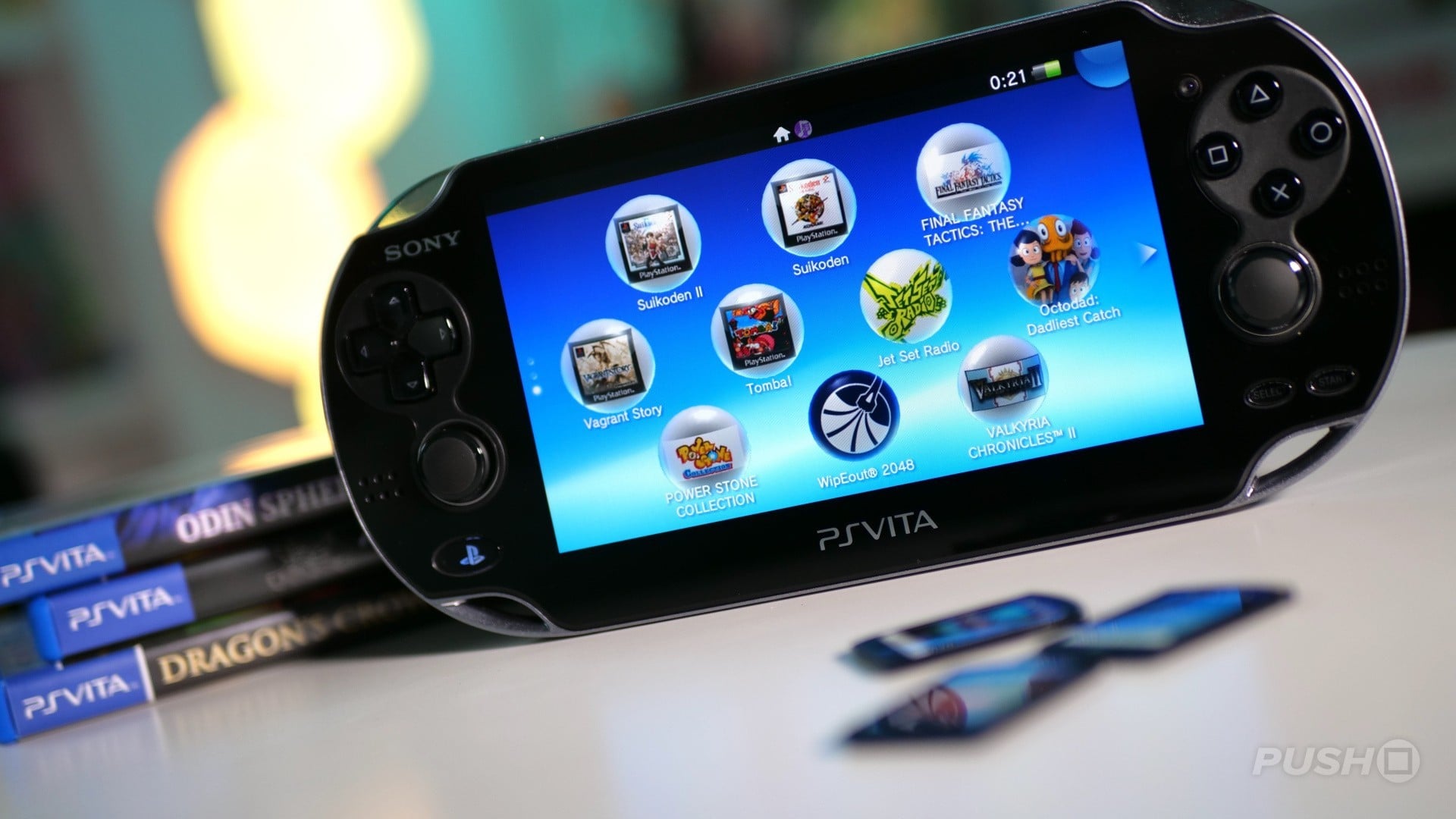
Engaging with homebrew software, however, comes with inherent risks. Users are typically required to modify their device’s firmware, a process often referred to as "jailbreaking" or "custom firmware installation." This can void warranties (though largely irrelevant for an EOL device like the Vita), potentially "brick" the console if done incorrectly (rendering it unusable), and introduce security vulnerabilities if the source of the homebrew is not trustworthy. For the dedicated PS Vita community, these risks are often deemed acceptable trade-offs for the expanded functionality and extended lifespan that homebrew provides. Projects like GreenVita not only keep the hardware relevant but also serve as a cultural touchstone, celebrating user-driven innovation over manufacturer-imposed limitations.
Implications and Reactions: A Niche Triumph with Broader Echoes
From a practical standpoint, the ability to play Xbox Cloud Gaming on a PS Vita is likely to remain a niche pursuit rather than a primary method of accessing Xbox titles for most users. Officially supported platforms, such as modern smartphones, PCs, and Xbox consoles, will invariably offer a more stable, higher-performance, and less complicated experience. These platforms benefit from optimized client applications, superior network hardware, and more powerful processing capabilities designed specifically for cloud streaming. Nevertheless, for dedicated PS Vita enthusiasts, GreenVita offers a compelling novelty—a tangible demonstration of what’s possible when technological barriers are circumvented. It adds another layer of versatility to a device already celebrated within its community for its extensive homebrew applications, emulators, and ports.
In terms of official reactions, both Microsoft and Sony are unlikely to issue direct statements regarding GreenVita. Microsoft’s stance typically focuses on promoting the security, reliability, and performance of xCloud on officially supported platforms. While they may tacitly acknowledge the broader interest in cloud gaming, endorsing or commenting on an unofficial homebrew project for a rival’s discontinued hardware would deviate from their corporate strategy. Similarly, Sony, having long moved past the Vita, has no vested interest in the homebrew activities surrounding the console. Their focus remains on their current generation platforms and services.
However, the broader implications of such developments resonate across the gaming industry. It highlights the inherent desire of users to transcend platform exclusivity and access content on their preferred devices, even if unofficially. It also subtly underscores the power of cloud gaming as a platform-agnostic service, capable of being adapted to a wide array of hardware. While Microsoft seeks to extend xCloud’s reach through official partnerships and integrations, the homebrew community demonstrates an alternative, bottom-up approach to achieving similar goals. This ongoing tension between official control and user-driven innovation continues to shape the digital landscape.
The Future of Cross-Platform Play and Homebrew Innovation
The GreenVita project, while a relatively small-scale development, fits into a larger narrative of increasing interoperability and accessibility in gaming. As cloud gaming technologies mature, the hardware requirements for local processing diminish, making a broader range of devices theoretically capable of streaming high-end games. This trend could lead to more official integrations across diverse hardware in the future, potentially even bridging traditional console rivalries in new ways.
Furthermore, the continuous evolution of the homebrew scene serves as a constant reminder of the potential latent within older hardware. Dedicated communities, armed with reverse engineering skills and a passion for technology, consistently demonstrate that "end-of-life" for a console often signifies the beginning of a new chapter of unofficial innovation. These efforts not only preserve gaming history but also push the boundaries of what is thought possible, inspiring new generations of developers and challenging manufacturers to consider more open and flexible approaches to hardware design and software distribution.
In conclusion, GreenVita’s ability to bring Xbox Cloud Gaming to the PlayStation Vita is more than just a technical curiosity; it’s a testament to the ingenuity of the homebrew community and the evolving landscape of digital entertainment. While it carries the caveats of unofficial support and variable performance, it stands as a striking example of how dedicated users can reshape their gaming experiences, proving that even a beloved, albeit discontinued, handheld can find new life by connecting to the cutting edge of cloud technology. Users interested in exploring this unique cross-platform experience should proceed with caution and research, understanding the risks associated with modifying their devices, but can undoubtedly appreciate the technical marvel that GreenVita represents.