


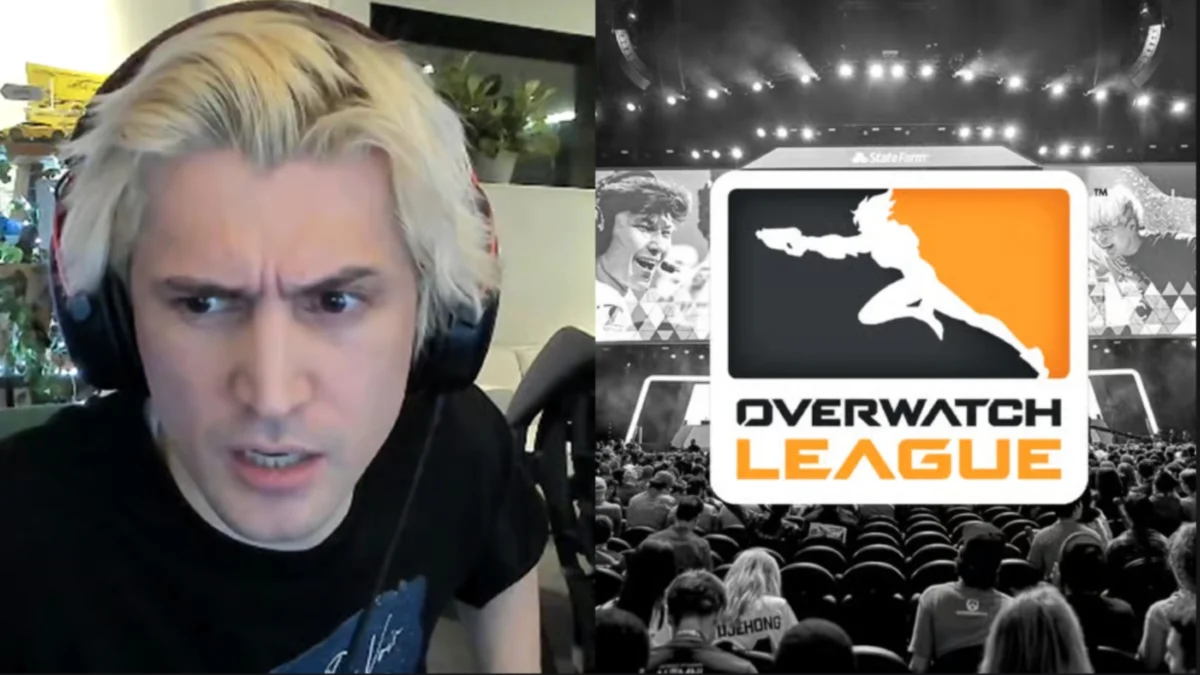
Felix "xQc" Lengyel, a prominent figure in the esports and streaming communities, has leveled serious accusations against the Overwatch League (OWL), claiming that the league artificially inflated its viewership numbers through the use of viewbotting. These allegations, made during a recent stream, suggest that this perceived manipulation of data played a significant role in his decision to step away from professional Overwatch competition. Lengyel’s statements directly challenge the reported success of the league, particularly in its early stages.
The controversy reignited following a 2019 video clip featuring Mark Cuban, a prominent investor and entrepreneur, who stated that the Overwatch League had achieved a concurrent viewership peak of 300,000. Lengyel, reacting to this assertion, vehemently disputed the figures, alleging that the actual viewership was substantially lower, estimating it to be closer to 14,000. "These numbers were so botted," xQc stated emphatically, his voice conveying a strong sense of disbelief. "These numbers were so botted, it’s comical. Brother, for multiple years, they tried to hide the numbers." This direct accusation points to a systematic effort by the league to misrepresent its audience engagement.
Deep Dive into the Allegations: A Whistleblower’s Account
Lengyel elaborated on his claims by referencing an alleged insider source who provided him with internal viewership data during the league’s initial testing phase on Major League Gaming (MLG) platforms. "They ran a test on MLG," he explained. "For the preseason, they said, ‘we’re going to run Overwatch League on MLG TV.’ And I had an insider whistleblower that was talking to me. I’m not going to say who. And he told me the numbers of how many people were actually watching. And I went, ‘Yo!?’" While Lengyel did not provide concrete evidence or name his source, this narrative suggests a level of inside knowledge that informed his skepticism. The reliance on an unnamed source, however, leaves these claims unsubstantiated in a verifiable sense.
The implications of such widespread viewbotting, if proven, would be far-reaching. Viewership numbers are a critical metric for any professional sports league or esports organization, influencing everything from sponsorship deals and media rights to fan perception and the valuation of franchises. Inflated numbers could mislead investors, advertisers, and the public about the league’s true reach and popularity, potentially creating a false impression of success.
The Personal Impact: Weighing Streaming Against Professional Ambitions
Beyond the broader implications for the Overwatch League, Lengyel articulated how these alleged discrepancies significantly impacted his personal career trajectory. He revealed that even after signing contracts to compete in the Overwatch League, the revelations about viewership manipulation sowed seeds of doubt about his future. "I had already signed the contracts to play in the Overwatch League," he recalled. "When I heard that, I was like… I’m already starting to organize my exit."
This internal conflict stemmed from a fundamental question of value proposition. Lengyel, who had already cultivated a substantial following as a streamer, expressed concern about the viability of his dual career path. "How am I going to market myself as a 10k Andy to a 14k Andy stream?" he questioned, referring to his audience size. The perceived lack of genuine audience growth for the league made the sacrifices required for professional play seem increasingly disproportionate.
Contractual Constraints and the Exodus from Professional Play
Lengyel further detailed how the restrictive nature of Overwatch League contracts played a crucial role in his decision to leave. He highlighted the limitations placed on players’ ability to engage with their personal brands and content creation outside of official league activities. "Why would I take days off to practice? Go to the office, practice. Do scrims. Do matches," he elaborated. "I can’t stream, I can’t make videos, I can’t vlog. I wasn’t even allowed to stream when the games were live."
This inability to simultaneously pursue his passion for streaming and content creation while dedicating himself to professional play created an untenable situation. For Lengyel, who had built a significant portion of his career and income through streaming, the Overwatch League’s demands represented a substantial opportunity cost. "So why would I lose everything with nothing to gain? It’s just about the exchange of value," he concluded, emphasizing a pragmatic assessment of his career choices. The league’s policies, coupled with his doubts about its underlying metrics, ultimately pushed him towards prioritizing his burgeoning streaming career.
Historical Context: The Rise and Scrutiny of the Overwatch League
The Overwatch League, launched by Blizzard Entertainment in 2017, was envisioned as a premier esports league with a franchised city-based model, aiming to emulate traditional sports leagues. The initial launch generated considerable excitement and investment, with many anticipating it would become a dominant force in the esports landscape. Early viewership figures, while not reaching the astronomical numbers claimed by Cuban in the later video, did show promising engagement. For instance, the inaugural season’s Grand Finals reportedly garnered over 10 million unique viewers across its digital platforms, though this figure encompasses a broader definition of viewership over time, not concurrent peak viewers.
However, as the league progressed, scrutiny over its viewership numbers and financial sustainability intensified. Reports and analyses from esports industry insiders and analytics firms often painted a more modest picture of concurrent viewership, particularly for regular-season matches, compared to some of the league’s more optimistic pronouncements. This disconnect between reported success and perceived reality fueled speculation and criticism within the community. The league’s struggle to maintain consistent viewership and attract substantial, long-term sponsorship deals became a recurring topic of discussion.
The transition from an open-platform esports title to a franchised, closed-ecosystem league presented unique challenges. While franchised models offer greater stability and potential for long-term growth, they also require significant upfront investment and a robust infrastructure to support teams and operations. The Overwatch League’s model, in particular, faced criticism for its high franchise fees and stringent operational requirements, which some argued deterred smaller organizations and potentially limited the pool of talent and innovation.
Industry Reactions and Potential Repercussions
Lengyel’s accusations, while lacking direct evidence, resonate with broader concerns that have been raised within the esports industry regarding the transparency of viewership data. In an ecosystem where engagement metrics are paramount, the potential for manipulation, whether through accidental inflation or deliberate viewbotting, is a persistent worry.
If Lengyel’s claims were to be substantiated, the repercussions for the Overwatch League would be severe. It could lead to a loss of trust among fans, players, and potential investors. Sponsors might re-evaluate their commitments, and the league’s credibility would be significantly damaged. Such revelations could also prompt a broader industry-wide push for greater transparency and independent auditing of viewership statistics across all esports titles.
While Blizzard Entertainment and the Overwatch League have not issued a direct response to Lengyel’s specific claims of viewbotting at the time of this report, the league has historically maintained the integrity of its reported figures. However, the persistent nature of these discussions highlights the ongoing challenge of accurately measuring and reporting esports viewership in a way that satisfies all stakeholders.
The Broader Impact on Esports Career Paths
Lengyel’s personal narrative underscores a critical evolving dynamic in professional esports: the increasing importance of individual streaming and content creation alongside competitive play. For many top players, their personal brand and audience have become as valuable, if not more so, than their league salaries. This shift presents a complex decision-making process for aspiring and established professionals.
The tension between the demands of professional play and the opportunities in personal content creation is a significant factor influencing career longevity and player satisfaction. Leagues that fail to acknowledge and accommodate this reality risk alienating their top talent. Lengyel’s decision to prioritize his streaming career, citing the perceived artificiality of the league’s success and its restrictive policies, serves as a case study for this evolving landscape.
The future of the Overwatch League, and indeed many other esports leagues, will likely depend on their ability to foster genuine audience engagement, maintain transparency in their operations, and provide a viable ecosystem for players to thrive both competitively and as individual content creators. Lengyel’s outspoken critique, whether fully accurate or partially informed by his personal experiences, serves as a potent reminder of these critical considerations in the rapidly developing world of professional esports. The debate he has ignited is likely to persist as the industry continues to mature and confront the complexities of its digital-first audience and economic models.