


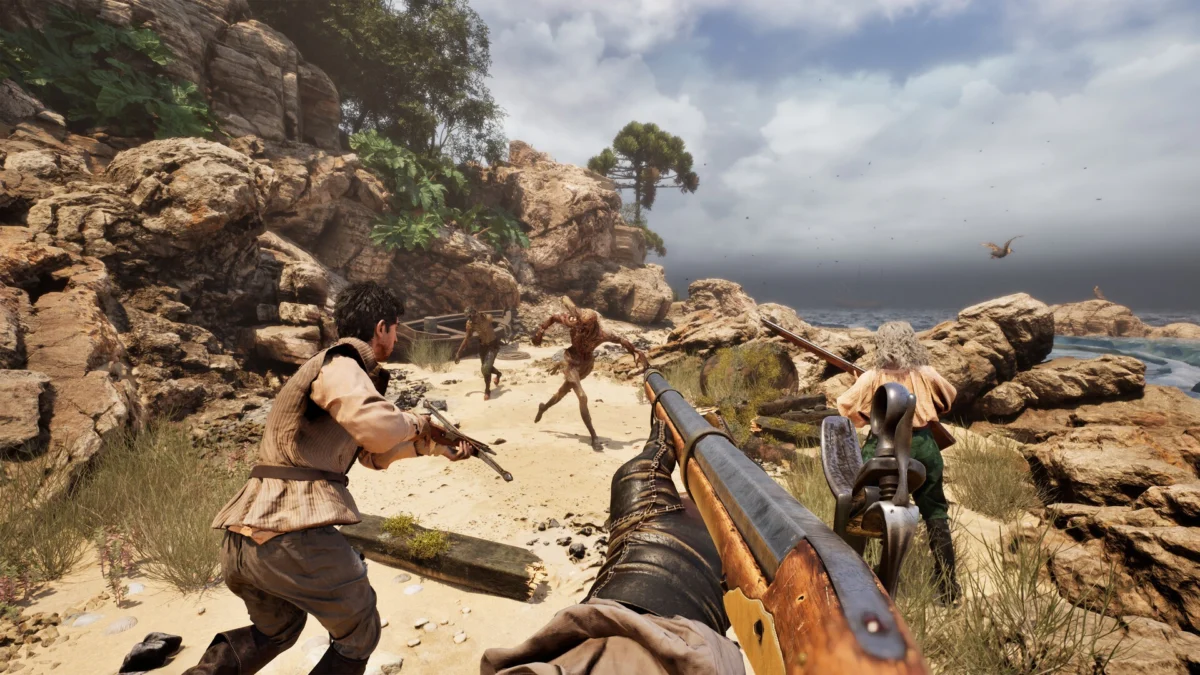
The Economic Context of the July 2026 Xbox Lineup
The release of these ten titles arrives during a period of intense scrutiny for Microsoft. Reports of impending layoffs scheduled for mid-July have created a somber backdrop for the industry; however, the ID@Xbox program remains a cornerstone of the company’s content strategy. By integrating several of these indie titles directly into the Xbox Game Pass service on their respective launch days, Microsoft aims to maintain engagement metrics during a month typically characterized by a lull in "AAA" blockbuster releases.
Industry analysts suggest that the reliance on independent developers has become a vital hedge against the rising costs and extended development cycles of first-party titles. In 2025, indie games accounted for approximately 45% of total playtime on the Xbox platform, a figure that is expected to rise in 2026 as subscription models prioritize a constant stream of "new and niche" content over occasional "mega-hits."
Chronological Release Schedule and Game Profiles
The following titles represent the most anticipated independent releases for the month, categorized by their launch dates and service availability.
Winds of Arcana: Ruination (July 6) – Xbox Game Pass
Launching in the first week of the month, Winds of Arcana: Ruination serves as a flagship 2.5D action-platformer for the summer season. Developed with a focus on narrative depth, the game features a fully-voiced cast—a rarity for smaller-scale indie productions. The story follows Aryn, a protagonist tasked with rescuing comrades in a fractured world. Mechanically, the game emphasizes fluid combat and exploration, utilizing the 2.5D perspective to create cinematic depth within a traditional side-scrolling framework. Its inclusion in Game Pass is expected to drive significant day-one engagement.
Ascend to ZERO (July 13) – Xbox Game Pass
One week later, the focus shifts to the roguelike genre with Ascend to ZERO. This title differentiates itself through a central time-manipulation mechanic. Players possess the ability to freeze time mid-combat, allowing for strategic positioning and projectile management. As a roguelike, the game features procedurally generated levels, ensuring high replayability. Data from previous years indicates that time-bending mechanics remain a high-interest "hook" for the Xbox community, particularly within the competitive rogue-lite sub-genre.
Denshattack! (July 15) – Xbox Game Pass
Denshattack! represents the more experimental side of the July lineup. Set in a vibrant Japanese dystopia, the game blends "extreme sports" mechanics with vehicular combat. Players control trains, performing tricks and grinds across a rail-based world to dismantle a corporate hegemony. The aesthetic draws heavily from the "Neo-Tokyo" visual style, targeting a demographic that appreciates high-speed, arcade-style gameplay.
The Mound: Omen of Cthulhu (July 15)
Releasing alongside Denshattack!, The Mound: Omen of Cthulhu caters to the cooperative horror market. Designed for up to four players, the game explores the Lovecraftian mythos within a jungle setting. The core gameplay loop involves treasure hunting and survival, with a unique "sanity" mechanic where creatures alter the players’ perception of reality. While not currently slated for Game Pass, its focus on social, cooperative play positions it as a potential "sleeper hit" for the mid-month period.
Moss: The Forgotten Relic (July 16)
The following day sees the release of Moss: The Forgotten Relic. This title is an atmospheric adventure game that utilizes a "living storybook" aesthetic. It emphasizes emotional storytelling and environmental puzzles. In an industry often dominated by high-speed combat, Moss follows the "slow gaming" trend, focusing on connection and narrative payoff rather than twitch reflexes.
Farlands (July 16)
Sharing the July 16 release date, Farlands enters the competitive "farming sim" market but with a science-fiction twist. Players manage an agrarian planet on the galaxy’s edge. The game taps into the "escapism" sub-genre, which has seen exponential growth since 2020. By combining resource management with space exploration, Farlands seeks to capture the audience that has traditionally supported titles like Stardew Valley and Slime Rancher.
Planet Crafter (July 21) – Xbox Game Pass
Perhaps the most mechanically ambitious title of the month, Planet Crafter is an open-world survival game focused on terraforming. Supporting 1 to 10 players, the objective is to transform a hostile planet into a habitable biosphere by managing atmospheric pressure, heat, and oxygen levels. This "educational survival" niche has proven successful on PC, and its transition to Xbox Game Pass is expected to bolster the platform’s survival-crafting catalog.
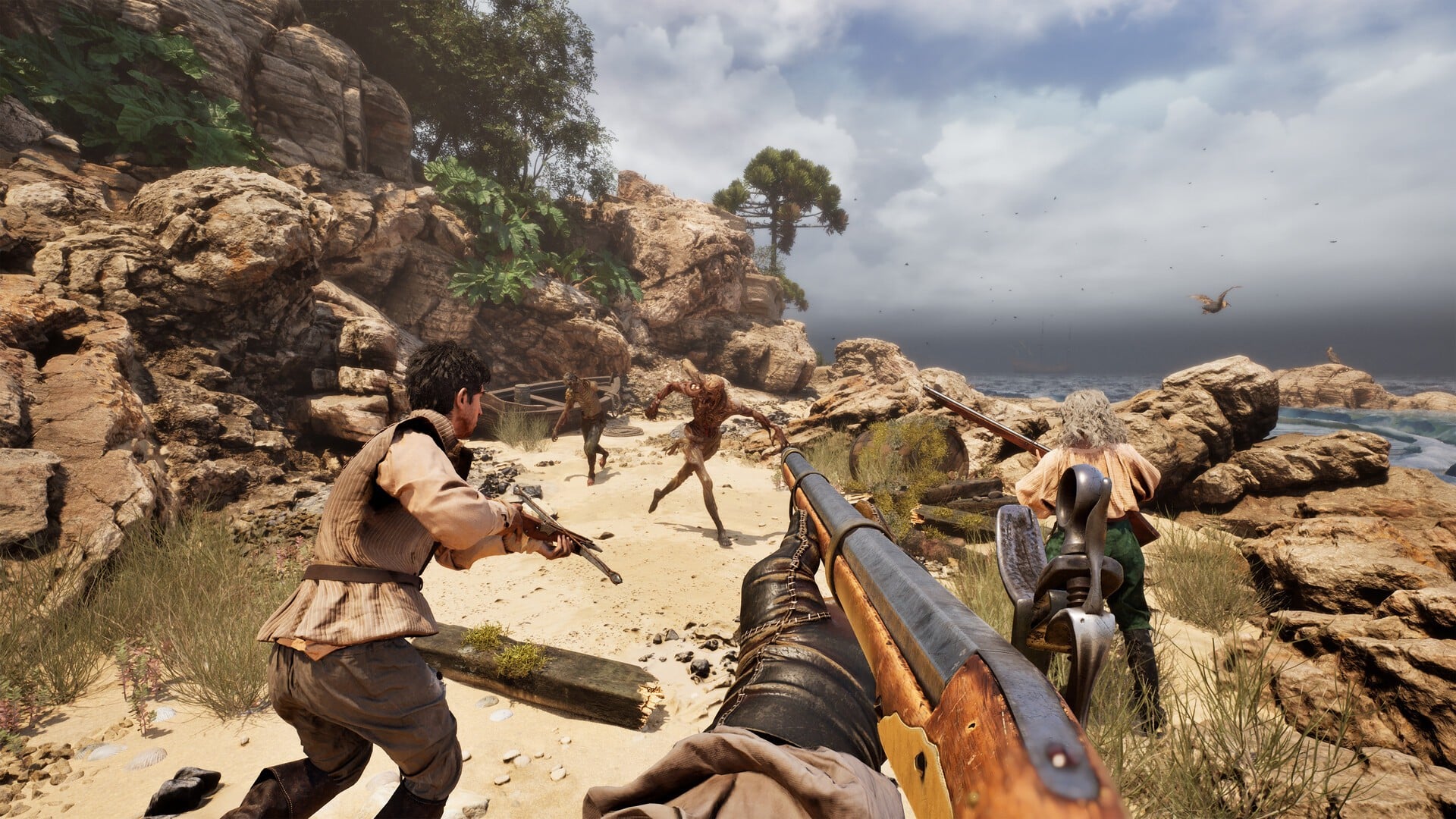
CULTIC (July 23)
CULTIC targets the "boomer shooter" demographic, utilizing a retro-inspired art style reminiscent of 1990s classics like Blood and Quake. Despite its old-school visuals, the game incorporates modern physics and movement mechanics, including sliding and environmental destruction. The success of the retro-shooter genre on Xbox over the last 24 months suggests CULTIC will find a dedicated audience among older gamers and genre enthusiasts.
Forever Skies (July 24)
Forever Skies offers a more somber take on the survival genre. Set on an ecologically ruined Earth, players operate a customizable high-tech airship. The gameplay involves scavenging for resources above a toxic dust cloud that blankets the planet’s surface. With both solo and four-player co-op modes, it addresses the ongoing market demand for "cli-fi" (climate fiction) narratives in interactive media.
Leafy Corner (July 30)
Closing out the month is Leafy Corner, a "cozy" retail simulation. Players manage a plant shop, focusing on the care of real-life botanical species and shop customization. This title aligns with the "Wholesome Games" movement, which prioritizes low-stress gameplay and aesthetic satisfaction. Retail data suggests that "cozy" games have become a vital entry point for non-traditional gamers into the Xbox ecosystem.
Supporting Data and Market Trends
The July 2026 lineup reflects a strategic pivot in the indie development cycle. According to recent industry reports, the average development time for a "premium indie" title has increased from 24 months to 38 months between 2022 and 2026. This is largely due to the integration of Unreal Engine 5 and advanced AI-driven asset generation, which allow small teams to produce high-fidelity environments.
Furthermore, the "Game Pass Effect" remains a significant factor in the success of these titles. Internal Microsoft data leaked in early 2026 suggested that indie titles featured on the service see an average of 8x more players in their first month than those released via traditional retail methods. For games like Winds of Arcana and Planet Crafter, the subscription model provides a guaranteed audience that mitigates the risks associated with a crowded July release window.
Official Responses and Industry Reactions
While Microsoft executives have declined to comment specifically on the rumored layoffs, Sarah Bond, President of Xbox, recently spoke at a digital summit regarding the importance of the indie sector. "Our commitment to the ID@Xbox program is stronger than ever," Bond stated. "The diversity of play styles we see in July—from the high-speed action of Denshattack! to the quiet reflection of Leafy Corner—is exactly what keeps the Xbox ecosystem vibrant. We are focusing our resources on ensuring these creators have the platform they need to reach a global audience."
Independent developers have expressed a mixture of optimism and caution. A spokesperson from the team behind Forever Skies noted that "the visibility provided by the Xbox storefront is unparalleled, but the competition for player time in a subscription-based world is the new challenge we all face."
Broader Impact and Implications
The July 2026 release slate serves as a microcosm of the current state of the gaming industry. As "AAA" publishers move toward fewer, larger releases, the "middle class" of game development is filling the void. The inclusion of titles that tackle environmental collapse (Forever Skies), mental health (Moss), and corporate greed (Denshattack!) indicates that indie developers are increasingly becoming the primary drivers of thematic innovation in the medium.
Moreover, the heavy presence of cooperative multiplayer games in this month’s list (The Mound, Planet Crafter, Forever Skies) highlights a shift in consumer behavior. Post-2025 gaming trends show a marked preference for "social survival" experiences over purely solo adventures. By curating a list that balances these social experiences with solo narrative journeys, Xbox is positioning itself as a versatile platform capable of weathering the internal corporate turbulence expected in the coming weeks.
As the industry moves toward the latter half of 2026, the success of these ten indie titles will likely serve as a bellwether for the health of the Xbox ecosystem. If engagement remains high despite the looming layoffs, it will reinforce the argument that the future of the platform lies not just in its internal studios, but in its ability to foster and distribute the work of independent creators worldwide.