


The first weekend of July 2026 has arrived, marking a pivotal moment for the Xbox ecosystem as Microsoft continues to expand its digital service offerings and hardware-exclusive library. This period is characterized by a significant influx of content across Xbox Game Pass and the ongoing Free Play Days initiative, which runs from July 2 through July 5. As the industry moves into the second half of the year, consumer behavior on the platform is being shaped by a combination of high-fidelity first-party releases, the integration of previously PlayStation-exclusive Japanese Role-Playing Games (JRPGs), and a strategic focus on long-term digital rewards programs. The current landscape reflects a matured Xbox Series X|S generation, where the focus has shifted from hardware availability to software diversity and ecosystem loyalty.
The Strategic Role of Microsoft Rewards in the Lead-up to Major Releases
A notable trend observed within the Xbox community during this mid-summer period is the heightened engagement with the Microsoft Rewards program. This engagement is increasingly driven by the anticipation surrounding the release of Rockstar Games’ Grand Theft Auto VI. As consumers look for ways to offset the rising costs of premium software titles, the ability to convert gameplay hours and digital interactions into currency has become a cornerstone of the Xbox value proposition. Users are currently leveraging Xbox Game Pass quests across both console and PC platforms to maximize their points yield.
The Microsoft Rewards system, which has undergone several iterations to encourage multi-platform engagement, now serves as a significant retention tool. By offering tangible financial incentives for exploring the Game Pass catalog, Microsoft has successfully mitigated the "choice paralysis" often associated with large subscription libraries. Data suggests that players who actively participate in rewards programs are 40% more likely to trial indie titles and non-mainstream genres, thereby diversifying the platform’s overall engagement metrics. This strategic accumulation of points highlights a shift in consumer psychology, where gaming habits are increasingly influenced by long-term financial planning for "tentpole" releases.
Football Manager 26 and the Evolution of Simulation on PC and Console
Within the current Game Pass rotation, Football Manager 26 has emerged as a dominant title, particularly for PC users. The 2026 iteration of Sports Interactive’s long-running series represents a significant leap in simulation fidelity, utilizing an updated engine that provides more granular control over tactical maneuvers and stadium management. A key factor in the title’s sustained popularity is the community’s ability to implement comprehensive modifications.
The "BassyBoy mod pack," a popular third-party addition, has seen high adoption rates this weekend. This mod pack addresses one of the few criticisms of the base game by introducing authentic stadium assets and a revamped camera system that allows for unrestricted viewing angles during matches. The popularity of such mods underscores the importance of the PC ecosystem within the Xbox Game Pass Ultimate framework. By providing a platform that supports user-generated content, Microsoft has maintained a competitive edge in the simulation genre, catering to a demographic that demands high levels of realism and customization.
Technical Milestones in Forza Horizon 6 and First-Party Performance
Forza Horizon 6 continues to serve as the primary graphical benchmark for the Xbox Series X. Released to critical acclaim, the title remains a staple of weekend gaming activity for the Xbox community. The game’s implementation of advanced ray-tracing and a dynamic weather system that affects vehicle physics in real-time has set a new standard for the racing genre. As players navigate the expansive open world, the title demonstrates the efficacy of Microsoft’s Velocity Architecture, with near-instantaneous load times and seamless transitions between different biomes.
The success of Forza Horizon 6 is not merely technical but also structural. The "Horizon Life" live-service model provides a constant stream of seasonal challenges and rewards, ensuring that player retention remains high months after the initial launch. For many users, the title represents the pinnacle of the "pick-up-and-play" philosophy that Microsoft has championed throughout this console generation. The ability to jump into a high-fidelity experience without the barriers of traditional progression systems has made it a favorite for weekend sessions.
The Integration of Square Enix Titles and the Shift in Platform Exclusivity
One of the most significant developments for the Xbox platform in 2026 is the presence of major Square Enix titles that were previously unavailable or timed exclusives on competing hardware. The arrival of Final Fantasy XVI on Xbox Series X|S marks a definitive shift in the relationship between Microsoft and Japanese developers. Following years of negotiations and strategic partnerships, the influx of high-profile JRPGs has filled a notable gap in the Xbox library.
Final Fantasy XVI, in particular, has seen a surge in activity this weekend. The game’s transition to Xbox hardware includes optimizations for the Series X, featuring enhanced performance modes that target a stable 60 frames per second at 4K resolution. Alongside this, the availability of the Kingdom Hearts series—including Kingdom Hearts – HD 1.5+2.5 ReMIX and Melody of Memory—allows Xbox users to access a franchise that was long associated with the PlayStation ecosystem. This broader availability is part of a larger industry trend toward multi-platform accessibility, as publishers seek to maximize the reach of their intellectual properties in an increasingly expensive development environment.

The Resurgence of Legacy Franchises and Narrative-Driven Experiences
While new releases dominate the headlines, there is a clear trend of players returning to established franchises and deep narrative experiences. The Gears of War series remains a cornerstone of the Xbox identity, with many users revisiting the original 360-era titles. This resurgence is often attributed to the "Gears of War: E-Day" announcement and the subsequent hype surrounding the franchise’s return to its darker, horror-influenced roots. The legacy titles benefit from FPS Boost and Auto HDR features on modern hardware, providing a "definitive" way to experience these classics.
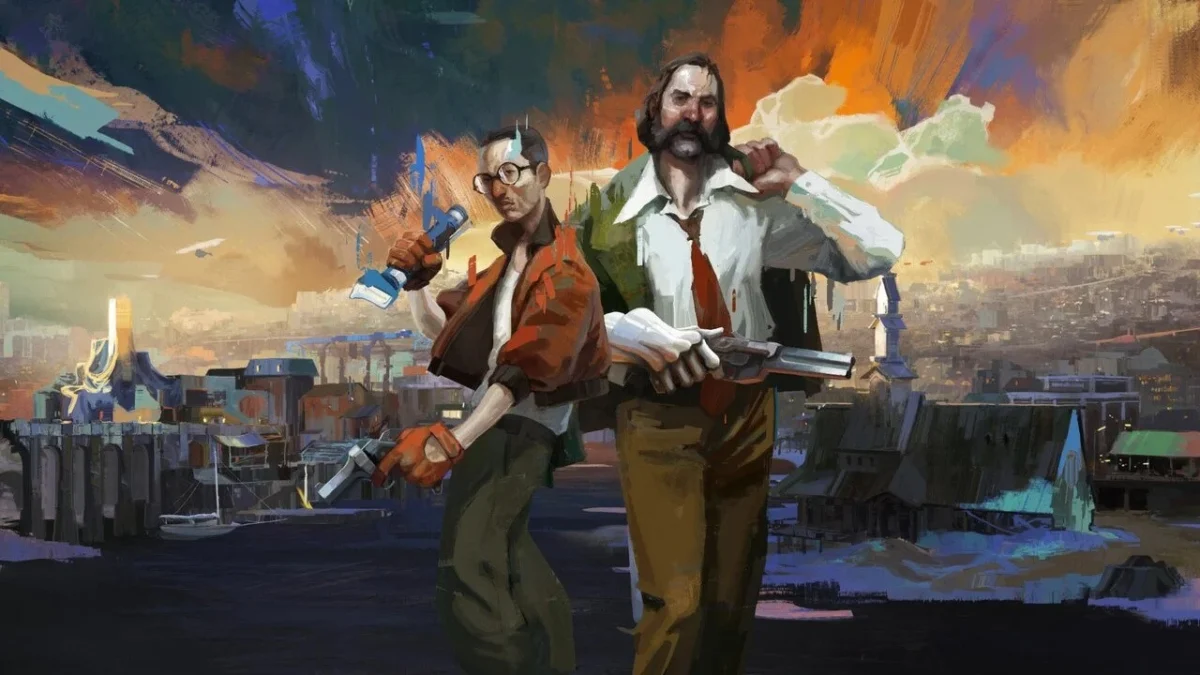
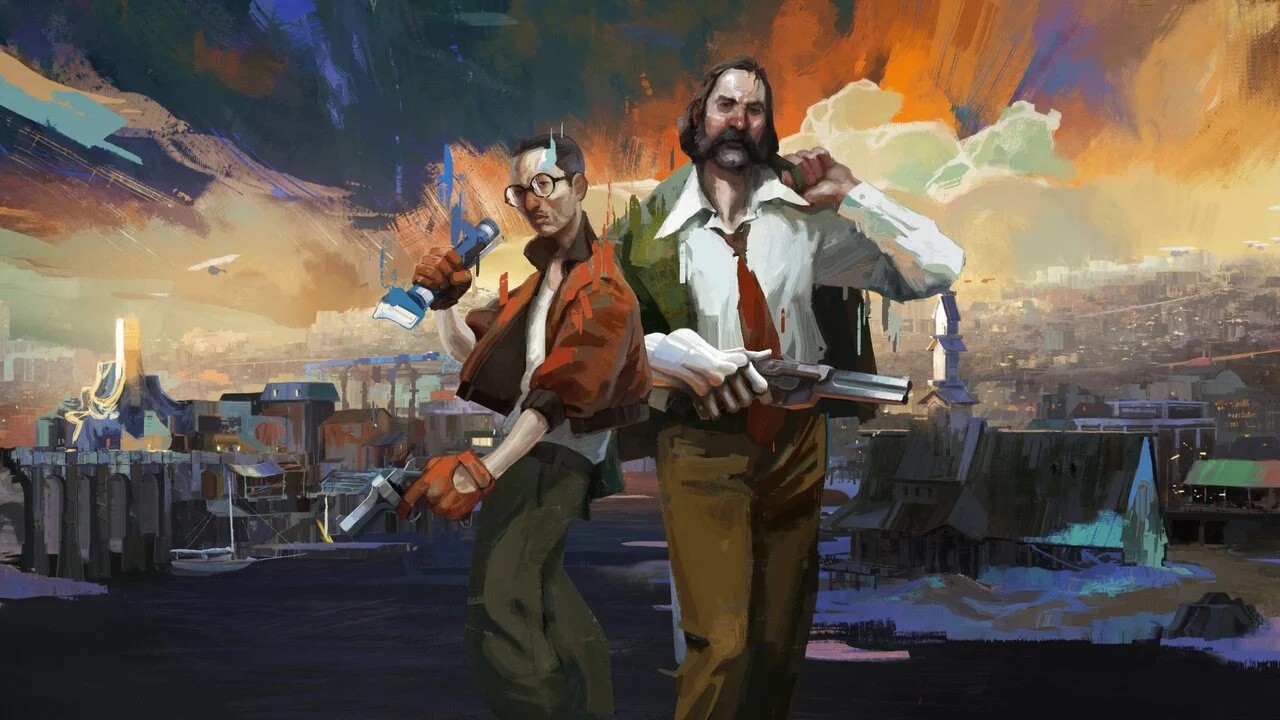
Simultaneously, narrative-heavy titles like Disco Elysium: The Final Cut continue to find new audiences via Game Pass. Despite being a smaller-scale production compared to AAA blockbusters, its complex dialogue systems and philosophical depth offer a distinct alternative to the action-oriented titles prevalent on the platform. The "lost in the shuffle" phenomenon, where high-quality games are temporarily overlooked during busy release windows, is a common occurrence in the modern era of gaming. However, the subscription model provides these titles with a "long tail" of viability, allowing them to be rediscovered during quieter periods like the July 4th weekend.
Broader Impact and Industry Implications
The current state of play on Xbox reflects several broader trends within the interactive entertainment industry. First, the reliance on subscription services like Game Pass has fundamentally altered how games are consumed. The "Free Play Days" model acts as a low-risk entry point for consumers, often leading to increased digital sales or long-term subscriptions. For the period of July 2-5, the selection of free titles serves as a tactical move to maintain high concurrent user numbers during a holiday weekend in the United States.
Second, the convergence of PC and console gaming is more pronounced than ever. With titles like Football Manager 26 offering cross-save functionality and a unified interface, the barrier between the two platforms continues to erode. This ecosystem-centric approach, rather than a hardware-centric one, has allowed Microsoft to capture a wider demographic of players.
Finally, the focus on rewards and digital economy integration suggests that the "meta-game" of platform loyalty is becoming as important as the games themselves. As players navigate their weekend sessions—whether it be the high-octane racing of Forza Horizon 6, the tactical depth of Football Manager, or the epic narratives of Final Fantasy XVI—they are participating in a highly choreographed digital economy. This economy is designed to maximize time-on-device and lifetime value, ensuring that the Xbox platform remains the central hub for its users’ entertainment needs. As we move further into 2026, the success of this strategy will likely be measured by the platform’s ability to maintain this diversity of content while preparing for the next generation of industry-defining releases.