


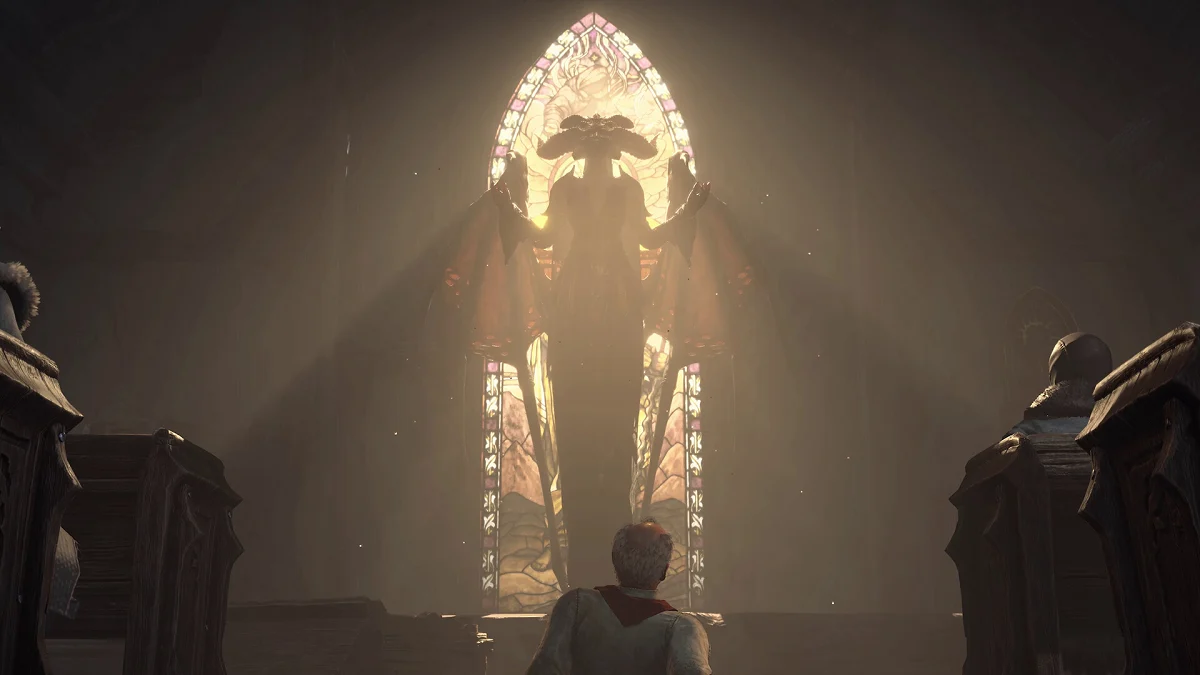
The Screen Actors Guild‐American Federation of Television and Radio Artists (SAG-AFTRA) has officially initiated a strike impacting video game work, commencing at 12:01 a.m. on July 26th. This action, which follows over eighteen months of protracted negotiations, sees SAG-AFTRA members withholding their labor from major industry players including Activision Blizzard, Electronic Arts, Take-Two, Insomniac Games, and WB Games. At the heart of this labor dispute lies a critical disagreement over the integration and regulation of artificial intelligence (AI) in video game development, particularly concerning its impact on voice and motion capture performers.
The AI Stalemate: A New Frontier in Labor Negotiations
The primary sticking point, as identified by the Guild, is the establishment of robust AI protections. Negotiations for a new Interactive Media Agreement (IMA) have been heavily focused on this emergent technology, with performers seeking safeguards against its increasing influence. SAG-AFTRA President Fran Drescher articulated the union’s firm stance: "We’re not going to consent to a contract that allows companies to abuse A.I. to the detriment of our members. Enough is enough. When these companies get serious about offering an agreement our members can live – and work – with, we will be here, ready to negotiate."
This demand for AI safeguards reflects a growing apprehension within the performing arts sector regarding the potential for AI to devalue human artistry, replicate performances without consent, and ultimately displace human workers. For voice actors and motion capture artists, the concern is particularly acute, as their performances are the very essence of digital characters and narratives. The ability of AI to generate synthetic voices or replicate facial movements raises existential questions about the future of these professions.
A Chronology of Negotiations and Escalation
The current labor conflict did not emerge overnight. Formal negotiations for the new video game contract commenced in October 2022. The process was marked by extensive discussions and an eventual overwhelming show of support for strike authorization from SAG-AFTRA members. In September 2023, a strike authorization vote saw an astonishing 98.32% of participating members voting in favor of potential strike action, signaling the deep dissatisfaction and resolve within the union.
While the Guild has indicated that some progress has been made on other contractual points, the issue of AI has consistently remained a fundamental impediment to reaching a comprehensive agreement. This persistent deadlock underscores the perceived gravity of the AI threat in the eyes of the union and its members.
Supporting Data: The Growing Presence of AI in Game Development
The concerns voiced by SAG-AFTRA are not without precedent or evidence. A recent report by Wired explored the increasingly documented integration of generative AI technologies into video game development pipelines. Publishers, including Activision Blizzard, are reportedly experimenting with and implementing AI tools that can assist in various stages of production, from asset creation to dialogue generation.
This trend suggests that the fears of AI’s pervasive influence are grounded in current industry practices and future projections. The potential for AI to automate tasks previously performed by human actors, such as generating incidental dialogue or even creating placeholder character performances, poses a direct challenge to the established labor model for performers in the gaming industry. The union’s demand for AI protections can be seen as a proactive measure to ensure that technological advancements do not come at the direct expense of its members’ livelihoods and creative integrity.
Official Responses: A Divide in Perspective
The video game companies, represented by a bargaining group that includes the aforementioned publishers, have expressed disappointment with SAG-AFTRA’s decision to strike. Audrey Cooling, a spokesperson for the companies, stated in a released statement that they remain "prepared" to resume negotiations.
"We have already found common ground on 24 out of 25 proposals, including historic wage increases and additional safety provisions," Cooling elaborated. "Our offer is directly responsive to SAG-AFTRA’s concerns and extends meaningful AI protections that include requiring consent and fair compensation to all performers working under the IMA. These terms are among the strongest in the entertainment industry."
This statement highlights a significant divergence in how both parties perceive the AI issue. While the companies assert that their offer includes "meaningful AI protections" and "strongest in the entertainment industry" terms, the Guild evidently views these proposals as insufficient to address their core concerns about consent, compensation, and the potential for exploitation. The phrase "requiring consent and fair compensation" from the companies’ statement, while seemingly aligned with the union’s goals, likely differs in scope and definition of what constitutes "fair" and what specific AI applications require consent.
Historical Context: Lessons from Past Labor Actions
This current strike is not the first time that video game voice actors have engaged in industrial action. In 2016, SAG-AFTRA members, then represented by the Screen Actors Guild and the American Federation of Television and Radio Artists prior to their merger, also went on strike. That labor dispute primarily centered on issues of pay, residuals, and working conditions, including concerns about vocal strain from repetitive performances.
The 2016 strike served as a crucial moment for highlighting the economic realities and professional challenges faced by video game voice actors. While compensation and safety were the focal points then, the current dispute signifies an evolution in labor concerns, with the existential threat of advanced technology taking center stage. The shift from concerns about immediate economic fairness to the potential long-term displacement by AI illustrates the dynamic nature of labor relations in an era of rapid technological advancement.
Sarah Elmaleh, Chair of the Interactive Media Agreement Negotiating Committee for SAG-AFTRA, emphasized the union’s commitment to its members in the face of what they perceive as exploitation. "Eighteen months of negotiations have shown us that our employers are not interested in fair, reasonable A.I. protections, but rather flagrant exploitation," Elmaleh stated. "We refuse this paradigm – we will not leave any of our members behind, nor will we wait for sufficient protection any longer. We look forward to collaborating with teams on our Interim and Independent contracts, which provide A.I. transparency, consent and compensation to all performers, and to continuing to negotiate in good faith with this bargaining group when they are ready to join us in the world we all deserve."
The mention of "Interim and Independent contracts" suggests that SAG-AFTRA has established alternative agreements with smaller or independent game developers that already incorporate the desired AI protections. This indicates a belief within the union that these protections are not only feasible but are already being implemented successfully in certain sectors of the industry, further fueling their resolve in negotiations with larger publishers.
Broader Impact and Implications for the Gaming Industry
The immediate impact of the SAG-AFTRA strike on video game development may not be fully realized for some time. However, in-development projects are likely to experience the most significant disruptions. The cessation of recording sessions for voice acting and motion capture can halt progress on games that are still in their formative stages. Even games slated for near-future release might be affected, potentially losing the opportunity to incorporate late-stage script revisions or reshoots that are crucial for polishing the final product.
The longer-term implications could be profound. A protracted strike might force game developers to accelerate their exploration and implementation of AI-driven solutions for content creation, potentially exacerbating the very concerns that have led to the strike. Conversely, it could also spur a greater industry-wide dialogue about ethical AI development and the importance of human creative input.
In a related development, SAG-AFTRA has announced a panel discussion scheduled for San Diego Comic-Con, featuring several prominent SAG-AFTRA game actors discussing their craft. This event, now imbued with heightened significance due to the ongoing strike, is expected to draw considerable attention and provide a platform for actors to voice their perspectives directly to fans and the broader public. The strike is poised to cast a long shadow over the entertainment landscape, particularly within the rapidly evolving world of video game production, as the industry grapples with the ethical and economic challenges posed by artificial intelligence. The outcome of this labor dispute could set a crucial precedent for how AI is integrated into creative industries and how performers are protected in an increasingly automated future.