


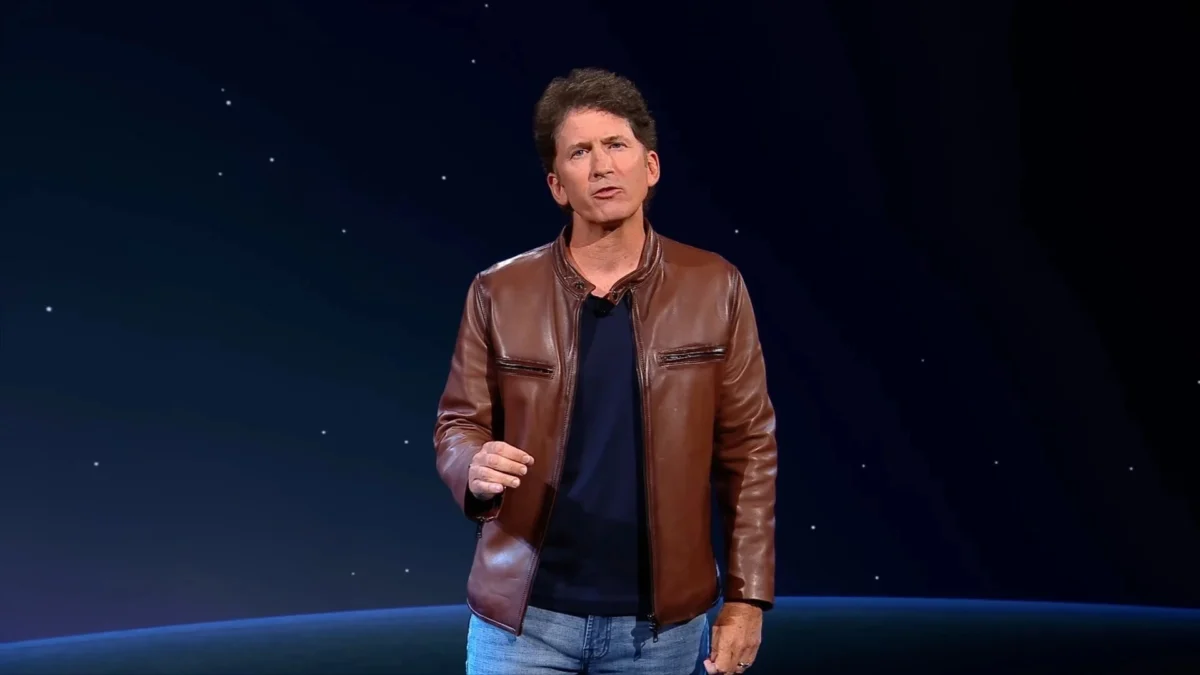
Speculation surrounding the potential exclusivity of highly anticipated titles such as Fallout 5 and The Elder Scrolls VI to Microsoft’s Xbox ecosystem has intensified following recent announcements from Bethesda Game Studios and strategic statements from Xbox leadership. Todd Howard, the revered director and executive producer at Bethesda, offered a characteristically guarded response when directly questioned about the platform availability of these future blockbusters, stating it was "too early to comment." This non-committal stance, while unsurprising given the nascent stages of development for some of these projects, has further fueled industry debate and fan anticipation regarding Microsoft’s long-term content strategy.
The renewed focus on exclusivity comes on the heels of a significant roadmap unveiling by Bethesda Game Studios, outlining ambitious plans for its flagship franchises. This roadmap included a multitude of new game announcements specifically for the beloved Fallout series, alongside updates concerning The Elder Scrolls IV (likely a misnomer for The Elder Scrolls VI as IV has already been released) and Starfield. Among the most notable revelations were the confirmations of Fallout 3 Remastered and Fallout: New Vegas Remastered, two highly requested revivals, and perhaps most intriguingly, a new Fallout game being developed by Obsidian Entertainment. These announcements, while exciting for fans, immediately brought the question of platform exclusivity to the forefront of industry discussions, particularly in light of Microsoft’s aggressive push for first-party content.
Microsoft’s Strategic Imperative: The Exclusivity Drive
Xbox leadership, including CEO Asha Sharma and Matt Booty, has been unequivocal in outlining their strategy to bolster the Xbox ecosystem through a consistent pipeline of exclusive titles. They have publicly declared intentions to deliver Xbox exclusives on a yearly basis, a clear signal of Microsoft’s commitment to strengthening its content library and driving engagement for its hardware and Game Pass subscription service. This strategy is a direct response to the fiercely competitive landscape of the console market, where exclusive games are often the primary drivers of hardware sales and platform loyalty.
While Microsoft has affirmed its dedication to honoring existing contractual agreements, such as the arrangement for Halo: Campaign Evolved on PlayStation 5, the situation differs significantly for unannounced or newly conceptualized titles. Games like Fallout 5 and The Elder Scrolls VI have never been formally announced for specific platforms, leaving their destination open to Microsoft’s strategic discretion. This distinction is crucial, as it provides Microsoft with a clean slate to implement its exclusivity policies without the complexities of pre-existing third-party deals. The sheer magnitude and cultural impact of these franchises mean that any decision regarding their exclusivity will reverberate across the entire gaming industry.
The ZeniMax Acquisition: A Defining Moment
To fully comprehend the current debate, it is essential to revisit a pivotal event in gaming history: Microsoft’s acquisition of ZeniMax Media, Bethesda’s parent company, for an staggering $7.5 billion in March 2021. This monumental deal brought an array of acclaimed studios, including Bethesda Softworks, id Software, Arkane Studios, MachineGames, Tango Gameworks, and Alpha Dog Games, under the Xbox Game Studios umbrella. The acquisition was widely perceived as a strategic maneuver by Microsoft to significantly enhance its first-party content offerings and to directly compete with Sony’s robust portfolio of PlayStation exclusives.
Following the acquisition, Microsoft made clear its intention to leverage its newly acquired intellectual properties. The most prominent examples of this strategy thus far have been Starfield and Redfall, both of which were released exclusively on Xbox and PC, bypassing PlayStation entirely. While Redfall‘s reception was lukewarm, Starfield launched to considerable fanfare and served as a flagship title for Xbox Game Pass. These previous decisions set a powerful precedent, indicating Microsoft’s willingness to make major Bethesda titles exclusive, especially those developed entirely under their ownership without prior multi-platform commitments. The question now is whether this precedent will extend to the crown jewels of Bethesda’s RPG lineup.
Todd Howard’s Calculated Ambiguity
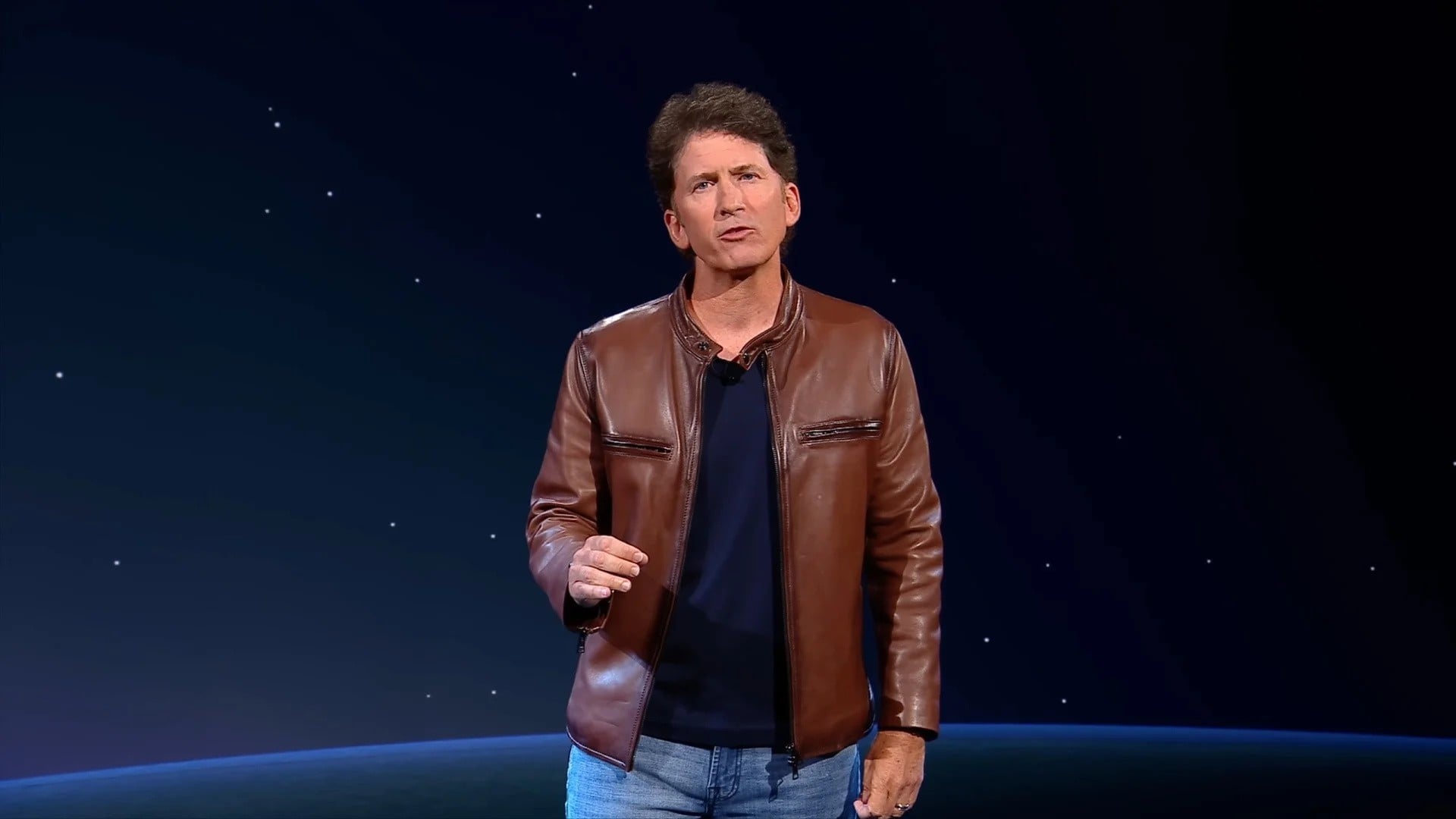
When confronted by Windows Central about the potential exclusivity of Fallout 5 and The Elder Scrolls VI, Todd Howard’s response of "too early to comment" was a masterclass in strategic ambiguity. This statement, while offering no definitive answers, serves several purposes. Firstly, it acknowledges the existence of the question without committing to a position that could either alienate a significant portion of the fanbase or prematurely reveal sensitive business strategies. Given the incredibly long development cycles characteristic of Bethesda’s tentpole RPGs—The Elder Scrolls VI was famously teased years ago with virtually no subsequent updates, and Fallout 5 is anticipated to follow Starfield—it is genuinely early days for any definitive platform announcements.
Secondly, Howard’s silence allows Microsoft maximum flexibility. Announcing exclusivity too early could limit strategic options, whereas keeping the decision under wraps until closer to launch provides leverage in market positioning, subscription drives, and console sales campaigns. It also manages fan expectations, preventing a premature outcry from PlayStation players while simultaneously allowing Xbox fans to dream of exclusive access to these highly coveted titles. The statement underscores the delicate balance between transparency and strategic advantage in the high-stakes world of triple-A game development and platform competition.
The Weight of Fallout and The Elder Scrolls
The franchises in question, Fallout and The Elder Scrolls, represent some of the most iconic and successful role-playing game series in the history of video games. Their cultural impact and commercial success are undeniable. The Elder Scrolls V: Skyrim, for instance, is one of the best-selling video games of all time, having been re-released across numerous platforms for over a decade. Its open-world design, deep lore, and unparalleled sense of freedom have garnered a massive and devoted global fanbase. Similarly, the Fallout series, particularly with its recent resurgence in popularity thanks to the critically acclaimed Amazon Prime Video series, commands immense attention. The post-apocalyptic settings, moral choices, and unique atmosphere of Fallout games have captivated millions.
The potential exclusivity of Fallout 5 and The Elder Scrolls VI would represent an unparalleled boon for the Xbox platform. Such a move would not only drive significant sales of Xbox consoles but also serve as an irresistible draw for new subscribers to Xbox Game Pass. For Microsoft, securing these titles exclusively would be a monumental achievement, solidifying its position as a premier destination for expansive, narrative-driven RPGs. Conversely, for Sony’s PlayStation, the absence of these tentpole franchises would be a substantial blow, potentially impacting console sales and diminishing the diversity of its third-party offerings. The strategic importance of these games cannot be overstated, making the exclusivity question one of the most significant in the current gaming landscape.
The Return of Obsidian and Fallout’s Expanding Universe

A particularly exciting development within Bethesda’s roadmap is the confirmation of a new Fallout game being developed by Obsidian Entertainment. This partnership carries significant historical weight for the Fallout community. Obsidian was responsible for Fallout: New Vegas, a 2010 installment that is widely regarded by many fans as one of the finest entries in the series, praised for its intricate narrative, complex faction system, and impactful player choices. The prospect of Obsidian returning to the Fallout universe has ignited immense enthusiasm, offering the potential for a fresh yet familiar take on the beloved IP.
Todd Howard expressed genuine excitement about this collaboration, stating, "We’re always kind of wondering if we could find a way to work together in the right way. And when those things come up, I think I definitely look at the franchise all up, as you see in the note, everything that’s kind of happening with Fallout. You sort of say, is there a way or a window or a pocket where we could do something together that really, really made sense? And so we’re super excited about the opportunity, working together." This statement highlights a strategic decision to expand the Fallout universe with a developer known for its deep understanding of the franchise’s strengths. While Howard could not share details on the game’s engine or a specific timeline, the positive sentiment regarding the partnership is clear. This new Obsidian Fallout game also raises its own exclusivity questions, given Obsidian’s status as a first-party Xbox studio since its acquisition by Microsoft in 2018.
Market Implications and Future Outlook
The implications of Microsoft’s exclusivity strategy for Fallout 5 and The Elder Scrolls VI extend far beyond individual game sales. It speaks to the broader trends of consolidation within the gaming industry, the escalating console wars, and the increasing importance of subscription services like Xbox Game Pass. Should these titles become exclusive, it would significantly reshape the competitive landscape, potentially forcing competitors to re-evaluate their own content acquisition and development strategies.
For Xbox, securing these titles would be a powerful differentiator, driving hardware sales, increasing Game Pass subscriptions, and strengthening its brand identity as the home for expansive, high-quality RPGs. It aligns perfectly with their stated goal of growing the Xbox hardware ecosystem and becoming a dominant force in the gaming subscription market. For players, the outcome will dictate their hardware choices for years to come. While some may view exclusivity as restrictive, others see it as a necessary evil in the pursuit of platform differentiation and investment in blockbuster content.
As the gaming world watches and waits, Todd Howard’s "too early to comment" serves as a temporary placeholder for a decision that will undoubtedly be one of the most impactful in recent memory. The development timelines for Fallout 5 and The Elder Scrolls VI are lengthy, meaning definitive answers may still be years away. However, the signals from Microsoft’s leadership and the precedents set by previous Bethesda titles under Xbox ownership strongly suggest that the prospect of these games becoming Xbox exclusives is not just a possibility, but a highly probable strategic move. The coming years will reveal the full extent of Microsoft’s ambition and the ultimate fate of these two behemoths of the RPG genre.