


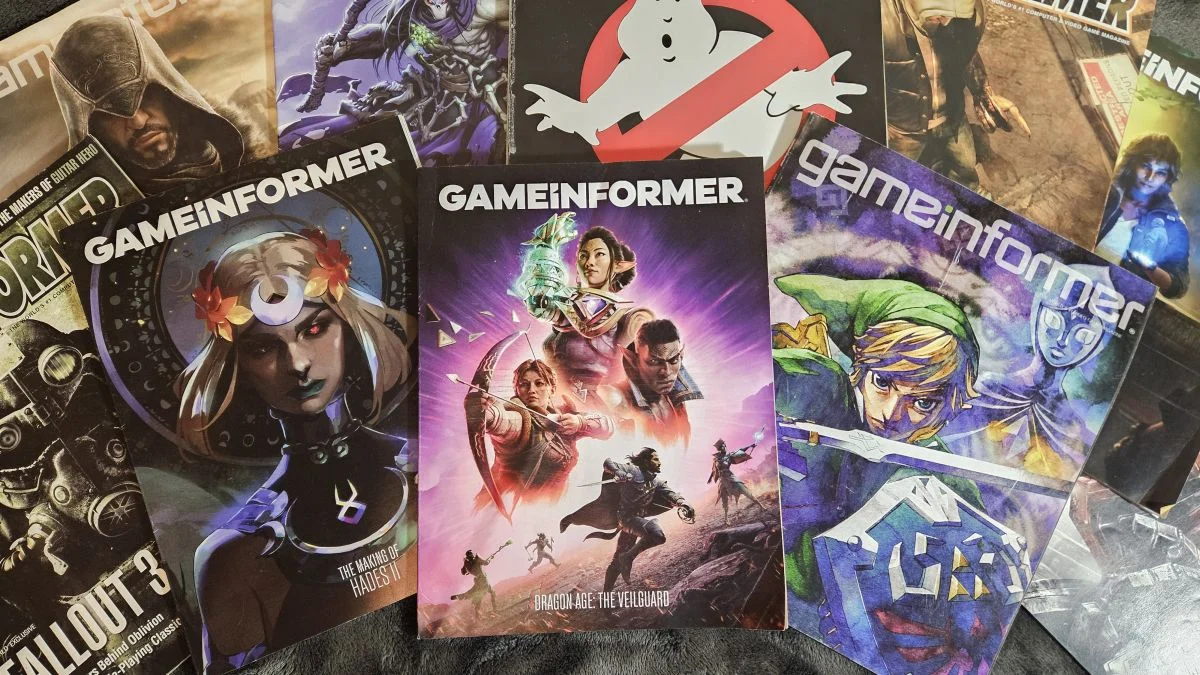
The landscape of video game journalism has been irrevocably altered today with the abrupt announcement of Game Informer’s closure, marking the end of an era for one of the industry’s most enduring and influential publications. Parent company GameStop confirmed the decision this morning, informing its editorial staff that both the print magazine and its extensive online presence will cease operations after more than 30 years of dedicated coverage. The news sent shockwaves through the gaming community and among media professionals, highlighting the precarious economic realities facing specialized media outlets in the digital age.
Sources within the company revealed that the entire editorial team has been laid off as part of the closure. Kyle Hilliard, former content director for the magazine, shared on social media that the upcoming issue was approximately 70% complete and was poised to feature a significant cover story. This poignant detail underscores the sudden and decisive nature of the shutdown, leaving a substantial body of unfinished work and a dedicated team without employment.
GameStop issued a formal statement across its social media channels, acknowledging the cessation of its publishing activities. "While our presses may stop, the passion for gaming that we’ve cultivated together will continue to live on," the statement read, attempting to frame the closure as a transition rather than an outright demise of the spirit that defined the publication. Nevertheless, writers and contributors formerly associated with Game Informer have been actively sharing their experiences and the news of their departures on personal platforms, adding a human dimension to the corporate announcement.
The origins of Game Informer trace back to 1991, when it was initially launched as a modest, short-run magazine by FuncoLand, a now-defunct video game retailer. Functioning as an in-house newsletter, it served as a promotional tool for the company. The trajectory of Game Informer shifted significantly in 2000 when GameStop acquired FuncoLand, inheriting the publication and integrating it into its burgeoning loyalty program. This strategic move transformed Game Informer from a niche newsletter into a cornerstone of GameStop’s customer engagement strategy, providing subscribers with exclusive content and early access to information.
A Legacy of Print Dominance and Digital Adaptation
For over three decades, Game Informer established itself as a formidable presence in the media landscape, not just within the gaming sphere, but across the broader magazine industry. In 2010, its reach was demonstrably vast, ranking as the fifth-largest magazine in the United States by circulation. This impressive figure placed it ahead of established titans such as Time and Sports Illustrated, a testament to its broad appeal and the passionate engagement of its readership. This period of peak print influence coincided with a golden age for magazine publishing, before the seismic shifts brought about by the internet began to fundamentally alter consumption habits.
Throughout its history, Game Informer demonstrated remarkable resilience in navigating the turbulent waters of media evolution. It weathered the general downturn in print journalism, a sector that has seen significant contraction over the past two decades. Furthermore, it successfully transitioned to an online model, adapting its content strategy to suit digital platforms and evolving audience expectations. The publication also endured repeated rounds of layoffs and budget cuts initiated by its parent company, GameStop, particularly during periods of significant corporate restructuring.
These internal pressures at GameStop have often been linked to the company’s ambitious, and at times controversial, diversification efforts. In recent years, GameStop has explored ventures into emerging technologies, including Non-Fungible Tokens (NFTs) and blockchain technology, signaling a broader strategy to leverage its brand in new and potentially lucrative markets. These initiatives unfolded against the backdrop of GameStop’s dramatic surge in popularity as a "meme stock," a phenomenon that captivated financial markets and underscored the company’s unique position in the cultural zeitgeist. The volatility and operational chaos associated with these meme-stock-driven fluctuations undoubtedly cast a long shadow over the company’s traditional media assets.
Despite these external and internal challenges, Game Informer consistently produced high-quality content, characterized by its distinctive editorial voice and often visually striking cover art. In a notable effort to revitalize its print presence and cater to its most dedicated fans, the staff recently embarked on a project to re-launch a subscription service for the magazine, signaling a renewed commitment to the medium that had been its foundation.
The Enduring Impact of a Gaming Institution
To categorize Game Informer merely as a publication would be an understatement; it functioned as a genuine institution within the video game industry. For a generation of gamers and aspiring journalists, it served as an initial portal into the world of game criticism and commentary. The magazine offered a comprehensive, cover-to-cover experience, replete with in-depth previews of upcoming titles, thorough reviews of released games, insightful feature articles, and nuanced reporting on the evolving landscape of interactive entertainment. Its visually arresting covers, often featuring original and memorable artwork, became iconic, generating excitement and anticipation for the biggest releases of the era.
Beyond its coverage of games themselves, Game Informer provided a platform for the diverse voices and personalities that constitute the gaming industry. Through short opinion pieces, compelling interviews with developers and industry leaders, sprawling investigative features, and a beloved "Letters from the readers" section, the publication fostered a sense of community and dialogue. Reflecting on its legacy, former contributors and long-time readers often recall the profound influence these early magazines had on their personal and professional journeys. The act of pulling out old issues, as one former contributor did, often serves as a potent reminder of the formative role Game Informer played in shaping perspectives and igniting passions.
Broader Implications and Industry Trends
The closure of Game Informer arrives at a critical juncture for the video game industry, which has seen a significant wave of layoffs impacting a considerable number of professionals. In 2023 alone, estimates suggest that thousands of jobs were lost across various sectors of the gaming world, from development studios to publishing houses and, now, media outlets. This trend of consolidation, divestment, and the shuttering of long-standing institutions raises serious concerns about the future of specialized journalism and the stability of careers within the creative and media industries.
The implications of Game Informer’s closure extend beyond the immediate loss of jobs. It signifies a contraction in the dedicated, in-depth coverage that many readers relied upon. As more established media outlets face similar economic pressures, there is a growing risk of a homogenization of content and a decline in the critical analysis and diverse perspectives that enrich the gaming discourse. The loss of such a prominent voice leaves a void that may be difficult to fill, particularly for younger audiences who may not have experienced the foundational influence of print media in their formative years.
The continued trend of layoffs and the closure of legacy media brands within the video game sector prompt a broader question about the sustainability of traditional media models in an increasingly fragmented and digitally driven landscape. While Game Informer’s extensive online presence attempted to adapt, the ultimate decision by GameStop underscores the immense financial and strategic challenges that even well-established publications face. As the industry continues to evolve at a rapid pace, the question of how to sustain quality journalism and provide stable career paths for talented writers and editors remains a pressing concern. The disappearance of Game Informer serves as a stark reminder of the ongoing challenges and the uncertain future that lies ahead for many in the realm of games media.