


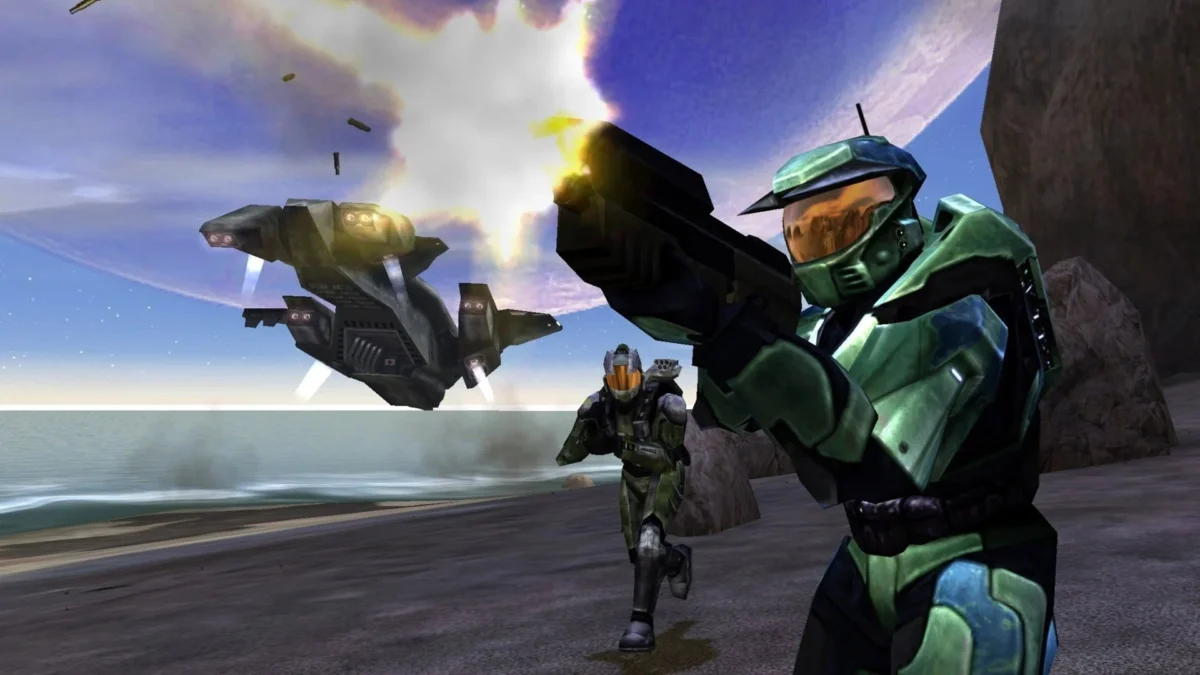
The upcoming release of Halo: Campaign Evolved, scheduled for July 23 for Premium buyers and July 28 for the general public, marks a significant milestone in the two-decade history of the Halo franchise. As the gaming community prepares for this new chapter, the industry is reflecting on the trajectory of a series that redefined the first-person shooter (FPS) genre and established the Xbox as a dominant force in the console market. Since its inception in 2001, Halo has transitioned from a risky launch title for an unproven hardware platform into a multi-billion-dollar media franchise. The release of Halo: Campaign Evolved serves as a bridge between the nostalgic foundations of the early 2000s and the modern technological capabilities of the Xbox Series X|S ecosystem.
The Genesis of a Console Giant: 2001–2004
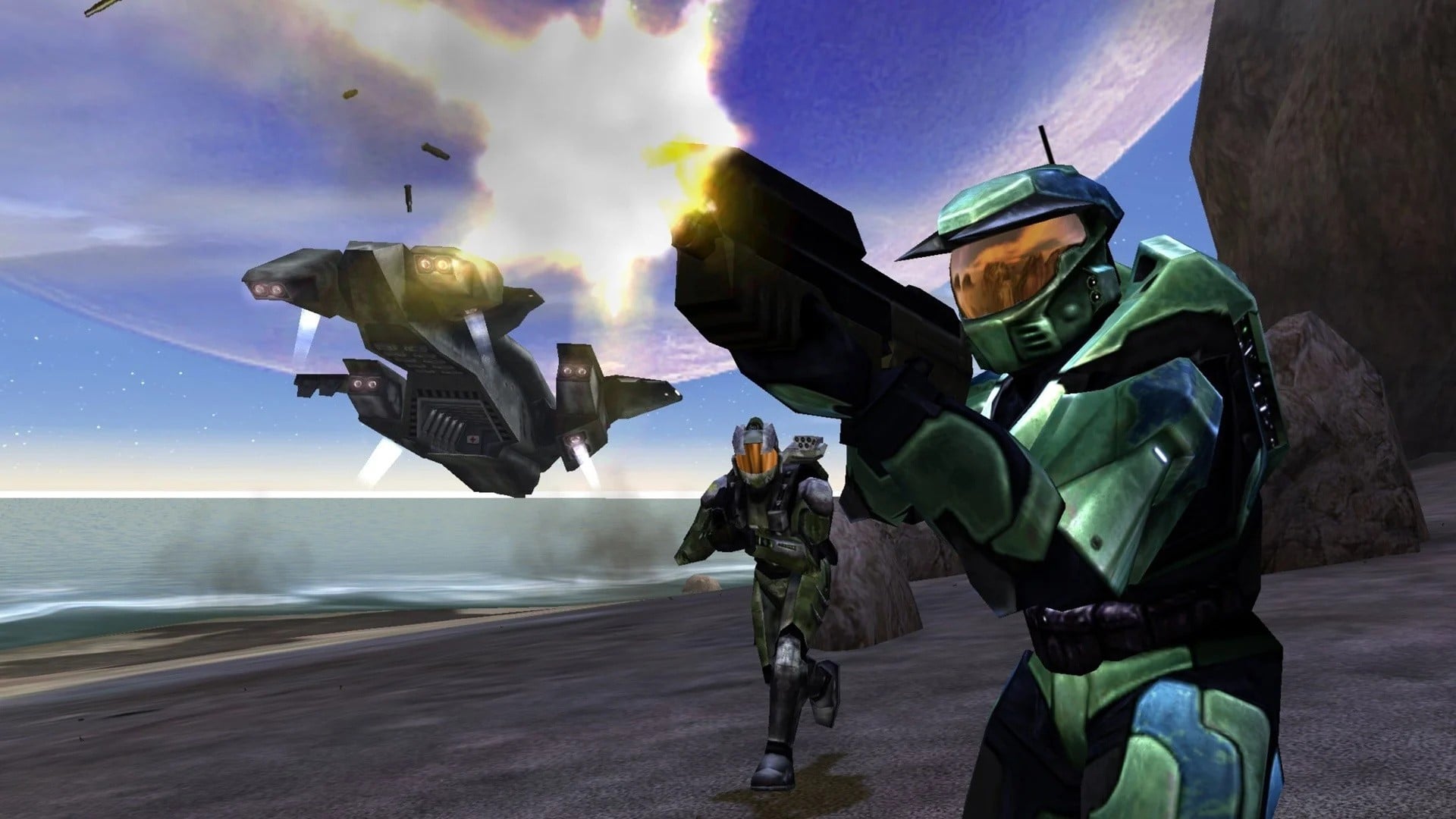
The history of Halo is inextricably linked to the history of the original Xbox. Originally conceived by Bungie as a real-time strategy game for the Macintosh, the project underwent a radical transformation after Microsoft acquired Bungie in 2000. When Halo: Combat Evolved launched on November 15, 2001, it introduced features that would become industry standards, including a regenerating shield mechanic, a two-weapon limit, and a sophisticated control scheme for dual-analog sticks.
Market data from the early 2000s highlights the game’s critical role in Microsoft’s success. Within five months of its release, Halo: Combat Evolved had sold over one million units, a staggering figure for a new intellectual property on a brand-new console. By the end of the original Xbox’s lifecycle, the game had moved over 5 million copies. Its success was not merely commercial; it provided a "killer app" that justified the existence of the Xbox in a market then dominated by Sony’s PlayStation 2 and Nintendo’s GameCube.
The momentum continued with Halo 2 in 2004, which is widely credited with the mass adoption of Xbox Live. Halo 2 introduced a revolutionary matchmaking system that replaced the traditional server browser, allowing players to join games based on skill levels and social groups. This innovation set the blueprint for modern online multiplayer games. On its first day of release, Halo 2 generated $125 million in revenue, surpassing any previous entertainment launch in history, including major Hollywood blockbusters of the era.
The Xbox 360 Era and the Peak of Cultural Impact
If the original Xbox era was about establishing the brand, the Xbox 360 era was about cultural saturation. Halo 3, released in September 2007, was the culmination of the original trilogy. The marketing campaign, titled "Believe," remains one of the most celebrated advertising efforts in gaming history. Halo 3 recorded $170 million in sales within its first 24 hours and $300 million in its first week.
This period also saw the expansion of the Halo universe through spin-offs and prequels. Halo 3: ODST (2009) explored a more noir-inspired, tactical perspective of the Human-Covenant War, while Halo: Reach (2010) served as Bungie’s final contribution to the series. Reach was a critical and commercial success, praised for its somber tone and refined gameplay mechanics. It also solidified the "Firefight" mode, a cooperative wave-based survival mode that had been introduced in ODST.
The transition from Bungie to 343 Industries in 2011 marked a pivotal moment for the franchise. Microsoft established 343 Industries as a dedicated internal studio to manage the Halo IP. The first major project under this new leadership was Halo 4 (2012), which pushed the graphical limits of the Xbox 360 and shifted the narrative focus toward the personal relationship between the Master Chief and his AI companion, Cortana.
Modern Innovations and the Road to Halo Infinite
The eighth generation of consoles brought new challenges and opportunities for the franchise. Halo 5: Guardians (2015) introduced the Warzone mode, blending large-scale PvP and PvE elements, though its narrative direction received mixed reactions from the core fanbase. Despite this, the game was a financial powerhouse, generating over $400 million in its opening week and bringing the franchise’s lifetime revenue to over $5 billion.
The most recent mainline entry, Halo Infinite (2021), represented a "spiritual reboot" for the series. Launched alongside the 20th anniversary of the franchise, Infinite introduced an open-world structure to the campaign and transitioned the multiplayer component to a free-to-play model. This shift was designed to lower the barrier to entry and expand the player base in an era of live-service dominance. As of 2022, Microsoft reported that Halo Infinite had reached over 20 million players, making it the biggest launch in the history of the franchise.
Technical Analysis of the Halo Experience
The enduring appeal of Halo is often attributed to its "Golden Triangle" of gameplay: the seamless interaction between firearms, grenades, and melee attacks. This mechanical balance ensures that combat encounters remain dynamic and unpredictable. Furthermore, the series’ Artificial Intelligence (AI) has historically been a benchmark for the genre. Enemies like the Elites utilize cover, flank players, and react to changes in the battlefield, creating a "sandbox" environment where no two encounters feel identical.
The upcoming Halo: Campaign Evolved aims to leverage these classic elements while utilizing modern hardware. While specific technical specifications for this new release are being finalized, industry analysts expect a focus on 4K resolution, 60 to 120 frames per second (FPS) performance, and enhanced lighting systems such as ray tracing. The staggered release schedule—offering "Premium" buyers early access on July 23—reflects a growing trend in the industry to reward loyal community members and manage server loads during high-traffic launch windows.

Economic and Industry Implications
The Halo franchise is more than just a series of games; it is a vital component of Microsoft’s gaming division, which now includes the massive acquisitions of Bethesda and Activision Blizzard. The health of the Halo IP serves as a bellwether for the Xbox brand. According to market data, the Halo franchise has sold over 81 million copies worldwide as of the most recent public filings.
The release of Halo: Campaign Evolved is strategically positioned to bolster the Xbox Game Pass library, which remains the cornerstone of Microsoft’s gaming strategy. By offering high-quality, first-party content, Microsoft continues to drive subscription numbers and maintain player engagement within its ecosystem. The transmedia success of the Halo series on Paramount+, which was recently renewed for subsequent seasons, further illustrates the brand’s ability to transcend the gaming medium and capture a broader audience.
Official Responses and Community Sentiment
While 343 Industries and Microsoft have maintained a professional distance regarding specific "Talking Point" discussions, internal statements often emphasize a commitment to the "legacy of the Master Chief." In previous developer blogs, 343 Industries has noted that the community’s feedback is instrumental in shaping the future of the series. The July release dates for Campaign Evolved suggest a strategic summer launch, intended to capture the attention of players during a typically quiet period in the AAA release calendar.
Community sentiment remains high, though tempered by the expectations of a veteran fanbase. Long-term players who began their journey with the original Xbox in 2001 often cite the "LAN party" culture as their primary connection to the brand. Younger players, conversely, are more likely to have discovered the series through the Master Chief Collection or the free-to-play multiplayer of Halo Infinite. This generational divide presents a unique challenge for developers: how to innovate while remaining faithful to the core identity of a twenty-year-old franchise.
Conclusion and Future Outlook
As the July 23 and July 28 release dates approach, the focus remains on whether Halo: Campaign Evolved can capture the "lightning in a bottle" that defined the series’ early years. The franchise stands at a crossroads, balancing its status as a historical icon with the requirements of a modern, fast-paced gaming industry.
The timeline of Halo is a testament to the power of a strong central protagonist and a well-defined gameplay loop. From the silent halls of the Pillar of Autumn to the sprawling vistas of Zeta Halo, the series has consistently pushed the boundaries of what is possible on a console. Whether through technological innovation, narrative depth, or the sheer scale of its multiplayer components, Halo continues to be a defining pillar of the interactive entertainment landscape. The upcoming release is not just a game; it is a continuation of a legacy that has shaped the lives of millions of gamers worldwide.