


The chilling depths of MOLE, a new horror game that plunges players into a disorienting and psychological narrative, are punctuated by a series of intricate puzzles designed to mirror the protagonist’s deteriorating mental state. Eschewing hand-holding, MOLE adopts a design philosophy reminiscent of influential titles like System Shock, immediately thrusting players into a precarious situation where survival hinges on their ability to decipher environmental cues and overcome increasingly complex challenges. This guide aims to illuminate the solutions to these demanding puzzles, providing a pathway to the game’s "masterpiece ending" for those seeking to navigate its psychological labyrinth with greater ease.
The Psychological Core of MOLE‘s Gameplay
MOLE distinguishes itself not only through its atmospheric horror but also through its deliberate obfuscation of gameplay mechanics. The narrative unfolds through the player’s active engagement with the environment, forcing them to piece together clues and understand the internal logic of a world rapidly dissolving around the protagonist. The puzzles are not mere diversions; they are integral to the storytelling, acting as tangible representations of the protagonist’s fractured psyche. Each solved enigma offers a glimpse into their past, their motivations, and the encroaching darkness that threatens to consume them. This approach aligns with a growing trend in psychological horror, where player agency and problem-solving are intrinsically linked to narrative progression and emotional impact. The game’s developers have stated their intention was to create an experience that is both intellectually stimulating and viscerally unsettling, with the puzzles serving as the critical bridge between these two aims.
Chronology of Challenges: A Puzzle-by-Puzzle Breakdown
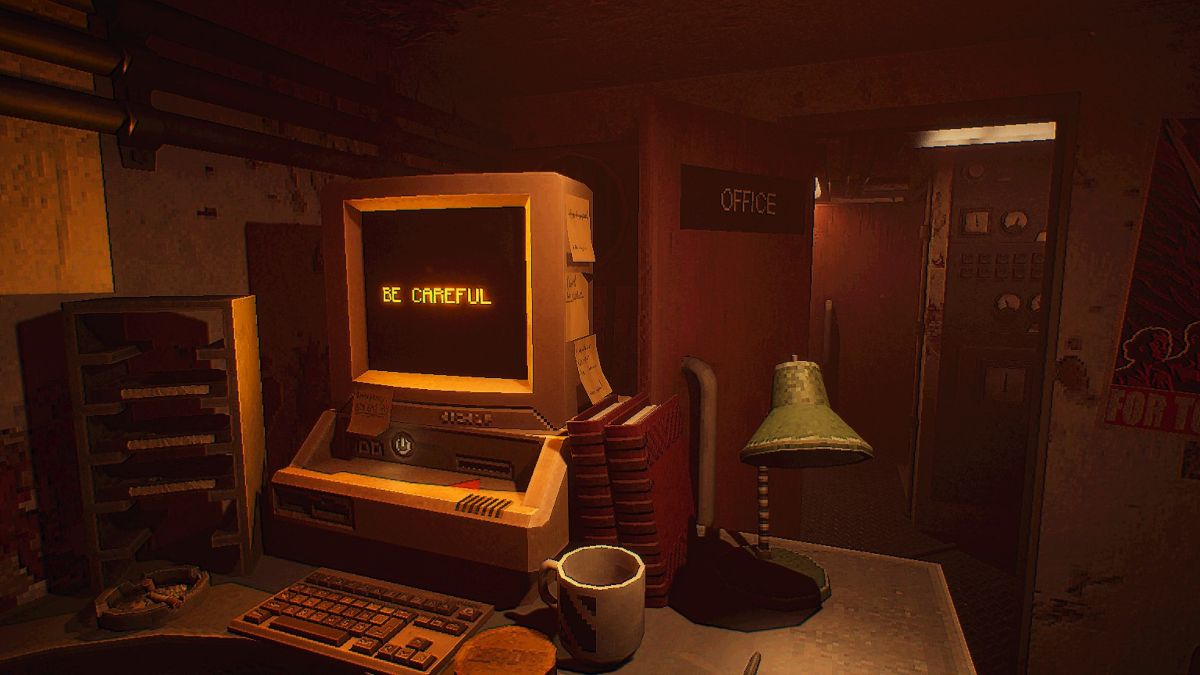
The journey through MOLE is marked by a series of distinct puzzle sequences, each requiring a unique approach and understanding of the game’s world. These challenges are strategically placed to escalate in difficulty and thematic resonance as the player delves deeper into the protagonist’s mind.
The Fusebox Puzzle: Restoring Power and Illuminating Progress
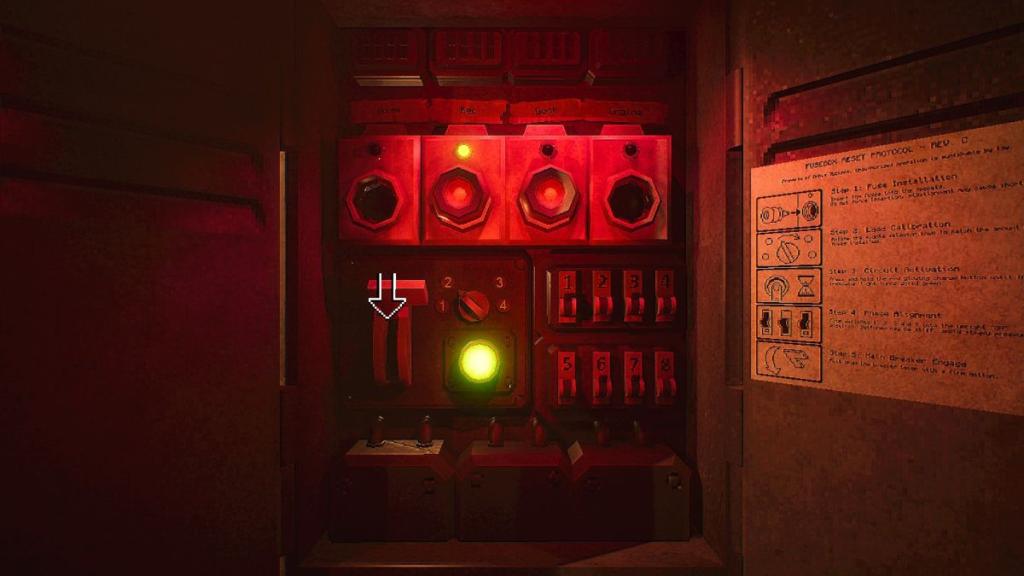
The initial hurdle players encounter in MOLE involves restoring power to various sectors of the environment. This fundamental puzzle revolves around the strategic manipulation of fuses within a central fusebox. The core mechanic requires players to understand that power must be re-established each time a new area is accessed or a significant environmental change occurs. While the exact number of fuses in play may vary depending on the player’s progress, the underlying principle remains consistent: correctly placing fuses to energize specific circuits is paramount. The game provides visual cues and feedback, indicating which sectors are active and which remain in darkness, thus guiding the player’s decision-making process. Successful management of the fusebox is not only crucial for progression but also serves as an early indicator of the game’s demanding nature, setting the tone for the challenges to come. Early feedback from players suggests that the visual design of the fusebox itself, with its stark, industrial aesthetic, contributes significantly to the game’s oppressive atmosphere.
The Phone Puzzle: Deciphering the Past Through Fragments
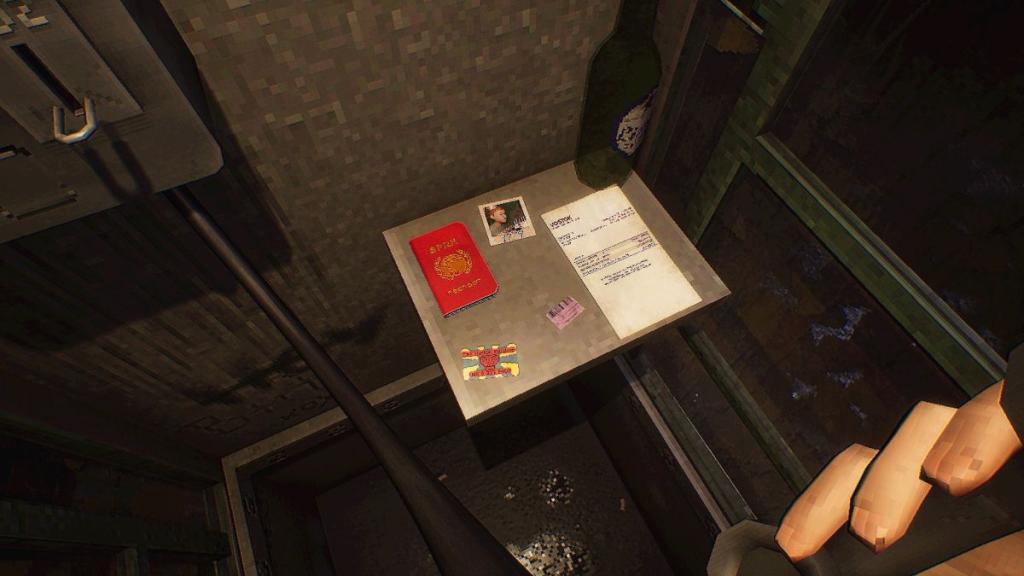
A pivotal puzzle within MOLE involves piecing together crucial information from a vintage telephone booth to facilitate contact with a mysterious entity known only as "VOSTOK." The solution lies entirely within the confines of the phone booth itself, where a collection of disparate items offers the necessary clues. These include a passport, a photograph from a sixth birthday, a VOSTOK invoice, and a hospital parking ticket. The key to solving this puzzle is to arrange these fragments of information in chronological order, effectively reconstructing a timeline of events pertinent to the VOSTOK connection. This method of narrative delivery, embedding critical plot points within environmental puzzles, encourages deep exploration and attention to detail. The developers have noted that this puzzle is designed to introduce players to the game’s non-linear storytelling approach, where the past is as much a part of the present as the immediate surroundings. The implications of the VOSTOK connection are central to understanding the protagonist’s predicament, and this puzzle serves as the first significant step in unraveling that mystery.
The Engine Puzzle: Revitalizing the Heart of the Vessel
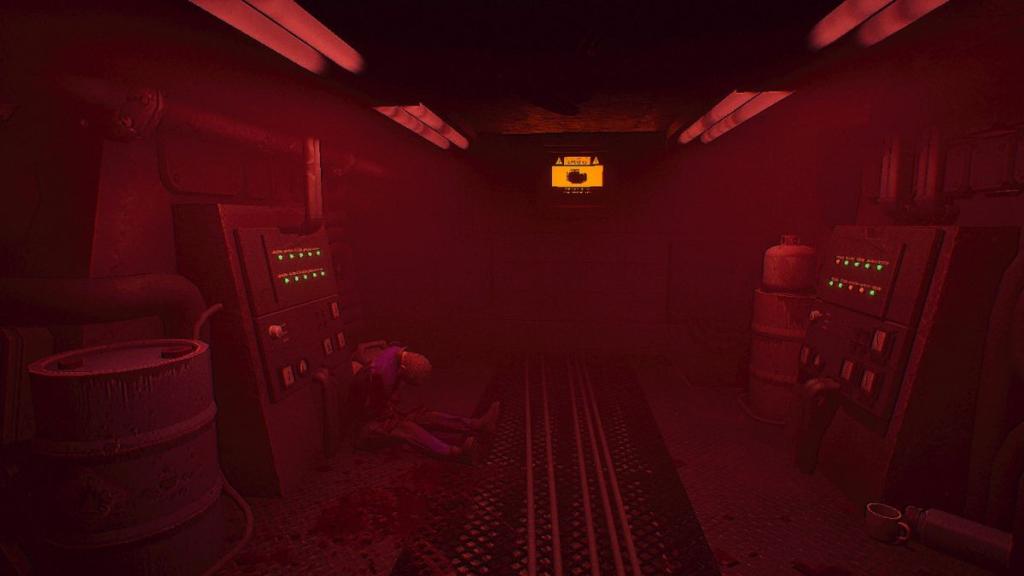
The Engine section of MOLE presents a multi-faceted challenge focused on repairing critical machinery, a task directly linked to the fate of engineer Bohdan Pluzhnik, whose body is found slumped near the damaged equipment. This puzzle is divided into three distinct components: Ventilation, Pumps, and Coolant.
Ventilation: Restoring Airflow
To address the ventilation issue, players must locate a replacement fan. This fan is found at the rear of the Engine area, amidst Pluzhnik’s personal effects and a collection of propane tanks. The repair itself involves returning to the Engine room where Pluzhnik’s body lies and proceeding to the back-right corner. Here, players will find a broken fan that needs to be replaced. A screwdriver is the essential tool for both removing the damaged component and installing the new one, thereby restoring crucial airflow. The presence of Pluzhnik’s belongings underscores the immediate danger and the grim reality of the protagonist’s situation.
Pumps: Re-establishing Power Flow
The repair of the pumps requires players to access the machinery from below. A crawlspace located in the close-right corner of the Engine room provides access to the underside of the affected equipment. Within this crawlspace, a loose fuse can be found on the floor. However, this is insufficient for a complete repair. Players must retrieve an additional fuse from the main Fusebox in the Rec area. This spare fuse is then used to replace the faulty component beneath the machinery, successfully restoring power to 100V. The game strategically encourages players to conserve the remaining fuses, suggesting their utility in future sections, such as in Deck and Engine areas, thereby promoting resource management.
Coolant: Stemming the Flow of Steam
The final element of the Engine puzzle involves fixing a leaking coolant pipe. The necessary tool, a Wrench, is located on Pluzhnik’s workbench within the main Engine sector, specifically opposite the torpedo locker. Once the Wrench is acquired, players must navigate back to the Engine room. Turning right from the room’s entrance, past the crawlspace, and then crouching beneath the pipework leads to a confined area where steam is actively escaping from a damaged pipe. The Wrench is used to tighten the loose bolt nut, effectively sealing the leak and stabilizing the system. The visual and auditory feedback of the steam escaping, coupled with the subsequent cessation of the leak, provides a satisfying resolution to this complex repair.
The Hospital Puzzle: Unlocking a Vital Connection
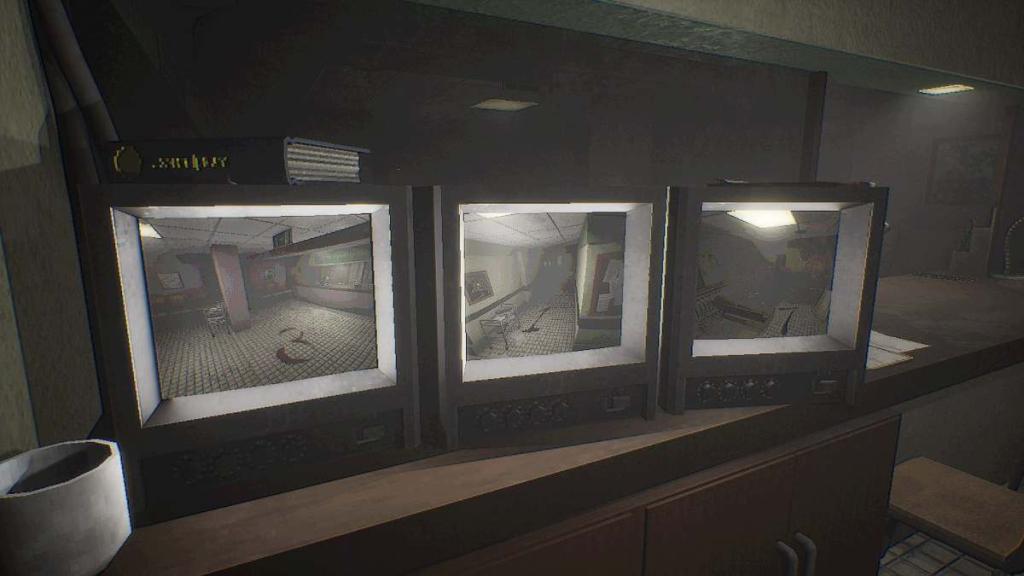
The Hospital puzzle is a critical narrative juncture that involves accessing patient records and ultimately facilitating a memory transfer. The initial interaction begins behind the receptionist’s desk, where a monitor displays a patient on a life support system. While this patient is invisible in the physical realm, interacting with their hospital bed in the lobby initiates the puzzle. The overarching goal is to reach a specific door, the identity of which is initially unknown. Players must visit the rooms indicated on the monitors. The first digit, "3," is revealed upon interacting with the hospital bed.
The subsequent step involves locating the lounge, situated in the back-right corner of the hospital wing. Navigation assistance can be found on the map within the reception area. Interacting with the television in the lounge triggers an auditory cue: the sound of an invisible entity moving. The player then needs to locate and enter room 311. Upon returning to the receptionist desk, the complete room number, "3 1 7," is revealed across all three monitors. This unlocks a key, which is then used to access Petro’s hospital room.
Within Petro’s room, the objective shifts to transferring his memory onto a VOSTOK cassette. This is achieved by manipulating a console, requiring the switches to be flipped in a specific sequence: 2-4-3-5-1. Following this sequence and powering down the console completes the memory transfer, advancing the narrative and providing vital information for the protagonist’s quest. The developers have emphasized that this puzzle is designed to test the player’s observational skills and their ability to synthesize information from multiple sources, reflecting the fragmented nature of memory itself.
The Torpedo Puzzle: Launching a Crucial Payload
The Torpedo puzzle is characterized by its intricate mechanical interplay and its direct impact on the game’s progression. The initial objective is to acquire a key located within the room, which subsequently unlocks a locker filled with torpedoes in the engineer’s room, situated opposite the Engine. The core of this puzzle involves manipulating a torpedo pod. This is initiated by spinning a wheel to elevate a metal prod situated above the pod. Following this, players must use directional arrow keys to disengage the lock mechanism, allowing them to lift the pod, slide it open, and load a torpedo. The process is then reversed to safely lower and seal the explosive.
Once these steps are correctly executed, the detonator becomes operational. Players must then monitor the depth meter to track the torpedo’s trajectory towards its target. Activating the detonator initiates the launch. The player must wait for the torpedo’s mark to align with the target on the depth meter before interacting with the detonator once more to trigger the detonation. This puzzle demands precision and a methodical approach, reflecting the dangerous and complex nature of the machinery involved. The visual representation of the torpedo’s path and the subsequent explosion are designed to be both tense and impactful, highlighting the high stakes of the protagonist’s mission.
The Gun Case Puzzle: Unlocking a Means of Defense
The Gun Case puzzle offers a relatively straightforward challenge, primarily testing the player’s ability to follow instructions and locate hidden information. A note attached to the gun case itself provides the key to unlocking its combination. The note directs the player to search the dormitories, specifically the quarters of the Administrator, Navigator, Geologist, and Engineer. Within each of these individual living spaces, a red sticky note contains a digit of the four-digit code. Once all four digits are collected from these distinct locations, players can input the complete code into the gun case. The solution to this puzzle is 8 3 5 7. Obtaining the firearm signifies a shift in the protagonist’s capabilities, offering a potential means of defense against the horrors that populate MOLE‘s world, and hints at more direct confrontations to come.
The Mosaic Puzzle: Assembling a Divine Narrative
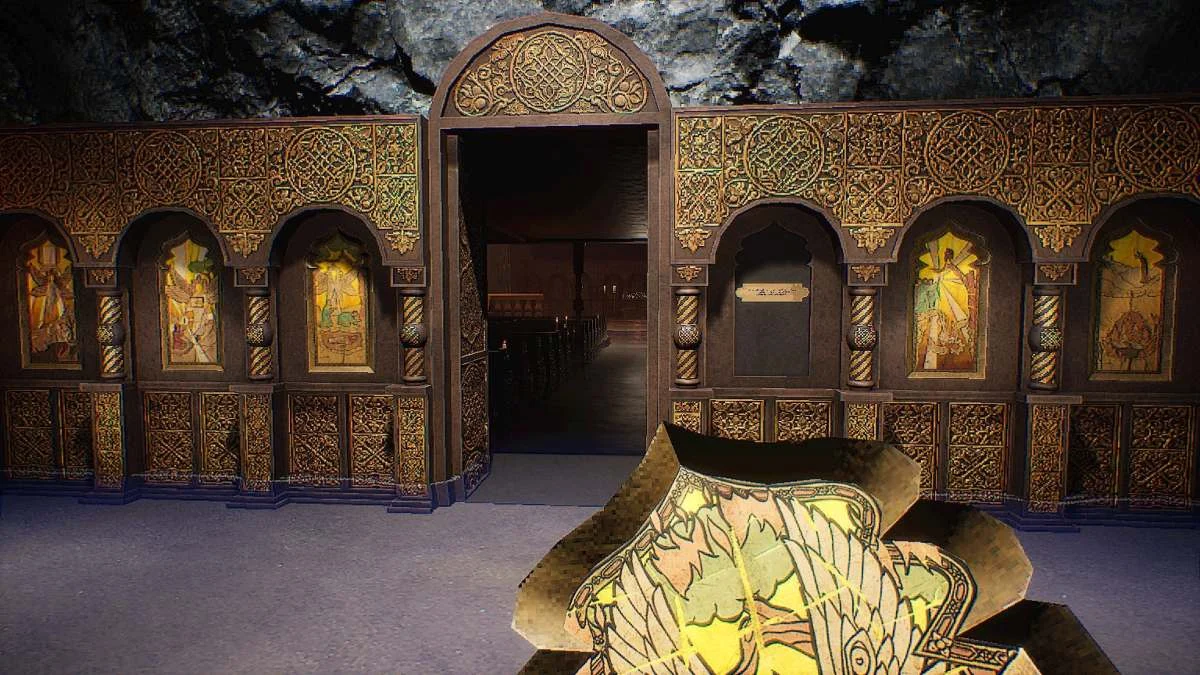
The final puzzle encountered in MOLE, the Mosaic puzzle, presents a unique challenge, particularly due to potential technical limitations where players can only swap one item for another, with no option to drop items. The objective is to arrange religious mosaics, depicting scenes from the White Rabbit’s story, in their correct sequence. This order is dictated by scripture found within each mosaic slot. The correct arrangement, from left to right, is crucial for completing the puzzle and progressing towards the game’s conclusion.
The developers have indicated that the narrative of the White Rabbit, which forms the thematic basis for this puzzle, is subtly woven throughout the game. Brief passages of this story are revealed in the "Throne" excerpts found in the Cockpit as the player progresses. Understanding this narrative context is key to solving the mosaic puzzle. The White Rabbit, in human perception, is often likened to an angelic figure, and the mosaic arrangement serves as a final, symbolic representation of this narrative arc. The developers have acknowledged that this puzzle can be the most frustrating due to its restrictive mechanics, but emphasize its thematic importance in bringing the game’s overarching narrative to a close.
Broader Implications and Player Experience
The intricate puzzle design in MOLE serves a dual purpose: it challenges players intellectually and immerses them deeper into the protagonist’s psychological state. By refusing to provide explicit tutorials or hand-holding, the game fosters a sense of genuine accomplishment upon solving each enigma. This approach, while potentially alienating to some players, rewards those who invest the time and effort to understand the game’s intricate systems and subtle narrative cues. The success of MOLE will likely be measured not only by its scares but by its ability to create a compelling and cohesive experience where gameplay mechanics and narrative are inextricably linked. The feedback loop of exploration, puzzle-solving, and narrative revelation is central to MOLE‘s design, aiming to leave players with a profound sense of understanding, not just of the game’s world, but of the harrowing journey of its protagonist.