


Microsoft’s Xbox division is reportedly undergoing a significant restructuring, with reports indicating that Ninja Theory, the acclaimed studio behind the Hellblade series, is set to be closed. This development, which emerged on Monday, June 15, 2026, casts a stark light on the volatile landscape of the video game industry, particularly within the vast portfolio of major publishers. The closure of Ninja Theory follows earlier reports from Bloomberg, detailing that at least three other Xbox studios were engaged in active negotiations with Microsoft regarding their future, with decisions anticipated to be finalized by the end of the month.
The Immediate Crisis: Ninja Theory’s Fate Reportedly Sealed
The news regarding Ninja Theory’s imminent closure was first reported by The Verge, citing sources close to the situation. Employees of the Cambridge, UK-based studio were reportedly informed of the decision during a company-wide call earlier on Monday. While the immediate future appears grim, there is a glimmer of hope mentioned in the report that the studio might find a buyer, potentially allowing it to continue operations independently, albeit under new ownership. The closure, if confirmed, would mark a somber chapter for a studio celebrated for its innovative storytelling and distinctive game design.
Ninja Theory has garnered a reputation for crafting visually striking and narratively rich experiences. Before its acquisition by Microsoft in 2018, the studio developed titles such as Heavenly Sword, Enslaved: Odyssey to the West, and DmC: Devil May Cry. Their most impactful independent work, Hellblade: Senua’s Sacrifice, released in 2017, was a critical darling, praised for its poignant exploration of psychosis and its innovative use of motion capture and audio design. The studio’s recent release, Senua’s Saga: Hellblade II, launched exclusively on Xbox and PC, continued this legacy, pushing technological boundaries and artistic expression. The potential closure of such a creatively distinctive studio raises immediate questions about the strategic direction of Xbox Game Studios and the value placed on diverse, single-player narrative experiences within its ecosystem.
A Week of Uncertainty: The Broader Landscape of Xbox Studios
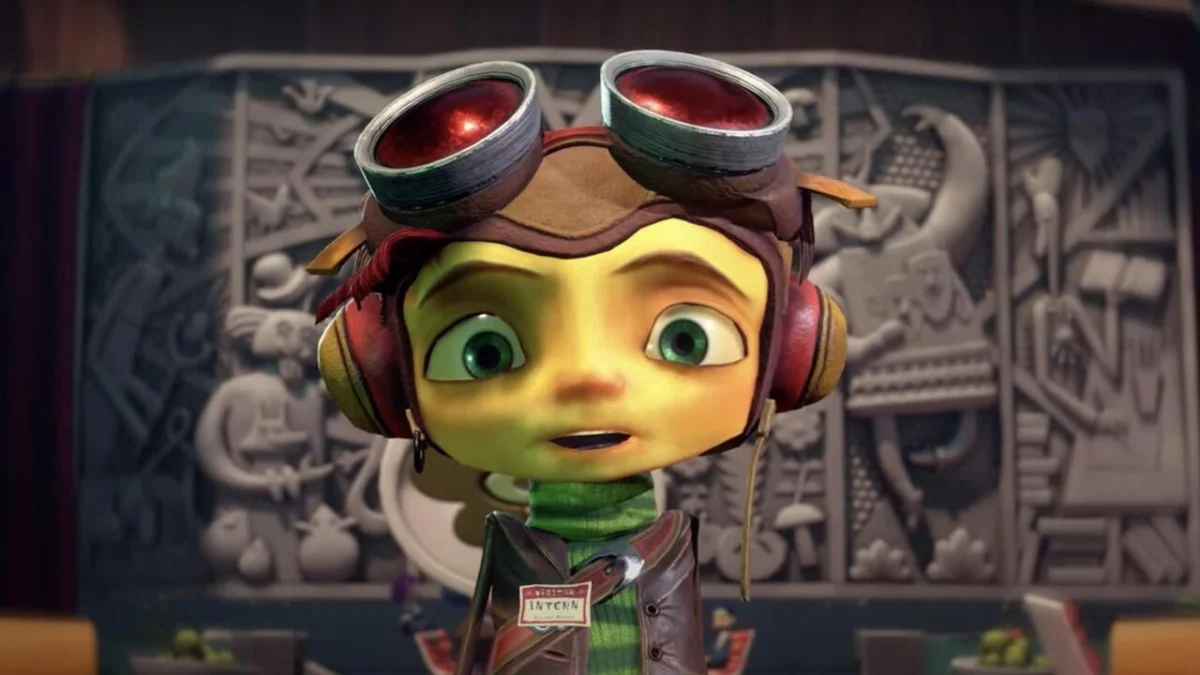
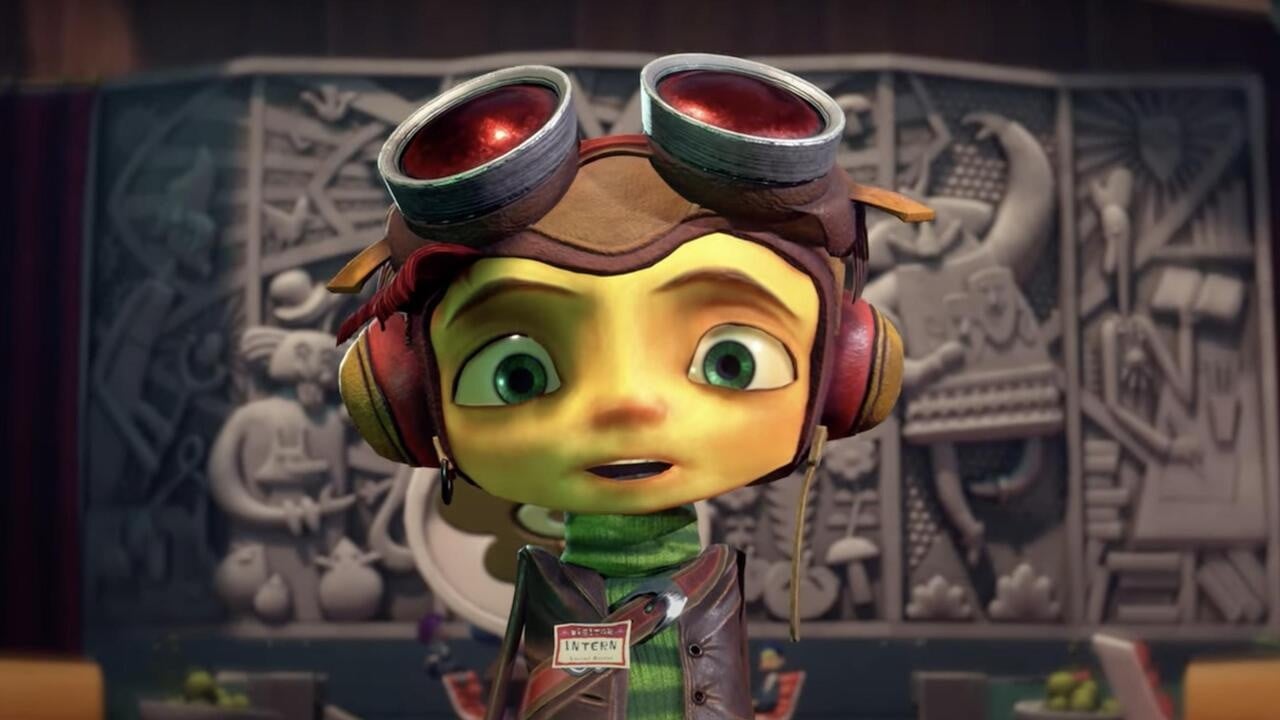
The news of Ninja Theory’s reported closure comes on the heels of a day dominated by swirling rumors and concrete reports about the precarious positions of multiple Xbox-owned development teams. Bloomberg initially broke the story that several studios within Microsoft’s Xbox division were bracing for potential closures, with at least three identified as being in "active negotiations" over their continued existence. The report specifically named Compulsion Games, known for its dystopian narrative title We Happy Few, and Double Fine Productions, the revered studio behind the Psychonauts series, as being among those in discussions. While Ninja Theory was also part of this initial list, the subsequent report from The Verge indicates its situation has progressed to a more definitive, and unfortunately, dire conclusion.
Beyond these explicitly named studios, Bloomberg’s report also indicated that several other unnamed entities were "at risk of being shuttered." Adding to the pervasive anxiety within the industry, earlier rumors circulating throughout the day had suggested that Arkane Studios, particularly its Austin branch responsible for the critically divisive Redfall, might also be in jeopardy. The active negotiations described by Bloomberg reportedly include scenarios where studios might have the opportunity to buy themselves back from Microsoft, thereby regaining their independence. However, such transitions are fraught with challenges, often leading to significant job losses and a period of instability for the affected teams. The fluidity of these situations was highlighted, with the report emphasizing that the circumstances remained "in flux," though some employees had already been granted permission to seek alternative employment. The overarching sentiment is one of extreme caution and uncertainty, with a definitive resolution for these studios expected by the close of the current month.
Microsoft’s Shifting Strategy: From Acquisition Spree to Consolidation
These potential closures and restructurings signal a noticeable shift in Microsoft’s overarching strategy for its Xbox division. For several years, Microsoft embarked on an aggressive acquisition spree, significantly expanding its first-party development capabilities. Notable acquisitions included the entire ZeniMax Media group (which brought Bethesda Game Studios, Arkane, id Software, Tango Gameworks, and others under the Xbox umbrella in 2021 for $7.5 billion), followed by the colossal $69 billion acquisition of Activision Blizzard King, finalized in late 2023. These moves were widely seen as a concerted effort to bolster the Xbox Game Pass subscription service, providing a steady stream of exclusive, high-quality content to attract and retain subscribers.
However, the economics of game development have become increasingly challenging. The cost of producing AAA titles has escalated dramatically, with budgets often exceeding hundreds of millions of dollars. Simultaneously, the growth rate of subscription services like Game Pass, while still robust, has reportedly begun to moderate, prompting a re-evaluation of investment returns. Industry analysts suggest that the current wave of consolidations and potential closures within Xbox may reflect a strategic pivot towards greater efficiency and profitability. This could involve streamlining the portfolio, focusing resources on studios deemed more strategically aligned with future plans, or simply shedding assets that are not meeting internal performance benchmarks. The ambition of Game Pass remains central, but the path to achieving sustainable profitability within that model appears to be undergoing a significant recalibration.
The Broader Industry Context: A Wave of Layoffs and Restructuring
The situation at Xbox is not isolated but rather indicative of a wider, troubling trend sweeping across the global technology and gaming industries since late 2023 and continuing into 2026. Thousands of employees have been laid off from major publishers and developers, including Sony Interactive Entertainment, Epic Games, Unity Technologies, Riot Games, Embracer Group, and countless smaller studios. This period of widespread workforce reduction has been attributed to several factors: post-pandemic market corrections after a period of accelerated growth, rising interest rates, over-hiring during the boom years, and increased scrutiny from investors demanding higher returns.
For the gaming sector specifically, the rising costs of development coupled with intense market competition have created an unsustainable environment for many. Even highly successful titles require massive marketing budgets to stand out, and the "hit-driven" nature of the industry means that even one underperforming title can have severe repercussions for a studio. The current environment forces companies, even giants like Microsoft, to make tough decisions about resource allocation, often at the expense of creative diversity and employee security. This global trend provides a crucial backdrop against which the reported closures at Xbox must be understood, positioning them not merely as isolated incidents but as symptoms of a broader industry-wide re-evaluation.
The Legacy of the Studios at Risk
The studios reportedly facing closure or significant restructuring each bring unique contributions to the gaming landscape:
- Ninja Theory: Beyond Hellblade, their portfolio demonstrates a consistent commitment to strong narrative and character development. Their willingness to tackle complex themes, particularly mental health in Hellblade, set them apart. The potential loss of Ninja Theory would mean the silencing of a distinct creative voice within the Xbox ecosystem, one that prioritized artistic expression alongside gameplay innovation.
- Compulsion Games: Acquired by Microsoft in 2018, Compulsion Games is best known for We Happy Few, a unique take on a dystopian society with a distinct art style and focus on narrative choice. Their games often delve into psychological and social themes, offering a quirky yet thought-provoking experience.
- Double Fine Productions: Led by industry veteran Tim Schafer, Double Fine is synonymous with creative adventure games and charming, character-driven narratives. Titles like Psychonauts, Psychonauts 2, and Broken Age have cemented their reputation for imaginative storytelling and humor. Their acquisition by Xbox in 2019 was celebrated by many as a move to protect and nurture unique creative talent. The prospect of Double Fine facing such uncertainty is particularly jarring given their beloved status among fans.
- Arkane Studios (Rumored): While not confirmed for closure, the rumors surrounding Arkane highlight the challenges even highly respected studios face. Arkane is celebrated for its immersive simulation games, including the Dishonored series, Prey, and Deathloop. However, the critical and commercial disappointment of Redfall in 2023, following its high-profile launch as an Xbox exclusive, has undoubtedly placed pressure on the studio. The potential implications for Arkane suggest that even studios with strong track records are not immune to strategic recalibrations if recent projects do not meet expectations.
The loss of any of these studios would not only mean job losses for talented developers but also a potential narrowing of the creative output available to players, particularly within the Xbox ecosystem.

Implications for Xbox and the Gaming Industry
The reported closures carry profound implications for Microsoft’s Xbox brand and the wider video game industry:
- Impact on Creative Diversity: The potential shuttering of studios like Ninja Theory, known for their unique artistic visions, raises concerns about the future of diverse game development within large corporate structures. There is a fear that consolidation might lead to a homogenization of content, prioritizing commercially safe bets over innovative or niche experiences.
- Employee Morale and Industry Confidence: The pervasive uncertainty and mass layoffs have a devastating effect on employee morale across the industry. It creates an environment of fear and instability, potentially driving talent away from game development. For consumers and developers alike, it erodes trust in the stability promised by large publishers.
- The Future of Xbox Exclusives and Game Pass: While Microsoft continues to invest heavily in its core franchises and the Game Pass library, the loss of acquired studios could be perceived as a setback for its content strategy. It raises questions about the long-term value proposition of Game Pass if the studios contributing unique titles are being dismantled.
- The Buy-Back Option: The possibility of studios buying themselves back, while offering a path to independence, is often a difficult and risky venture. It requires significant capital, a robust business plan, and the ability to navigate the complexities of being an independent entity in a highly competitive market. For many, it might be a last resort rather than a viable long-term solution.
- Industry Consolidation Debate: These events reignite the ongoing debate about the effects of industry consolidation. While large acquisitions can provide financial stability and resources to studios, they also carry the inherent risk of corporate restructuring, where creative autonomy can be sacrificed for corporate efficiency, ultimately leading to closures.
Official Silence and Industry Reactions
As is typical during such sensitive corporate restructuring phases, there has been no official statement from Microsoft or the affected studios regarding the ongoing negotiations or the reported closure of Ninja Theory. Companies generally maintain silence until definitive decisions are made and communicated internally and externally in a structured manner. This lack of official commentary, while understandable from a corporate perspective, only intensifies speculation and anxiety within the gaming community and among employees.
Industry analysts, however, have begun to weigh in, suggesting that these moves are likely part of a broader "belt-tightening" exercise. Many point to the increasing pressure on tech giants to demonstrate profitability and efficiency, especially after years of rapid expansion. The high cost of talent, coupled with ambitious growth targets, makes sustained profitability a constant challenge. Analysts surmise that Microsoft is likely evaluating each studio’s financial performance, strategic alignment with core Xbox initiatives, and its potential for delivering high-impact content for Game Pass, leading to these difficult decisions.
Looking Ahead: An Industry in Flux
The coming days and weeks are crucial for the studios involved. With decisions expected to be finalized by the end of June 2026, the industry holds its breath, awaiting further clarity. The reported closure of Ninja Theory serves as a stark reminder of the inherent volatility in the video game sector, even for studios under the wing of global technology giants. It underscores a challenging period for game developers worldwide, characterized by strategic realignments, financial pressures, and the continuous evolution of how games are made, distributed, and consumed. The implications of these decisions will undoubtedly resonate across the Xbox ecosystem and the broader gaming landscape for years to come.