


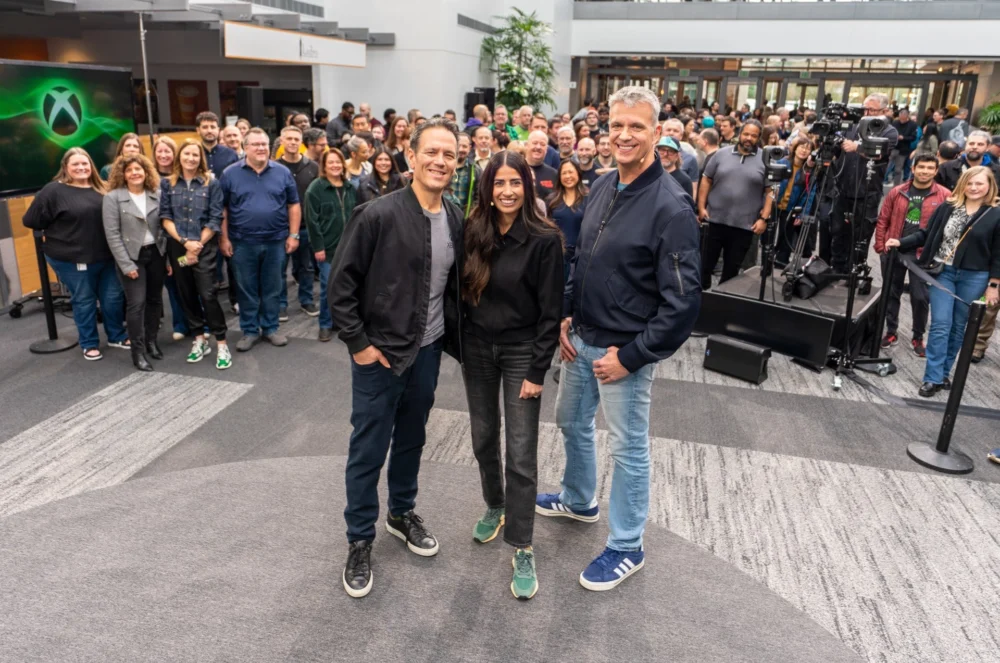
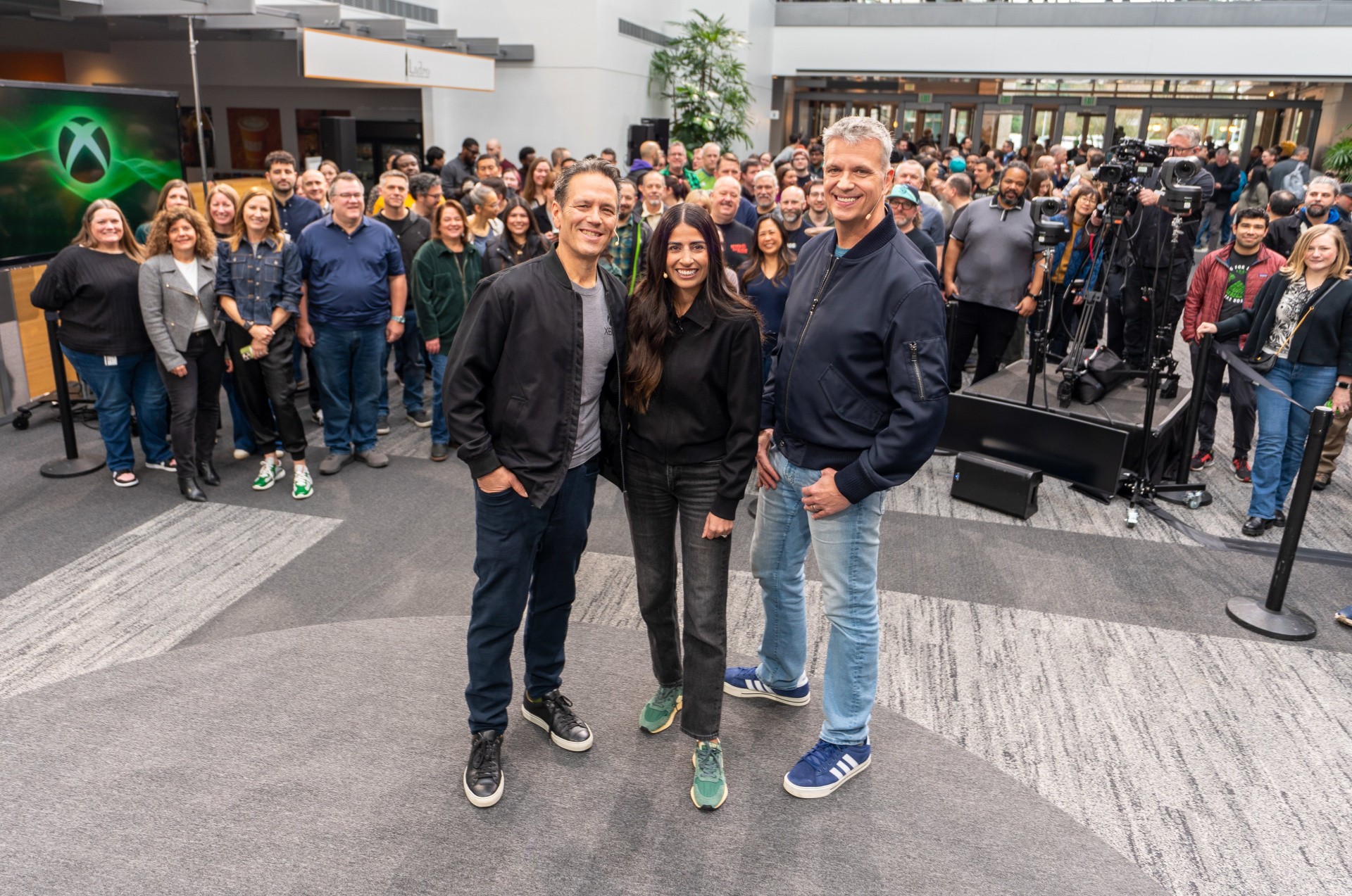
In a significant leadership transition for Microsoft’s formidable gaming division, Asha Sharma has officially commenced her tenure as the new Microsoft Gaming CEO, stepping into a role previously held by the highly influential Phil Spencer. The transition was marked by an emotional introduction at Microsoft Headquarters, where Spencer himself presented Sharma to a substantial assembly of employees, symbolizing a new chapter for the Xbox ecosystem and Microsoft’s broader interactive entertainment strategy. This pivotal moment underscores both the deep respect for Spencer’s transformative legacy and the palpable optimism surrounding Sharma’s vision for the future of Xbox and Microsoft Gaming.
A New Era for Microsoft Gaming Commences
The past week has been bustling for Ms. Sharma as she embarked on her initial days in her new executive capacity. Beyond the immediate responsibilities of acclimatizing to her demanding role, she has engaged in various introductory activities, including interviews and a high-profile introduction to the extensive team at Microsoft HQ. The event was publicly highlighted by Xbox executive Aaron Greenberg, who shared a video across social media platforms depicting Phil Spencer formally introducing Ms. Sharma to what appeared to be a vast gathering of Microsoft employees. This public display of transition emphasizes the importance Microsoft places on transparency and continuity in its leadership changes.
Greenberg’s accompanying social media post encapsulated the prevailing sentiment within the organization, describing the day as "an emotional day here for the team." His message conveyed "so much love & appreciation for all @XboxP3 has done over the years for the team + gaming," while simultaneously underscoring the "optimism" permeating the ranks regarding Asha Sharma’s impending leadership. Greenberg specifically highlighted Sharma’s stated commitments to "great games, the return of @Xbox, & her dedication to lead & learn into the next 25 years!" These declarations set a clear tone for her strategic priorities, indicating a renewed focus on core gaming experiences and a long-term perspective on the division’s evolution.
Echoing this mutual respect and appreciation, Ms. Sharma herself utilized social media to lavish praise upon Phil Spencer. She characterized him as a "remarkable leader" and a "deeply remarkable human being," revealing that their collaborative discussions had been a near-daily occurrence over the preceding months. This close working relationship during the transition period suggests a carefully planned and integrated handover process, aimed at ensuring a seamless continuation of strategic objectives and organizational culture.
Phil Spencer’s Enduring Legacy: A Decade of Transformation
Sharma’s extensive tribute to Spencer underscored the profound impact he had on the Xbox brand, particularly since assuming leadership in 2014. Her remarks vividly painted a picture of a leader who navigated Xbox through a critical juncture, fundamentally reshaping its identity and trajectory. "When he took over @Xbox in 2014, it was a pivotal moment," Sharma recounted. "He pushed for backward compatibility because players asked for it. He helped bring Xbox One X to life. He created Game Pass. And through it all, he re-centered our decisions around players and creators."
These achievements are not merely milestones but represent strategic shifts that revitalized Xbox and profoundly influenced the broader gaming industry. The introduction of backward compatibility was a direct response to player demand, fostering goodwill and preserving the legacy of thousands of games across generations. This move demonstrated a consumer-first approach, a stark contrast to some industry trends at the time, and became a cornerstone of Xbox’s player-centric philosophy.
The Xbox One X, launched in 2017, represented a significant mid-generation console refresh. Positioned as "the world’s most powerful console," it offered enhanced performance for existing and upcoming titles, appealing to tech enthusiasts and those seeking premium gaming experiences. Its development underscored Spencer’s commitment to pushing technological boundaries and offering diverse hardware options to consumers.
Perhaps Spencer’s most revolutionary contribution was the conceptualization and launch of Xbox Game Pass. Introduced in 2017, this subscription service has been widely hailed as the "Netflix of gaming," offering a vast, rotating library of games for a monthly fee. Game Pass fundamentally altered the economic model of gaming, providing unparalleled value to players and a stable revenue stream for Microsoft, while simultaneously fostering discoverability for developers. Under Spencer’s leadership, Game Pass grew exponentially, reportedly exceeding 30 million subscribers by early 2024, becoming a dominant force in the gaming subscription market. Its success solidified Microsoft’s position as a leader in cloud gaming and digital distribution.
Beyond these product innovations, Spencer’s leadership fostered a cultural shift within Xbox, prioritizing players and creators. This ethos translated into initiatives like Xbox Play Anywhere, enabling cross-platform play and progression between Xbox consoles and Windows PCs, and a sustained effort to enhance accessibility in gaming for a wider audience. He championed diversity and inclusion within the industry, advocating for healthier work environments and more representative content.
Sharma eloquently summarized Spencer’s impact: "A lot of careers get summed up by milestones. Phil’s impact shows up in stories. In the creators who felt safe taking risks, in the teams who did the best work of their lives because someone believed in them, and in players across generations who felt like Xbox was theirs." This sentiment highlights Spencer’s role not just as a business leader but as a patron of creativity and a community builder, fostering an environment where innovation and player satisfaction were paramount.
Furthermore, Spencer’s tenure was marked by an aggressive strategy of studio acquisitions, significantly bolstering Microsoft’s first-party content pipeline. Notable acquisitions include ZeniMax Media (parent company of Bethesda Softworks, id Software, Arkane Studios, and others) in 2020, and the monumental acquisition of Activision Blizzard King in 2023. These moves, executed under Spencer’s strategic guidance, aimed to secure a robust portfolio of exclusive titles and intellectual properties, positioning Xbox for long-term content leadership in an increasingly competitive market. The integration of these vast studios and their iconic franchises into the Game Pass ecosystem has been a central pillar of Microsoft Gaming’s strategy.
Asha Sharma’s Vision: The Next 25 Years of Xbox
Asha Sharma steps into this role with a clear mandate for continued growth and innovation. Her commitment to "great games" reaffirms the foundational importance of compelling content, a critical factor in attracting and retaining players in the modern gaming landscape. The phrase "the return of Xbox" suggests a strategic push to regain or solidify market share in key areas, potentially involving console sales, subscription growth, or a renewed emphasis on exclusive first-party titles that resonate globally. This could also imply an aggressive stance in new and emerging markets, leveraging Microsoft’s global infrastructure.

Her dedication to "lead & learn into the next 25 years" points to a forward-looking strategy that will likely encompass evolving technological trends and shifts in consumer behavior. This long-term vision would inherently involve deepening Microsoft’s investment in cloud gaming (Xbox Cloud Gaming), expanding its reach across various devices beyond traditional consoles, and exploring the potential of artificial intelligence (AI) in game development, player personalization, and operational efficiencies. The continued expansion into mobile gaming, particularly following the Activision Blizzard King acquisition, will also be a significant area of focus, integrating popular mobile titles into the broader Xbox ecosystem.
While specific details of Sharma’s strategic blueprint will unfold over time, her background and the context of Microsoft Gaming suggest an emphasis on:
- Ecosystem Expansion: Further integrating Game Pass across PC, mobile, and potentially smart TVs, making Xbox content accessible to a broader audience irrespective of dedicated console ownership.
- Content Pipeline Diversification: Balancing AAA blockbusters with innovative indie titles and ensuring a steady flow of high-quality first-party and third-party content.
- Global Market Penetration: Strengthening Xbox’s presence in international markets where console adoption or Game Pass subscription rates might have further growth potential.
- Technological Leadership: Investing in next-generation hardware, cloud infrastructure, and AI-driven innovations to maintain a competitive edge.
- Community Engagement: Continuing Spencer’s legacy of fostering a strong, inclusive community of players and creators.
Broader Context and Industry Implications
This leadership transition occurs within a dynamic and highly competitive global gaming market, valued at over $180 billion annually. Microsoft Gaming operates within an ecosystem that includes fierce competition from Sony’s PlayStation and Nintendo’s Switch, alongside a burgeoning PC gaming market and the explosive growth of mobile gaming. The strategic importance of Xbox to Microsoft extends beyond direct revenue; it serves as a critical pillar for cloud services (Azure), content creation tools, and brand synergy across its various platforms.
The continuity of a player-centric philosophy, combined with new leadership, is crucial for maintaining momentum. Microsoft’s aggressive acquisitions under Spencer have positioned it as a dominant content owner, but the challenge now lies in effectively leveraging these assets to drive engagement and growth across all segments of Microsoft Gaming. Sharma’s role as Microsoft Gaming CEO indicates a broader remit than just the Xbox console division, encompassing PC gaming, cloud gaming services, and strategic initiatives that span Microsoft’s entire interactive entertainment portfolio.
The transition also signals Microsoft’s continued commitment to gaming as a core business segment. The company has invested billions in this sector, and the appointment of a new CEO with a long-term vision underscores the belief in gaming’s sustained growth potential and its strategic value to the wider Microsoft enterprise. The industry will be closely watching how Sharma balances the preservation of Spencer’s successful strategies with the introduction of new initiatives to navigate the evolving landscape of digital entertainment.
Conclusion
The introduction of Asha Sharma as the new Microsoft Gaming CEO marks a significant and highly anticipated moment for the Xbox brand and the broader gaming industry. The outpouring of respect and appreciation for Phil Spencer’s transformative leadership, coupled with the evident optimism surrounding Sharma’s strategic commitments, creates a powerful narrative of continuity and progressive evolution. As Sharma embarks on her mission to guide Microsoft Gaming into its "next 25 years," the focus will undoubtedly remain on delivering "great games," expanding the reach of the Xbox ecosystem, and innovating across all facets of interactive entertainment, building upon the formidable foundation laid by her predecessor. The gaming world now eagerly awaits the unfolding of this new chapter under her stewardship.