


It’s the weekend, and the Milton Keynes CeX store is always packed at these peak hours. Set within a busy city, the line is almost outside the door, and many customers are scurrying over themselves, searching for PS2, PS3, Wii, Xbox 360, PS4, and PS5 games. GameStop in North America is quite the opposite of this, with plenty of Funko POP toys stalking the aisles, some games, and a lack of customers at most hours of the day (at least in my experience). GameStop Retro could be a difference maker.
The landscape of video game retail has undergone a dramatic transformation over the past decade, with the rapid rise of digital downloads and the evolving preferences of consumers creating significant challenges for brick-and-mortar establishments. In North America, GameStop, once the dominant force in physical game sales, has faced a protracted period of decline, marked by store closures, falling revenues, and a struggle to adapt to the changing market. Conversely, in the United Kingdom, a different model has thrived: CeX (Complete Entertainment Exchange). This disparity in fortunes offers a compelling case study as GameStop embarks on a strategic shift, rebranding a portion of its U.S. and Canadian stores to a "retro" focus, potentially mirroring the successful blueprint laid out by its British counterpart.
The author’s personal observations highlight this stark contrast. In the U.K., CeX stores, like the one in Milton Keynes, are consistently bustling hubs, particularly during peak weekend hours. The sheer volume of customers actively seeking a wide array of gaming consoles, from the venerable PlayStation 2 and original Xbox to the current generation PlayStation 5 and Xbox Series X/S, underscores a robust market for both new and pre-owned games. This vibrant in-store activity is often accompanied by a diverse inventory that extends beyond video games to include movies and consumer electronics such as smartphones and Bluetooth headsets, creating a multi-faceted appeal.
This scene stands in sharp relief to the author’s experiences in North America, specifically at GameStop locations. These stores, in contrast, are often described as sparsely populated, with merchandise predominantly featuring collectible items like Funko POP figures, and a more limited selection of actual video games. The lack of foot traffic, as observed by the author across various times of the day, suggests a disconnect between GameStop’s current offerings and consumer demand in its primary markets.
The author, having resided in both Canada and the U.K., provides a direct comparative analysis of the gaming retail environment in these regions. The ubiquitous presence of CeX across the U.K. is a key differentiator. CeX’s success is attributed to its long-standing model of buying, selling, and trading a broad spectrum of pre-owned media, including retro games, alongside new releases. This comprehensive approach, which has been cultivated over approximately three decades, has fostered a strong brand loyalty and a distinct culture around the acquisition and exchange of used goods.
In stark contrast, GAME, which is often cited as the U.K.’s equivalent to GameStop, has experienced significant struggles. The author notes the brand’s diminished presence, with many former standalone stores now integrated into larger retail chains like Sports Direct, and a cessation of its trade-in services. This decline in GAME’s fortunes further emphasizes the divergence in retail strategies and market reception between the two regions.
GameStop’s strategic pivot towards a retro-focused model was officially announced on August 28th. This initiative, as reported by sources such as the YouTube channel Spawn Wave, appears to have been implemented with a relatively short preparation window for store employees. Spawn Wave, in a video discussing the changes, indicated that staff had limited time to adapt to the new operational directives. The announcement has garnered a mixed reaction online, with some observers expressing skepticism, while others view it as a potentially viable survival strategy for the struggling retailer.
The implications of GameStop’s shift to a retro-centric model are significant and could hinge on its ability to cultivate a dedicated community and customer base, much like CeX has achieved in the U.K. The success of CeX is not merely a matter of inventory but of building a sustainable ecosystem around pre-owned media.
CeX has Cultivated a Culture Around Used Games
The consistent sight of queues forming outside CeX stores across the United Kingdom, particularly in densely populated urban centers like Milton Keynes and London, is a testament to its enduring appeal. This sustained patronage is a direct result of CeX’s strategic cultivation of a culture centered on the exchange of goods. For over thirty years, the company has provided consumers with a reliable avenue to trade their unwanted items—be it games, movies, or technology—for valuable store credit or cash. This credit can then be used to acquire new or pre-owned items, creating a dynamic and cost-effective retail experience. The ability to trade in older consoles and games, and subsequently acquire newer titles or explore retro gaming, has made CeX a go-to destination for a diverse range of consumers.
This robust ecosystem has spawned a dedicated online community, with YouTube channels like Retro Ghetto and TVM regularly producing content that documents their "CeX hauls" and the unique finds within these stores. These channels have amassed substantial followings, demonstrating the deep engagement and interest generated by CeX’s business model. The thrill of discovering rare titles or exceptional deals within a CeX store has become a recognized phenomenon among British gamers. The brand’s name, though potentially awkward to some, has become synonymous with this unique retail experience. Even the company’s approach to its free Wi-Fi, humorously branded as "Unprotected CeX," adds a layer of personality that resonates with its customer base.
The contrast between the U.K. and North American markets for retro games is stark. In the United States and Canada, acquiring older gaming titles is often an inconvenient and expensive endeavor. While independent game stores exist in some cities, they are not as widespread as CeX. Consequently, many North American consumers are forced to rely on online marketplaces like eBay and Amazon, where prices can be inflated by resellers, and shipping costs can add significantly to the final price. Thrift stores offer a potential alternative, but the availability of desirable retro games is often a matter of chance.
During the author’s time living in Canada, the prohibitive cost of retro games on the secondary market made building a collection an unfeasible aspiration. The prices demanded by resellers were often beyond the reach of casual collectors. The prospect of GameStop Retro offering a more accessible and affordable entry point into retro gaming, akin to the CeX experience, holds significant promise for alleviating these frustrations.
Early indicators suggest that GameStop Retro may indeed offer competitive pricing compared to established online retailers like eBay and Amazon. Spawn Wave, in his observations, noted that the prices at GameStop Retro locations were "not terrible" and presented a more favorable alternative to the often inflated prices found at conventions or on online platforms. This competitive pricing strategy, if consistently applied, could be a crucial factor in attracting and retaining customers.
Furthermore, the online presence of CeX offers a transparent and user-friendly experience that GameStop could emulate. The CeX website provides real-time inventory information for individual stores, allowing customers to check stock availability and receive immediate quotes for trade-in credit. This level of transparency is a significant advantage, as it eliminates the uncertainty often associated with visiting a GameStop store, where customers may not know the exact value of their trade-ins until they are physically present. Providing such information upfront would greatly enhance the customer experience and build trust.
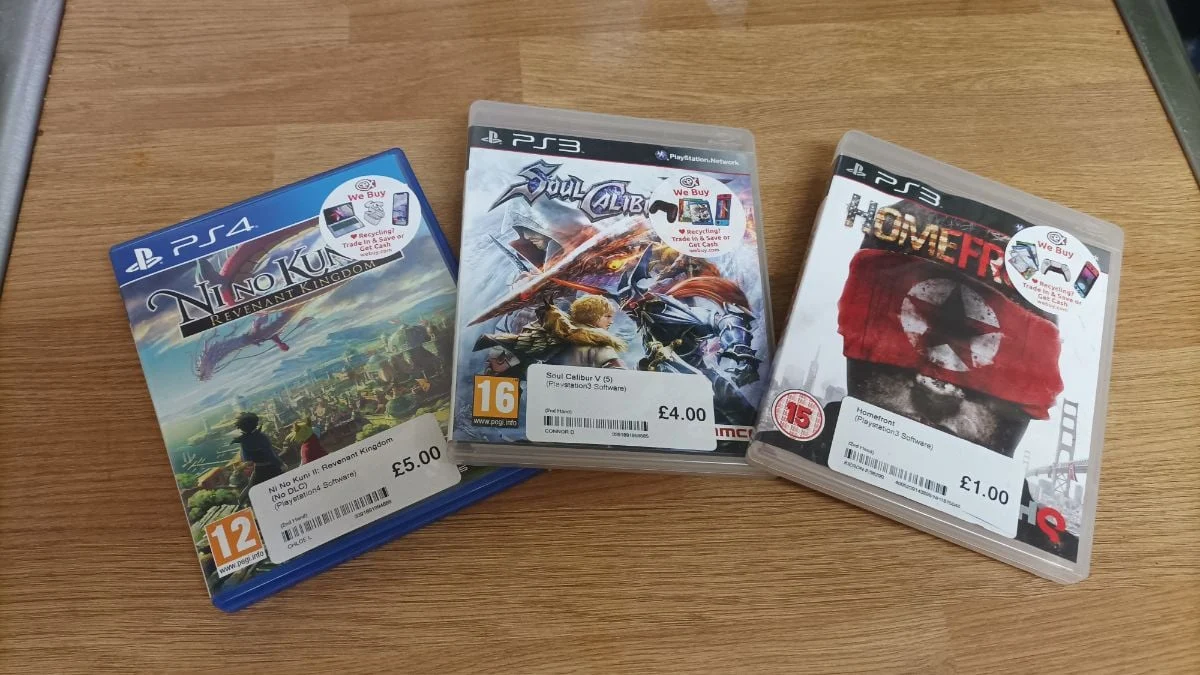
The author’s personal journey back to the U.K. has seen the rapid expansion of their PlayStation 3 and PlayStation 4 game library, largely facilitated by the affordability of titles purchased from CeX. For mere pounds, the author has acquired titles such as Alpha Protocol, Final Fantasy XIII, and PlayStation All-Stars Battle Royale – games that offer unique experiences often unavailable on modern platforms. This consistent access to a wide range of affordable games has proven to be an "addicting" aspect of the CeX model. If GameStop Retro can successfully replicate CeX’s value proposition, offering both competitive prices and fair trade-in values, the initiative could prove to be a turning point for the company. However, the broader context of GameStop’s corporate actions, particularly the controversial shutdown of Game Informer magazine and the subsequent layoffs of its staff, presents an ethical hurdle that may impact public perception and support for the retailer, even as it attempts a strategic revival.
The broader implications of GameStop’s move into the retro gaming market are multifaceted. For consumers, it represents a potential increase in accessibility and affordability for a growing segment of the gaming market that cherishes nostalgia and the tangible experience of physical media. The success of this strategy could revitalize interest in older consoles and games, potentially leading to a broader appreciation for gaming history. For the industry, it could signal a renewed focus on the pre-owned market, encouraging more retailers to consider similar models.
However, the long-term viability of GameStop’s retro strategy will depend on several factors. Firstly, the company must effectively manage its inventory and pricing to remain competitive with established online marketplaces and independent retro game stores. Secondly, fostering a sense of community and loyalty, as CeX has done, will be crucial. This could involve in-store events, loyalty programs, and a dedicated customer service approach that caters to the specific needs of retro gaming enthusiasts.
The challenges faced by GameStop are indicative of a wider trend in the retail sector, where companies must constantly adapt to evolving consumer behavior and technological advancements. The shift to a retro-focused model is a bold gamble, but one that, if executed strategically and with a genuine understanding of the market, could offer a lifeline to a company seeking to redefine its identity and secure its future in an increasingly digital world. The lessons learned from the success of CeX in the U.K. provide a compelling roadmap, but ultimately, GameStop’s ability to execute this vision will determine whether this retro pivot leads to a resurgence or becomes another chapter in its ongoing retail narrative.