

The 2014 Pivot: Untethering Kinect and Restoring the Core Gaming Focus
Phil Spencer’s appointment as Head of Xbox came at a critical juncture. The Xbox One, released in November 2013, was bundled with the Kinect 2.0 sensor, resulting in a $499 launch price—$100 more than the rival PlayStation 4. Within months of taking the helm, Spencer made the executive decision to unbundle the Kinect sensor. By June 2014, Microsoft began offering a standalone Xbox One console for $399, effectively achieving price parity with Sony and signaling a shift back to "games-first" messaging.
This move was more than a pricing adjustment; it was a fundamental acknowledgment of consumer sentiment. Industry analysts noted that the mandatory Kinect had become a symbol of corporate overreach and privacy concerns. By removing the requirement, Spencer allowed the hardware team to reallocate system resources—specifically 10% of the GPU bandwidth previously reserved for Kinect—back to developers, improving game performance across the board. This pragmatic approach laid the groundwork for the brand’s recovery, focusing on the needs of the core enthusiast rather than the casual "all-in-one" entertainment seeker.
The Technical Triumph of Modern Backwards Compatibility
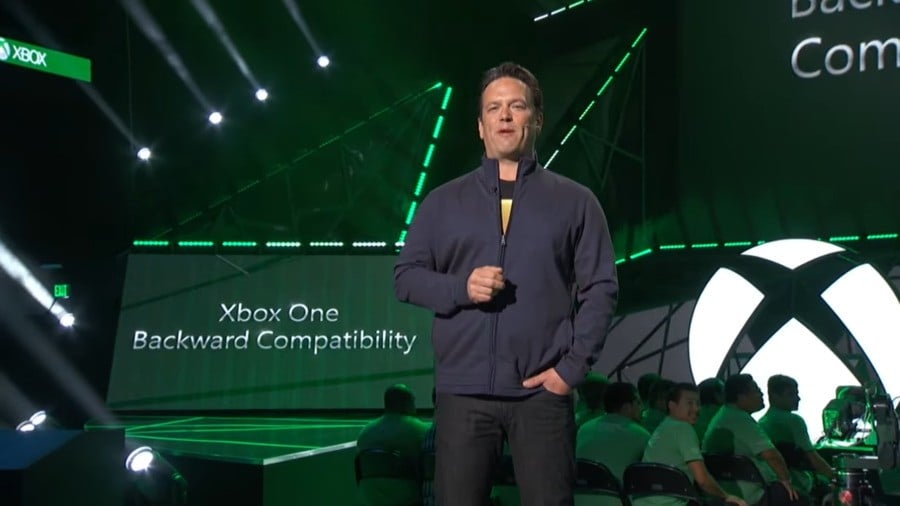
Perhaps the most significant "mic drop" moment of Spencer’s career occurred at the Electronic Entertainment Expo (E3) in 2015. Amidst rumors that the Xbox One’s architecture made legacy support impossible, Spencer announced that the console would support Xbox 360 titles through a custom-built emulator. This initiative, which eventually grew to include original Xbox titles, stood in stark contrast to the industry trend of selling "remasters" of older games.
The technical complexity of this achievement cannot be overstated. Moving from the PowerPC architecture of the Xbox 360 to the x86 architecture of the Xbox One required immense engineering resources. By the time the program reached its conclusion in 2021, over 600 titles had been added to the library, many with enhancements such as Auto-HDR and resolution boosts. This move fostered immense brand loyalty, as players realized their digital and physical libraries would follow them across generations—a philosophy Spencer later codified as "respecting the player’s investment."
Hardware Redemptions: The Xbox One S and Xbox One X
Under Spencer’s leadership, Microsoft’s hardware division underwent a radical design overhaul. The original Xbox One was criticized for its bulky "VCR-like" appearance and massive external power brick. In 2016, the team released the Xbox One S, which was 40% smaller, featured an internal power supply, and introduced 4K Blu-ray support and HDR capabilities.
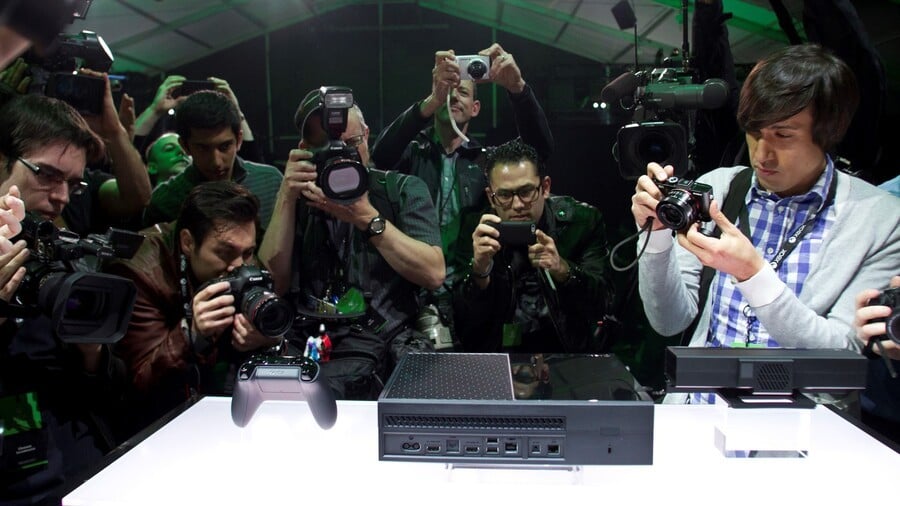
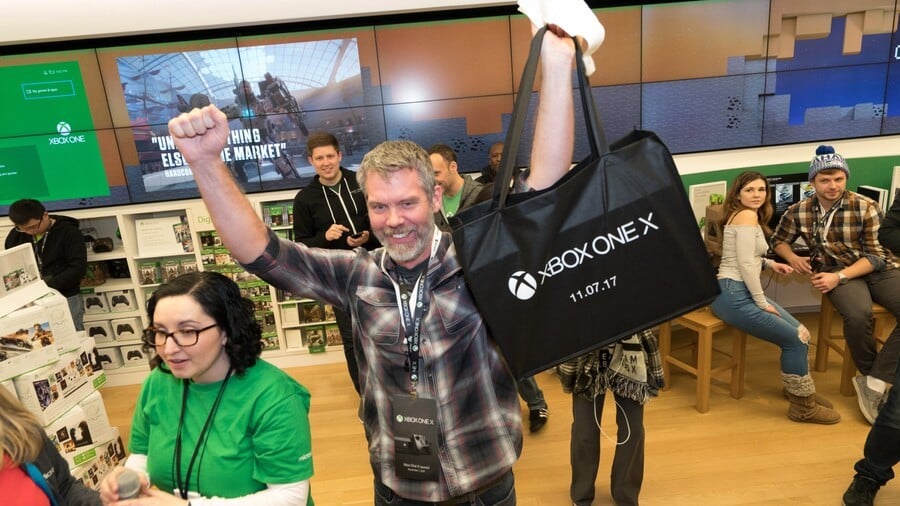
However, it was the 2017 launch of the Xbox One X that truly reclaimed Microsoft’s reputation for hardware prowess. Marketed as the "world’s most powerful console," the Xbox One X boasted 6 teraflops of graphical processing power, allowing for native 4K gaming. This mid-generation refresh was a calculated response to the PlayStation 4 Pro, successfully positioning Xbox as the premier destination for multi-platform enthusiasts who prioritized visual fidelity. Data from the period showed that while Sony maintained a larger overall market share, Microsoft began to dominate the "premium console" conversation among hardcore gamers.
The Genesis and Growth of Xbox Game Pass
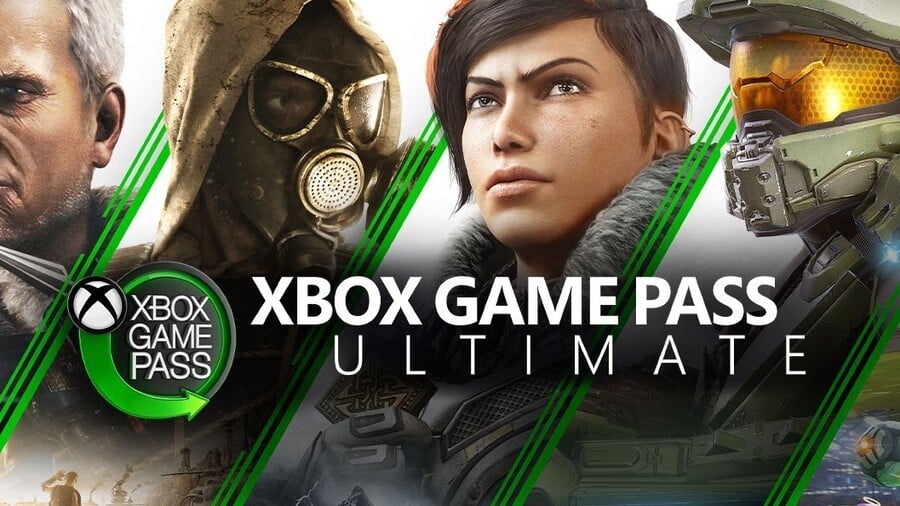
In June 2017, Spencer oversaw the launch of Xbox Game Pass, a service that would become the cornerstone of Microsoft’s gaming strategy. Initially met with skepticism by some industry veterans who feared it would devalue individual game sales, Game Pass revolutionized the distribution model by offering a rotating library of hundreds of games for a flat monthly fee.
The pivotal moment for the service came in January 2018, when Spencer announced that all future first-party titles from Xbox Game Studios would launch day-and-date on the service. This meant that blockbuster franchises like Halo, Forza, and Gears of War would be available to subscribers at no additional cost. By early 2024, Microsoft reported that Game Pass had surpassed 34 million subscribers. The service has been credited with lowering the barrier to entry for indie developers and changing how success is measured in the industry—moving the needle from "units sold" to "engagement and retention."
Strategic Expansion and the Acquisition Era
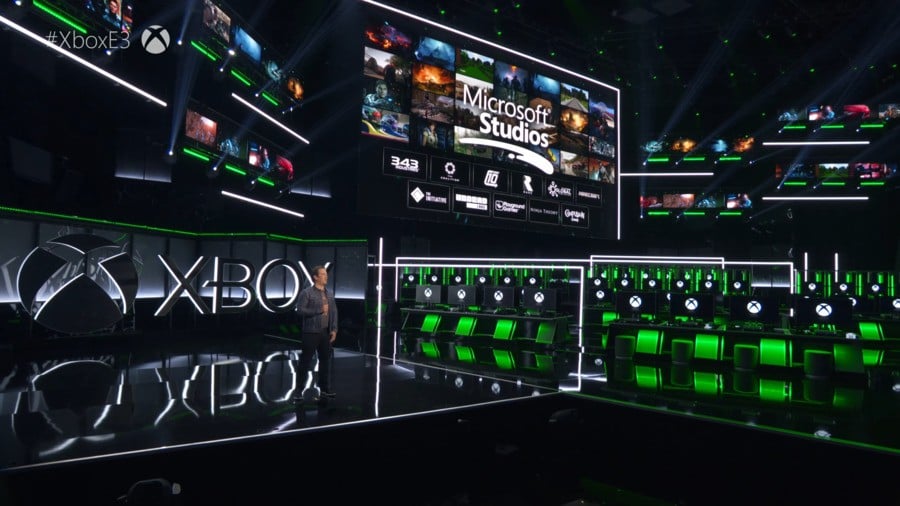
To fuel the Game Pass engine, Spencer recognized that Microsoft needed a more robust pipeline of exclusive content. Starting in 2018, he initiated a series of acquisitions that fundamentally altered the landscape of the gaming industry. The first wave included respected mid-sized studios such as Ninja Theory, Obsidian Entertainment, Playground Games, and Double Fine Productions.
These acquisitions were followed by two of the largest deals in entertainment history. In 2021, Microsoft finalized the $7.5 billion acquisition of ZeniMax Media, the parent company of Bethesda Softworks, bringing legendary franchises like The Elder Scrolls, Fallout, and Doom under the Xbox umbrella. This was followed by the monumental $68.7 billion acquisition of Activision Blizzard, which was completed in late 2023 after extensive regulatory scrutiny worldwide. These moves ensured that Xbox would control some of the most valuable intellectual property in the world, including Call of Duty and World of Warcraft, positioning the brand to compete with both traditional rivals like Sony and emerging threats from tech giants like Amazon and Google.
The Launch of Xbox Series X|S and the Dual-SKU Strategy
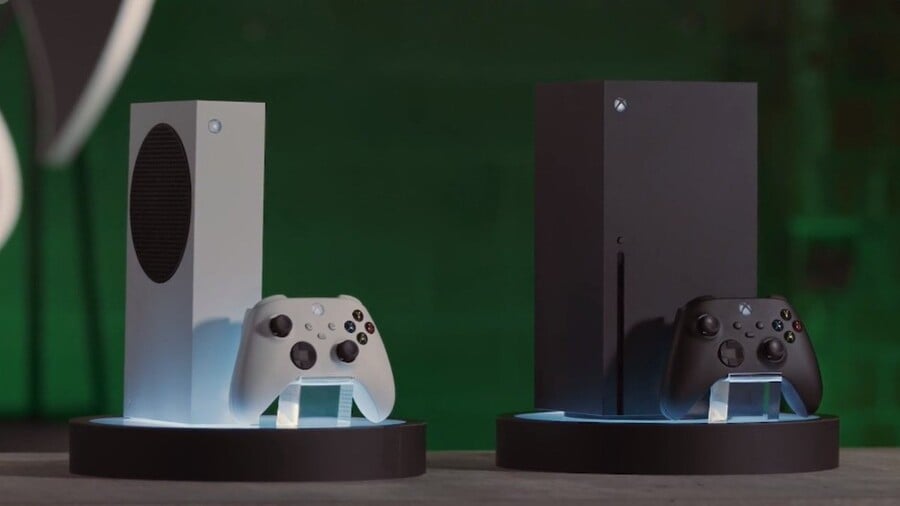
The launch of the ninth generation of consoles in November 2020 presented unique challenges, occurring in the midst of the COVID-19 pandemic. Spencer and his team navigated supply chain disruptions to deliver a two-tiered hardware approach: the flagship Xbox Series X and the more affordable, digital-only Xbox Series S.
The Series S, priced at $299, was a strategic masterstroke designed to capture the value-oriented market and expand the Game Pass ecosystem. Meanwhile, the Series X focused on cutting-edge technology, introducing features like the "Velocity Architecture" and "Quick Resume," the latter of which allows players to switch between multiple games instantly without losing progress. Despite the lack of a major first-party "killer app" at launch, the hardware was praised for its quiet operation, industrial design, and seamless integration with previous-generation software and accessories.
Consumer-Centric Innovation: Smart Delivery and Accessibility
The final pillar of Spencer’s legacy is his commitment to accessibility and consumer-friendly policies. The introduction of "Smart Delivery" ensured that players would always play the best version of a game for their specific hardware without having to pay for upgrades—a policy that forced competitors to reconsider their own upgrade paths. Additionally, features like FPS Boost utilized the power of new hardware to double the frame rates of older titles without requiring developer intervention.
Beyond software, Spencer championed the Xbox Adaptive Controller, a groundbreaking peripheral designed for gamers with limited mobility. This initiative, part of his broader "Gaming for Everyone" mission, earned Microsoft widespread acclaim for its inclusivity. Spencer’s tenure was marked by a shift in rhetoric; he frequently spoke about "the player being at the center," rather than the console. This philosophy extended to the PC, where he brought Xbox titles to Steam and revamped the Windows gaming experience, and to the Cloud, where Xbox Cloud Gaming (Project xCloud) allowed subscribers to play high-end titles on mobile devices.
Industry Impact and Future Implications
As Phil Spencer departs, the gaming industry is vastly different from the one he inherited in 2014. His leadership transitioned Microsoft from a hardware-centric company to a platform-agnostic service provider. While the brand has faced recent criticisms regarding the pace of first-party releases and the complexities of managing a massive studio roster, the data indicates a significantly healthier ecosystem.
Market analysts suggest that Spencer’s greatest achievement was future-proofing the brand. By decoupling the Xbox experience from the physical console, he ensured that Microsoft would remain relevant in an era where cloud gaming and subscription models are expected to dominate. His departure leaves a void in the industry’s leadership, as he was often seen as the "face" of gaming—a leader who was as comfortable talking to developers as he was to shareholders. The legacy of Phil Spencer will be defined by his ability to listen to a disgruntled community and build a diverse, inclusive, and technologically advanced platform that paved the way for the next generation of interactive entertainment.