


The Xbox indie gaming landscape for the second quarter of 2026 has undergone a sudden shift as two highly anticipated titles, Outbound and He-Man and the Masters of the Universe: Dragon Pearl of Destruction, have officially been moved from their original April release windows. According to statements released by the publishing and development teams, the delays are a result of the need for additional technical refinement and the resolution of late-stage performance issues. While Outbound has secured a firm new release date in mid-May, the Masters of the Universe project has been moved to a broader "Summer" window, leaving fans of the iconic franchise waiting for a specific day of arrival.
These scheduling changes come at a time when the Xbox digital storefront is experiencing a high volume of independent releases. The decisions to postpone these launches highlight the increasing pressure on smaller development teams to deliver polished, bug-free experiences upon debut, particularly as cross-platform parity and player expectations continue to rise within the indie sector.
Detailed Breakdown of the Revised Release Schedule
The first of the two titles, Outbound, was originally slated to arrive on Xbox Series X|S and other platforms on April 23, 2026. The developer has now confirmed that the game will instead launch on May 14, 2026. This three-week postponement is intended to address specific technical hurdles that were identified during the final certification and testing phases.
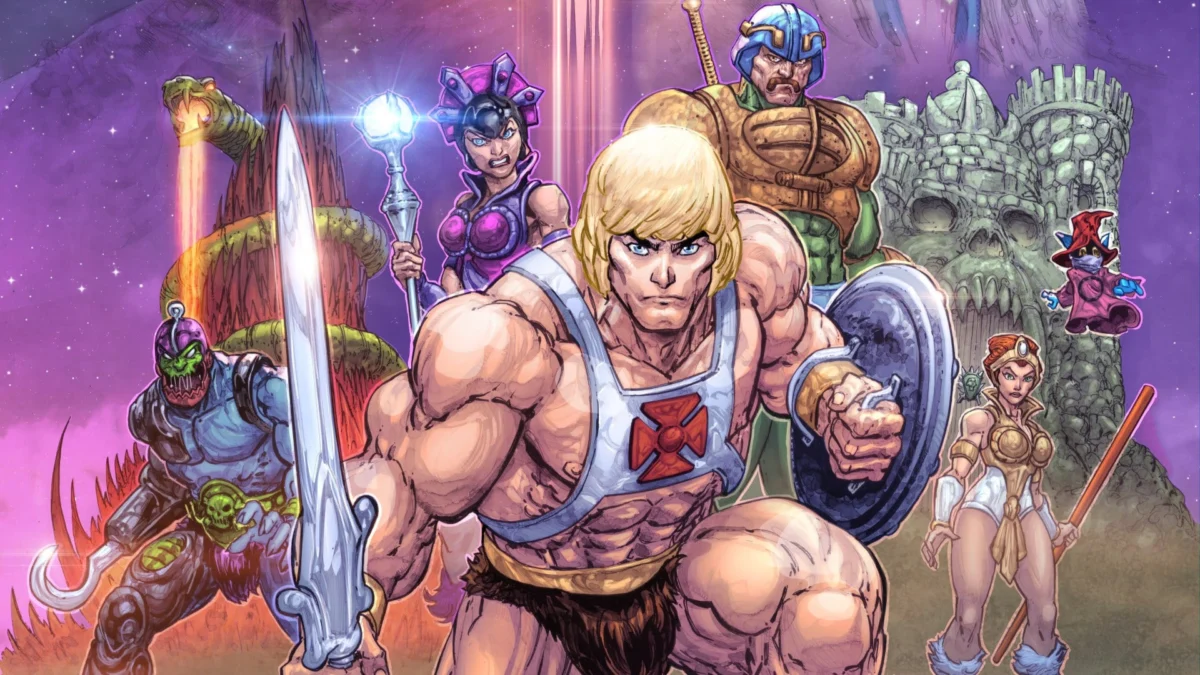
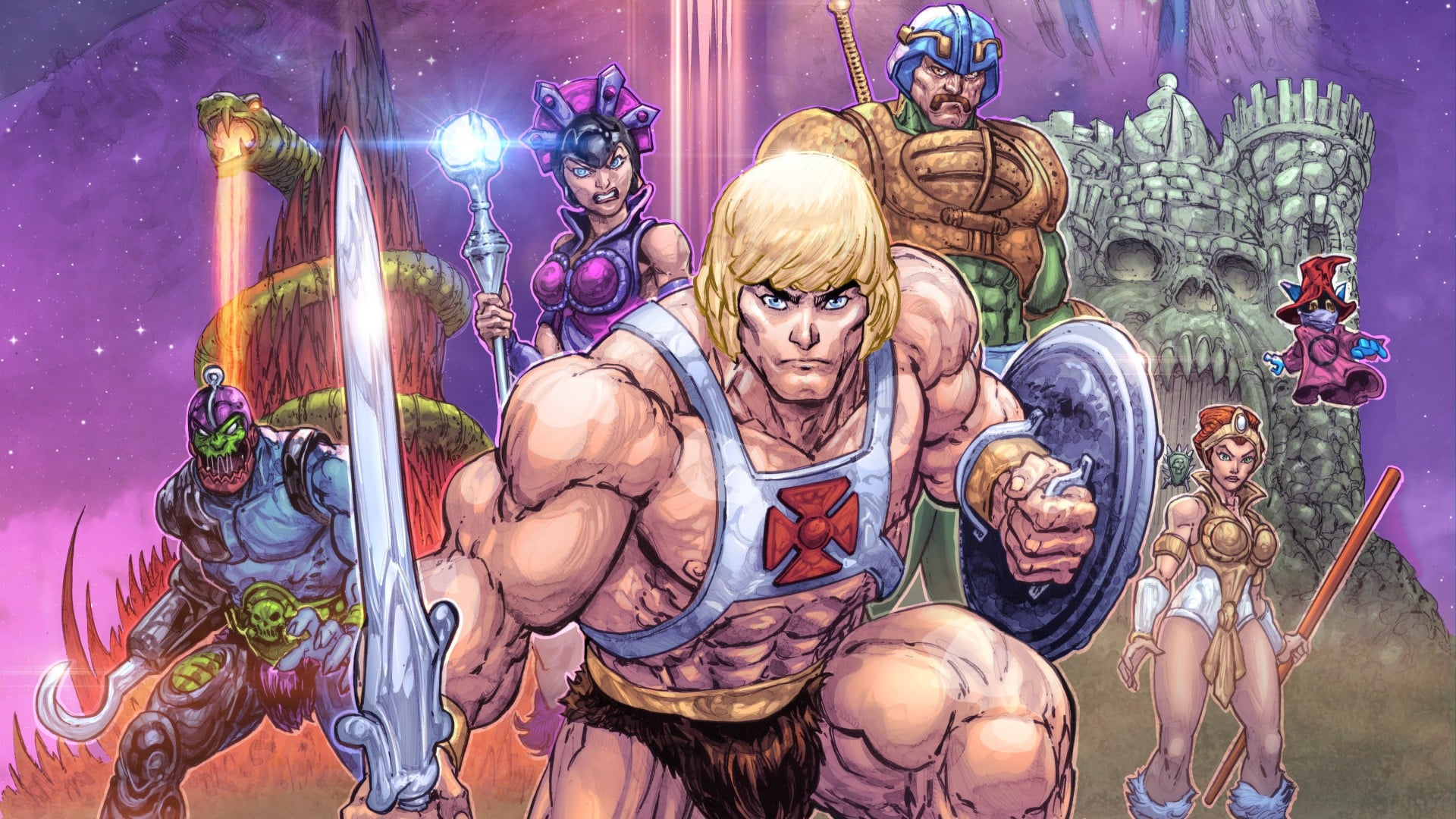
The second title, He-Man and the Masters of the Universe: Dragon Pearl of Destruction, faced a more significant adjustment. Originally scheduled for an April 28 release, the game has been removed from the April calendar entirely. The publisher, Limited Run Games, has indicated that the title is now aiming for a "Summer TBD" (To Be Determined) window. This broader timeframe suggests that the development team requires more than a few weeks to implement the necessary "refinements" mentioned in their public address.
Analysis of the Delay: Outbound and the Challenges of Multi-Platform Launching
Outbound has garnered significant attention for its unique blend of "cozy" survival mechanics and mobile base building. Set in an open world where players customize and inhabit a van or motorhome, the game emphasizes sustainable living, crafting, and off-grid exploration. The complexity of managing a physics-based vehicle that serves as a primary hub, combined with four-player cooperative play, presents substantial technical challenges.
In their official statement, the Outbound team noted that a specific issue was identified late in the development process. According to the developers, this issue had the potential to "negatively impact" player enjoyment. Critically, the team highlighted that there was insufficient time to guarantee a simultaneous release across all planned platforms if they had stuck to the April 23 date. In the modern gaming industry, simultaneous multi-platform launches are essential for marketing momentum, but they require every version of the game—from high-end PCs to the Xbox Series S—to meet strict stability requirements. A bug found in one version often necessitates a delay for all versions to ensure a unified community experience and parity in feature sets.
To mitigate the disappointment of the delay, the developers have kept the Outbound demo active on the Xbox Store. This allows prospective players to engage with the core mechanics of vehicle customization and resource management while the final build undergoes its last round of polishing.
The Return of Eternia: He-Man and the Masters of the Universe: Dragon Pearl of Destruction
The delay of He-Man and the Masters of the Universe: Dragon Pearl of Destruction marks a cautious move for a project carrying a heavy weight of nostalgia. Developed as a fast-paced "magic-brawler," the game is designed to evoke the aesthetic of classic 1980s and 90s arcade titles while integrating the high-fantasy elements of the modern animated series. Players are expected to take control of iconic characters including He-Man, Man-At-Arms, and Teela.
The decision to move the game to a Summer window reflects a desire to meet the high expectations of a multi-generational fanbase. The statement from the development team emphasized the need for "additional time to refine the game and deliver an experience worthy of fans." For a brawler, "refinement" typically involves balancing combat mechanics, ensuring hit detection is frame-perfect, and polishing the visual effects that define the "magic-brawler" subgenre.
Unlike Outbound, Dragon Pearl of Destruction does not currently have a playable demo available on the Xbox Store. This lack of a public-facing build makes the delay more palpable for the community, as there is no current way to test the gameplay loop during the extended waiting period.
The Broader Context of Xbox Indie Gaming in 2026
The postponement of these two titles must be viewed within the context of an exceptionally crowded April for the Xbox ecosystem. The ID@Xbox program has facilitated a surge of independent content, with dozens of titles vying for visibility on the dashboard. Industry analysts suggest that for smaller titles, a brief delay can sometimes serve as a strategic advantage, moving the game out of a congested release week and into a window where it can receive more dedicated editorial coverage and player attention.
However, the "Summer" window for the He-Man project introduces its own set of challenges. The summer months often feature major industry showcases, such as the Xbox Games Showcase, where massive AAA announcements can easily overshadow smaller indie releases. The team at Limited Run Games will likely be looking for a "goldilocks" zone—a quiet week in June or July—to ensure the brawler finds its audience.
Technical and Development Implications
The reasons cited for these delays—technical issues for Outbound and general refinement for He-Man—point to a broader trend in the gaming industry: the "death of the Day One patch" as a sufficient fix. In previous years, developers might have released a game on the scheduled date and relied on a massive update to fix bugs. However, following several high-profile "broken" launches in the early 2020s, both platforms and players have become less tolerant of technical instability at launch.

For Outbound, the three-week window is characteristic of a "certification bounce." This occurs when a game is submitted to platform holders like Microsoft for final approval, but a critical bug is found that violates technical requirements. A 21-day delay provides just enough time to patch the code, re-submit the build, and clear the second round of certification.
For He-Man, the shift to "Summer" implies a deeper level of polish. This could involve anything from improving the frame rate in local co-op modes to redrawing assets or re-balancing the difficulty curve. In the brawler genre, "feel" is everything; if the combat lacks the "crunch" mentioned in the game’s marketing materials, the title risks being dismissed by the core fighting game community.
Market Reaction and Player Sentiment
The reaction from the Xbox community has been a mixture of disappointment and cautious support. On social media platforms and gaming forums, the prevailing sentiment appears to favor the delays over a premature release. The phrase "a delayed game is eventually good, but a rushed game is forever bad"—a sentiment famously attributed to Shigeru Miyamoto—continues to be a mantra among enthusiasts.
For Outbound, the presence of the demo has served as an effective "buffer" for player frustration. By allowing players to keep the demo, the developers have maintained engagement and provided a proof-of-concept that justifies the wait. For the Masters of the Universe project, the stakes are slightly higher due to the licensed nature of the IP. Fans of the franchise are notoriously protective of the brand, and a subpar gaming experience could damage the reputation of the series’ recent resurgence in popular culture.
Conclusion and Future Outlook
As the industry moves toward the middle of 2026, the scheduling of indie titles remains fluid. While the loss of Outbound and He-Man and the Masters of the Universe: Dragon Pearl of Destruction from the April lineup is a setback for those looking for immediate new experiences, the justification for these delays remains rooted in the pursuit of quality.
Outbound is now positioned to be a highlight of the mid-May schedule, potentially benefiting from a slightly less crowded corridor. Meanwhile, the He-Man project remains one of the most anticipated licensed indies of the year, with its new Summer window offering the developers the breathing room necessary to ensure the "Dragon Pearl of Destruction" lives up to its titular intensity.
Xbox players are encouraged to monitor the "Coming Soon" section of the Microsoft Store for further updates on specific launch timings. As the development teams enter the final stretch of their respective cycles, the focus remains on delivering titles that contribute positively to the diverse and expanding library of the Xbox Series X|S.