


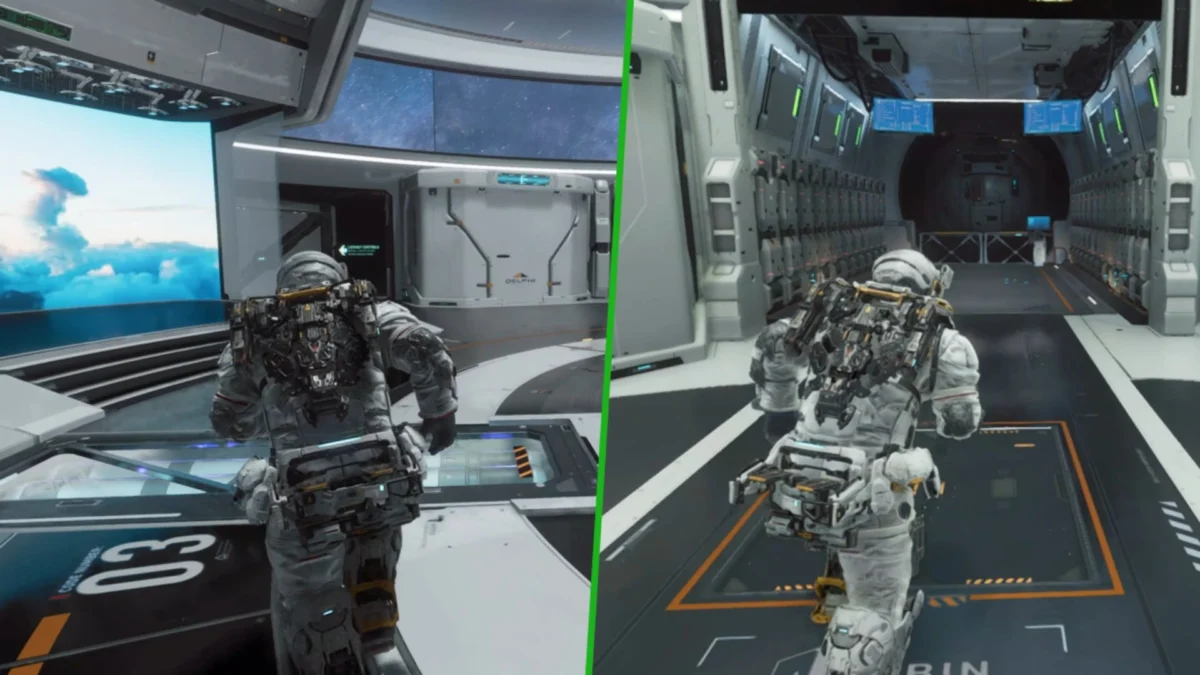
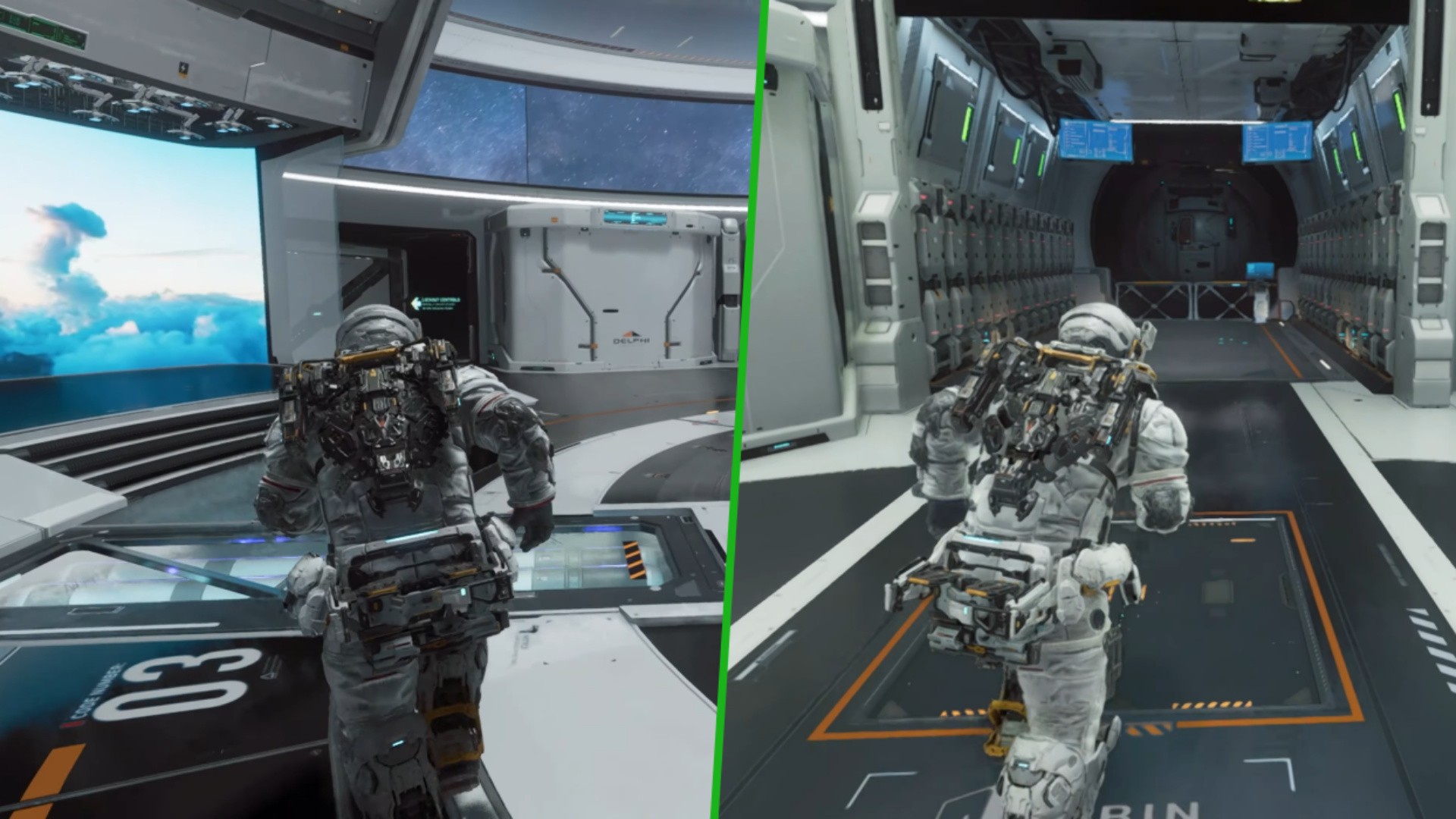
The simultaneous arrival of Capcom’s long-awaited sci-fi adventure Pragmata and the stylish indie shooter Mouse: PI for Hire marks a significant week for the Xbox Series X and Series S ecosystem, offering a comprehensive look at how modern titles are utilizing Microsoft’s bifurcated hardware strategy. As both titles hit digital storefronts, technical evaluations have surfaced, providing a detailed breakdown of resolution, frame rates, and visual fidelity across the Series X, Series S, and, notably, the recently launched Nintendo Switch 2. These assessments highlight the ongoing challenges and successes developers face when scaling high-fidelity assets and complex physics engines across varying hardware specifications.
The Long Journey of Pragmata and Capcom’s RE Engine Evolution
Pragmata has occupied a unique space in the gaming consciousness since its initial reveal in June 2020. Originally slated for a 2022 release, the project underwent several high-profile delays, with Capcom citing the need for additional development time to ensure the "next-generation" vision of the title was fully realized. Built on a sophisticated iteration of the RE Engine—the same proprietary technology powering recent Resident Evil and Street Fighter titles—Pragmata represents Capcom’s most ambitious foray into sci-fi realism.
The game’s technical journey has been documented through various public demos, which served as a baseline for current performance expectations. Early comparisons between the Xbox Series X, Series S, and the Switch 2 demo versions established a narrative of performance versus visual density. In those early builds, both Xbox consoles targeted a 60 frames per second (FPS) output. However, the Series S version was frequently critiqued for its "rough" visual presentation, particularly in texture filtering and shadow resolution, where it appeared to lag behind the Switch 2’s more optimized, albeit lower-frame-rate, presentation.
Technical Breakdown: Pragmata on Series X|S
With the full release now available, technical analysts have noted that the Xbox Series X version largely delivers on its promise of a premium experience. The console maintains a high-resolution output that showcases the game’s intricate particle effects and character models. Performance-wise, the Series X remains largely stable at 60FPS, though it is not immune to minor fluctuations during high-intensity sequences. These dips are generally considered negligible for the average user, though they highlight the heavy computational load required by the game’s physics-heavy environments.
The Xbox Series S version presents a more complex narrative. While Capcom has clearly implemented visual improvements since the demo phase—sharpening certain assets and improving lighting passes—the console still struggles to match the visual clarity found on the Switch 2. The Switch 2 version, benefiting from more modern mobile architecture and potentially aggressive upscaling techniques, offers a more "complete" visual image in terms of asset quality.
However, the trade-off is found in the fluidly of gameplay. The Xbox Series S maintains a mostly stable 60FPS, prioritizing the player’s input latency and smooth movement. In contrast, reports indicate that the Switch 2 version often drops into the mid-40s during combat and traversal, leading to a more inconsistent experience for users sensitive to frame rate stability. This data suggests that the Series S remains a viable 60FPS machine, provided users are willing to accept a "softness" in the overall image quality compared to more powerful or more modernly specialized hardware.
Mouse: PI for Hire and the High-Refresh Rate Frontier
While Pragmata focuses on cinematic realism, Mouse: PI for Hire by developer Fumi Games takes a radically different approach, utilizing a "rubber hose" animation style reminiscent of 1930s cartoons. Despite its seemingly simpler aesthetic, the game’s technical demands on Xbox hardware reveal a focus on ultra-high performance and responsiveness.
Analysis from Fuzion Xbox Testing and other technical outlets indicates that Mouse: PI for Hire offers two distinct modes on Xbox Series X: Performance and Quality. The Quality mode provides a native 4K resolution at a locked 60FPS, offering a pristine look at the game’s hand-drawn art style. The Performance mode, however, pushes the hardware into the 100-120FPS range. While this provides a high level of responsiveness, testing has revealed that the frame rate is highly variable within this window.
The variability in Performance mode on Series X has led to reports of screen tearing for users on traditional 60Hz displays. To mitigate this, experts recommend the use of Variable Refresh Rate (VRR) supported displays, which allow the monitor to sync directly with the console’s fluctuating output, resulting in a perceived smooth experience despite the numerical jumps in frame rate.
Series S Performance Parity for Mouse: PI for Hire
Interestingly, Mouse: PI for Hire demonstrates a high degree of optimization on the Xbox Series S. Unlike more demanding AAA titles that often see the 120FPS mode stripped away on the smaller console, this title maintains both options. The Series S version features a stable 60FPS Quality mode and a Performance mode that stays remarkably close to a locked 120FPS.
The visual discrepancy between the Series X and Series S in this specific title is less pronounced than in Pragmata. Due to the stylized, non-photorealistic nature of the graphics, the Series S is able to maintain a clean aesthetic without the noticeable blurring or asset degradation often seen in more realistic titles. This makes Mouse: PI for Hire a "poster child" for the Series S’s capabilities when developers prioritize stylistic consistency over raw polygon counts.
Official Responses and Post-Launch Support
Both Capcom and Fumi Games have acknowledged the feedback regarding their respective launches. Fumi Games has already announced an upcoming "stability and performance" patch for the Xbox versions of Mouse: PI for Hire. This update is expected to address the frame rate fluctuations in the 120FPS mode and further refine the VRR implementation to reduce screen tearing for those without high-end displays.
Capcom, meanwhile, has historically been diligent with post-launch optimization for the RE Engine. While no specific patch notes for Pragmata have been detailed regarding Series S visual parity, industry observers expect incremental updates to refine the temporal upscaling solutions used on the console. The goal for many developers in the current cycle is to find a middle ground where the Series S does not feel like a "last-gen" experience when compared to the Switch 2 or the PS5.
Broader Implications for the Xbox Ecosystem
The performance of these two titles highlights a broader trend in the 2026 gaming landscape. The Xbox Series S, once feared to be a "bottleneck" for the generation, continues to hold its own by offering high frame rates (60-120FPS) at the cost of resolution and ultra-high-end effects. However, the emergence of the Switch 2 as a visual competitor to the Series S introduces a new dynamic. Developers are now forced to choose between the raw CPU power of the Series S—which allows for higher frame rates—and the modern GPU features of the Switch 2—which allow for better image reconstruction and lighting.
For Xbox consumers, the message is clear: the Series X remains the definitive place to play for those seeking a balance of 4K clarity and high performance. However, for the millions of Series S owners, the commitment to 60FPS in major releases like Pragmata and 120FPS in indie hits like Mouse: PI for Hire ensures that the hardware remains relevant and capable of delivering a "current-gen" feel.
As the weekend approaches, early sales data suggests both games are performing well on the Xbox Store. Pragmata is benefiting from years of pent-up anticipation, while Mouse: PI for Hire is riding a wave of viral interest due to its unique visual identity. The technical health of both games at launch provides a solid foundation for their long-term success on the platform. Players are encouraged to check their display settings—specifically regarding 120Hz and VRR—to ensure they are getting the most out of these new releases.