


The landscape of Xbox leadership has officially shifted with the confirmation of Asha Sharma as the new head of the gaming division. Sharma, a former president of Microsoft’s AI division, brings a wealth of experience from the cutting edge of technological advancement to a role deeply rooted in interactive entertainment. Her transition marks a significant moment for Xbox, signaling a potential new strategic direction under a leader whose background is as noteworthy as her ambition to immerse herself in the gaming community. Since her appointment, Sharma has actively sought to engage with players, initiating discussions on topics central to the gaming experience.
A Call for Collective Gaming Memory
One of Sharma’s initial public forays into community interaction involved a direct appeal to gamers on the social platform X (formerly Twitter) on February 21st. She posed a provocative question to her followers: "Top three greatest games ever? Why?" This inquiry, seemingly simple, delves into the deeply personal and often contentious subject of gaming’s most impactful titles. Sharma herself offered her own curated list, naming Halo, Valheim, and GoldenEye as her personal pantheon of gaming greatness. This move by the new Xbox chief immediately placed her not just as a corporate leader, but as a participant in the ongoing dialogue that defines gaming culture.
The prompt resonated with a wider audience, prompting reflection and debate. It highlighted the subjective nature of "greatness" in video games, a medium that has evolved exponentially over decades, offering a vast and diverse spectrum of experiences. The question itself invites a retrospective look at the industry’s history, prompting players to recall formative moments and titles that have shaped their personal gaming journeys. Sharma’s engagement with this topic suggests a desire to understand the core values and experiences that players cherish, a crucial step for any leader aiming to guide a platform as influential as Xbox.
The Challenge of Defining "Greatest"
The inherent difficulty in definitively naming "the greatest games of all time" was eloquently articulated by an observer reflecting on Sharma’s prompt. This perspective highlights the challenge of distilling countless hours of interactive entertainment into a concise, definitive list. Each game, it is argued, possesses unique qualities that appeal to players for distinct reasons. The sheer volume of acclaimed titles across various genres, eras, and platforms makes the task of selecting a mere three an almost insurmountable feat for many.
This sentiment underscores the deeply personal connection individuals forge with video games. What one player considers a masterpiece, another might view as merely enjoyable. Factors such as nostalgia, genre preference, emotional resonance, and technical innovation all contribute to a player’s personal ranking. The act of choosing a "top three" often becomes a process of weighing these subjective elements, leading to a highly individualized and often debated outcome. The difficulty in answering such a question reflects the rich and multifaceted history of the gaming medium itself.
Personal Pantheon: A Glimpse into Gaming History
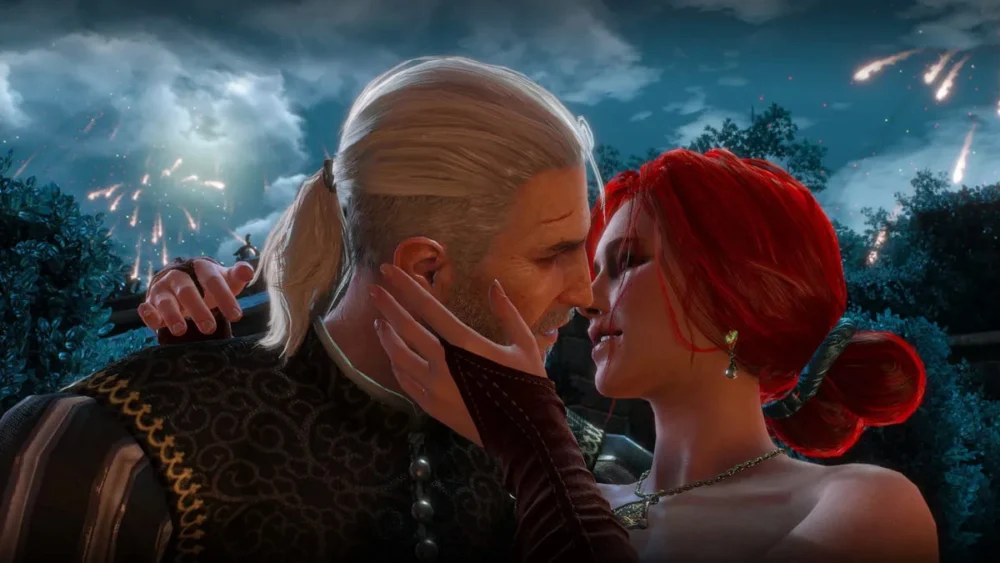
While acknowledging the subjective nature of the question, an exploration into potential "greatest games" often reveals a pattern of titles that have significantly impacted the industry or individual players. For instance, if pressed to name three, titles that frequently emerge in such discussions include The Witcher 3: Wild Hunt, Call of Duty 4: Modern Warfare 2 (referring to the original 2009 title, given the context of childhood gaming), and Warcraft III: Reign of Chaos. Each of these games represents a significant achievement in its respective genre and has left an indelible mark on the gaming world.
The Witcher 3: Wild Hunt, released in 2015, is widely lauded for its sprawling open world, intricate narrative, and mature themes. CD Projekt Red’s masterpiece redefined expectations for role-playing games, offering a level of player agency and narrative depth that few titles have managed to replicate. Its success not only cemented the Witcher franchise as a global phenomenon but also brought Polish game development to the forefront of the international industry. The game’s rich lore, inspired by the works of Andrzej Sapkowski, blends classic fantasy tropes with a gritty, Eastern European sensibility, creating a world that feels both familiar and refreshingly unique. The game’s impact on the RPG genre is undeniable, influencing countless titles that followed in its wake, particularly in terms of quest design, character development, and world-building.
Call of Duty 4: Modern Warfare 2, launched in 2009, was a pivotal title in the evolution of the first-person shooter genre. Its cinematic campaign, groundbreaking multiplayer experience, and robust progression systems set new standards for online gaming. The game’s narrative, while controversial, was ambitious and engaging, pushing the boundaries of storytelling in a mainstream shooter. Its multiplayer component, with its innovative killstreak system and persistent unlocks, became a cultural touchstone, fostering a generation of competitive online gamers. The Modern Warfare sub-series, in general, has been a juggernaut for Activision, consistently delivering high-quality gameplay and commercial success, making Modern Warfare 2 a significant entry in its storied history.
Warcraft III: Reign of Chaos, released in 2002, is celebrated as a landmark real-time strategy (RTS) game that introduced hero units and RPG elements into the genre. Blizzard Entertainment’s creation not only offered a compelling single-player campaign with rich lore but also fostered a vibrant custom map scene, most notably giving rise to the MOBA (Multiplayer Online Battle Arena) genre with Defense of the Ancients (DotA). This innovation fundamentally altered the trajectory of the RTS genre and spawned entirely new gaming subgenres, demonstrating the power of emergent gameplay and community creativity. The game’s enduring legacy is evident in the continued popularity of its spiritual successors, League of Legends and Dota 2, which owe a significant debt to Warcraft III‘s foundational design principles.

Background: The Shifting Sands of Xbox Leadership
Asha Sharma’s appointment comes at a time of considerable change within Microsoft’s gaming division. The departure of Phil Spencer, who had helmed Xbox for a decade, marked the end of an era characterized by a strong focus on player-centric initiatives, the expansion of Xbox Game Pass, and the strategic acquisition of major game studios. Spencer’s tenure was largely seen as a period of stabilization and growth for Xbox, particularly following some challenging years in the mid-2010s. His transition to a broader role within Microsoft, focusing on the metaverse and mixed reality, signals the company’s continued investment in future technologies.
Sharma’s background in AI is particularly noteworthy. Microsoft has been aggressively integrating AI across its product portfolio, and her leadership in this area suggests a potential for AI to play a more significant role in the future of Xbox. This could manifest in various ways, from enhanced player experiences and personalized content recommendations to advancements in game development tools and even the creation of AI-driven game mechanics. The industry is increasingly exploring the potential of AI, and Xbox’s leadership in this domain could provide a competitive edge.
Chronology of a Transition
While the specifics of the transition are still unfolding, the timeline of leadership changes within Microsoft Gaming has been a subject of recent industry observation. Phil Spencer’s role as Head of Xbox was a cornerstone of Microsoft’s gaming strategy for an extended period. His recent shift to a new position within the company, announced in late 2023 or early 2024, paved the way for this leadership change. Asha Sharma’s confirmed appointment as the new Xbox chief, following her successful leadership in Microsoft’s AI division, represents a deliberate move by the company to bring fresh perspectives and technological expertise to its gaming operations. This transition, officially confirmed recently, is expected to initiate a period of strategic re-evaluation and potential innovation within the Xbox ecosystem.
Supporting Data and Industry Context
The gaming industry is a colossal economic force, with global revenues projected to exceed $300 billion annually in the coming years. Xbox, as one of the three major console manufacturers, plays a critical role in this market. The platform’s success is driven by a combination of hardware sales, software sales, subscription services like Xbox Game Pass, and its growing ecosystem of cloud gaming.
Xbox Game Pass, in particular, has been a transformative offering, providing subscribers with access to a vast library of games for a monthly fee. This subscription model has reshaped how players consume games and has become a key differentiator for Xbox. The continued growth and evolution of Game Pass will likely be a central focus for Sharma’s leadership.
Furthermore, the industry is witnessing significant consolidation, with major acquisitions such as Microsoft’s purchase of Activision Blizzard for nearly $69 billion. This monumental deal, finalized in late 2023, has significantly expanded Microsoft’s gaming portfolio and intellectual property. Sharma’s leadership will undoubtedly involve integrating and leveraging these newly acquired assets to their full potential, ensuring they contribute to Xbox’s overall strategy. The challenges and opportunities presented by such large-scale integrations will be a significant part of her early tenure.
Broader Impact and Implications
Asha Sharma’s leadership at Xbox carries significant implications for the future of the platform and the broader gaming industry. Her background in AI suggests a potential for Xbox to lead in the integration of artificial intelligence into gaming, from enhancing player experiences to potentially revolutionizing game development processes. This could lead to more immersive, personalized, and dynamic gaming environments.
Her emphasis on engaging with the player community, as evidenced by her direct questions on social media, signals a commitment to understanding and responding to player needs and desires. This player-centric approach is crucial for maintaining loyalty and fostering a thriving gaming ecosystem. By actively participating in community discussions, Sharma aims to build trust and transparency, essential elements for a leader in a passionate and vocal industry.
The integration of Activision Blizzard under her purview also presents a unique set of challenges and opportunities. The vast array of franchises now under the Xbox umbrella, from Call of Duty to World of Warcraft, will require strategic management to ensure continued success and innovation. Sharma’s ability to navigate these complex portfolios and foster synergy across diverse development teams will be a key indicator of her leadership effectiveness.
The gaming industry is in a constant state of evolution, driven by technological advancements, shifting player preferences, and market dynamics. Sharma’s appointment at Xbox represents a deliberate effort by Microsoft to steer the platform through this dynamic landscape, leveraging her expertise in cutting-edge technology while maintaining a strong connection to the core values of the gaming community. Her tenure is poised to be a critical chapter in Xbox’s ongoing story, with the potential to redefine player engagement and technological innovation within the industry.