


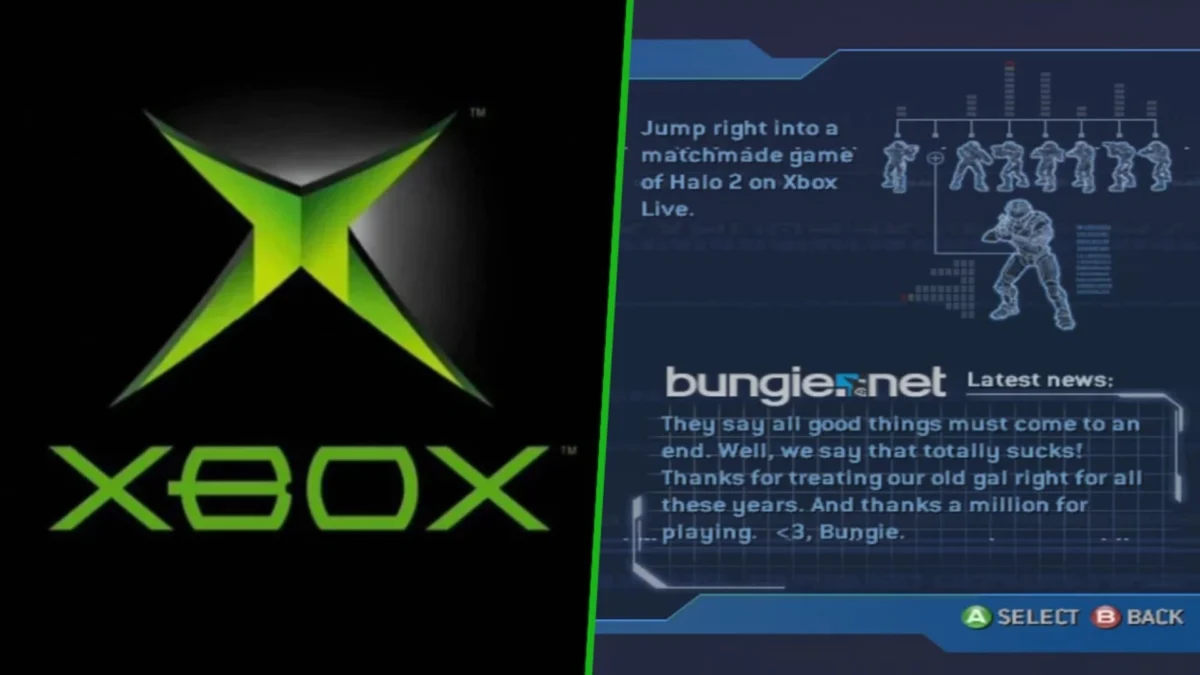
April 15, 2026, marks a significant milestone in the history of the video game industry, specifically for the community surrounding Microsoft’s gaming ecosystem. Exactly sixteen years ago today, on April 15, 2010, Microsoft officially discontinued the original Xbox Live service, colloquially known as Xbox Live 1.0. This decision effectively terminated the online capabilities for all original Xbox titles, even those being played via backward compatibility on the then-current Xbox 360 hardware. The move represented one of the first major "sunsettings" of a massive online console infrastructure, setting a precedent for how platform holders manage legacy digital services in an era of rapid technological evolution.
The Architect of an Era: The Rise and Fall of Xbox Live 1.0
Launched in November 2002, just one year after the release of the original Xbox console, Xbox Live 1.0 was a revolutionary force in home entertainment. Unlike the fragmented online efforts of its competitors at the time, Microsoft provided a unified service with a centralized friends list and a single "Gamertag" identity that persisted across all titles. By the time of its shutdown in 2010, the service had facilitated millions of matches in foundational titles such as Halo 2, Tom Clancy’s Splinter Cell: Pandora Tomorrow, and Star Wars: Battlefront.
The decision to shutter the service was not met without resistance, but Microsoft executives maintained that the aging architecture of the original service was hindering the growth of the Xbox 360’s more advanced features. In February 2010, Larry Hryb, then the Director of Programming for Xbox Live known as "Major Nelson," issued a statement via his official blog detailing the necessity of the transition. Hryb noted that the change would allow for "unprecedented flexibility" for future features, emphasizing that the original networking stack was no longer compatible with the vision Microsoft had for the next decade of gaming.
Marc Whitten, who served as the General Manager of Xbox Live at the time, further contextualized the move by highlighting the growth of the community. Whitten noted that the Xbox Live user base had expanded to 23 million active members by early 2010. To support a community of that scale and to integrate upcoming technologies—such as "Project Natal," which would eventually launch as the Kinect motion controller—the company felt it was necessary to prune the legacy codebases that required significant maintenance and restricted server-side innovation.
Technical Constraints and the Necessity of the Transition
The primary driver behind the April 15, 2010, shutdown was a fundamental incompatibility between the networking protocols of the original Xbox and the Xbox 360. The original Xbox Live was built on a closed system that lacked the modularity required for the social features that define modern gaming. For instance, the original service had a hard limit on the number of friends a user could have, and its notification systems were deeply integrated into the specific firmware of the 2001 console.
As Microsoft looked to implement cross-game invitations, deep social media integration, and expanded digital storefronts, the engineers found that maintaining support for "v1" games was consuming resources that could otherwise be used to enhance the Xbox 360 experience. The shutdown was, in the eyes of corporate leadership, a necessary sacrifice to ensure that the Xbox 360 could continue to compete with the burgeoning capabilities of the PlayStation Network and the rising popularity of PC-based digital platforms like Steam.
The Noble 14: A Final Stand for Digital Connectivity
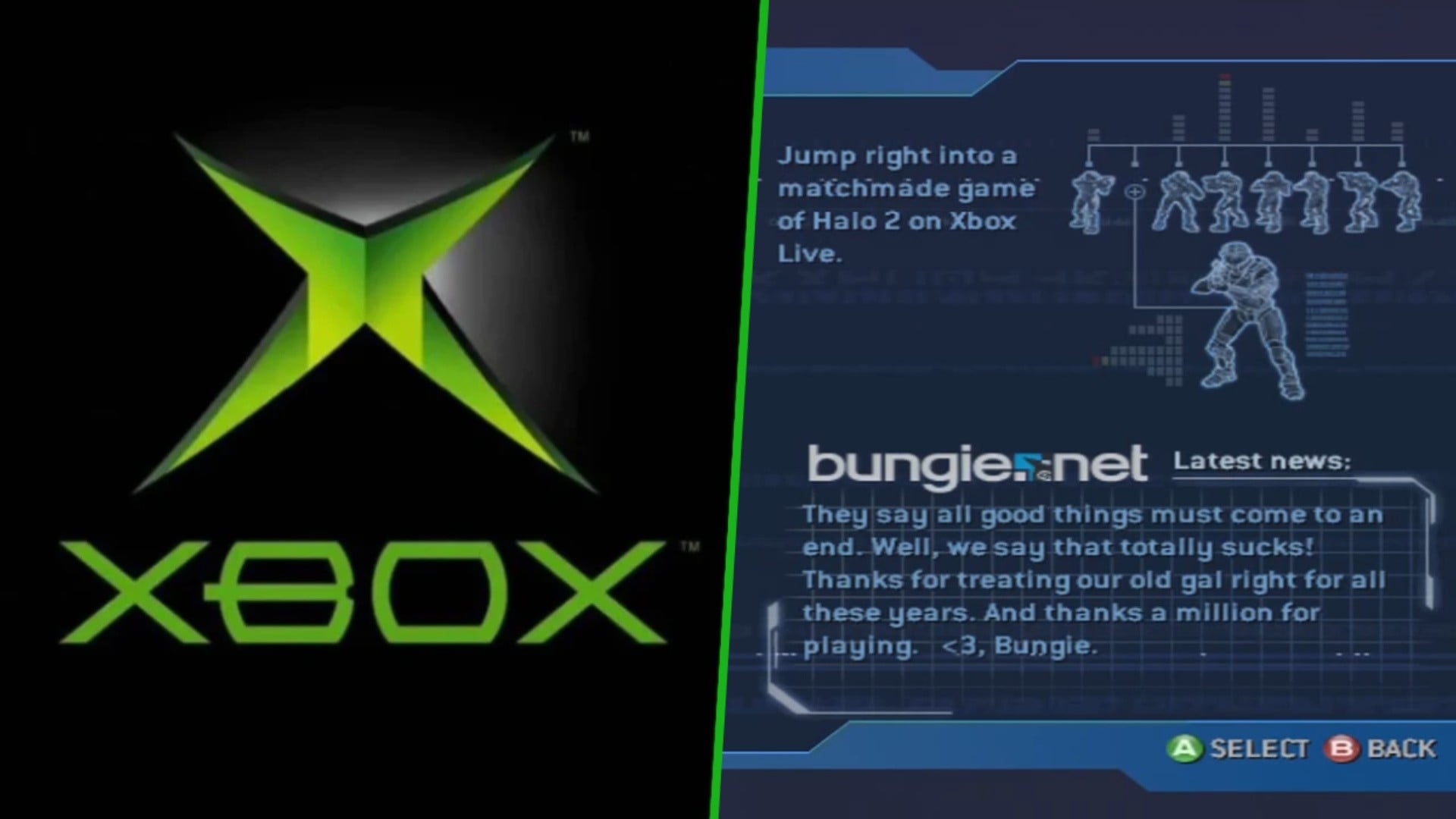
One of the most enduring stories from the April 15, 2010, shutdown is the saga of the "Noble 14." While Microsoft officially pulled the plug on the servers at the end of that day, the system was designed such that players who were already in an active session would not be kicked off until they manually disconnected or their consoles failed.
A group of fourteen dedicated Halo 2 players refused to leave their lobbies, keeping their consoles running for weeks after the official deadline. This vigil lasted nearly a month, with the final player, known by the Gamertag "N3_On_E," finally being disconnected on May 11, 2010. This event underscored the deep emotional and social connections forged through Xbox Live, highlighting that for many, the service was more than a utility—it was a persistent digital community.
The Impact on Game Preservation and the Halo 2 Void
The immediate aftermath of the shutdown saw hundreds of games lose their primary value proposition. Titles that relied heavily on multiplayer, such as Crimson Skies: High Road to Revenge and MechAssault, were relegated to local-only play. Perhaps the most significant loss was Halo 2. As the most-played game on the original Xbox Live, its disappearance created a void in the competitive gaming scene that was not officially filled until the release of Halo: The Master Chief Collection on the Xbox One in 2014.
The 2010 shutdown also sparked a broader conversation about digital preservation. Unlike physical media, which can be preserved and played decades later, online services are ephemeral. When a company decides that a server is no longer financially or technically viable to maintain, the history of the interactions on that server is often lost forever. This has led to increased scrutiny regarding how modern "always-online" games will be handled when they eventually reach their end-of-life cycle.
The Resurgence of Legacy Gaming: The Insignia Project
In the years following the shutdown, a community-driven movement emerged to reclaim the lost functionality of the original Xbox. The most successful of these endeavors is "Insignia," an unofficial, free-of-charge replacement for the original Xbox Live servers. As of 2026, Insignia has successfully reverse-engineered the protocols of the original service, allowing enthusiasts to once again play nearly 200 original Xbox titles online using original hardware.
Insignia represents a landmark achievement in independent server restoration. Unlike previous workarounds that simulated local area network (LAN) play over the internet, Insignia recreates the actual Xbox Live experience, including the original dashboard registration process, friends lists, and matchmaking. However, the service remains a niche endeavor due to the technical requirements involved. Users must exploit their original hardware to retrieve unique digital keys (EEPROM data) and navigate a setup process that remains daunting for the average consumer.
Despite these hurdles, the Insignia team has reached impressive milestones. In late 2025, the service reached its 200th supported game, and weekly community events for Halo 2 and Burnout 3: Takedown continue to draw hundreds of participants. This grassroots effort has kept the spirit of Xbox Live 1.0 alive, proving that there is a sustained appetite for the specific gameplay dynamics of the early 2000s.
The Corporate Stance and Future Implications
As Microsoft celebrates the 25th anniversary of the Xbox brand in 2026, there is renewed pressure from fans and preservationists for the company to officially acknowledge or support these restoration efforts. Microsoft has historically been a leader in backward compatibility, with the Xbox Series X|S supporting titles from all previous generations. However, this support is currently limited to offline play for original Xbox games.
Industry analysts suggest that an official partnership between Microsoft and projects like Insignia could serve as a powerful PR move, aligning with the company’s stated goal of "when everybody plays, we all win." By officially sanctioning a "Legacy Live" service, Microsoft could integrate these classic titles back into the modern Xbox ecosystem, potentially allowing for cross-play between original hardware and modern consoles via the backward compatibility layer.
Chronology of Xbox Live Milestones
- November 15, 2002: Xbox Live officially launches, bringing broadband-only gaming to the console market.
- November 9, 2004: Halo 2 launches, becoming the "killer app" for the service and setting records for online engagement.
- November 22, 2005: The Xbox 360 launches with a revamped Xbox Live service, though it remains compatible with original Xbox titles.
- February 5, 2010: Microsoft announces the upcoming discontinuation of Xbox Live 1.0 support.
- April 15, 2010: Servers are officially decommissioned; the "Noble 14" begin their stay.
- May 11, 2010: The final original Xbox Live player is disconnected.
- November 11, 2014: Halo: The Master Chief Collection brings Halo 2 multiplayer back to modern consoles.
- 2020–2026: The Insignia project gradually restores online functionality to over 200 games for the original Xbox.
Conclusion: A Landmark in Gaming History
The shutdown of Xbox Live 1.0 on April 15, 2010, was a watershed moment that signaled the end of the "wild west" era of console online gaming and the beginning of a more structured, albeit more restrictive, digital age. While the technical reasons for the shutdown were grounded in the reality of evolving hardware, the loss of those digital spaces left a lasting impact on the community.
Sixteen years later, the legacy of that original service lives on through the efforts of dedicated fans and the memories of those who experienced the birth of modern online matchmaking. As the industry continues to grapple with the challenges of digital ownership and the preservation of online-only experiences, the story of April 15, 2010, serves as both a cautionary tale and a testament to the enduring power of community in the digital realm. Whether Microsoft will ever officially flip the switch back on remains a topic of intense speculation, but for now, the original Xbox Live remains a foundational chapter in the ongoing narrative of interactive entertainment.