


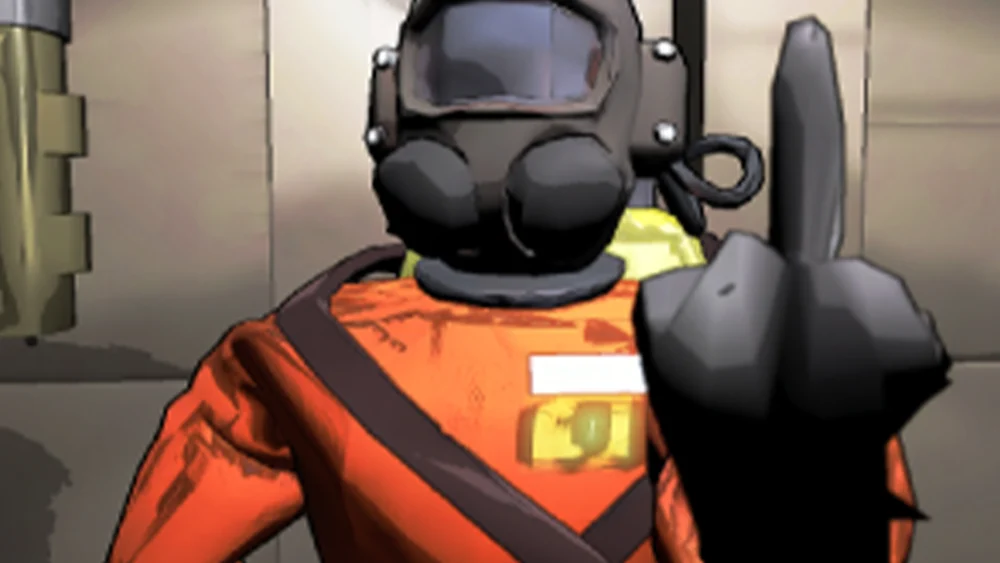
The indie horror landscape is currently experiencing a pervasive trend that has been dubbed "friendslop" by some critics, a phenomenon characterized by a deluge of cooperative horror titles that often prioritize viral potential and player banter over genuine scares and innovative design. This article delves into the origins of this trend, its impact on the genre, and the underlying factors contributing to its widespread adoption.
The Rise of Cooperative Horror and the Genesis of "Friendslop"
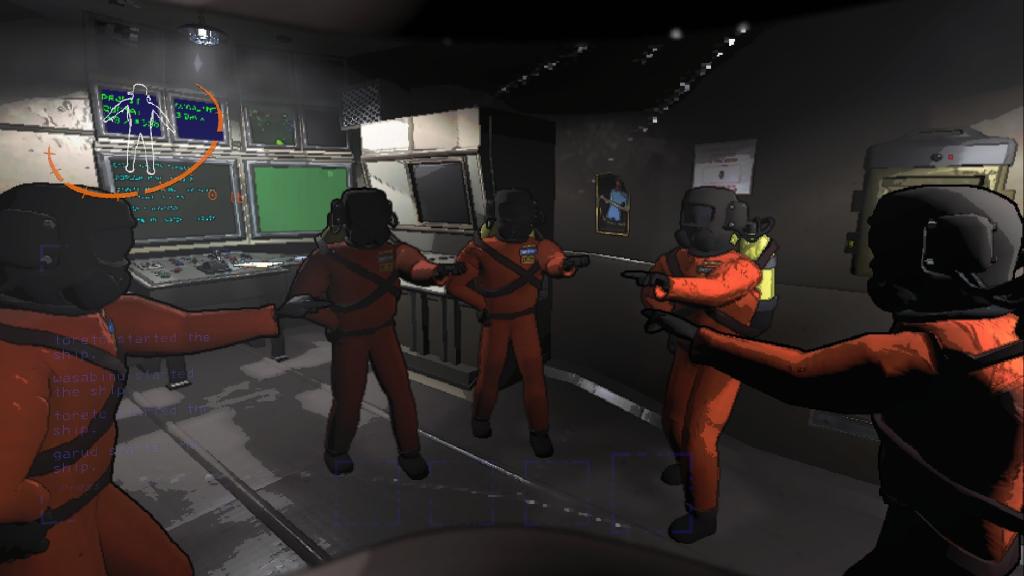
The current saturation of the indie horror market with cooperative games can be traced back to the significant success of several key titles, most notably Lethal Company. Released in October 2023, Lethal Company, developed by Zeekerss, quickly ascended to stardom. Its unique blend of exploration, resource management, and emergent cooperative gameplay, coupled with its unsettling atmosphere and surprisingly hilarious emergent player interactions, made it a massive hit on streaming platforms like Twitch and YouTube. The game’s core loop, which involves players scavenging abandoned moons for scrap to meet a corporate quota while evading terrifying creatures, provided ample opportunities for chaotic, often fear-induced, communication and ensuing laughter.
This formula proved incredibly potent. The inherent vulnerability of players, the pressure of the quota, and the unpredictable nature of the game’s AI-driven threats created a perfect storm for content creation. Viewers were captivated by the genuine reactions of streamers and their friends as they navigated perilous environments, made critical decisions under duress, and succumbed to the game’s many dangers. The game’s accessibility, allowing for relatively low system requirements and a focus on teamwork, further broadened its appeal.
However, the immense popularity of Lethal Company also inadvertently sowed the seeds for what many now perceive as a derivative trend. The game’s success demonstrated a clear market appetite for cooperative horror experiences that could generate viral moments and sustained engagement, particularly through content creators. This realization led to a surge in developers attempting to replicate its formula, often with less emphasis on original mechanics or a deep sense of dread, and more on capturing the elusive virality.
The P.T. Echo: Inspiration and Oversaturation
The phenomenon of a single game spawning a subgenre and subsequent oversaturation is not entirely new. A notable historical precedent can be found in the impact of P.T. (Playable Teaser), the demo for the then-cancelled Silent Hills project. Despite its brief existence, P.T.’s masterful use of psychological horror, environmental storytelling, and its terrifyingly claustrophobic looping corridor left an indelible mark on the horror genre. It directly inspired a wave of games that adopted its atmospheric tension, often focusing on first-person exploration and environmental puzzles. Titles such as Layers of Fear and VISAGE are frequently cited as direct descendants of P.T.’s innovative approach to horror.
While P.T.’s influence was largely positive in pushing the boundaries of psychological horror, its legacy also highlights the inherent risk of a successful new idea. When a novel concept proves highly profitable, there is a strong incentive for creators to latch onto it, leading to a proliferation of similar titles. The challenge lies in distinguishing genuine innovation from mere imitation. In the case of P.T., the inspiration often manifested in games that captured the atmosphere but struggled to replicate the visceral fear or narrative depth. Similarly, the "friendslop" trend, born from Lethal Company‘s success, faces the risk of becoming an echo chamber of similar mechanics and gameplay loops.
The "Friendslop" Formula: Common Traits and Criticisms
The term "friendslop" itself suggests a pejorative view of these games, implying a lack of substance and a reliance on superficial elements to achieve popularity. While not all cooperative horror titles fall into this category, a significant portion exhibits several common characteristics that draw criticism:
- Emphasis on Proximity Chat and Banter: A core element of many "friendslop" games is the reliance on in-game voice chat, particularly proximity chat. This feature allows for organic, often humorous, interactions between players as they communicate, panic, and strategize. While this can lead to memorable moments, critics argue that it sometimes overshadows the game’s actual horror elements, turning the experience into more of a social comedy than a terrifying ordeal.
- Repetitive Gameplay Loops: Many games in this subgenre employ a cyclical structure where players perform similar tasks repeatedly, often involving resource gathering, objective completion, or survival against predictable threats. While Lethal Company itself has a quota-based system, its success was attributed to the emergent narratives and unique challenges presented by its AI and environments. Newer titles, however, can sometimes feel like direct carbon copies, lacking the novelty that made the original compelling.
- Buggy and Unpolished Releases: A recurring issue with many "friendslop" titles is their tendency to be released in a buggy or unpolished state. The rapid development cycle, driven by the desire to capitalize on the trend before it fades, can lead to technical issues such as performance drops, gameplay glitches, and inconsistent AI behavior. While some players find humor in these bugs, others view it as a sign of developer indifference or a deliberate strategy to generate "meme-worthy" moments.
- Lack of Genuine Scares or Innovation: The primary criticism leveled against many "friendslop" games is their failure to deliver genuine scares or to push the boundaries of the horror genre. Instead of crafting deeply unsettling atmospheres, sophisticated enemy AI, or compelling narratives, these games often rely on jump scares, predictable enemy patterns, and the inherent humor of player interaction to maintain engagement. The focus shifts from creating fear to facilitating fun, often at the expense of the horror.
The Case of R.E.P.O. and the Shifting Landscape
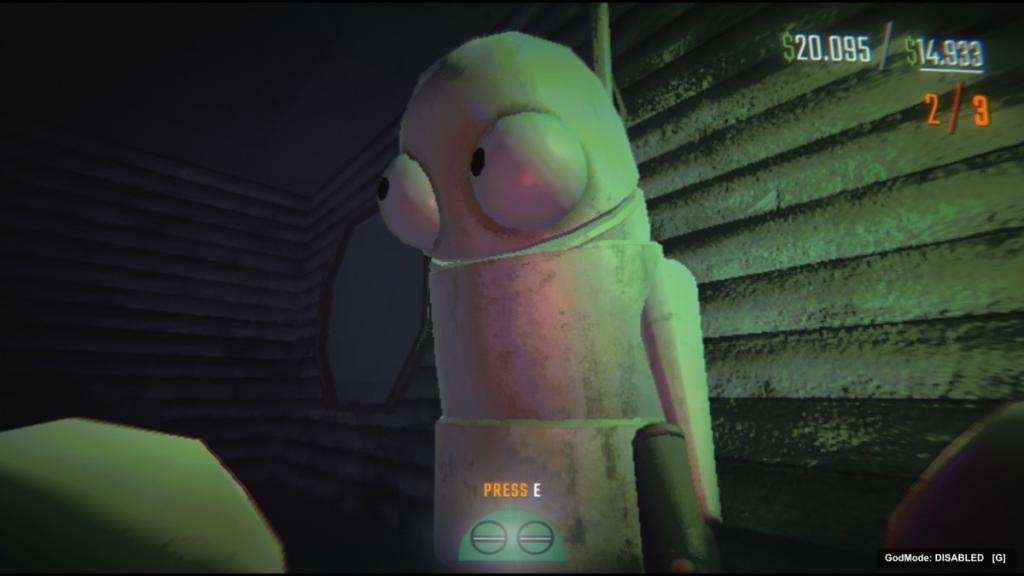
The article highlights R.E.P.O. as a game that, while sharing similarities with Lethal Company, managed to carve out its own identity and ascend to a prominent position. Released after Lethal Company‘s initial explosion, R.E.P.O. is described as a challenging co-op horror title that, unlike some of its contemporaries, retained a strong identity. Its success is attributed to its "likeable and adorable semibots and the psychics-based mechanics," coupled with consistent updates. This suggests that while the Lethal Company formula may be a starting point, true success in the co-op horror space still requires distinct features and ongoing developer support to maintain player interest.
The timeline of these developments is crucial. Lethal Company‘s initial release in October 2023 marked the beginning of this new wave. The addition of the "Company Cruiser" in July 2024 signifies a period where the game was still evolving and maintaining its momentum. However, the subsequent rise of games like R.E.P.O. indicates a maturing market where players are seeking more than just a direct imitation. The continued development and innovation within titles like R.E.P.O. and Phasmophobia (mentioned as a successful predecessor) demonstrate that sustained engagement relies on more than just a viral hook.
The Role of Content Creators and Player Psychology
The virality of games like Lethal Company is inextricably linked to the influence of content creators. Streamers and YouTubers play a pivotal role in introducing new games to a wide audience. Their genuine reactions, humorous commentary, and ability to create engaging content around gameplay mechanics can significantly boost a game’s popularity. This creates a symbiotic relationship where developers aim to create games that are conducive to streaming, and streamers, in turn, drive sales and awareness.
However, this reliance on content creators also contributes to the "friendslop" phenomenon. When games become popular primarily because they are entertaining to watch rather than play, the focus can shift away from intrinsic qualities like narrative depth or atmospheric horror. Players may purchase a game not because they are seeking a truly terrifying experience, but because they want to replicate the fun they see their favorite streamers having, or because they want to be part of a cultural moment.
Furthermore, the article touches upon a broader societal trend of shortened attention spans and a potential desensitization to traditional horror. In an era of constant digital stimulation, games that offer immediate entertainment, even if it comes at the cost of depth, can be more appealing. The "jankiness and bugs" that plague some of these titles can, paradoxically, become part of the entertainment, as players find humor in the game’s imperfections and their own efforts to overcome them. This suggests a shift in player expectations, where the social aspect of gaming and the creation of personal, often comedic, narratives within the game world can be as important as the game’s core design.
The Broader Impact on the Indie Horror Genre
The proliferation of "friendslop" games has several implications for the indie horror genre:
- Dilution of Quality: The sheer volume of similar titles can make it difficult for players to discover genuinely innovative and well-crafted horror experiences. The market becomes crowded, and promising indie developers may struggle to gain traction amidst the noise.
- Stifled Innovation: When developers see a clear path to viral success by replicating existing formulas, there is less incentive to take risks and explore new frontiers in horror. This can lead to a stagnation of creative output within the genre.
- Erosion of Player Trust: Consistently releasing buggy or uninspired games can erode player trust in indie developers. Players may become hesitant to invest in new titles if they fear they will be met with a similar, unfulfilling experience.
- Economic Pressures: While the allure of viral success and quick profits is understandable, it can create a short-term, profit-driven mindset within some segments of the indie development community. This can lead to developers prioritizing marketability over artistic integrity or long-term player engagement.
The article also touches upon the potential return of local co-op, a feature that was once more prevalent. This suggests a desire among some players for a more intimate and shared horror experience that doesn’t solely rely on online connectivity and the potential for chaotic, but sometimes superficial, online interactions. The appeal of genuinely scary games where friends can support each other through a nightmare, rather than simply providing comedic relief through their panic, is a sentiment that resonates with a segment of the player base.
Conclusion: A Call for Substance Over Spectacle
The current landscape of cooperative horror, while vibrant and popular, faces significant challenges. The success of games like Lethal Company has undeniably opened new avenues for the genre, but it has also paved the way for a wave of imitative titles that prioritize virality over substance. The "friendslop" phenomenon, as it is being described, highlights a critical juncture where developers and players alike must consider what truly defines a compelling horror experience.
While the financial incentives for creating viral hits are strong, the long-term health of the indie horror genre depends on a commitment to originality, quality, and genuine scares. Developers who can blend innovative mechanics, atmospheric dread, and engaging narratives, supported by consistent updates and a focus on player experience, are likely to be the ones who leave a lasting legacy. The demand for such experiences remains, and the current trend underscores the need for a return to crafting horror that is not just entertaining to watch, but genuinely terrifying to play, with or without friends. The question remains whether the industry will lean into the spectacle of "friendslop" or reinvest in the deeper, more enduring qualities that have always defined great horror.