


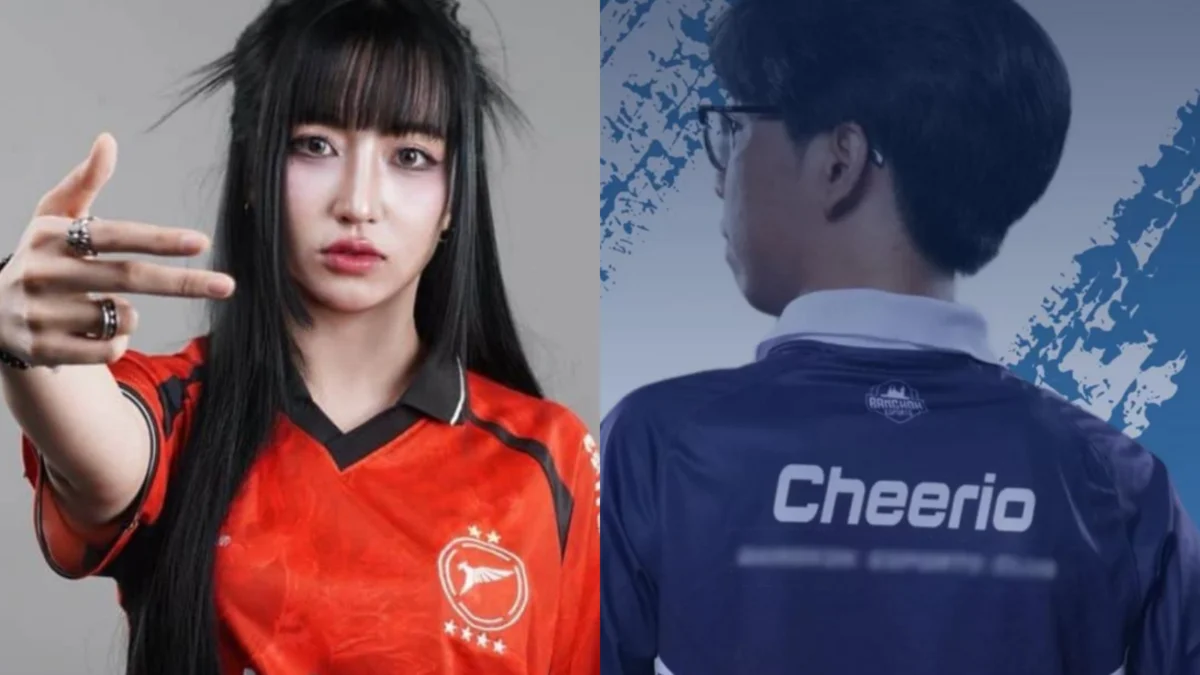
Weeks after the dramatic withdrawal of Thailand’s women’s Arena of Valor team from the 33rd Southeast Asian (SEA) Games, the full truth behind the unprecedented decision has finally come to light, revealing a complex web of deception, confession, and severe consequences that have shaken the foundations of Thai esports. The scandal, which saw a player disqualified for alleged cheating and the entire team subsequently pulled from the competition, has culminated in a public confession from a fellow esports player, shedding light on the events that transpired and leading to significant repercussions for all involved.
The controversy first erupted on December 15, 2025, during the Arena of Valor competition at the SEA Games. Thailand’s women’s team faced a decisive 0-3 defeat against Vietnam in the upper bracket final. In the immediate aftermath of this crushing loss, the Thailand Esports Federation (TESF) confirmed the disqualification of Warasin Naraphat, known in the game by her alias "Tokyogurl." The federation stated that Naraphat had violated competition rules, specifically citing breaches of the Esports Technical Manual. This manual strictly prohibits the use of unauthorized software, modified equipment, or any form of third-party assistance during official matches. An investigation by the SEA Games organizing committee corroborated these findings, leading to Naraphat receiving the tournament’s most stringent penalty: disqualification from the event.
The severity of this infraction, however, was only fully understood when the TESF, in a move that stunned many observers and competitors, made the decision to withdraw the entire Thai women’s team from the tournament the following day, December 16. This drastic action occurred even as the team held a 1-0 lead against Laos in the lower bracket final, a match that would have kept their hopes of reaching the gold medal match alive. The TESF’s statement at the time offered little detail beyond citing "violations of competition rules," leaving a cloud of speculation hanging over the team’s abrupt departure.
Initially, Tokyogurl vehemently denied any wrongdoing. She presented a narrative suggesting she had played the match herself, but experienced a sudden bout of illness mid-game, leading to her being taken to the hospital. This explanation, however, proved to be a temporary shield, as the truth began to unravel more than two weeks later.
The Confession: A Boyfriend’s Admission of Guilt
The turning point in the scandal came on January 2, 2026, when a prominent Thai esports player, identified as Cheerio (also known as Kong), who is also Tokyogurl’s boyfriend, posted a candid confession on TikTok. In a deeply personal and contrite message, Cheerio admitted to having played in place of Naraphat during several matches, including the crucial game against Vietnam. He described his actions as "selfish" and unequivocally accepted full responsibility for the deception. His confession was accompanied by apologies directed at fans, tournament officials, and, most significantly, his teammates who had been robbed of their opportunity to compete for a medal.
"I want to come out and clarify the issues that have happened in the past during the SEA Games period and other competitions, where everyone suspected that a third party was playing in place during several matches," Cheerio stated in his TikTok post. "I admit that it’s true." He further elaborated on his prolonged silence, explaining that the immense backlash and public scrutiny had left him feeling overwhelmed and uncertain about how to respond. This hesitation, he acknowledged, led to him remaining silent for over two weeks following the match in question.
"I didn’t intend for things to escalate to this point and cause disappointment to many people," he added, expressing regret for the cascading negative effects of his actions. "I humbly accept all criticism and the consequences that follow, without any excuses." Cheerio’s admission has been corroborated by regional media outlets, such as Baomoi, which reported on his prior respected standing within the Thai esports community. This context makes his confession all the more impactful, highlighting the depth of the betrayal experienced by his peers and the wider esports scene.

The Fallout: Bans, Terminations, and Legal Action
The repercussions of this confession have been swift and severe. Publisher Garena, the developer behind Arena of Valor, immediately issued a ban on Tokyogurl from all Arena of Valor tournaments, effective from December 16, 2025. Her professional esports club, TALON, wasted no time in terminating her contract, severing ties with the player. Furthermore, the RoV Esports organizers have imposed a lifetime ban on Naraphat, signifying one of the most stringent punishments ever seen in the history of Thai esports.
Following Cheerio’s public admission, Tokyogurl finally broke her silence with a brief apology posted on Facebook the subsequent morning. Her statement, a stark "I’m sorry," offered little in the way of explanation but acknowledged her complicity after initially denying any wrongdoing.
The consequences extend beyond competitive bans. Santi Lothong, President of the Asian Electronic Sports Federation and head of the Esports Sports Association of Thailand, has reportedly initiated legal proceedings against both Cheerio and Tokyogurl. Mr. Lothong has expressed a strong commitment to pursuing the case to the fullest extent of the law, indicating that the incident will not be treated lightly. This stance underscores the growing recognition of esports cheating as a serious offense with potential legal ramifications.
A Pattern of Deception: Broader Implications for Esports Integrity
This scandal is not an isolated incident within the burgeoning world of esports. It is part of a larger, ongoing struggle to maintain integrity and fair play across various competitive gaming titles. The SEA Games incident echoes other high-profile cases that have tarnished the reputation of esports.
For instance, in Counter-Strike 2, professional player Joel "joel" Holmlund faced a permanent ban last year after the discovery of cheats on his personal computer. His case was further exacerbated by allegations of blackmailing tournament officials, demonstrating a pattern of deceit and manipulation.
Even in the realm of intellectual games that often draw parallels to traditional sports, cheating has been a persistent issue. In April 2025, streamer DrLupo was disqualified from a $100,000 PogChamps chess tournament after violating Chess.com’s fair play rules. While this controversy eventually led to a full admission from DrLupo, it highlighted the pervasive challenges of ensuring fair competition, even in formats where the tools of cheating might seem less sophisticated than in complex video games.
The Thailand Arena of Valor scandal serves as a stark reminder of the vulnerabilities within the esports ecosystem. The high stakes, the intense pressure to win, and the rapid advancement of technology create fertile ground for illicit practices. The actions of Cheerio and Tokyogurl, and the subsequent fallout, underscore the critical need for robust anti-cheating measures, transparent investigation processes, and stringent penalties to safeguard the integrity of competitive gaming. The commitment from organizations like the Asian Electronic Sports Federation to pursue legal action signals a new era in how esports cheating is addressed, potentially setting a precedent for future cases and reinforcing the message that fair play is not merely a guideline, but a fundamental requirement for participation and success in the professional esports arena. The journey to a truly fair and equitable esports landscape is ongoing, and incidents like this, while damaging, are crucial catalysts for implementing necessary reforms and fostering a more trustworthy competitive environment for all players and fans.