


The October 2025 Rebrand: Setting the Stage for Premium
To understand the current success of Xbox Game Pass Premium, one must look back at the strategic pivot Microsoft executed in late 2025. Facing a maturing market and the rising costs of AAA game development, the company sought to diversify its subscription offerings. The result was a three-tiered system: Xbox Game Pass Core (replacing Live Gold), Xbox Game Pass Premium (the mid-tier focused on a deep library and delayed first-party releases), and Xbox Game Pass Ultimate (the all-encompassing tier including Day One releases, Cloud Gaming, and PC Game Pass).
A cornerstone of the Premium tier’s value was Microsoft’s formal commitment to integrate its first-party titles into the library within a rolling 12-month window of their initial launch. This "windowing" strategy, similar to theatrical-to-streaming models in the film industry, allowed Microsoft to maximize initial retail sales while ensuring the subscription service remained stocked with high-quality, relatively recent content. In the six months following the launch, this strategy has proven effective, as the library has expanded to include nearly 60 significant additions since the overhaul.
The "Clair Obscur" Effect: A Milestone for the Mid-Tier
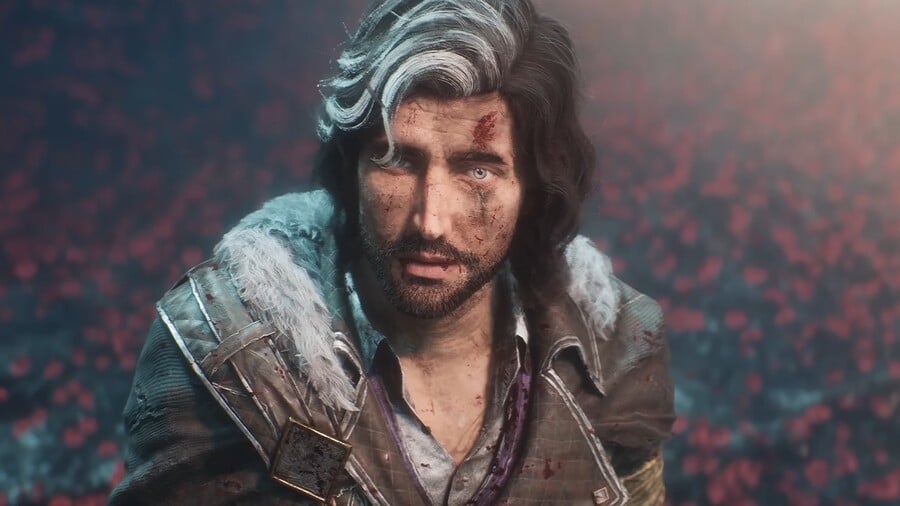
The narrative surrounding Xbox Game Pass Premium shifted significantly this month with the inclusion of Clair Obscur: Expedition 33. Developed by Sandfall Interactive, the title was the breakout success of 2025, eventually securing multiple "Game of the Year" (GOTY) accolades. When the game was first announced for Game Pass Ultimate, there were concerns among the community and analysts that its unexpected commercial popularity might lead Microsoft or the developers to withdraw it from the subscription ecosystem to capitalize on direct sales.
Instead, Microsoft opted for a move that bolstered the Premium tier’s reputation: transitioning Clair Obscur: Expedition 33 from an Ultimate-exclusive Day One title into the permanent Premium library. This move signaled to subscribers that the Premium tier would not merely be a repository for "older" games, but a home for the industry’s most prestigious recent releases. For players who did not purchase the game at its $70 launch price, its availability on a $15-per-month service represents a significant reduction in the barrier to entry for top-tier gaming experiences.
April 2026: The Strategic Importance of Hades 2
The momentum for Xbox Game Pass Premium continues through April 2026, highlighted by the arrival of Supergiant Games’ Hades 2 on April 14th. The rollout of this title is particularly noteworthy due to its distribution across both the Premium and Ultimate tiers. While Hades 2 is technically a "Day One" release for the Xbox platform, its staggered launch—having debuted previously on other platforms—allowed Microsoft to negotiate its inclusion in the Premium tier immediately.

This reflects a growing trend in Microsoft’s content acquisition strategy. By leveraging the timing of multi-platform releases, the company is increasingly able to offer "new-to-Xbox" titles to Premium subscribers, even if those titles are not technically "Day One" global launches. This nuance is becoming a key differentiator for the Premium tier, providing a constant stream of "fresh" content that challenges the necessity of the more expensive Ultimate subscription for those who are not strictly focused on first-party Day One access.
Expanding the Library: AAA Additions and Indie Integration
Beyond the headline-grabbing GOTY winners, the month of March 2026 served as a catalyst for the Premium tier’s growth. The service saw the arrival of several heavy hitters that were previously locked behind the Ultimate tier or individual purchase. Notable additions included:
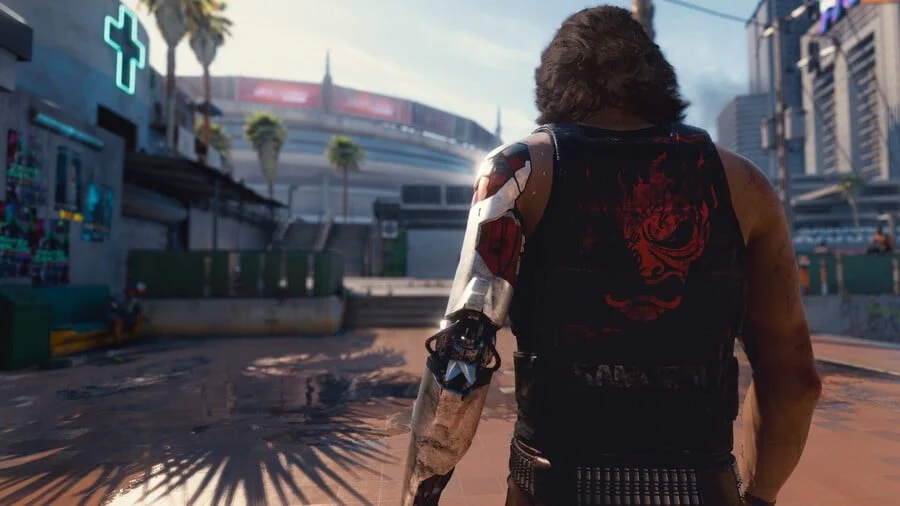
- Cyberpunk 2077: CD Projekt Red’s rejuvenated RPG, now featuring all technical refinements and optimizations, provides hundreds of hours of gameplay.
- Kingdom Come: Deliverance 2: A recent AAA historical RPG that has transitioned to the Premium library following its initial sales window.
- Like A Dragon: Infinite Wealth: Continuing Microsoft’s strong partnership with SEGA and Ryu Ga Gotoku Studio.
- Resident Evil 7: Biohazard: Adding to the service’s robust survival horror offerings.
Furthermore, the service has become a landing pad for innovative indie titles. Games like Absolum and Easy Delivery Co. launched directly into the Premium tier. While these may not carry the marketing weight of a Cyberpunk, they provide the "discovery" element that has long been a hallmark of the Game Pass brand. The inclusion of these titles on Day One for Premium subscribers suggests that the "Ultimate-only" rule for Day One releases is becoming more flexible for smaller, independent projects.
Comparative Value Analysis: Premium vs. Ultimate
As of April 2026, the price gap between Xbox Game Pass Premium and Ultimate has become a central point of discussion for consumers. With the recent price adjustments, the Ultimate tier remains the premium choice at approximately $19.99 per month, whereas Premium sits at a more accessible $14.99.
| Feature | Game Pass Premium | Game Pass Ultimate |
|---|---|---|
| First-Party Day One | No (Added within 12 months) | Yes |
| Third-Party Day One | Select Titles | Yes |
| Library Access | Full Premium Library (400+ Games) | Full Library + EA Play |
| Cloud Gaming | No | Yes |
| PC Game Pass | No | Yes |
| Online Multiplayer | Yes | Yes |
For the "enthusiast" gamer who requires immediate access to titles like the upcoming Gears of War or Fable, Ultimate remains the logical choice. However, for the "patient" or "casual" gamer, the Premium tier now offers a library that is functionally indistinguishable from Ultimate’s offerings of six to twelve months ago. The data suggests that for a consumer who plays three to four AAA games a year, the $60 annual savings of the Premium tier—combined with the inclusion of 2025’s best games—presents a compelling economic argument.
Industry Implications and Market Reaction
Market analysts suggest that the strengthening of the Premium tier is a calculated move to combat "subscription fatigue." By offering a robust mid-tier, Microsoft is attempting to retain subscribers who might otherwise cancel their service during months without a major first-party launch.
"Microsoft is playing the long game with the Premium tier," says industry analyst Marcus Thorne. "By populating it with massive hits like Clair Obscur and Cyberpunk 2077, they are creating a ‘sticky’ product. Users feel they are getting enough value that they don’t feel the need to churn, even if they aren’t playing the absolute newest release on day one. It’s a stabilization tactic for their Monthly Active User (MAU) metrics."
Internally, Microsoft has expressed satisfaction with the tier’s performance. While official subscriber breakdowns by tier are rarely made public, recent investor calls have hinted at a higher-than-expected adoption rate for the Premium tier among new Xbox Series X|S owners. The strategy appears to be successfully capturing the segment of the market that finds $20 a month too steep but finds the $10 "Core" tier too restrictive.
Chronology of Xbox Game Pass Evolution (2025-2026)
- October 2025: Microsoft announces the "New Era of Game Pass," introducing the Premium tier and a $3 price increase for the Ultimate tier.
- November 2025: First wave of older first-party titles (released late 2024) begins migrating to the Premium tier.
- December 2025: Clair Obscur: Expedition 33 dominates holiday sales and wins several GOTY awards.
- January 2026: Microsoft reports a 15% increase in Game Pass revenue, citing the new tier structure as a primary driver.
- March 2026: Major third-party AAA titles (Cyberpunk 2077, Like A Dragon) are added to Premium, signaling a shift in content acquisition.
- April 2026: Hades 2 arrives on Premium, and Clair Obscur officially joins the mid-tier library.
The Future of the Subscription Model
As 2026 progresses, the trajectory for Xbox Game Pass Premium suggests it will become the "standard" experience for the majority of the Xbox install base. With the cost of individual AAA games hovering between $70 and $80, a service that provides access to the previous year’s best titles for the price of two retail games per year is an undeniable value.
The success of this model may also influence how competitors like Sony and Nintendo structure their services. If Microsoft can successfully maintain a "delayed" tier that still feels premium and current, it may provide a blueprint for a sustainable subscription ecosystem that balances developer needs for retail revenue with consumer demands for affordable access.
In conclusion, while Xbox Game Pass Ultimate remains the "gold standard" for those who want everything immediately, Xbox Game Pass Premium has matured into a powerhouse of value. By securing 2025’s Game of the Year and a steady stream of high-quality indies and older AAA masterpieces, the service has moved past its experimental phase. In the current economic climate of 2026, for many gamers, Xbox Game Pass Premium is no longer just an alternative—it is becoming the preferred way to play.