


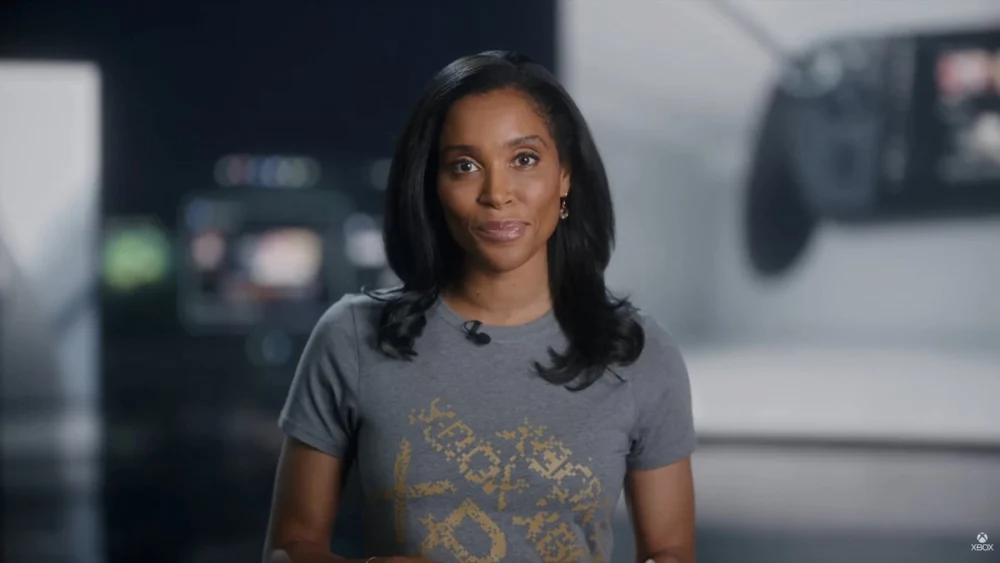
The recent leadership shakeup at Microsoft Gaming has thrust former Xbox President Sarah Bond into the spotlight, not as a successor, but as a figurehead for the console division’s recent strategic missteps. A comprehensive report from The Verge, citing over a dozen current and former Microsoft employees, suggests that Bond’s oversight and perceived strategic direction were a significant factor in the company’s decision to pass her over for a key promotional role, ultimately leading to her departure alongside former CEO Phil Spencer. This development marks a pivotal moment for Xbox, a brand grappling with evolving market dynamics and the imperative to redefine its position in the increasingly competitive gaming landscape.
The departures of both Phil Spencer, the long-serving CEO of Microsoft Gaming, and Sarah Bond, who was widely considered his likely successor, were announced last week. Taking the helm is Asha Sharma, a former Microsoft AI executive. This transition, according to sources close to the matter, was not abrupt but rather a culmination of strategic evaluations that had been underway for approximately the past year. The internal sentiment, as reported, was that Bond’s tenure had reached a natural conclusion, coinciding with Spencer’s plans for retirement.
The "This is an Xbox" Campaign and Its Internal Repercussions
A central point of contention, according to The Verge’s reporting, appears to be the controversial "This is an Xbox" advertising campaign. Sources attribute the driving force behind this initiative to Sarah Bond. The campaign, which aimed to broaden the definition of Xbox engagement beyond traditional console ownership, paradoxically appears to have alienated a significant portion of the existing Xbox fanbase and internal staff. Instead of solely promoting the Xbox console, the campaign highlighted the flexibility of playing Xbox games across various devices, including TVs, handhelds, smartphones, and even competing consoles.
This multifaceted approach, while seemingly forward-thinking in its attempt to capture a wider audience, was reportedly met with internal dissent. Many Xbox employees perceived the campaign as actively discouraging console sales, a core pillar of the brand’s identity. This internal friction, coupled with the perceived neglect of the core console user base, contributed to a souring perception of Bond’s leadership among her peers.
Strategic Pivot Away from Console Hardware: A Bond-Led Initiative
The strategic pivot away from a singular focus on console hardware was reportedly a key directive spearheaded by Bond, operating under Spencer’s broader vision. While the intent was to adapt to a changing market where gaming experiences are increasingly diversified and accessible across platforms, the execution and its tangible results have been a subject of intense scrutiny. The reported decline in Xbox hardware sales over recent periods lends credence to the internal criticisms.
The sentiment among many current and former Xbox employees interviewed for the report suggests a palpable sense of relief following Bond’s exit. This indicates a deep-seated internal dissatisfaction with the direction taken under her leadership, particularly concerning the perceived de-emphasis of the console as the primary gateway to the Xbox ecosystem.
The Rise of AI and Emerging Concerns Under Sharma
With Bond’s departure and Spencer’s exit, the reins of Microsoft Gaming have been handed to Asha Sharma, whose background in Artificial Intelligence is a significant point of interest, and potential concern, for many within the company. The prevailing fear, as articulated by internal sources, is that Sharma, influenced by Microsoft CEO Satya Nadella’s well-documented enthusiasm for AI integration, may aggressively push AI into every facet of Xbox’s operations.

This potential AI-driven transformation raises questions about the future of Xbox’s product development, game design, and even its workforce. Given that Microsoft has already undergone several rounds of layoffs in recent years, the prospect of further workforce reductions due to AI integration or strategic shifts cannot be entirely dismissed. The company’s aggressive stance on AI development, championed by Nadella, suggests a strong inclination to leverage this technology across all its divisions, including the lucrative gaming sector.
Contextualizing Xbox’s Recent Performance
To understand the significance of these leadership changes, it is crucial to examine the broader context of Xbox’s performance in recent years. The gaming industry is a dynamic and highly competitive arena, with key players like Sony’s PlayStation and Nintendo consistently vying for market share. While Xbox has made significant strides in areas such as its Game Pass subscription service, a cornerstone of its strategy under Spencer and Bond, its console hardware sales have often lagged behind its primary competitor.
For instance, in the fiscal year ending June 30, 2023, Microsoft reported that Xbox content and services revenue had increased, indicating the success of its subscription models and digital offerings. However, the specific figures for console hardware sales have been a more complex narrative. While the Xbox Series X/S has seen a steady release of new titles and a growing library of games available through Game Pass, it has faced stiff competition from the PlayStation 5, which has often reported stronger unit sales globally. Market research firms like Circana (formerly NPD Group) regularly track hardware sales, and their data has consistently shown fluctuations that reflect the intense competition.
The "Chasing Tomorrow’s Customers" Dilemma
The core strategic tension, as articulated by The Verge’s report, lies in the dilemma of "chasing tomorrow’s customers by neglecting today’s." This perspective suggests that while the long-term vision might have been to embrace a more platform-agnostic approach to gaming, the immediate consequence was a potential alienation of the dedicated Xbox console base. The push for mobile and cloud gaming, while aiming to tap into a larger potential audience, may have inadvertently signaled a decreased focus on the hardware that has historically defined the Xbox brand.
This strategic balancing act is not unique to Xbox. The entire gaming industry is grappling with the evolving definition of "gaming." The rise of cloud streaming services, mobile gaming’s dominant market share, and the increasing accessibility of high-fidelity experiences on various devices present both opportunities and challenges for traditional console manufacturers. The question for Xbox, and by extension for Sharma and her new leadership team, is how to navigate this evolving landscape without alienating its existing loyal customer base while simultaneously attracting new players.
Implications for the Future of Xbox
The implications of this leadership transition are far-reaching. The appointment of Asha Sharma, with her AI expertise, signals a potential acceleration of Microsoft’s AI ambitions within Xbox. This could manifest in various ways, from AI-powered game development tools and enhanced player analytics to more personalized gaming experiences and potentially even AI-driven game design elements. However, as noted, this also carries the risk of an overly aggressive implementation that could lead to unintended consequences, including workforce disruptions.
Furthermore, the departure of Bond, who was instrumental in shaping recent Xbox strategies, creates a void in leadership that will need to be filled by a clear and compelling vision. The success of Sharma and her team, which will also include Microsoft Gaming Executive Vice President Matt Booty, will hinge on their ability to articulate and execute a strategy that can revitalize Xbox’s market position. This will likely involve a delicate balance between embracing new technologies and platforms, such as cloud and AI, and reaffirming the value and appeal of the Xbox console ecosystem.
The coming months will be critical for Xbox. The brand faces the arduous task of repairing any perceived damage to its core identity and rebuilding confidence among its stakeholders. The industry will be watching closely to see if Sharma and Booty can chart a new course that ensures Xbox’s continued relevance and success in the ever-evolving world of interactive entertainment. The path forward will undoubtedly be challenging, requiring strategic acumen, innovative thinking, and a deep understanding of the diverse needs of the modern gaming community. The era of Phil Spencer and Sarah Bond at the helm of Xbox has concluded, ushering in a new chapter whose ultimate outcome remains to be written.