


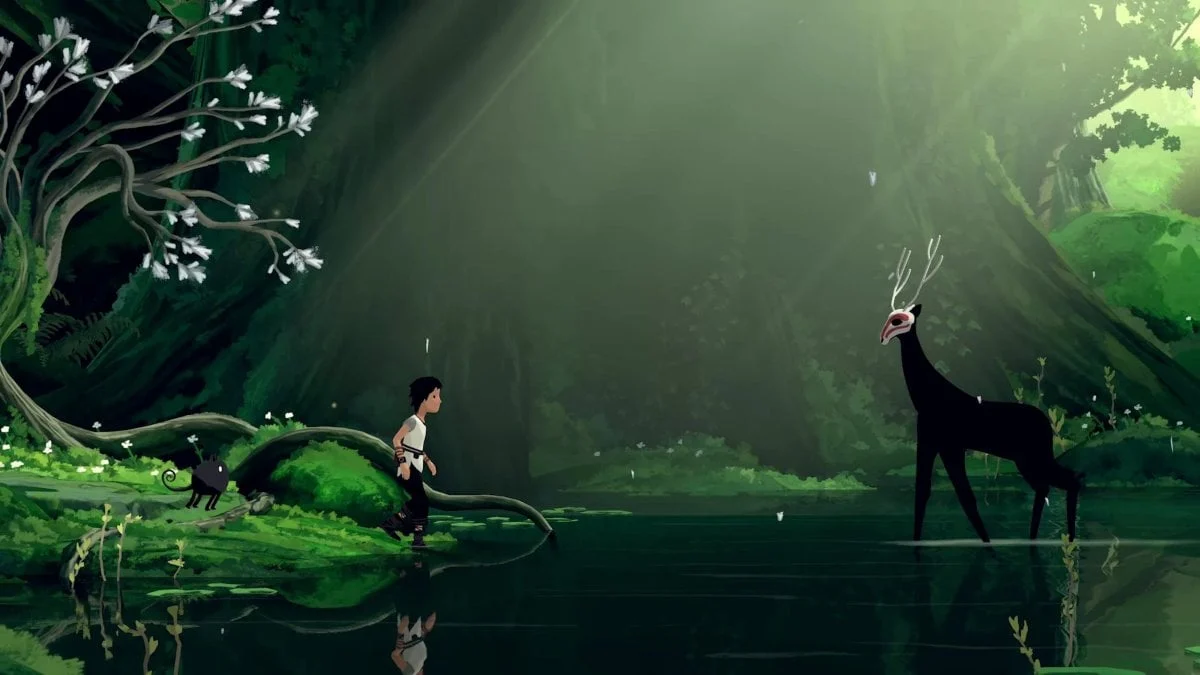
The beloved 2023 puzzle-platformer, Planet of Lana, renowned for its breathtaking art style and poignant narrative, is poised for a triumphant return. Planet of Lana 2: Children of the Leaf, has been officially slated for release in the first quarter of 2026, promising to expand the emotional journey of its protagonists, Lana and Mui, beyond the initial conflict with a purely technological adversary. This highly anticipated sequel aims to deepen the established lore and introduce new gameplay mechanics, as evidenced by a recent, segmented demo offering a compelling glimpse into its evolving world.
The demo, structured to provide insights across five distinct chapters, showcases the significant advancements in Planet of Lana 2‘s gameplay. Players can expect a refined approach to platforming and stealth, interwoven with increasingly intricate puzzle design. Early impressions from the demo suggest a deliberate focus on creating moments of both relaxation and profound satisfaction, a hallmark of the original title. The question on many fans’ minds is: what new horizons will Lana and Mui explore, and what challenges await them in this richly imagined universe?
The Resurgence of an Ancient Power: Shifting Threats and Evolving Civilizations
Children of the Leaf signals a significant narrative shift from its predecessor. While the first game centered on a direct confrontation with a monolithic mechanical invasion, the sequel delves into a more nuanced conflict, exploring themes of corruption and the complex power dynamics that have emerged among the various Novo tribes. The demo, while not elaborating extensively on the overarching plot, successfully ignites curiosity regarding Mui’s burgeoning abilities and the advanced technological integration observed within certain tribal societies. These factions appear to be considerably more technologically sophisticated than Lana’s community in the original game, suggesting a rapid societal and technological evolution across the planet.
The in-game environments within the demo are a testament to this progression. Surveillance cameras actively scan for movement, and sophisticated robotic systems are clearly employed for industrial activities, including mining and large-scale fishing operations. This visual evidence underscores a civilization on the cusp of a new era, where progress is not only visible in the landscape but also directly contributes to a more complex and human-centric threat. The introduction of updated stealth mechanics directly addresses this evolution, suggesting that navigating the world of Planet of Lana 2 will require a more sophisticated understanding of the environment and its inhabitants.
A Symbiotic Partnership: Evolving Gameplay Mechanics and Cooperative Prowess
A fundamental evolution in Planet of Lana 2 lies in its approach to player agency and the dynamic between Lana and Mui. The gameplay is no longer solely focused on Lana overcoming obstacles, but rather on the synergistic efforts of the duo to achieve their shared objectives. This marks a departure from the more traditional platforming and stealth elements seen in titles like Rayman or Oddworld, where gameplay often followed a more formulaic structure. The sequel aims to modernize the experience, empowering both Lana and Mui with distinct abilities that contribute to their survival and the progression through the game. This fresh approach promises to keep the gameplay engaging and unpredictable.
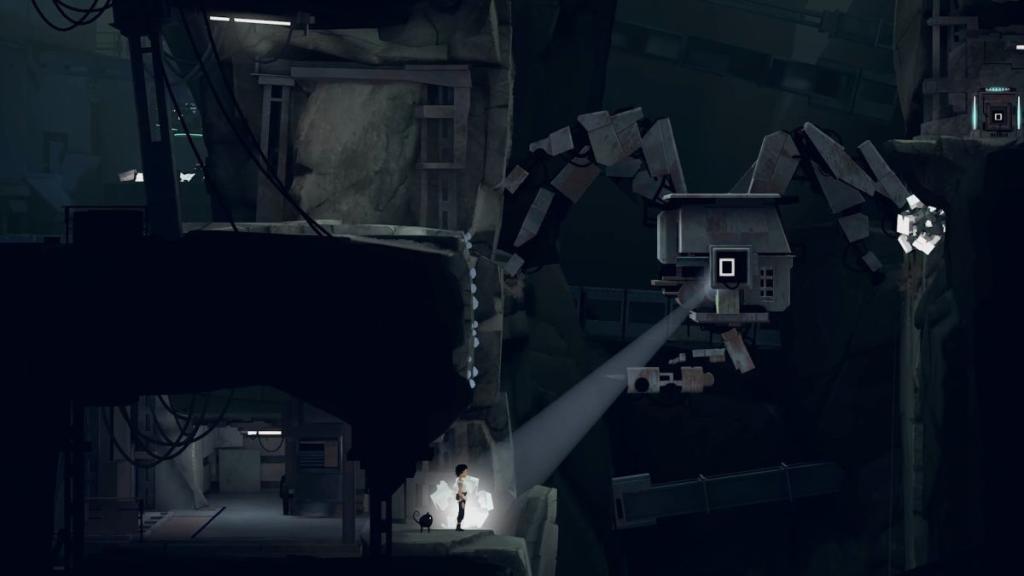
One of the most striking innovations introduced in the demo is the ability to transfer control, allowing Mui’s consciousness to inhabit various lifeforms within Novo. This mechanic opens up a vast array of new puzzle-solving opportunities and combat strategies. Mui can now manipulate the environment by removing blockades, incapacitate aquatic threats with a strategic spray of ink, or even stimulate plant growth by conjuring rain from a beetle-like creature. This dynamic shift not only enhances the fun factor but also fundamentally alters the pacing and complexity of puzzle-platforming segments. The introduction of a learning curve for each new ability, coupled with the inherent unpredictability of inhabiting different creatures, invites novel approaches to problem-solving and ensures a consistently fresh experience.
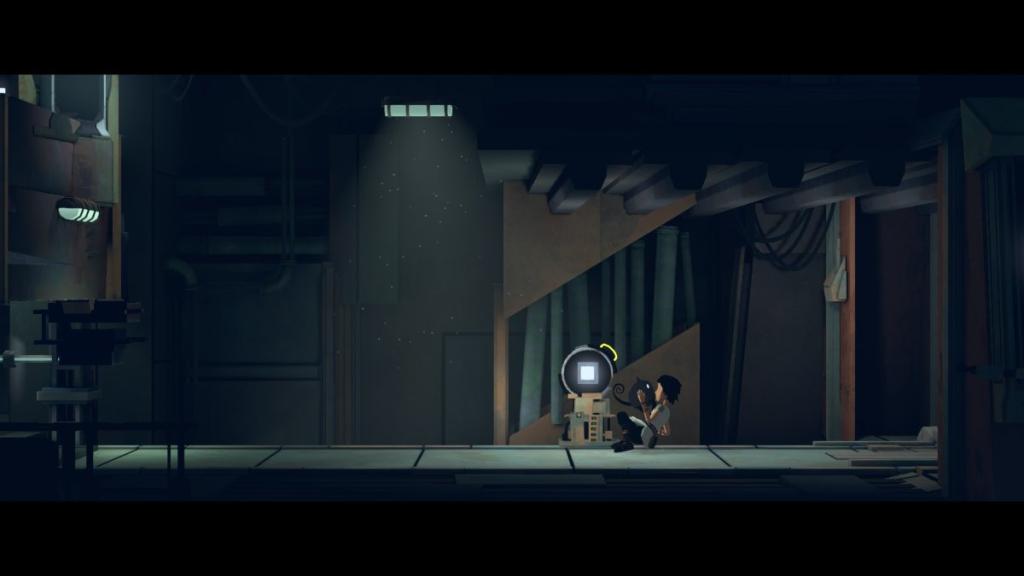
Furthermore, Lana herself exhibits significant growth and adaptation since the events of the first game. The demo highlights her newfound ability to climb and hop across walls, a seemingly simple addition that serves as a powerful form of subtle yet effective environmental storytelling. This demonstrates Lana’s development and her increased competence in navigating the world of Novo. This progression, while understated, speaks volumes about her journey and the lessons she has learned.
The puzzle design in Planet of Lana 2 has also been refined and elevated. The puzzles are now more streamlined, ingeniously balanced with the combined abilities of Mui and Lana, and demonstrably more complex than those encountered in the original. The challenge presented by these puzzles remains as satisfying as ever, striking a delicate balance that aims to preserve the series’ signature cozy yet exhilarating gameplay experience. The developers appear committed to ensuring that each puzzle is not only a test of intellect but also an integrated part of the narrative and gameplay flow.
A Living Canvas: Artistry and Atmosphere in a Evolving World
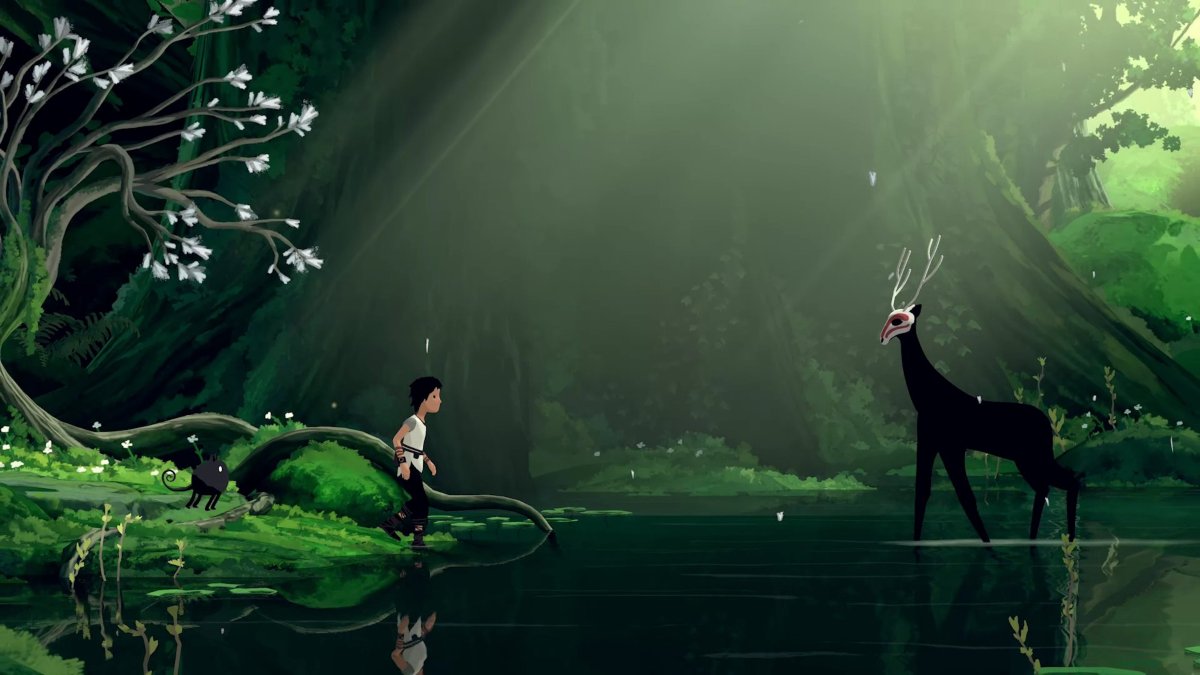
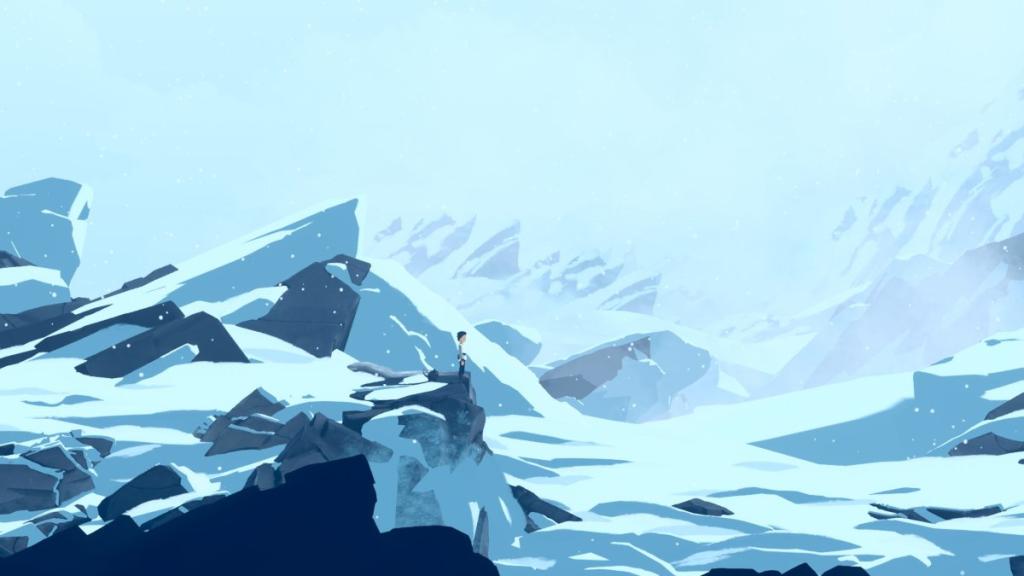
The visual artistry of Planet of Lana 2 remains as captivating and dynamic as its predecessor. The environments transcend mere background scenery, evolving into living, breathing entities that contribute significantly to the game’s immersive quality. Comparisons to animated masterpieces such as The Wild Robot and Studio Ghibli’s Nausicaä of the Valley of the Wind are apt, suggesting a world rendered with meticulous detail and a profound sense of organic life. The visual design of Children of the Leaf also appears to draw inspiration from iconic works like Princess Mononoke, particularly with the introduction of a "Forest Spirit" archetype. This inclusion injects a layer of mystery and hints at a deeper, perhaps cosmic, intervention influencing the fauna of Novo, adding a profound spiritual dimension to the planet’s ecosystem.
While only a brief auditory glimpse was provided through the demo, the soundtrack continues to be a significant strength. The music retains the lovely, calming atmosphere that characterized the original, effectively mitigating the stress often associated with complex puzzle-solving. This auditory backdrop not only enhances immersion but also contributes to the overall therapeutic and engaging nature of the gameplay experience.
The Unfolding Narrative: Unanswered Questions and New Beginnings
A notable observation from the demo is its primary function as a showcase for the sequel’s innovative mechanics and gameplay enhancements. While these aspects are undeniably impressive, the narrative context for Lana and Mui’s current predicament remains largely unexplained. The demo offers little insight into the inciting incident that has compelled Lana to embark on another journey away from her home. The narrative hints suggest that the focus has shifted towards understanding Mui’s mysterious powers, with other human factions actively researching their origins and potential applications. This places Mui, the feline-like companion, at the center of unfolding events, but the specific catalyst for Lana’s departure is yet to be revealed.
Ideally, a more comprehensive understanding of the game’s opening act, the central conflict, and the specific events that propel Lana into her next adventure would have provided a stronger narrative anchor for the demo. The decision to present segments from five distinct chapters, while offering a good overview of gameplay, may leave newcomers to the series wanting for context. Fans of the original Planet of Lana can undoubtedly anticipate a continuation of the high-quality experience, complete with challenging puzzles and narrative depth. However, for those unfamiliar with the first installment, the demo might lack the crucial introductory elements that would fully draw them into the sequel’s world and stakes.
Planet of Lana 2: Children of the Leaf is scheduled for a global release on March 5, 2026. The game will be available across a wide range of platforms, including PC via Steam, Xbox Series X/S with Xbox Game Pass, PlayStation 4 and 5, and the Nintendo Switch and its anticipated successor. This broad multi-platform release ensures that a wide audience will have the opportunity to experience the continuation of Lana and Mui’s compelling story. The anticipation for this sequel is palpable, with fans eager to see how the established charm and innovative gameplay will be woven together into another unforgettable adventure.