


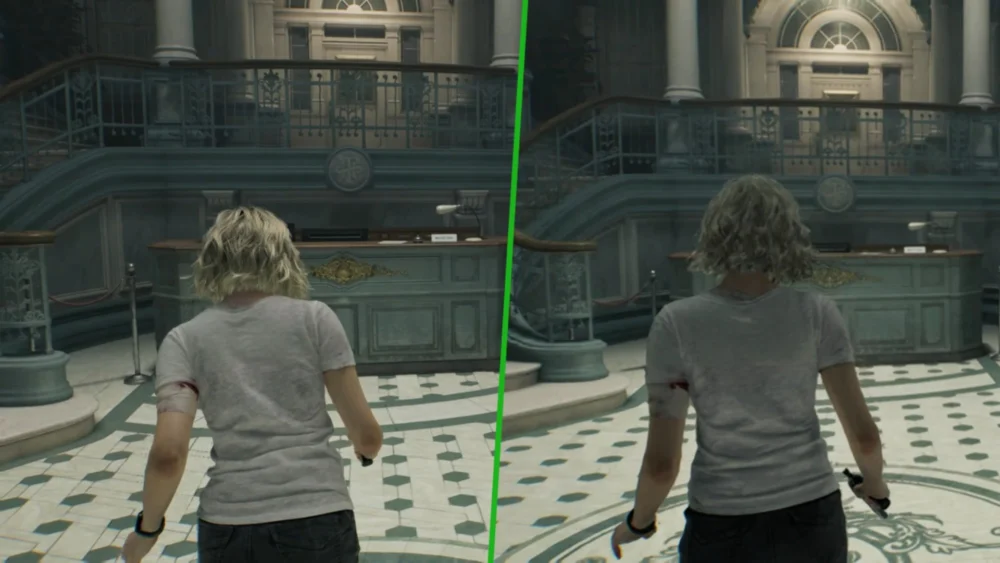
As the highly anticipated release of Resident Evil Requiem officially approaches this Friday, excitement within the gaming community is reaching a fever pitch. Ahead of its full launch, critical performance analyses have emerged, providing a comprehensive look at how the latest installment in Capcom’s iconic survival horror franchise performs across Microsoft’s current-generation consoles: the Xbox Series X and the Xbox Series S. These initial findings offer valuable insights for prospective players, detailing the technical distinctions and ensuring transparency regarding the gaming experience on each platform.
The preliminary performance footage, meticulously compiled and disseminated by the reputable independent analysis channel Fuzion Xbox Testing, highlights the varying technical specifications and optimization strategies employed by Capcom for Resident Evil Requiem. This pre-launch scrutiny is a crucial component of the modern gaming landscape, allowing consumers to make informed decisions and setting expectations for graphical fidelity and frame rate stability across different hardware configurations. Fuzion Xbox Testing, known for its consistent and detailed comparisons, presented separate analyses for each console, providing a direct and unbiased view of the game’s operational characteristics.
Dissecting the Xbox Series X Experience: Native 1080p Upscaled to 4K
On the flagship Xbox Series X console, Resident Evil Requiem is reported to target a native resolution of 1080p, which is then dynamically upscaled to a crisp 4K output. This strategy is a common and effective method for developers to achieve a high-resolution presentation on current-generation consoles while maintaining a stable frame rate. The upscaling process often utilizes advanced techniques such as checkerboarding or temporal upsampling, which intelligently reconstruct pixels to create a visually convincing 4K image from a lower base resolution. The result, according to early assessments, is nothing short of spectacular, with the game being lauded as "the most immersive as well as downright stunning-looking Resident Evil game to date."
Crucially, the performance metrics observed during approximately five minutes of intensive gameplay testing reveal an exceptionally stable frame rate. The game consistently adheres to a target of 60 frames per second (FPS), a benchmark often sought after by players for its contribution to a smooth, responsive, and visually fluid gaming experience, especially vital in a fast-paced horror title. Only the most minor, almost imperceptible dips below this 60FPS threshold were recorded, suggesting a robust and highly optimized engine working in harmony with the Series X’s powerful hardware. The Xbox Series X, with its 12 teraflops of GPU power, a custom AMD Zen 2 CPU, and 16 GB of GDDR6 RAM, is engineered to deliver such high-fidelity experiences, and Resident Evil Requiem appears to leverage these capabilities effectively, offering a premium visual and performance package that aligns with enthusiast expectations.
The Xbox Series S: Delivering Quality at 720p Upscaled to 1440p
In contrast, the more accessible Xbox Series S, designed as a digital-only, lower-cost entry point into the current generation, presents a different but equally commendable performance profile for Resident Evil Requiem. On this console, the game’s native output is believed to be 720p, which is then upscaled to 1440p for display. While a lower native resolution, the visual presentation on the Series S is still described as "pretty good" by those who have experienced it. The upscaling to 1440p, often referred to as QHD, ensures that the game looks sharp and detailed on modern displays, bridging the gap between its native render and the higher resolution capabilities of many monitors and televisions.
Remarkably, the performance on the Xbox Series S also largely maintains a consistent 60FPS throughout the tested footage. This achievement underscores Capcom’s commitment to delivering a high-quality gameplay experience across both Xbox platforms, despite the Series S’s more modest hardware specifications. The Series S features a 4 teraflop GPU, a similar custom AMD Zen 2 CPU, but with 10 GB of GDDR6 RAM, necessitating more aggressive optimization techniques from developers. This often involves adjustments to texture quality, draw distances, ambient occlusion, shadow fidelity, and particle effects to ensure performance parity without drastically compromising the core visual experience.
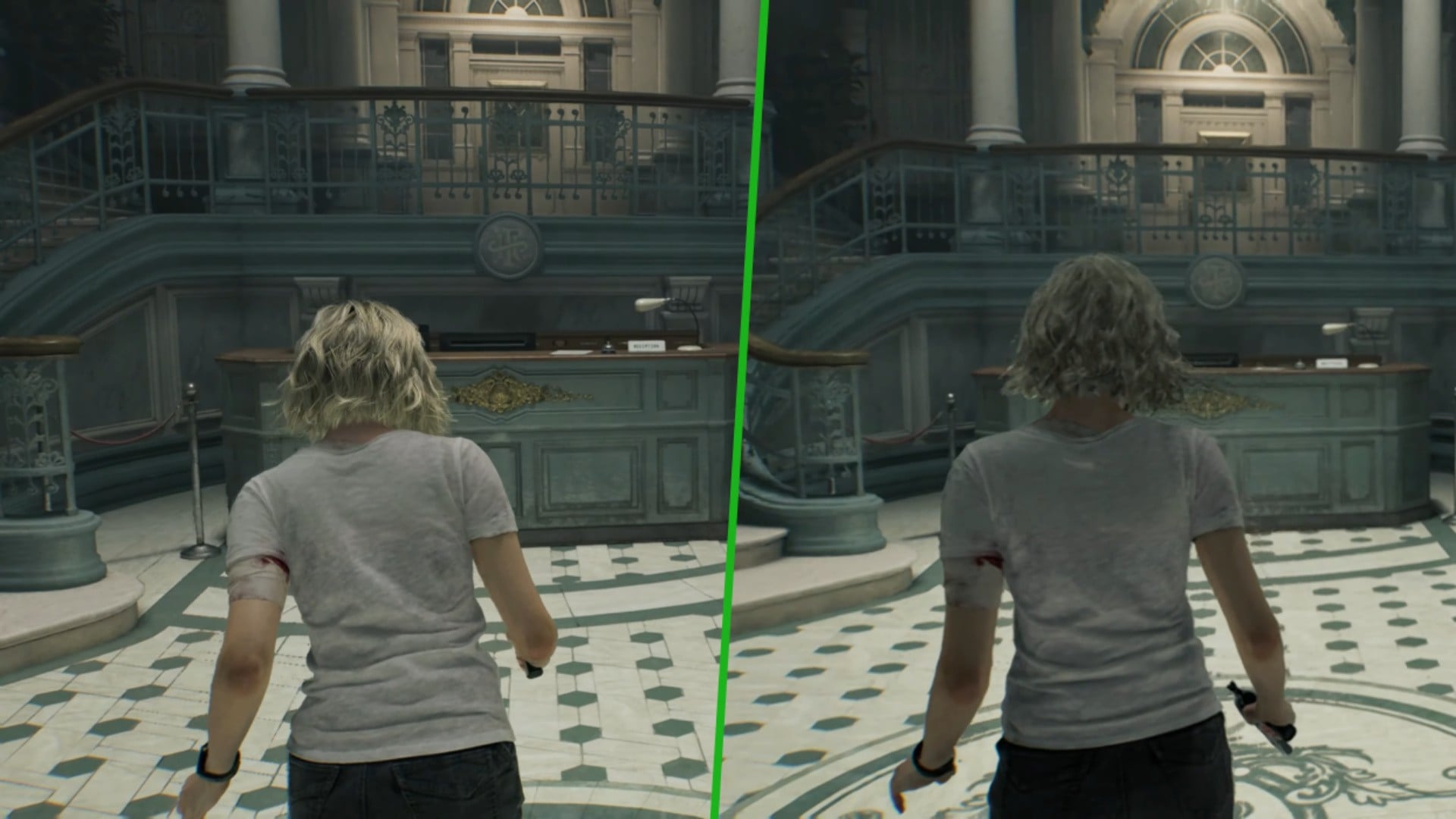
The positive reception for the Series S version is further corroborated by Pure Xbox’s official review of Resident Evil Requiem, which awarded the game an impressive 9/10 based specifically on its performance on the Xbox Series S. This endorsement is a significant testament to the quality of the optimization, indicating that players on the Series S can expect a thoroughly enjoyable and visually appealing experience that does not feel like a compromised version of the game. Such successful optimization efforts are crucial for the Xbox ecosystem, validating Microsoft’s two-tiered console strategy and ensuring that a wider audience can participate in the latest gaming experiences.
Fuzion Xbox Testing: A Pillar of Pre-Release Analysis
The role of independent technical analysis channels like Fuzion Xbox Testing cannot be overstated in today’s complex gaming landscape. These channels serve as vital third-party arbiters, offering objective, data-driven assessments of game performance before official launch. Their methodology typically involves using specialized capture equipment to record raw gameplay footage, often accompanied by on-screen telemetry displaying real-time frame rates, resolutions, and other critical performance indicators. This transparency allows players to visually verify claims and understand the nuances of how a game runs on different hardware.
For Resident Evil Requiem, Fuzion Xbox Testing’s separate video comparisons for the Series X and Series S provide a clear, side-by-side understanding of the distinctions without conflating the results. This approach helps in isolating the performance characteristics of each console, offering a granular view that is invaluable for consumers and industry watchers alike. The consistency and reliability of such analyses have made these channels trusted sources, influencing purchasing decisions and fostering a more informed gaming community.
The Enduring Legacy of Resident Evil: Franchise Context and Expectations
The Resident Evil franchise, spearheaded by Capcom, holds an indelible place in video game history, widely credited with popularizing the survival horror genre. Since its debut in 1996, the series has evolved dramatically, shifting from fixed camera angles and tank controls to more modern over-the-shoulder perspectives and, more recently, first-person horror, as seen in Resident Evil 7 and Resident Evil Village. Each new installment is met with immense anticipation, not only for its narrative continuation but also for its technical prowess in delivering chilling atmospheres and visceral gameplay.
Capcom has developed a strong reputation for optimizing its titles across various platforms, often leveraging its proprietary RE Engine to great effect. This engine, first introduced with Resident Evil 7: Biohazard, is renowned for its scalability, allowing developers to create stunningly realistic graphics while maintaining efficient performance across a range of hardware. The successful optimization of Resident Evil Requiem on both the Xbox Series X and Series S is a testament to the versatility of the RE Engine and Capcom’s development expertise. The franchise’s consistent push for immersive horror experiences makes frame rate stability and visual clarity paramount; any significant performance hiccups could detract from the carefully crafted tension and jump scares that define the series. The early performance indicators suggest that Resident Evil Requiem is poised to uphold this legacy, delivering a high-quality horror experience regardless of the specific Xbox console chosen.
Pre-Order Information and Launch Readiness
For eager fans looking to secure their copy, Resident Evil Requiem is currently available for pre-order via the Xbox Store. The game is priced at £64.99 / $69.99, a standard price point for new AAA titles on current-generation consoles. Pre-ordering typically grants players the ability to pre-load the game, ensuring they can jump into the horror immediately upon its official release this Friday.

In addition to pre-order availability, Pure Xbox has also published a comprehensive guide detailing all pertinent release times across various global regions and providing information on the game’s install size on Xbox Series X|S. Such resources are crucial for players planning their gaming schedules and managing their console storage, ensuring a smooth and informed launch experience. The meticulous provision of this information underscores the importance of a well-orchestrated release, minimizing friction for players and maximizing their day-one enjoyment.
Developer Challenges and the Art of Cross-Platform Optimization
Developing a single title to perform optimally across two distinct hardware architectures, like the Xbox Series X and Series S, presents a unique set of challenges for game developers. The Series X, with its higher processing power and memory bandwidth, allows for more complex graphical assets, higher resolution textures, and more sophisticated environmental effects. The Series S, while part of the same generation, requires developers to make judicious compromises to achieve comparable performance goals.
This often involves creating different asset tiers, dynamically scaling resolutions, adjusting levels of detail (LODs), and implementing various rendering techniques to fit within the Series S’s memory and GPU budget. The goal is to ensure that while visual fidelity may differ, the core gameplay experience, including frame rate, input responsiveness, and overall fluidity, remains consistent and enjoyable across both platforms. Capcom’s apparent success with Resident Evil Requiem demonstrates a mastery of this optimization art, striking a balance between leveraging the Series X’s power and ensuring the Series S provides a compelling experience. This balancing act is vital for the long-term success of Microsoft’s console strategy, as it ensures that the Series S remains a viable and attractive option for a significant segment of the gaming market.
The Broader Implications: Player Choice and the Future of Console Gaming
The detailed performance comparison for Resident Evil Requiem carries significant implications for both players and the future trajectory of console game development. For consumers, the data provides reassurance that owning an Xbox Series S does not necessarily mean settling for a drastically inferior experience. While the Series X will undoubtedly offer a more visually pristine and technically robust presentation, the Series S is clearly capable of delivering the same high-frame-rate gameplay, which for many players, is paramount. This caters to a diverse audience, from those prioritizing cutting-edge visuals to those seeking an affordable entry into current-gen gaming without sacrificing core performance.
From a developer’s perspective, the successful optimization of Resident Evil Requiem across both Series X and Series S sets a strong precedent. It reinforces the notion that with careful planning and robust engine technology, it is entirely feasible to deliver excellent experiences on both ends of Microsoft’s console spectrum. This could influence future development cycles, encouraging studios to continue investing in scalable solutions rather than simply targeting the highest-end hardware. As the current console generation matures, the ability to effectively optimize for both Series X and S will become an increasingly critical skill, shaping the landscape of cross-platform releases and defining consumer expectations for console performance parity.
In conclusion, the pre-release performance analysis of Resident Evil Requiem paints a highly optimistic picture for players across both Xbox Series X and Series S. With the Series X delivering stunning 4K-upscaled visuals at a near-flawless 60FPS, and the Series S offering a remarkably stable 60FPS experience at 1440p-upscaled resolution, Capcom has seemingly struck an impressive balance. As the game prepares for its global debut this Friday, players can look forward to a deeply immersive and terrifying journey into the latest chapter of the Resident Evil saga, confident in the knowledge that the technical foundations are firmly in place to deliver a high-quality experience on their chosen Xbox console.