


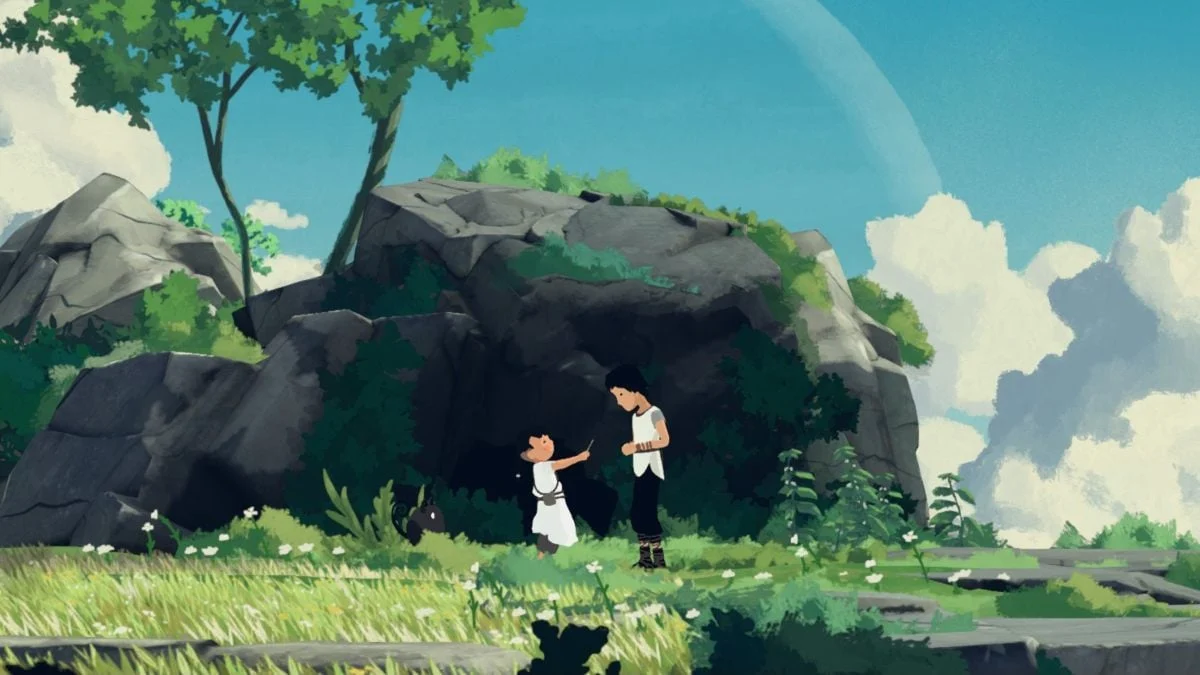
The continuation of Lana and Mui’s profound journey in Planet of Lana 2 beckons players to delve into the echoes of the past to safeguard an uncertain future. This new installment pushes the boundaries of their adventure, venturing into territories and narratives far more expansive than previously explored. The game has evolved significantly from its initial premise of hope and resilience against a technologically driven threat that imperiled civilization. It now confronts the darker facets of humanity’s relationship with the natural world, illustrating how our innate desires for expansion and consumption can mirror the very dangers we sought to overcome. The narrative explores the stark consequences of our actions, where acquisition is followed by abandonment, leaving a trail of ecological devastation. Tensions are escalating, and the very fabric of community, belonging, and the fundamental right to a home hangs precariously in the balance for Lana’s family and the inhabitants of their world.
Thematic Evolution: From Technological Peril to Environmental Reckoning
The original Planet of Lana established a compelling narrative of a young girl and her companion confronting a formidable, technologically advanced adversary that had subjugated their people. This struggle against an external, mechanical force served as a potent metaphor for overcoming overwhelming odds. However, Planet of Lana 2 adeptly pivots this thematic focus. The sequel now confronts a more insidious and deeply ingrained threat: humanity’s own destructive tendencies towards nature. This shift is not merely a narrative convenience but a reflection of growing global concerns regarding environmental degradation, resource depletion, and the long-term consequences of unchecked industrialization.
The game’s narrative progression suggests that the tools and technologies initially feared by Lana’s people may have, in some instances, been co-opted or mirrored by their own kind, leading to a cycle of destruction. This mirrors real-world scenarios where advancements, intended for progress, can be wielded for detrimental purposes. The narrative’s exploration of greed and the inherent human desire to dominate and exploit surrounding environments resonates with historical and contemporary accounts of colonialism, deforestation, and habitat destruction. The phrase "We take, we leave" encapsulates a poignant commentary on the transient and often exploitative nature of human presence in many ecosystems.
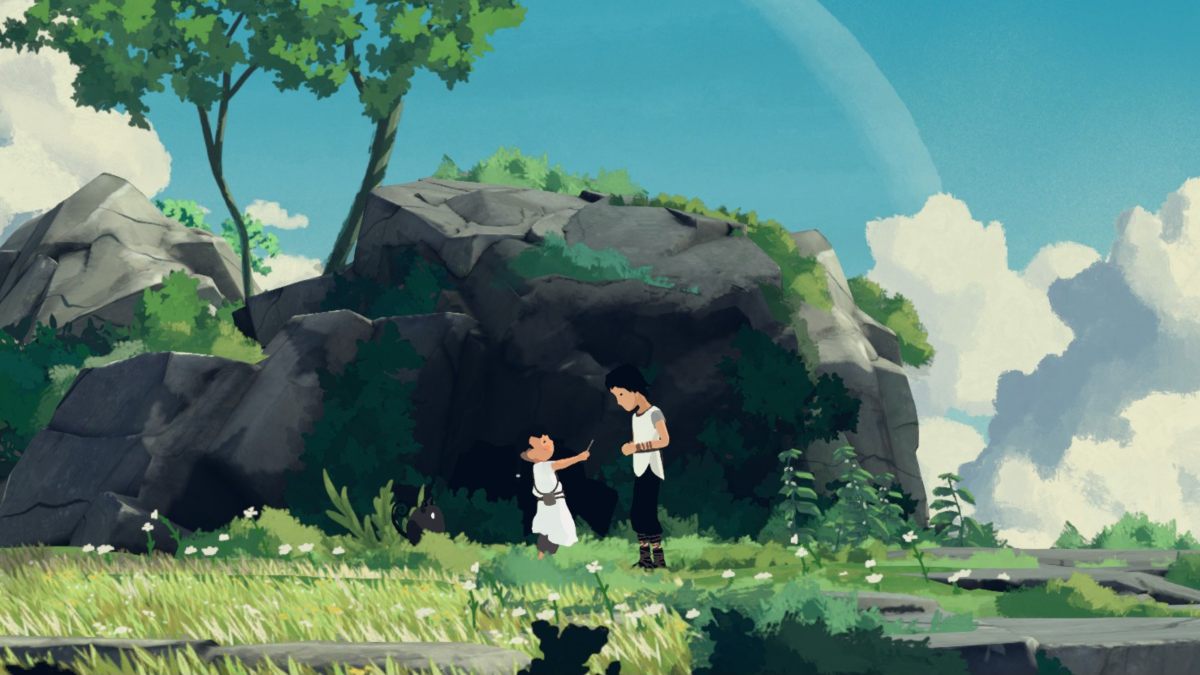
The stakes in Planet of Lana 2 are palpably higher, extending beyond mere survival to encompass the fundamental concepts of community, belonging, and the existential question of having a place to call home. This broadened scope imbues the narrative with a sense of urgency and emotional depth, as the characters grapple with the potential loss of not just their lives, but their cultural identity and ancestral lands.
Narrative Accessibility and Universal Themes
A significant aspect of Planet of Lana 2‘s design, particularly for players new to the series, is its approach to narrative accessibility. While the initial demo may have presented a steeper learning curve, the full game offers a "welcoming recap" of the first installment. This is crucial given that Planet of Lana employs a unique, invented language, rendering direct verbal communication between characters unintelligible to the player. This linguistic choice, while artistically distinctive, could pose a barrier to entry. The inclusion of a recap addresses this, ensuring that newcomers can seamlessly integrate into the sequel’s narrative without feeling alienated or missing vital plot points. This inclusive design philosophy underscores the developers’ commitment to a broad audience, allowing the game’s powerful themes to resonate universally, irrespective of prior game experience.
The game’s storytelling relies heavily on visual cues, character animations, and an evocative soundtrack to convey emotion and plot. The repetition of sounds and the nuanced body language of Lana and Mui are instrumental in bridging the communication gap. This method of storytelling, akin to that found in acclaimed cinematic experiences, manipulates player emotions, fostering a deep connection with characters who are, at their core, digital constructs. The narrative, while open to interpretation, clearly articulates a profound message about the destruction of natural environments and the ripple effects of individual ambitions that lead to widespread suffering.
Enduring Relevance and Comparative Analysis
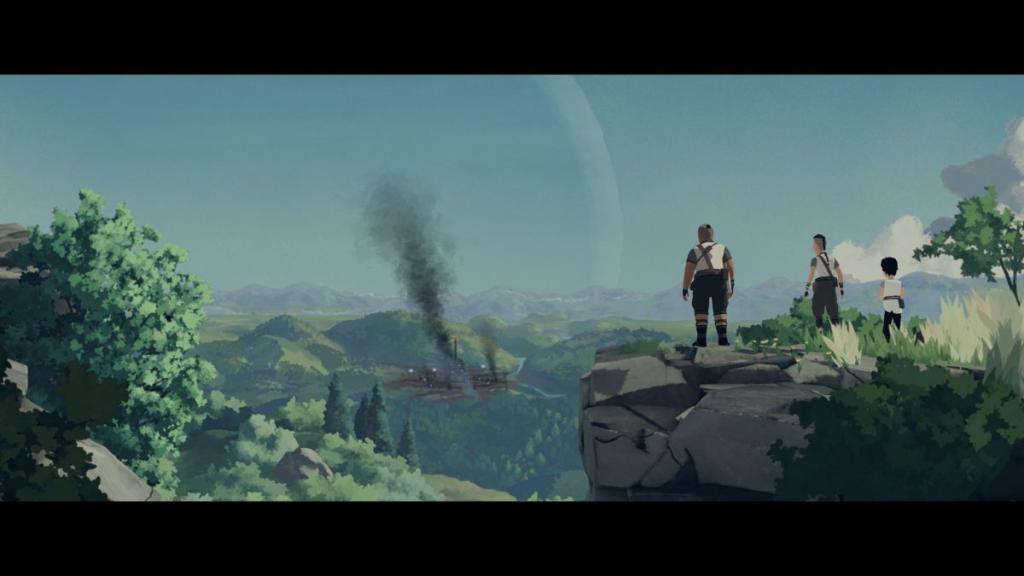
The themes explored in Planet of Lana 2 are not only relevant to its fictional world but also hold a mirror to our own reality, particularly in an era where technological advancement often poses a threat to ecological balance. The message of conservation and the perils of unchecked exploitation has been a recurring motif in various forms of media. Similar narratives of environmental destruction and humanity’s impact on nature can be observed in works such as Hayao Miyazaki’s Nausicaä of the Valley of the Wind, the animated film Fern Gully: The Last Rainforest, James Cameron’s Avatar franchise, and even in elements of Andy Weir’s Project Hail Mary (though the context differs). The persistent presence of such themes across diverse artistic mediums highlights their enduring importance and the collective human consciousness grappling with these issues. Planet of Lana 2 contributes to this vital discourse, offering a poignant and interactive exploration of these critical concerns.
Narrative Intricacies and Player Interpretation
A thought-provoking question that arises during gameplay, and which was less prominent in the original title, pertains to the absence of adult figures and the deployment of a child in perilous missions. In the first Planet of Lana, the narrative justification for Lana’s solo quest was clear: everyone else had been taken. However, in the sequel, the rationale for such dangerous undertakings by a child, when presumably other capable individuals might exist, becomes less apparent. While this might be considered a minor narrative point, it can subtly diminish the perceived realism of the story, pushing it further into the realm of fantasy.
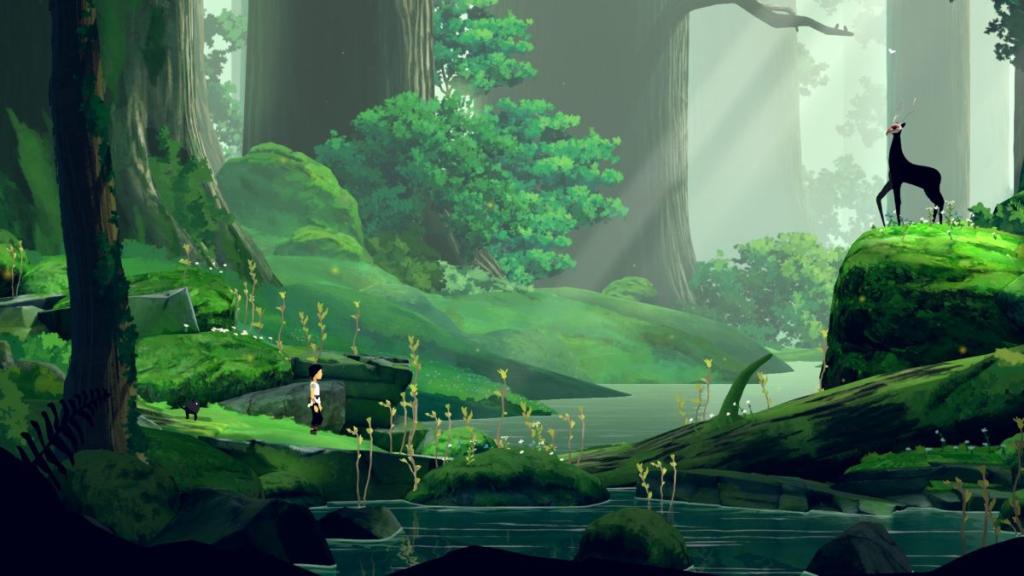
The game’s aesthetic and thematic resonance often evoke comparisons to celebrated works of animation, particularly those with strong environmental messages. The "stunning visuals, blatant message against deforestation and technology, and reference to the legendary Forest Spirit" can evoke the profound emotional impact and thematic depth found in films like Princess Mononoke and Nausicaä of the Valley of the Wind. This connection underscores the game’s success in crafting a narrative that is not only engaging but also thought-provoking and emotionally resonant.
Attention to Detail: A Testament to Craftsmanship
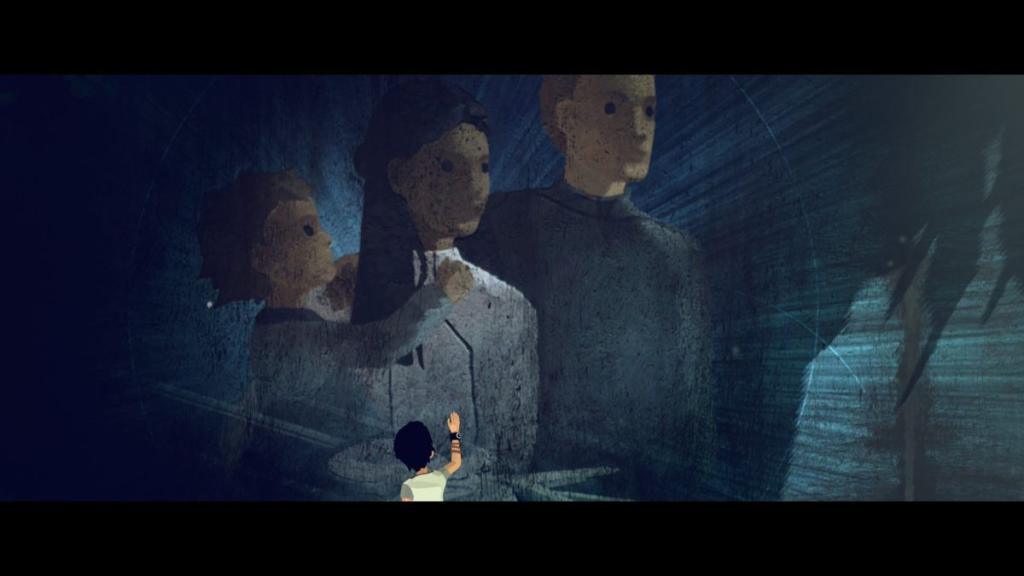
Beyond its thematic depth, Planet of Lana 2 showcases exceptional attention to detail, a hallmark of meticulous game development. One striking example of this craftsmanship is the depiction of Lana’s child-like drawings. As Lana progresses through her arduous journey, these drawings progressively become dirtier, a subtle yet powerful visual metaphor for her ongoing struggle and unwavering determination. This detail serves as a constant reminder of her motivations, the sacrifices she is making, and the importance of persevering against all odds. Such intricate details contribute significantly to the game’s immersive quality and its ability to forge a deeper connection with the player.
Nature’s Voice: An Alive and Emotive Landscape
The art direction in Planet of Lana 2 remains a visual masterpiece, building upon the aesthetic foundations of its predecessor. The accompanying soundtrack is equally breathtaking, serving as a powerful emotional anchor for each narrative segment. The seamless integration of visuals and music imbues the world of Novo with character, depth, and a distinct, poignant voice. Together, they orchestrate a deeply meaningful cinematic experience. The game achieves impactful storytelling through its gorgeous imagery, which harmonizes exquisitely with its sublime orchestral score. This minimalist approach to narrative, devoid of explicit dialogue, echoes the success of critically acclaimed titles such as INSIDE, LIMBO, Shadow of the Colossus, and Somerville. It is a testament to the developers’ skill that so many emotions and narrative nuances can be conveyed with such economy of words.
Gameplay Evolution: Puzzles, Mechanics, and Classic Influences
The gameplay experience in Planet of Lana 2, which took approximately six hours to complete, represents a significant expansion upon the original’s mechanics without deviating from its core identity. The puzzles presented are both stimulating and challenging, rewarding players with a profound sense of satisfaction upon their resolution. The game eschews overt hand-holding, allowing players the freedom to invest as much time as needed to decipher solutions. This deliberate absence of pressure and explicit guidance harkens back to the golden age of platformer classics, such as Spyro, Crash Bandicoot, and Rayman, where discovery and self-reliance were paramount. Solutions often arrive in satisfying "eureka" moments, where disparate elements coalesce into a clear path forward. Any potential for monotony is effectively mitigated by the introduction of novel terrains and mechanics, which progressively escalate the learning curve throughout the game’s chapters. This evolution addresses a key area for improvement identified in the original title, making the sequel a more robust and engaging experience for the genre.
However, the game is not without its challenges. At times, Planet of Lana 2 can lean towards a trial-and-error approach, which may become somewhat tiresome due to occasional finicky controls. The sequel’s controls, while generally functional, could have benefited from further streamlining. There were instances where precise timing was critical for actions such as jumping, and a slight delay or misinterpretation by the controls could necessitate replaying sections. This aspect occasionally recalled the demanding precision required in titles like Tomb Raider Anniversary, where platforming finesse was essential. Certain sequences felt extended due to what could be perceived as clunky controls, forcing Lana into vaulting or climbing maneuvers when a more direct path might have been feasible, thereby momentarily interrupting the flow of action.
Despite these minor control quibbles, Lana’s character development is evident in her enhanced agility, including improved climbing and wall-jumping abilities. This growth serves as a natural progression for her character and simultaneously elevates the sequel’s gameplay mechanics. Coupled with Mui’s innovative and evolving abilities, these advancements introduce new layers to the puzzle-platforming elements that were not present in the original game. Each puzzle is meticulously crafted, offering an engaging and rewarding experience. The increased importance and versatility of Mui’s role contribute to Planet of Lana 2 feeling like a modern reinterpretation of classic puzzle-platformer design.
The level design, while generally excellent, occasionally exhibits an unnecessary complexity. In some instances, the focus on realism might inadvertently make a puzzle appear more intricate than it truly is. While this issue was encountered only twice during the playthrough, it led to extended periods of contemplation, suggesting that either the design was indeed complex or the player’s perception was being overcomplicated.
Pacing and Narrative Structure: A Deliberate Balancing Act
The overarching narrative structure of Planet of Lana 2 is fundamentally built around a series of "fetch quests." While this plot device has been criticized for its ubiquity in video games, the execution within Planet of Lana 2 manages to transcend its potential for repetition. Despite the familiar narrative framework, the game remains a delightful experience. This success can be attributed to the dynamic interplay between the consistent core gameplay and Mui’s continuously evolving mechanics, which provide a compelling incentive to progress. The game masterfully balances moments of stealth and action with intellectually stimulating puzzles and impactful cinematic sequences, allowing the environment itself to communicate crucial narrative beats.
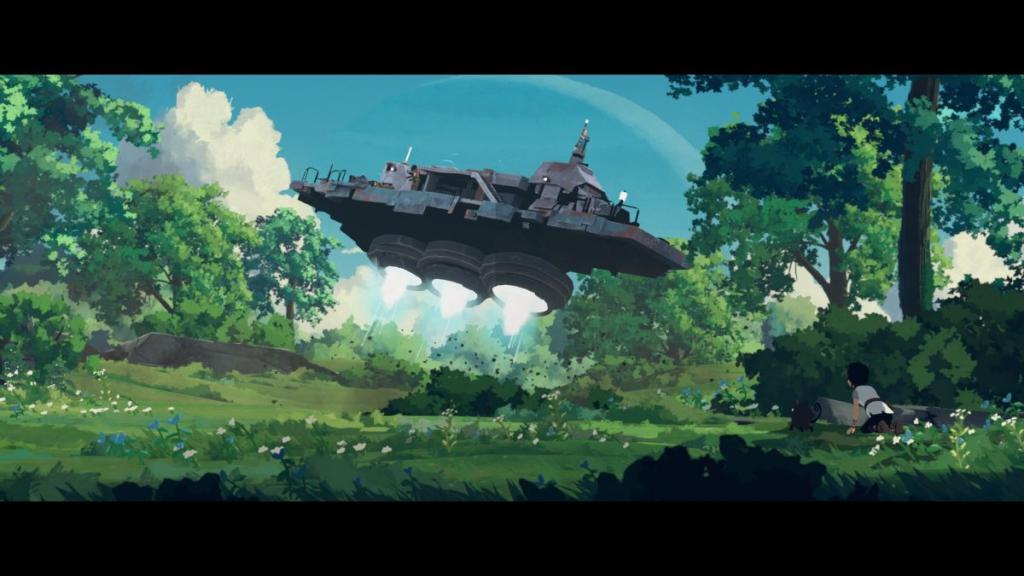
The original Planet of Lana featured a more gradual build-up to its climax. In contrast, the sequel incorporates slower-paced segments designed to deliver backstory and allow for narrative breathing room. These moments are strategically interspersed with periods of heightened action and emotional intensity, creating a dynamic and engaging rollercoaster of an experience. This pacing aligns perfectly with the game’s overarching themes of destruction, hope, and the inherent uncertainty of the future, eschewing the tranquility of a simple road trip through nature. A minor caveat in the pacing is the occasional slowness of loading screens, which can momentarily disrupt the otherwise well-managed flow.
Concluding Threads and Future Implications
Without revealing specific plot details, the ending of Planet of Lana 2 strongly suggests the potential for a future installment. While the cliffhanger conclusion elicits excitement and anticipation, it could also be perceived as a narrative tactic that might leave fans feeling slightly manipulated, particularly given the inherent uncertainty surrounding the development of any franchise. This approach differs from the original game, which, while open to a sequel, concluded as a self-contained and complete product. The reliance on a cliffhanger for a future installment, without a guaranteed release, introduces an element of risk for player investment.
Ultimately, Planet of Lana 2 delivers precisely what is expected and desired from a puzzle-platformer that engages both the intellect and the emotions. It represents a significant upgrade from its predecessor, offering a deeply satisfying experience that comes highly recommended for any enthusiast of the puzzle-platformer genre. The game’s success lies in its ability to weave together compelling narrative, innovative gameplay, and breathtaking artistry to create a memorable and resonant journey.