


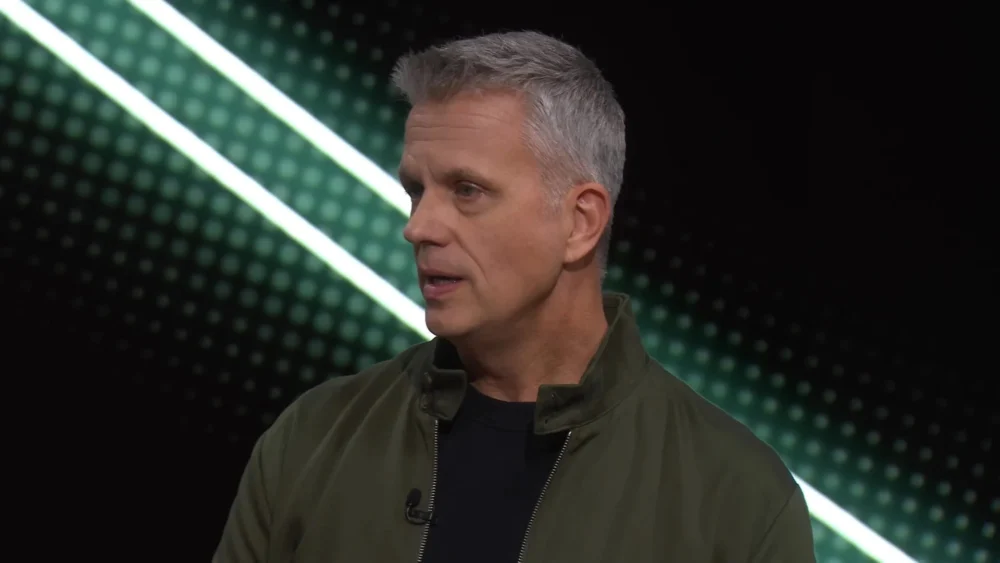
The announcement of Matt Booty’s promotion to a pivotal new role came as part of a broader shakeup that saw the long-serving head of Xbox, Phil Spencer, announce his retirement. This momentous shift also introduced Asha Sharma as the new Chief Executive Officer (CEO) of Microsoft Gaming, placing her at the helm of one of the world’s most influential interactive entertainment entities. The changes, revealed late last night, have set the stage for a new era at Xbox, prompting immediate reactions from key figures including Microsoft CEO Satya Nadella, Spencer, Sharma, and now Booty.
A New Chapter for Xbox: The Leadership Transition
The leadership transition at Microsoft Gaming represents one of the most significant organizational changes in the division’s recent history. Phil Spencer, who had been instrumental in revitalizing the Xbox brand over the past decade, decided to step down. Spencer’s tenure was marked by a strategic pivot towards services, content acquisition, and a more inclusive gaming ecosystem. Under his leadership, Xbox launched the highly successful Game Pass subscription service, expanded its first-party studio portfolio through major acquisitions like Bethesda Softworks and Activision Blizzard King, and championed initiatives like cloud gaming (Xbox Cloud Gaming) and cross-platform play. His departure marks the end of an era defined by aggressive growth, strategic innovation, and a renewed focus on the player experience.
Succeeding Spencer is Asha Sharma, an accomplished executive whose appointment as CEO of Microsoft Gaming signals a fresh perspective at the top. While specific details of her prior roles within Microsoft Gaming were not extensively publicized at the time of the announcement, her elevation to such a critical position implies a strong background in strategic operations, business development, and a deep understanding of the gaming landscape. Her initial statements emphasized a commitment to "making great games" and ensuring that all strategic choices are "grounded in player and developer needs," aligning with the foundational principles that have driven Xbox’s recent successes.
Matt Booty’s promotion to EVP and Chief Content Officer positions him as a crucial partner to Sharma, tasked with overseeing the creative direction and output of Xbox’s extensive network of first-party studios. In this capacity, Booty will be responsible for nurturing the development of new intellectual properties, managing established franchises, and ensuring a consistent pipeline of high-quality content for the Xbox platform and Game Pass service. His previous role as head of Xbox Game Studios provided him with direct oversight of the creative teams, making him a natural fit for this expanded content-focused leadership position.
Microsoft CEO Satya Nadella also weighed in on the leadership changes, expressing gratitude for Spencer’s contributions and confidence in the new leadership team. Nadella’s remarks reinforced Microsoft’s ongoing commitment to gaming as a core pillar of its broader strategy, highlighting its role in connecting communities and leveraging cutting-edge technology. This corporate endorsement underscores the strategic importance of Xbox within Microsoft’s ecosystem, particularly as the company continues to invest heavily in cloud computing, artificial intelligence, and metaverse-related initiatives, where gaming often serves as a significant proving ground.
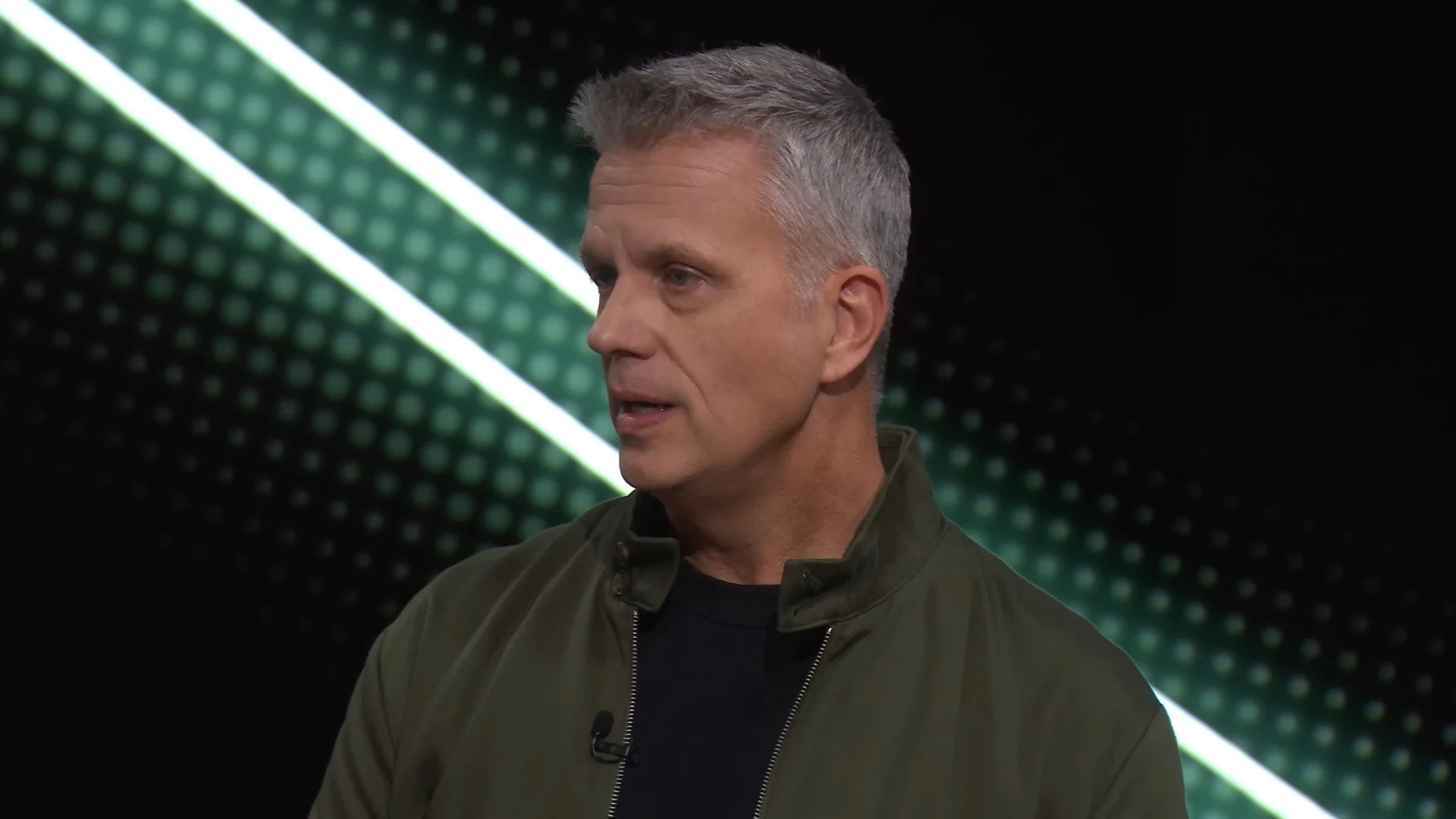
Matt Booty’s Message: Continuity and Resilience Amidst Change
In his official statement, Matt Booty adopted a tone of calm confidence, acknowledging the gravity of the leadership changes while simultaneously emphasizing the inherent resilience of Microsoft and Xbox. He began by expressing profound gratitude to Phil Spencer, crediting him as a "steady champion for game creators and our studio teams" whose leadership profoundly benefited all Xbox games. This acknowledgment not only paid tribute to Spencer’s legacy but also served to bridge the transition, suggesting that the underlying values he championed would endure. Booty also extended his appreciation to Satya Nadella for his "ongoing commitment to gaming" and his vision of how gaming integrates with the broader company objectives.
Booty articulated his excitement to partner with Asha Sharma, noting that their initial conversations centered on her dedication to game development excellence and its critical role in overall success. He praised her inquisitive nature, her demand for clarity, and her insistence that decisions be rooted in the needs of players and developers. This emphasis on foundational principles is particularly pertinent in an industry characterized by rapid change—in player engagement models, game development methodologies, and the evolution of business models and platforms.
Central to Booty’s message was the assertion, "We have good reasons to believe in what’s ahead." He reinforced this by stating, "This organization and its franchises have navigated change for decades, and our strength comes from teams who know how to adapt and keep delivering." This historical perspective grounds the current transition within a broader narrative of Microsoft’s enduring capacity for innovation and adaptation. From the early days of personal computing to the internet boom, and more recently to the age of cloud computing and AI, Microsoft has consistently reinvented itself, often leading technological shifts. Xbox, itself a product of Microsoft’s diversification into consumer electronics and entertainment, has similarly weathered various console generations, market challenges, and strategic reorientations.
Booty further elaborated on the sources of this confidence, citing "a strong pipeline of established franchises, new bets we believe in, and clear player demand for what we are building." This triumvirate of factors—legacy content, future innovation, and market resonance—forms the bedrock of Xbox’s content strategy. The "strong pipeline" undoubtedly refers to highly anticipated titles from studios like Bethesda, newly acquired Activision Blizzard King teams, and other first-party developers, many of whom are working on sequels to beloved series or entirely new intellectual properties. The "new bets" suggest ongoing investment in innovative gameplay experiences or emerging genres, while "clear player demand" reflects the consistent engagement with Game Pass and the broader Xbox ecosystem.
Crucially, Booty addressed potential anxieties within the development community by explicitly stating, "My focus is on supporting the teams and leaders we have in place and creating the conditions for them to do their best work. To be clear, there are no organizational changes underway for our studios." This direct assurance is vital for maintaining morale and stability across Xbox’s numerous internal and external development partners. In an industry prone to restructuring following leadership changes, this statement provides a powerful signal of continuity and a commitment to protecting the creative environments of game development teams. It suggests that the immediate priority is to empower existing talent and foster creativity rather than to implement disruptive reorganizations.
Broader Implications and Strategic Outlook

The leadership changes at Microsoft Gaming carry significant implications for the company’s strategic direction and its position within the competitive global gaming market. The appointment of Asha Sharma as CEO, supported by Matt Booty as Chief Content Officer, suggests a refined focus on operational efficiency, content delivery, and sustained growth for the Xbox ecosystem.
Content Strategy and Studio Management: Matt Booty’s expanded role places him directly at the intersection of creative vision and business execution. With an impressive portfolio of first-party studios, including industry stalwarts like Bethesda Game Studios, id Software, Obsidian Entertainment, and the newly integrated Activision Blizzard King studios (which include Treyarch, Infinity Ward, Sledgehammer Games, and Blizzard Entertainment), the sheer volume and diversity of content under his purview are immense. His leadership will be critical in harmonizing the creative output, ensuring titles align with Xbox’s strategic goals, and maximizing the value proposition of Game Pass. The emphasis on "no organizational changes" for studios highlights a desire to leverage existing talent and established workflows, allowing teams to concentrate on game development without the distraction of internal restructuring. This approach could foster greater creative freedom and lead to a more consistent release schedule of high-quality titles.
Game Pass and Ecosystem Growth: The future success of Xbox is inextricably linked to the growth and sustainability of Game Pass. As Chief Content Officer, Booty will play a central role in curating the Game Pass library, ensuring a steady stream of compelling new games, including day-one first-party releases. His focus on "established franchises" and "new bets" suggests a balanced approach to content acquisition and development, aiming to appeal to a broad audience while also pushing the boundaries of interactive entertainment. The continued expansion of Game Pass, both in terms of subscriber numbers and geographical reach, will be a key performance indicator for the new leadership. Microsoft’s long-term vision involves making gaming accessible across various devices, from consoles and PCs to mobile phones via cloud streaming, and Booty’s content strategy will need to support this multi-platform ambition.
Market Competition and Innovation: The gaming industry is intensely competitive, with formidable rivals like Sony’s PlayStation and Nintendo continuing to innovate and capture significant market share. The new leadership at Xbox will need to navigate this landscape with agility and foresight. Sony’s strong console sales and exclusive first-party titles, combined with Nintendo’s unique hardware and beloved franchises, present ongoing challenges. Xbox’s strategy under Sharma and Booty is likely to double down on its strengths: the value of Game Pass, the power of its cloud infrastructure, and the diversity of its first-party content. Continued investment in emerging technologies such as artificial intelligence for game development, virtual reality (VR), and augmented reality (AR) could also define their tenure, pushing Xbox to the forefront of innovation.
Financial Performance and Investment: Microsoft’s commitment to gaming, as reaffirmed by Satya Nadella, is backed by substantial financial investment. The Activision Blizzard King acquisition alone represented an unprecedented investment in the gaming sector. The new leadership will be tasked with demonstrating a clear return on these investments, translating content excellence and subscriber growth into robust financial performance. This includes optimizing revenue streams from console sales, Game Pass subscriptions, in-game purchases, and advertising, all while managing the increasing costs of AAA game development.
Player and Developer Community Confidence: The stability provided by Booty’s assurance of no immediate studio reorganizations is crucial for the developer community. A positive relationship with developers, both internal and external, is paramount for securing exclusive content and fostering innovation. For players, the transition implies a continuation of Xbox’s commitment to delivering diverse and high-quality gaming experiences. The shift from familiar faces like Phil Spencer and Sarah Bond to Asha Sharma and Matt Booty will take time for the community to fully embrace, but the emphasis on continuity and a strong content pipeline aims to build trust and excitement for what lies ahead.
In conclusion, the leadership restructuring at Microsoft Gaming marks a pivotal moment for Xbox. While Phil Spencer’s retirement closes a transformative chapter, the elevation of Asha Sharma and Matt Booty signals a renewed focus on operational excellence, content innovation, and strategic growth. Booty’s statement, imbued with a deep understanding of Microsoft’s history of adapting to change, serves as a powerful message of stability and confidence. By emphasizing the strength of its teams, the richness of its content pipeline, and its unwavering commitment to players and developers, Xbox aims to navigate this transition successfully, building on its past achievements to forge an exciting and resilient future in the dynamic world of interactive entertainment.