


The digital landscape of video games is in constant flux, with technological advancements rapidly outpacing the ability to access and enjoy titles from previous eras. This evolving challenge has brought game preservation to the forefront of industry discussions, and Xbox is making a significant commitment to ensuring that the rich history of gaming remains accessible for generations to come.
The Imperative of Game Preservation
In a candid GDC (Game Developers Conference) panel, a senior executive at Xbox, identified as Ronald, articulated a profound personal and corporate conviction: "I fundamentally believe that great games are timeless." This philosophy underpins Xbox’s increasing focus on preserving its gaming legacy. Ronald shared a poignant anecdote about his own son engaging with games released decades before his birth, experiencing them as entirely novel adventures. This personal connection highlights a universal truth: the intrinsic value of well-crafted games transcends their original release dates.
The current state of digital distribution and hardware evolution often presents players with a stark choice: adapt to archaic interfaces and potentially unstable emulation, or miss out on significant pieces of gaming history. Xbox aims to bridge this gap, offering players the opportunity to experience these classic titles without the friction of outdated technology. The goal is not merely to archive these games, but to actively enhance them, allowing them to be enjoyed in ways that resonate with modern audiences while respecting their original intent.
Leveraging Modern Technology for Classic Experiences
Xbox’s approach to preservation is not a passive archiving exercise; it actively integrates contemporary technological advancements to breathe new life into older games. Ronald specifically cited features like Auto HDR and FPS Boost as prime examples of this strategy.
Auto HDR is a prime illustration of how older titles can feel remarkably fresh. By layering High Dynamic Range (HDR) capabilities onto games developed before HDR even existed, Xbox is effectively offering a visual "remaster" without altering the core game assets or design. This technology enhances color depth, contrast, and brightness, providing a more immersive visual experience that can make a 20-year-old game feel strikingly new to a modern player. Data from industry analyses consistently shows that HDR content is perceived as more visually appealing, leading to increased player engagement and appreciation for updated classics.
Similarly, FPS Boost significantly elevates the performance of older games. Many titles from previous console generations were designed with specific, often lower, frame rates in mind. FPS Boost allows these games to run at substantially higher frame rates, leading to smoother gameplay and a more responsive feel. For many players, this performance upgrade is akin to a full remaster, transforming the playability and overall enjoyment of titles that might have otherwise felt sluggish or dated. This enhancement is particularly impactful for genres that benefit greatly from high frame rates, such as action games and competitive titles.
Expanding Accessibility Through Cloud Gaming
Beyond on-device enhancements, Xbox is also pioneering new avenues for accessing retro games through its cloud streaming capabilities. This technology allows players to stream classic titles directly to their smartphones and other devices, a concept that would have been pure science fiction at the time many of these games were created. Ronald emphasized the transformative nature of this, noting that when these games were developed, not only did HD resolution not exist, but the very notion of a smartphone was barely imaginable.
The ability to stream games like Halo: Combat Evolved or Psychonauts to a mobile device, without the need for a dedicated console or the complex setup of emulators, democratizes access to gaming history. This is particularly relevant in a world where gaming is increasingly becoming a multi-device experience. Research from market intelligence firms indicates a significant rise in mobile gaming and cloud-based entertainment, making this a logical and forward-thinking strategy for game preservation and expansion.
A Glimpse into the Future: Anniversary Celebrations and Potential Remakes
The GDC panel also hinted at exciting developments on the horizon, particularly in anticipation of Xbox’s 25th anniversary. Ronald alluded to upcoming releases that could include remakes or remasters of iconic titles. This announcement has fueled considerable speculation within the gaming community.
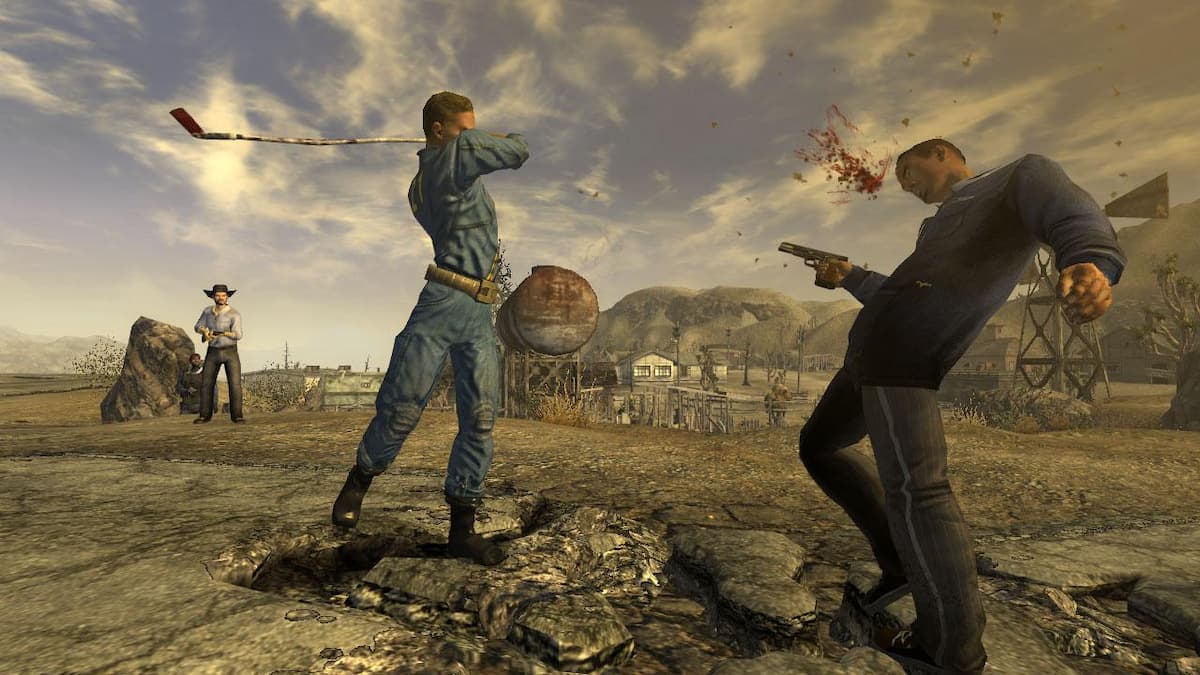
One persistent rumor suggests that a remaster or remake of Fallout: New Vegas is in development. Given Microsoft’s acquisition of Bethesda Softworks and its associated studios, including Obsidian Entertainment, the developer of New Vegas, this possibility is highly plausible. Such a release would be a significant event, as Fallout: New Vegas is widely regarded as one of the most critically acclaimed titles in the Fallout series, praised for its narrative depth, player choice, and engaging RPG mechanics. A modern reimagining of this game, leveraging current graphical fidelity and gameplay enhancements, would undoubtedly be a major draw for both existing fans and new players.
Another potential avenue for these anniversary releases is the "shadow drop" strategy, similar to the surprise release of an Oblivion remaster last year. This approach, which bypasses traditional marketing cycles and launches titles unexpectedly, has proven effective in generating immediate buzz and player engagement. The Xbox anniversary falls on November 15th, leaving ample time for such surprise announcements to materialize.
The Engine of Preservation: A Dedicated Team
Ronald stressed that these initiatives are the result of years of dedicated work by a specialized game preservation team within Xbox. He stated, "The game preservation team has been working very hard in the background for a number of years. As part of our 25th anniversary later this year, they will release some iconic games from the past that are now going to be able to be played in an entirely new way." This commitment underscores that game preservation is not an afterthought but a strategic pillar of Xbox’s long-term vision.
This sustained effort is crucial, as the challenges of digital preservation are multifaceted. They include not only ensuring technical accessibility but also addressing issues like intellectual property rights, the availability of original source code, and the emulation of complex hardware and software. Xbox’s investment in a dedicated team signals a serious and sustained commitment to tackling these complexities.
Broader Implications: A Cultural Heritage
Xbox’s commitment to game preservation extends beyond mere commercial interests; it aligns with a growing recognition of video games as a significant cultural medium. Just as literature, film, and music are preserved as cultural heritage, video games capture unique moments in time, reflecting the technological capabilities, artistic sensibilities, and societal values of their creation eras.
The potential release of enhanced retro titles and the ongoing work in preservation have broader implications for the gaming industry and its audience.
- Cultural Understanding: Preserving games allows future generations to understand the evolution of interactive entertainment and the historical context in which these games were created. They offer a unique window into the past, showcasing how storytelling, gameplay mechanics, and visual aesthetics have transformed over time.
- Educational Value: Classic games can serve as valuable educational tools, demonstrating fundamental principles of game design, narrative structure, and programming. For aspiring game developers, studying these titles can provide insights into the foundational elements of the medium.
- Economic Impact: The availability of classic titles can foster new revenue streams through remasters, remakes, and subscription services. It also supports a thriving retro gaming market, appealing to collectors and enthusiasts.
- Player Engagement: By making older games accessible, Xbox is fostering a deeper connection with its player base, spanning multiple generations of gamers. This can enhance brand loyalty and create a richer, more inclusive gaming ecosystem.
The upcoming "Xbox Mode" for Windows devices, which aims to further integrate the Xbox experience across various platforms, suggests an even broader strategy to enhance software solutions that support retro gaming. While the desire to modernize older games is understandable, it’s also important to acknowledge the inherent charm and historical significance of experiencing games as they were originally presented. The ability to toggle enhancements on or off will be a critical factor in striking this balance.
Ultimately, Xbox’s proactive stance on game preservation underscores its understanding that video games are more than just entertainment; they are digital artifacts of our cultural history. By investing in the technology and dedication required to keep these games alive and accessible, Xbox is not only safeguarding its own legacy but also contributing to the enduring legacy of the entire medium. The effort to preserve these interactive experiences ensures that the stories, innovations, and sheer joy of past gaming eras will continue to be discovered and appreciated by players for years to come.