


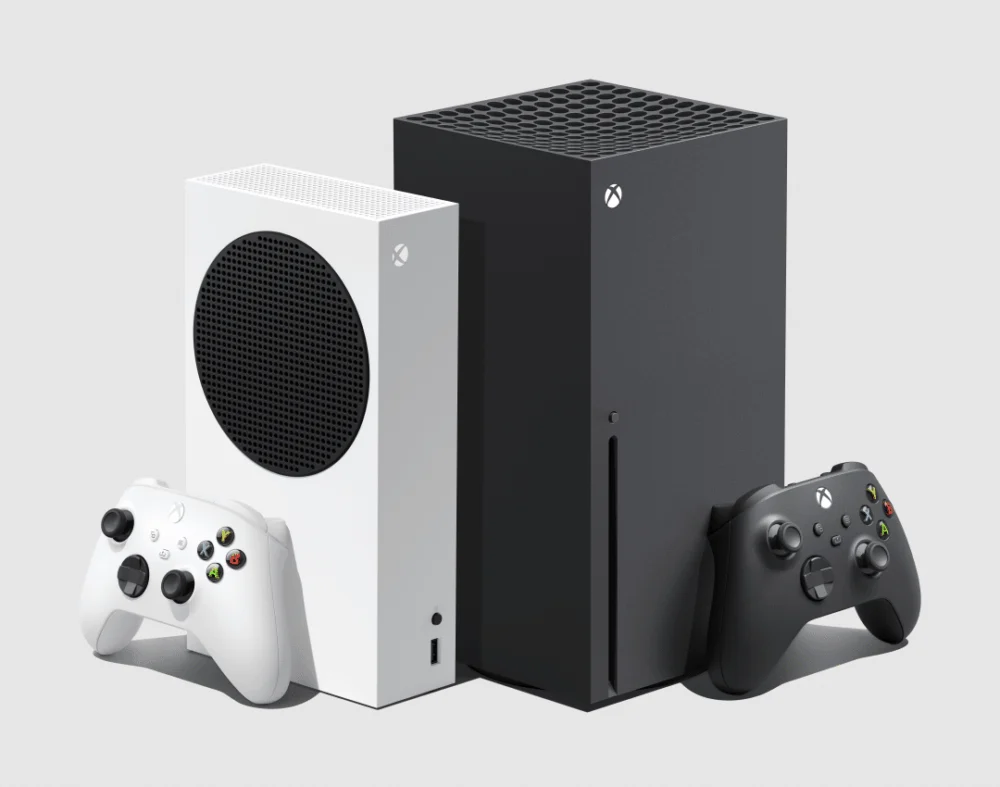
In the wake of significant executive changes within Xbox, Mat Piscatella, a prominent analyst from Circana, has offered a compelling perspective on Microsoft’s strategic standing amidst a burgeoning global shortage of Random Access Memory (RAM) and storage components, colloquially termed the "RAMpocalypse." Piscatella, taking to social media, asserted that "no gaming company is better positioned for RAMageddon than Microsoft," a declaration that has sparked widespread discussion across the gaming and tech industries. This assessment arrives at a turbulent time for Xbox, following the recent departures of high-profile leaders Phil Spencer and Sarah Bond, and amid escalating concerns over component scarcity driven largely by the insatiable demands of artificial intelligence (AI) development.
The Genesis of the "RAMpocalypse": AI’s Insatiable Demand
The term "RAMpocalypse" aptly describes the current global predicament characterized by an unprecedented demand for memory and storage components, far outstripping existing supply capabilities. This crisis is not merely a cyclical market fluctuation but a profound structural shift, primarily fueled by the explosive growth of artificial intelligence. AI models, particularly large language models (LLMs) and complex neural networks, require vast quantities of high-bandwidth memory (HBM) and conventional DDR5 RAM to operate efficiently. Training these models necessitates immense computational power and, consequently, enormous memory arrays to store parameters, activations, and data sets. Major tech giants, including Microsoft, Amazon, Google, and Meta, are investing billions in AI research and infrastructure, leading to a scramble for memory chips.
Semiconductor manufacturers like Samsung, SK Hynix, and Micron, despite significant capital expenditure in expanding fabrication plants (fabs), are struggling to keep pace. The lead times for new fab construction can stretch for several years, and ramping up production of advanced memory nodes requires intricate technological processes and specialized equipment. This supply-demand imbalance has resulted in soaring prices and extended delivery schedules, with industry-wide orders for RAM and storage components reportedly extending through 2026. Every sector reliant on advanced electronics, from smartphones and servers to automotive systems and gaming consoles, faces the ripple effects of this shortage, potentially impacting product availability, pricing, and innovation timelines for years to come.
Microsoft’s Unique Strategic Advantages
Piscatella’s analysis hinges on several pillars underpinning Microsoft’s ostensibly advantageous position during this component crisis. Unlike its primary console competitors, Sony and Nintendo, Microsoft’s gaming strategy is multifaceted and less solely reliant on dedicated hardware sales.
Firstly, Windows remains a colossal gaming platform. PC gaming continues to be a dominant force in the global market, with a vast installed base of hardware that is continuously upgraded by consumers. Microsoft’s operating system provides a universal platform for PC games, benefiting from a diverse ecosystem of hardware manufacturers, allowing for flexible component sourcing and reducing direct exposure to console-specific supply chain vulnerabilities. This broad PC ecosystem acts as a significant buffer, ensuring that Microsoft’s gaming interests are not solely tied to the production cycles and component availability of its own console hardware.
Secondly, Microsoft’s robust investment in cloud gaming, particularly Xbox Cloud Gaming (formerly xCloud), alongside its partnership with Nvidia’s GeForce Now, places it at the forefront of cloud infrastructure development. Cloud gaming negates the need for high-end local hardware, instead streaming games from remote servers. This model effectively shifts the burden of hardware ownership and upgrades from the consumer to the service provider. In an era of component scarcity and escalating hardware costs, cloud gaming presents an increasingly attractive alternative. Microsoft, leveraging its Azure cloud computing infrastructure – one of the largest in the world – possesses the backend capabilities to scale its cloud gaming offerings significantly. This strategic advantage allows Microsoft to continue delivering gaming experiences even if physical console production is hampered, by merely reallocating existing server resources or prioritizing server-grade component procurement, which it already does for its enterprise cloud services.
Thirdly, Microsoft boasts an unparalleled stockpile of intellectual property (IP) and gaming studios. Over the past decade, Microsoft has embarked on an aggressive acquisition spree, culminating in the purchase of ZeniMax Media (Bethesda Softworks) and, most notably, Activision Blizzard King. This has brought iconic franchises like Call of Duty, Warcraft, Elder Scrolls, Fallout, Doom, and Candy Crush under the Xbox umbrella, alongside its established first-party studios like 343 Industries (Halo), Turn 10 Studios (Forza), and Mojang (Minecraft). This extensive portfolio of beloved and high-performing games provides Microsoft with a content moat that is increasingly valuable. In a scenario where hardware becomes scarce or prohibitively expensive, access to an exclusive and diverse library of games through subscription services like Game Pass becomes a primary driver for consumer engagement, regardless of the underlying hardware. This content-first strategy provides a resilient pathway to market, ensuring that even if physical console sales falter, Microsoft can still capture revenue and maintain its audience through digital distribution and subscription models.
Finally, Piscatella highlights the paradoxical benefit to Microsoft if the "AI hardware apocalypse continues." As one of the primary drivers of AI development and infrastructure, Microsoft is a major procurer of advanced memory and processing units for its AI initiatives. This means that Microsoft, as a conglomerate, is essentially creating the very shortage that impacts the gaming industry. However, this also grants Microsoft a unique position within the supply chain. Its vast purchasing power and strategic importance as an AI leader may afford it preferential access to scarce components, potentially allowing it to secure memory for its cloud servers and even its future console iterations more effectively than competitors who lack such broad market influence and diversified business interests.
The Shadow of Uncertainty: Caveats and Challenges
Despite Piscatella’s optimistic assessment, his social media post was tempered with crucial caveats, acknowledging the significant uncertainties and potential pitfalls that could derail Microsoft’s perceived advantage. He noted that "the vibes are certainly not great, to say the least," reflecting the unease stemming from the recent executive shake-up and the broader industry’s apprehension regarding future hardware availability.
One critical variable is the trajectory of AI development itself. Piscatella warns, "And if AI faceplants, and if components return to ‘normal’ it all goes sideways." A significant slowdown or "faceplant" in AI adoption, perhaps due to unforeseen technical hurdles, regulatory backlash, or a failure to deliver on promised economic benefits, could drastically alter the demand landscape for high-end memory. If AI’s voracious appetite for RAM diminishes, and semiconductor production capacity catches up or even overshoots, the component market could stabilize or even face a glut. In such a scenario, the strategic advantages derived from cloud gaming (which benefits from expensive, centralized hardware) and Microsoft’s preferential component access might diminish, shifting the competitive landscape back towards traditional hardware sales where Sony and Nintendo have historically excelled.
Furthermore, Piscatella questioned whether the future "is still what we all think of as Xbox moving forward? Sure doesn’t feel like it." This sentiment reflects a growing perception that Xbox is increasingly pivoting away from a console-centric identity towards a broader, platform-agnostic gaming ecosystem centered around Game Pass and cloud services. While strategically sound in the current climate, this evolution could alienate traditional console enthusiasts who value dedicated hardware and exclusive experiences. Maintaining brand identity and consumer loyalty amidst such a transformative shift presents a significant communication and marketing challenge.
The Competitive Landscape: Sony and Nintendo’s Dilemma
For Sony and Nintendo, the "RAMpocalypse" presents a more direct and potentially tougher path forward, as Piscatella’s analysis implies. Both companies have historically relied heavily on the sales of their dedicated console hardware – the PlayStation and Nintendo Switch, respectively – as a cornerstone of their business models.
Sony’s PlayStation 5, a powerful next-generation console, demands significant quantities of advanced RAM and storage. Rumors of delays to the PlayStation 6 until 2029 underscore the severity of the component shortage and the long-term planning challenges faced by hardware manufacturers. While Sony has its own cloud gaming service (PlayStation Plus Premium, incorporating PlayStation Now), its infrastructure and global reach are not yet on par with Microsoft’s Azure-powered Xbox Cloud Gaming. Moreover, Sony’s IP strategy, while robust, has traditionally focused on platform-exclusive titles that drive console sales. If console availability is constrained or prices escalate dramatically, Sony might struggle to maintain its sales momentum and market share without a more aggressive pivot to a multi-platform or enhanced cloud strategy. Industry analysts suggest that Sony may need to accelerate its efforts in PC porting and cloud infrastructure investment to mitigate future hardware-related risks.
Nintendo, with its unique hybrid console, the Switch, faces different but equally pressing challenges. The Switch, while not as reliant on cutting-edge RAM as the PS5 or Xbox Series X, still requires specific memory components. The company’s business model thrives on hardware innovation (like the Switch’s portability) combined with its iconic first-party IP (Mario, Zelda, Pokémon). A prolonged component shortage could delay the launch of its successor console, potentially extending the Switch’s lifecycle beyond optimal market conditions. Nintendo’s foray into cloud gaming has been limited, primarily used for specific graphically intensive titles like Control and Hitman 3 on Switch. A significant shift towards a cloud-centric model would represent a radical departure from Nintendo’s established strategy and brand identity, which heavily emphasizes tangible, family-friendly hardware experiences. Experts believe Nintendo will likely prioritize securing component supply for its unique hardware proposition, potentially even exploring partnerships to ensure future device availability.
Broader Industry Implications: A Paradigm Shift?
The "RAMpocalypse" and the ensuing strategic maneuvers by major players like Microsoft could accelerate a fundamental paradigm shift in the gaming industry. Console generations, traditionally lasting around seven years, may become less distinct or even be superseded by more fluid, hardware-agnostic gaming ecosystems. The lines between PC, console, and mobile gaming are already blurring, and component scarcity could further hasten this convergence.
The economic model of gaming may also evolve, with a greater emphasis on subscription services and cloud streaming over one-time hardware purchases. Consumers, facing higher prices for electronics and potentially longer waits for new consoles, might find subscription-based cloud gaming an "alluring one," as the article suggests. This could lead to a future where access to a vast library of games through a monthly fee, playable on a variety of devices (smart TVs, phones, low-cost streaming sticks), becomes the dominant mode of consumption.
Furthermore, the crisis highlights the increasing interconnectedness of various tech sectors. The AI boom’s impact on memory supply demonstrates how demand in one industry can create widespread disruptions across others. This necessitates a more holistic understanding of global supply chains and a proactive approach to risk mitigation for companies operating in the electronics sector. The implications extend beyond gaming, affecting consumer electronics, data centers, and even automotive industries, underscoring the criticality of semiconductor manufacturing to the global economy.
Executive Departures: A Coincidental or Strategic Timing?
The timing of Phil Spencer’s announced retirement and Sarah Bond’s departure from Xbox, occurring "only yesterday" relative to Piscatella’s post, adds another layer of intrigue to the unfolding narrative. While specific reasons for their exits were not detailed, their departure during such a pivotal industry juncture could be interpreted in several ways. It might signal a planned leadership transition to steer Xbox through these turbulent waters, potentially bringing in new perspectives better suited to navigating a hardware-constrained, cloud-and-IP-centric future. Alternatively, it could reflect internal disagreements on strategic direction or the immense pressure associated with managing a complex gaming division amid unprecedented supply chain challenges and a rapidly evolving competitive landscape. Regardless of the underlying causes, the change in leadership at Xbox underscores the magnitude of the strategic decisions facing the company as it confronts the "RAMpocalypse" head-on.
Conclusion: A Wild Time Indeed
The confluence of a global RAM shortage, the transformative rise of AI, and significant executive shifts within a major gaming entity like Xbox paints a picture of an industry at a critical inflection point. Mat Piscatella’s analysis, while acknowledging the inherent uncertainties, posits Microsoft as uniquely positioned to weather this storm, primarily due to its diversified platform strategy, robust cloud infrastructure, and extensive IP portfolio. The coming years will undoubtedly test the resilience and adaptability of all players in the gaming sector, potentially reshaping business models, consumer expectations, and the very definition of what it means to be a "gaming company" in a world increasingly constrained by the fundamental building blocks of digital technology. The "RAMpocalypse" is not merely a supply chain issue; it is a catalyst for profound transformation.