


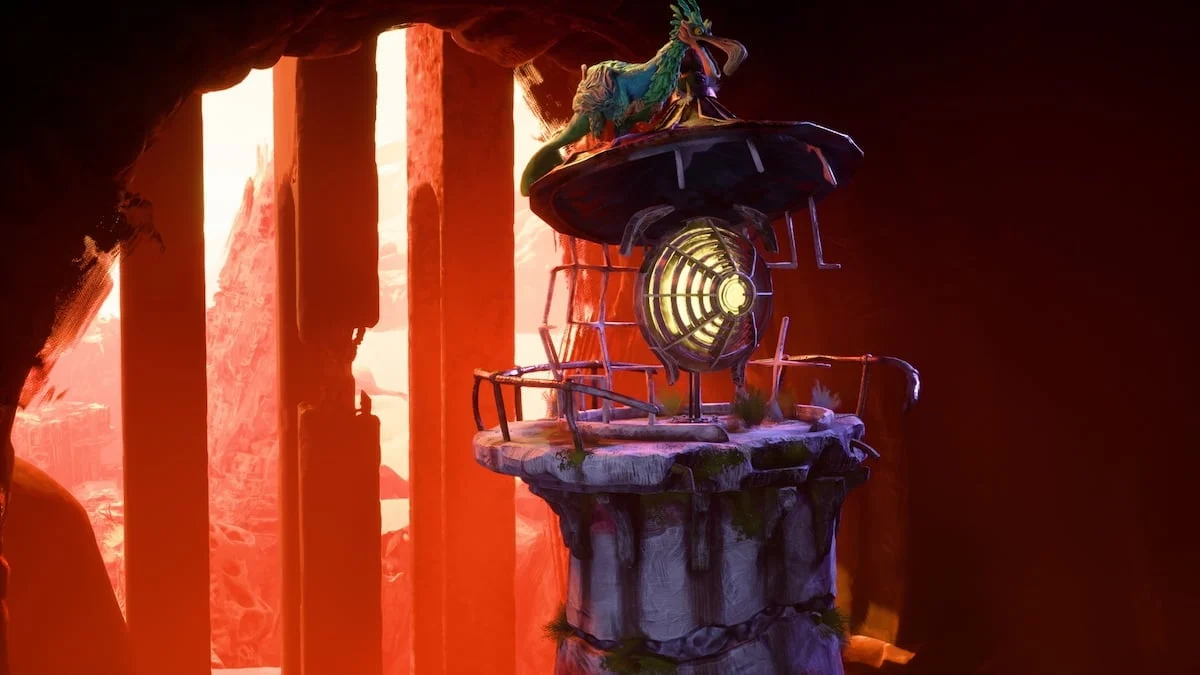
The gaming industry, a dynamic landscape that continually pushes the boundaries of interactive entertainment, showcases a remarkable spectrum of experiences. From the adrenaline-fueled combat of titles like Call of Duty to the narrative-driven, minimally interactive cinematic journeys, games offer a diverse palette for players. Among these, Double Fine Productions’ latest offering, Keeper, developed in conjunction with Lee Petty and published under the Xbox Game Studios banner, emerges as a visually arresting title that prioritizes atmosphere and a unique artistic vision. While Keeper excels in presenting a compelling aesthetic and a novel approach to storytelling through gameplay, it ultimately struggles to differentiate itself within a crowded market of similar experiential games, leaving players with a sense of unfulfilled potential despite its admirable ambitions.
A Lighthouse’s Luminescence in a World in Need
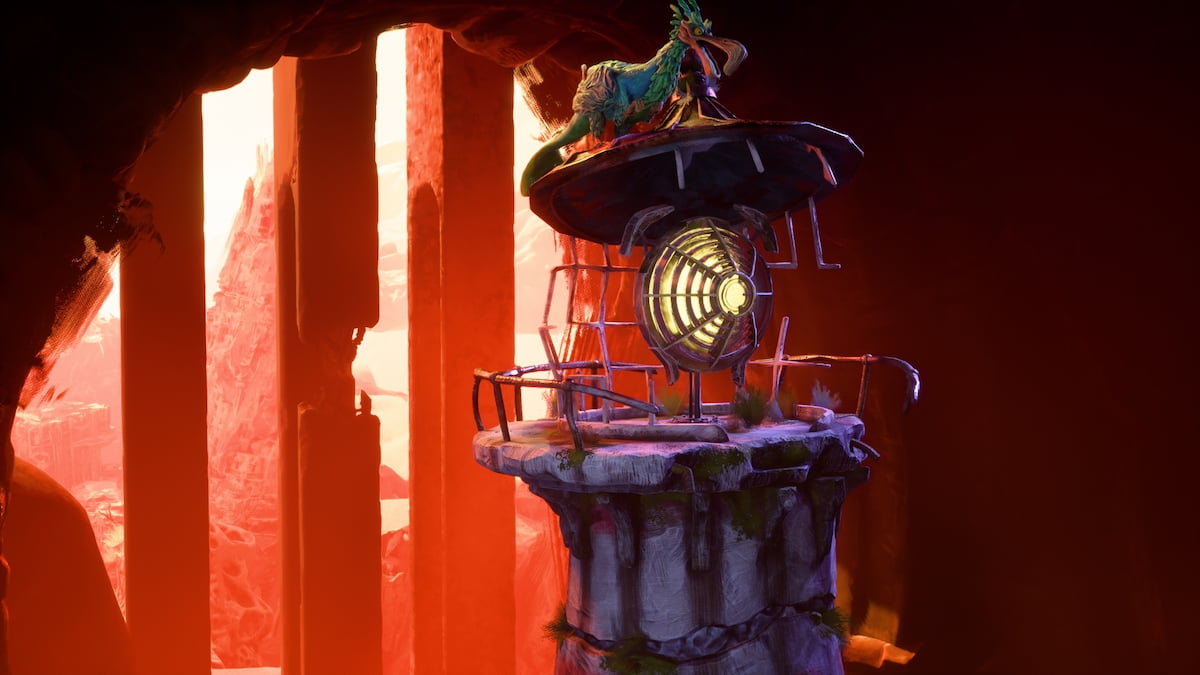
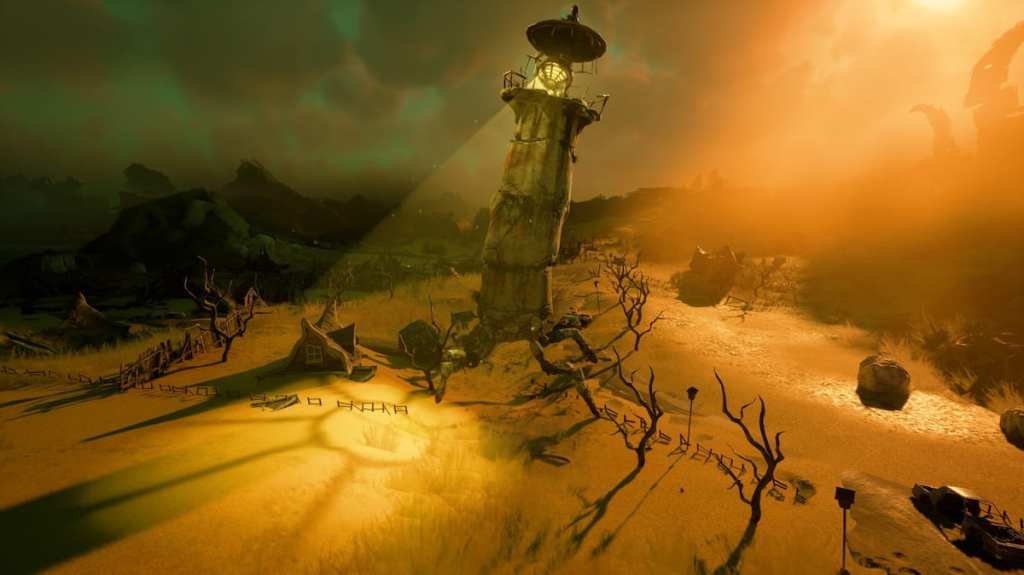
Keeper transports players to a world teetering on the brink of ecological collapse, where an unspoken plague threatens its flora and fauna. The narrative unfolds not through explicit dialogue or extensive exposition, but through the environment, subtle contextual clues, and the actions of its unconventional protagonists: a sentient lighthouse and a loyal sea bird. This minimalist storytelling approach is a core tenet of Keeper‘s design, aiming to foster a sense of discovery and player interpretation. The player directly controls the lighthouse, manipulating its powerful spotlight to illuminate the path forward, interact with the environment, and guide the sea bird, which possesses unique abilities crucial for progression.
The game’s mechanics are deliberately streamlined, focusing on exploration, traversal, and a light touch of puzzle-solving. The controls are intuitive, utilizing the left analog stick for movement, the right analog stick for aiming the spotlight, and the RT button to focus its beam. The sea bird is controlled with the ‘X’ button, and interactions with the world are primarily handled by the ‘A’ button. While these simple inputs contribute to the game’s accessible nature, they also underscore a significant aspect of its design philosophy: a gentle, almost passive, player experience. Button prompts are frequently offered to guide players, though they can be disabled for those seeking a less directed experience. However, even without these prompts, the puzzles presented are often straightforward and require minimal cognitive effort to solve. This design choice, while potentially broadening the game’s appeal to a wider audience, may leave more seasoned players yearning for greater challenge and engagement.
The visual design of Keeper is undeniably its strongest asset. The game presents a surreal and often breathtaking aesthetic, characterized by vibrant colors, imaginative environmental design, and a cast of whimsical, anthropomorphic objects that populate its world. This artistic direction creates an atmosphere akin to a playable art installation, where every scene is meticulously crafted to evoke a sense of wonder and melancholy. The fixed camera angles, while employed to showcase the game’s beauty and artistic intent, occasionally present navigational challenges. These can become particularly cumbersome when players need to precisely aim the lighthouse’s spotlight at specific angles, especially as the camera shifts in response to player movement, creating moments of mild frustration within an otherwise serene experience.
The Journey’s Echoes: A Familiar Path, A Fading Memory
Keeper enters a well-established genre of experiential games that prioritize atmosphere, emotional resonance, and minimalist gameplay over complex mechanics or demanding challenges. Titles such as Abzû, Gris, and Journey have previously explored similar territory, often with profound success in captivating players through their unique artistic visions and poignant narratives. While Keeper shares some common ground with these acclaimed titles, it arguably falls short in delivering a similarly memorable or impactful experience. The game’s relatively short runtime, clocking in at approximately five hours for a standard playthrough, contributes to this feeling of brevity.
Upon reflection, the specific moments that stand out from Keeper‘s narrative are few. The core gameplay loop involves the lighthouse and bird collaborating to overcome obstacles and heal their world. While these endeavors are generally positive in their intent, they often lack a distinct sense of consequence or memorable challenge. A notable exception is a segment involving time travel, where players must navigate between past, present, and future timelines to clear environmental blockades. This particular sequence offers a glimpse of the deeper mechanical and narrative possibilities that Keeper could have explored more extensively.
The developers’ decision to keep the narrative largely unarticulated and the plot points subtle is a deliberate choice, aiming to preserve the sense of discovery for the player. However, this minimalist approach, coupled with the game’s overall simplicity, may result in a lingering feeling of "is that all?" for many players. The lack of significant narrative stakes or intricate puzzle design means that the game’s events, while pleasant, may not resonate deeply or linger in the player’s memory long after completion. This is particularly true in the current gaming landscape of 2025, where players have come to expect a certain level of depth and engagement, even from games that lean towards the more artistic and narrative-focused end of the spectrum.
Market Context and Player Reception
The release of Keeper in 2025 places it within a market increasingly saturated with independent and AAA titles vying for player attention. While Double Fine Productions has a storied history of producing critically acclaimed and innovative games, Keeper‘s reception appears to be mixed. Early player feedback suggests that while the game’s visual artistry and unique premise are appreciated, the lack of substantial challenge and memorable gameplay mechanics are recurring points of critique. The comparison to titles like Abzû and Journey is inevitable, and in this comparison, Keeper is often found to be less compelling.
The pricing of Keeper at $30 also positions it in a competitive bracket. For a game of its length and depth, players might expect a more budget-friendly price point or a more robust gameplay experience to justify the cost. Its inclusion on subscription services like Xbox Game Pass, however, offers a more accessible entry point for players who may be curious about its unique offering without a significant financial commitment. This strategy aligns with broader industry trends, where subscription models are becoming increasingly crucial for game discovery and player engagement.
Implications and Future Considerations
Keeper‘s development and release raise interesting questions about the evolving nature of interactive storytelling and the audience’s appetite for minimalist, art-driven experiences. While the game successfully demonstrates that compelling narratives can be conveyed through environmental storytelling and indirect player agency, it also highlights the delicate balance required to maintain player engagement. The success of games like Journey suggests a strong market for such experiences, but these titles often possess a profound emotional core or innovative mechanics that elevate them beyond simple traversal.
The critical reception of Keeper underscores the need for developers in this space to carefully consider the depth and breadth of their gameplay mechanics, even when prioritizing artistic expression. The inclusion of more complex puzzles, a slightly more involved narrative structure, or even optional challenges could significantly enhance replayability and player satisfaction without compromising the game’s unique artistic vision. Furthermore, in an era of abundant gaming content, clear differentiation and a strong hook are paramount for a title to stand out.
For players seeking a visually beautiful and relatively stress-free interactive experience, Keeper may offer a pleasant diversion. Its relaxed pace and artistic sensibilities can be a welcome respite from more demanding games. However, for those who typically seek deeper engagement, more intricate puzzles, or a more substantial narrative arc, Keeper‘s gentle approach may ultimately leave them wanting more. The game serves as a testament to Double Fine’s continued commitment to artistic exploration within the gaming medium, but its ultimate impact on the player is likely to be as fleeting as the beam of its lighthouse in the vast, dark sea.