



The world of UMIGARI, a recent title from developer Chilla’s Art, challenges the conventional notion of fishing simulators, plunging players into a narrative steeped in cosmic dread and existential turmoil. Far from a cozy pastime, UMIGARI presents a vast, afflicted landscape where a profound curse has warped the fabric of reality, prompting a desperate search for understanding and a radical transformation of the world. This surreal experience, arguably Chilla’s Art most peculiar offering to date, invites players to grapple with themes of suffering, retribution, and the very nature of consciousness.
The Core Narrative: A Quest for Resolution in a Blighted World

At its heart, UMIGARI is a quest to break a pervasive curse. The player’s primary objective is to locate three ancient tablets. These artifacts are crucial for unlocking a sacred shrine, which in turn will reveal the path across a desolate horizon to the domain of an omnipotent whale. This colossal, divine creature is believed to hold the key to ending the curse that has befallen the world. The journey is fraught with peril, as the flooded environment is populated by an ever-increasing array of bizarre and disturbing sea creatures. These entities defy natural order, exhibiting grotesque mutations such as fins resembling human limbs, fish adorned in schoolgirl uniforms, hammerhead sharks with disembodied lips and oversized eyes, and even fish that speak coherently upon being reeled in. The unsettling imagery extends to stingrays bearing human faces, creating a pervasive atmosphere of dread and unease that intensifies with every progression through the game’s narrative.
The human element in UMIGARI is equally unsettling. The remaining human inhabitants exhibit profoundly erratic and violent behavior, including episodes of extreme aggression and, in some instances, cannibalism. This grim depiction elevates the game’s NPC interactions to an unprecedented level of disquiet, making titles like DREDGE and Subnautica, which also explore survival in hostile environments, appear remarkably serene by comparison. UMIGARI‘s narrative firmly establishes its identity as a fishing simulator steeped in a profound sense of the uncanny and the cursed.
Unraveling the Curse: A Metamorphosis of Existence
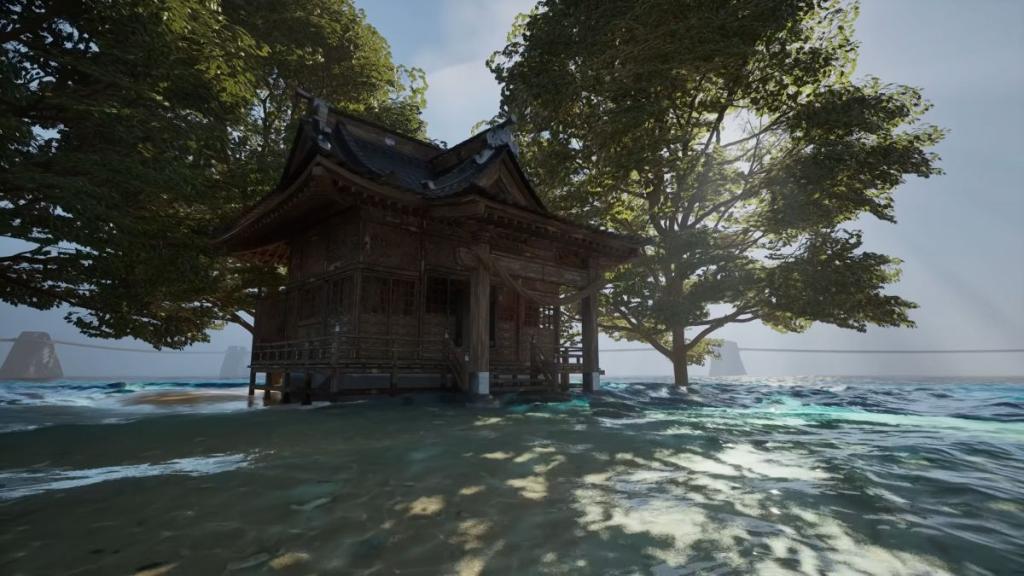
The fundamental nature of the curse in UMIGARI is a radical inversion of the natural order: fish have been transformed into humans, and humans into fish. The fish, now inhabiting human forms, struggle to comprehend or navigate their new existence. They are consumed by an overwhelming hunger and a deep-seated resentment towards humanity, a sentiment born from centuries of being hunted and consumed. This scenario can be interpreted as a powerful social commentary, potentially reflecting on the historical and ongoing fishing practices in Japan or, on a broader scale, the global suffering inflicted upon marine life. UMIGARI‘s surreal gameplay mechanics and its narrative fabric serve as a stark demonstration of the continuous and, arguably, unnecessary exploitation of aquatic creatures.
The primary impetus for fishing within the game is to procure resources for upgrading the player’s boat. The most critical upgrade pertains to speed, which is essential for evading the formidable sea spirit that relentlessly pursues the player between different locations. However, the game’s addictive gameplay loop, coupled with the escalating value of fish as players venture further into the world, subtly shifts the focus towards a cycle of greed and resource depletion, a disturbing echo of real-world overfishing. This mechanic creates a moral quandary, as the player is compelled to hunt and sell creatures that are, in essence, humans. The natural, albeit disturbing, response to this gameplay element is a profound sense of sickness and moral discomfort.
The curse was reportedly initiated by an omnipotent whale, an entity that grew weary of being hunted by humanity. In response, the whale enacted a curse, causing a role reversal between fish and humans. The fish, now in human bodies, adopted humanity’s most destructive traits, leading to violence and cannibalism. This narrative twist prompts a fundamental question: are humans inherently evil? UMIGARI directly confronts this philosophical inquiry, using its unsettling premise to provoke introspection on human nature.

The fish-transformed humans are depicted as irrational, maddened, and incoherent. Yet, their behavior is presented as a dark mirror to humanity’s own flaws. The whale’s decision to curse the land was a direct response to the perceived suffering of its kind. However, the transformed fish seem to have inherited the worst aspects of human behavior, leading to the game’s central existential question regarding the innate morality of humanity.
The Terrors of the Deep: Encountering UMIGARI’s Monsters
The primary antagonist and namesake of the game is the Umiga, a colossal female ocean spirit that lurks in the open waters. This entity is repelled by the sound of bells, necessitating the player’s search for and placement of these items on buoys to create safe passage to new areas. While the in-game explanation for the Umiga’s presence is not fully elaborated, its characteristics bear a striking resemblance to the Umi-bōzu, a Japanese yokai that is said to hunt humans. Alternatively, the Umiga could be a gargantuan manifestation of the Nure-onna, another mythical creature. Its appearance is described as a massive female head that morphs into a gaping maw when it closes in on a pursuing boat, with arms extending from within to drag vessels into the abyss.
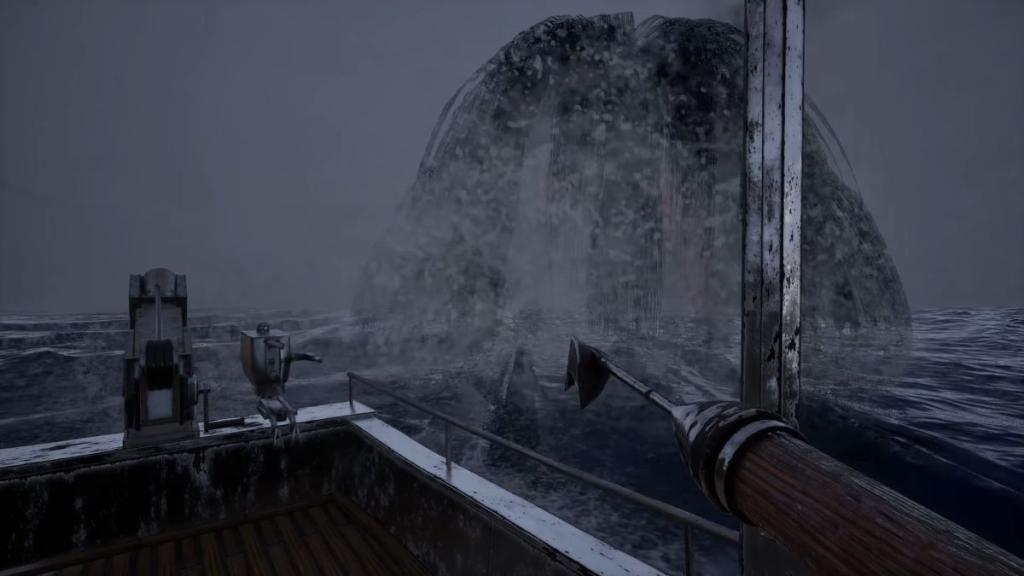
Further complicating the perilous journey is the Umibōzu, a sea giant of immense proportions. This shadowy yokai is known for capsizing boats. It emerges in the latter half of the game, specifically targeting the player when they board a train reminiscent of the one in Spirited Away, located within a structure ominously referred to as the Suspicious Dome.
The game also incorporates other monsters that draw inspiration from Japanese folklore. The Nure-onna, a yokai with the head of a woman and the body of a serpent, must be hunted for a character known as "Local Granny," who resides opposite the Umino Maternity Hospital. The Ningyo, mermaid-like creatures often considered harbingers of misfortune, are also present. Despite their ominous reputation, rumors suggest they can grant immortality. Yuria, a resident of Ominous City, tasks the player with hunting Ningyo to restore her eyesight.
Navigating the Endings: Two Paths to Resolution
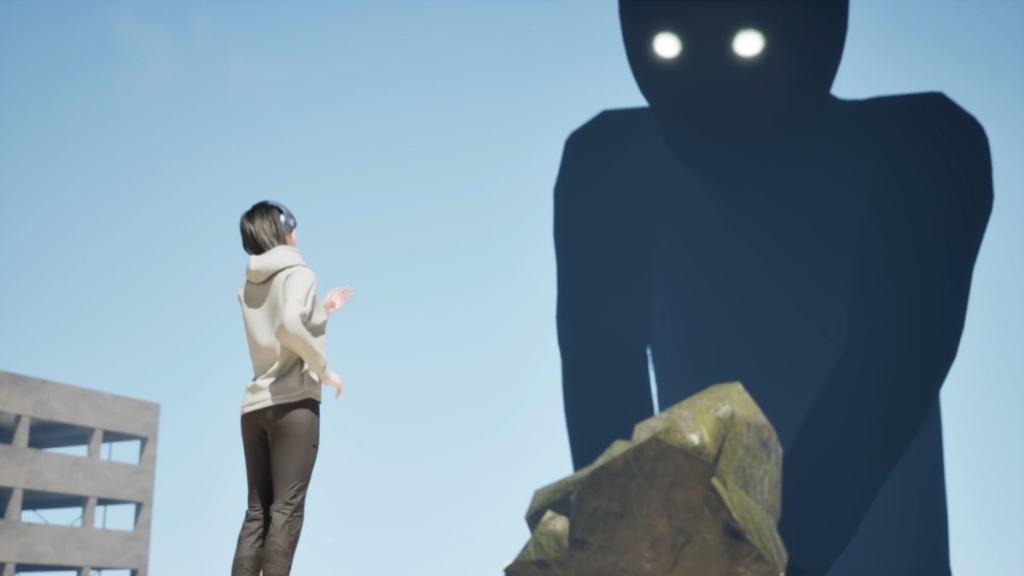
UMIGARI presents players with two distinct endings, each determined by their responses to questions posed by the omnipotent whale. These questions revolve around the player’s experience as a "human hunting fish." The whale’s interlocutor is revealed to be the father of the "Girl in School Uniform," a pivotal character whose plight is the initial catalyst for the player’s journey to the island. The whale seeks to understand: "Were the humans you met evil itself?" The player’s answer dictates whether they perceive their actions as inherently evil, or if they recognize the parallel between their behavior and that of the fish-turned-humans, leading to different narrative conclusions.
The fish-turned-humans, much like their human predecessors, have developed complex motivations and desires. The Merchant, for instance, expresses a reluctance to return to their former existence, believing there is still more to accomplish in their current form. Conversely, the Girl yearns for a return to the past, acknowledging that the protagonist’s actions, despite the curse, have still resulted in suffering. The initial animosity towards humanity has seemingly subsided, not out of forgiveness, but perhaps due to the realization that continued hatred yielded no positive outcomes.
Ending A: The Cynical Eradication
If the player answers affirmatively to the omnipotent whale, acknowledging that "humans," including themselves, were inherently evil, the curse is lifted. The concluding cinematic depicts the ocean flooded with drowned corpses, signifying the swift and complete eradication of humanity. This ending suggests a grim outlook: even if another species were to supersede humanity, they too would inevitably succumb to their own greed, base desires, and violent tendencies. In this interpretation, if humanity’s evil is an immutable trait, then genuine change is impossible, and the only recourse is the complete removal of the species to prevent further suffering. This presents a deeply cynical conclusion to UMIGARI, prompting players to question the ultimate purpose of their actions. However, this very questioning is central to the game’s intended impact.

Ending B: A Transformative Coexistence
The alternative ending is achieved by answering negatively to all of the omnipotent whale’s questions. In this scenario, the player suggests that fish and humans can achieve coexistence by bestowing upon all aquatic creatures "the power to think." While the curse persists – fish remain humans, and humans remain fish – the world is irrevocably transformed. The final cutscene illustrates an end to suffering, depicting fish-humans integrated into society, holding jobs, forming communities, and attending school. They engage in bartering systems and raise families, while humanity continues to exist in the aquatic realm, experiencing a profound sense of freedom. This ending offers humanity a chance to "be good" and discover a new meaning of existence. The world depicted is one of peace and harmony, a wildly imaginative and fitting conclusion for what is arguably Chilla’s Art’s most surreal and thought-provoking title to date.
UMIGARI‘s exploration of its themes is not merely confined to its narrative; it is woven into the very fabric of its gameplay, forcing players to confront uncomfortable truths about exploitation, consciousness, and the cyclical nature of violence. The game stands as a testament to the power of interactive media to provoke profound philosophical inquiry through unconventional and often unsettling means.