


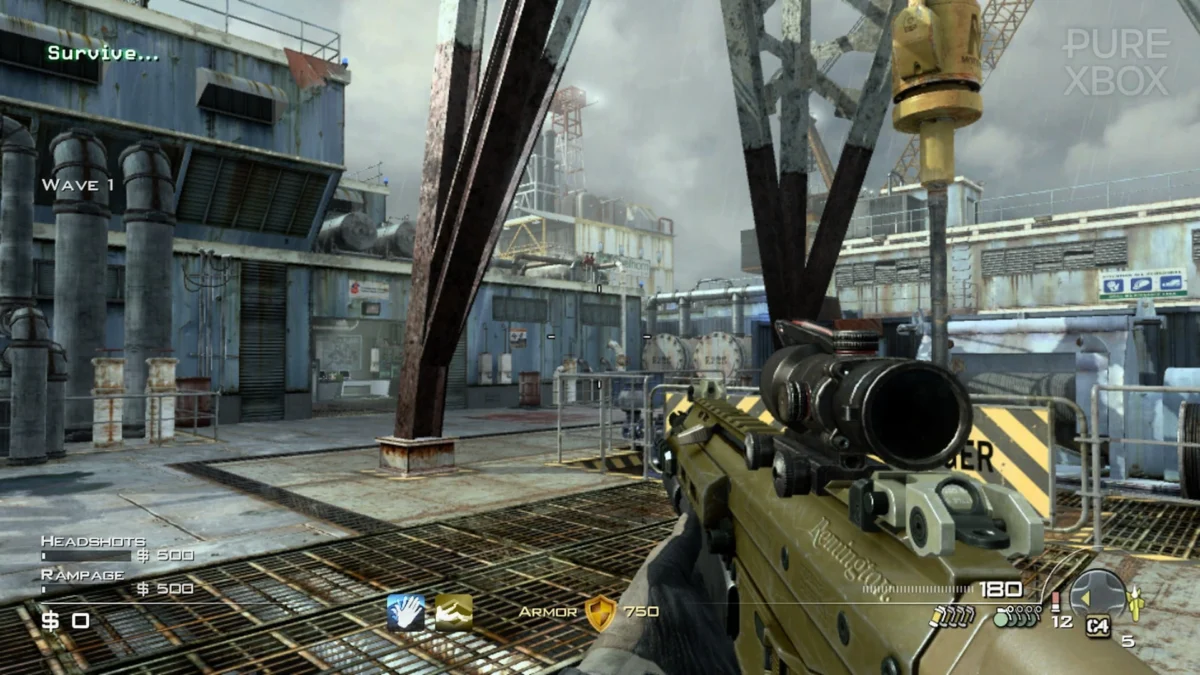
The intersection of legacy software preservation and modern hardware capabilities has reached a significant milestone as players increasingly return to seventh-generation titles to escape the complexities and technical instabilities of contemporary live-service environments. Recent user reports and gameplay analysis highlight a resurgence of interest in the 2011 blockbuster Call of Duty: Modern Warfare 3, specifically focusing on its often-overlooked "Survival" mode. While the title is primarily remembered for its record-breaking commercial launch and the conclusion of the original Modern Warfare trilogy, its robust offline capabilities have positioned it as a premier example of the enduring value of the Xbox backwards compatibility program. On modern Xbox consoles, including the Series X and Series S, this 15-year-old game remains fully functional, offering a stable alternative to its increasingly compromised online multiplayer component.
The Architecture of Survival Mode: A PvE Foundation
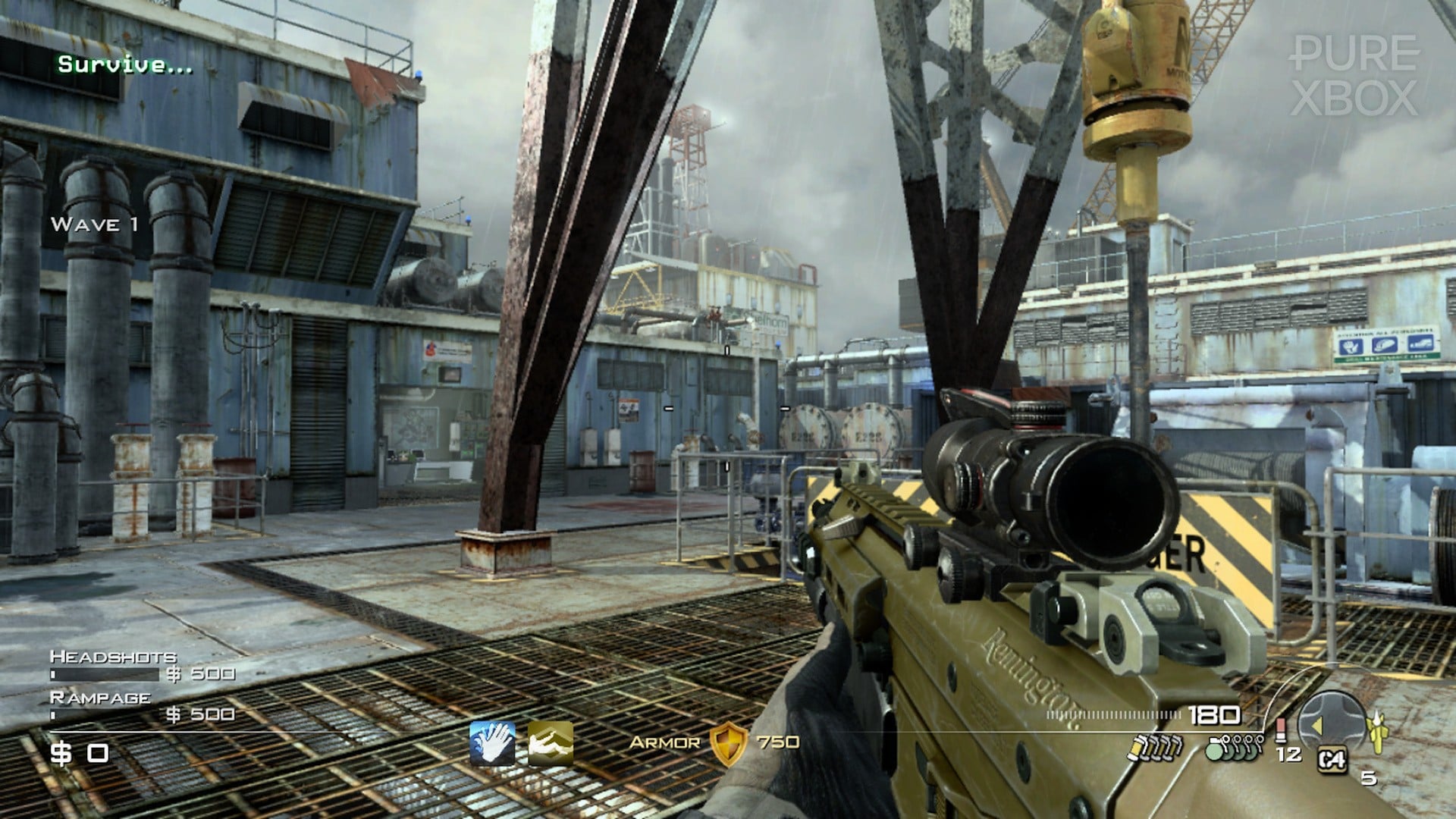
Modern Warfare 3’s Survival mode is a wave-based, player-versus-environment (PvE) experience housed within the Special Ops (Spec Ops) menu. Unlike the popular Zombies mode found in the Black Ops sub-series developed by Treyarch, Survival was a collaborative effort between Infinity Ward and Sledgehammer Games. It utilizes the game’s existing multiplayer map rotation, tasking players with fending off increasingly difficult waves of AI-controlled enemies, ranging from standard infantry and suicide bombers to chemical warfare units and armored Juggernauts supported by attack helicopters.
The mechanics of Survival mode served as a precursor to many systems later found in the battle royale hit Call of Duty: Warzone. Players earn in-game currency by securing kills and completing waves, which can then be spent at three distinct "Armory" stations:
- Weapon Armory: Allows for the purchase of firearms, attachments, and ammunition refills.
- Equipment Armory: Provides access to explosives, body armor, self-revive kits, and tactical grenades.
- Air Support Armory: Enables the deployment of Predator missiles, airstrikes, and AI-controlled Delta Force or Riot Shield squads.
The mode’s progression system is tied to a dedicated rank, separate from the online multiplayer level. As players ascend through these ranks, they unlock higher-tier weaponry and more potent support options. This progression-based gameplay loop, combined with the ability to play entirely offline or via local split-screen co-op, offers a level of permanence and accessibility that modern, server-dependent titles often lack.
The Decline of Legacy Multiplayer and the Shift to Offline Content
The renewed focus on Survival mode is driven in large part by the deteriorating state of the original Modern Warfare 3 online multiplayer servers. As of 2024 and 2025, the peer-to-peer (P2P) architecture of Xbox 360-era Call of Duty games has become a significant liability. Security researchers and community members have frequently reported that these older lobbies are often populated by malicious actors utilizing "mod menus" to disrupt gameplay, reset player statistics, or, in more severe cases, exploit network vulnerabilities.
Furthermore, the matchmaking population for specific game modes has dwindled, making it difficult to find legitimate matches outside of standard Team Deathmatch. In this landscape, the "Survival" mode represents a safe haven. Because it can be played solo or locally without a connection to Activision’s matchmaking servers, it remains immune to the security risks and latency issues that plague the competitive side of the game. This utility is a primary factor in the mode’s "rediscovery" by the Xbox community, as players seek the nostalgic "gunfeel" of the 2011 engine without the frustrations of modern server instability.
Chronology of Modern Warfare 3 and the Backwards Compatibility Initiative
To understand the current significance of this mode, one must examine the timeline of the game’s release and its subsequent integration into the modern Xbox ecosystem:
- November 2011: Call of Duty: Modern Warfare 3 launches to unprecedented success, selling 6.5 million copies in the US and UK alone within its first 24 hours.
- 2012: A robust DLC season introduces "Collection" packs, adding new multiplayer maps that were also integrated into the Survival mode rotation.
- May 2018: Microsoft officially adds Modern Warfare 3 to the Xbox One Backwards Compatibility list. This allowed the game to run on Xbox One, Xbox One S, and Xbox One X with improved frame rate stability.
- November 2020: The launch of the Xbox Series X/S further enhances the experience. Through the "Heutchy Method" and Auto HDR, the game benefits from improved image quality and more vibrant lighting, despite no native remaster being released.
- July 2023: Microsoft and Activision Blizzard resolve server-side matchmaking issues for legacy Call of Duty titles, leading to a temporary surge in player counts, though the underlying security issues of the P2P system remain.
The seamless transition of digital licenses has also played a crucial role. Users who purchased DLC packs in 2012 find that these assets are immediately available for download on modern hardware. This preservation of digital purchases ensures that the expanded Survival mode experience—featuring maps like Piazza, Overwatch, and Liberation—remains accessible over a decade later.
Technical Analysis of Legacy Play on Modern Hardware
Running Modern Warfare 3 on an Xbox Series X provides several technical advantages over the original 2011 hardware. The original Xbox 360 version targeted 60 frames per second but often saw dips during intense Survival mode waves involving multiple explosions and AI entities. The modern hardware effectively locks the frame rate, providing a fluid experience that matches contemporary standards.

Additionally, the Xbox Series X’s internal Solid State Drive (SSD) significantly reduces loading times. Transitioning from the main menu into a high-intensity Survival match on a map like "Dome" or "Hardhat" is nearly instantaneous. For the consumer, this represents a significant value proposition: the ability to play a "triple-A" title with modern performance metrics without the need for a modern "remaster" price tag.
Broader Implications for Game Preservation
The rediscovery of Survival mode highlights a broader industry conversation regarding game preservation. As the industry moves toward "Always Online" requirements and digital-only releases, the ability of a 2011 disc or digital license to function flawlessly in 2026 is becoming a rarity.
Microsoft’s commitment to the backwards compatibility program, which ceased adding new titles in late 2021 to focus on legal and technical constraints, has nonetheless created a library of thousands of titles that act as a living museum. For the Call of Duty franchise, which has faced criticism for its massive file sizes and aggressive monetization in recent entries (such as the 2023 Modern Warfare III reboot), the 2011 original serves as a reminder of a more self-contained era of game design.
Industry analysts suggest that the popularity of these legacy modes may influence future development cycles. "There is a clear demand for high-quality, offline-capable PvE content," says market strategist Elena Rodriguez. "While the industry is focused on the ‘Live Service’ model, the fact that players are returning to a 15-year-old game for its Survival mode suggests that there is a gap in the market for localized, low-friction gameplay experiences."
The Enduring Appeal of the "Golden Era"
The "Golden Era" of Call of Duty—generally defined as the period between 2007’s Modern Warfare and 2012’s Black Ops II—is characterized by a specific design philosophy that prioritized immediate accessibility and variety. Modern Warfare 3’s Survival mode is a quintessential product of this era. It does not require a battle pass, does not feature microtransactions, and does not require a persistent internet connection for its core loop.
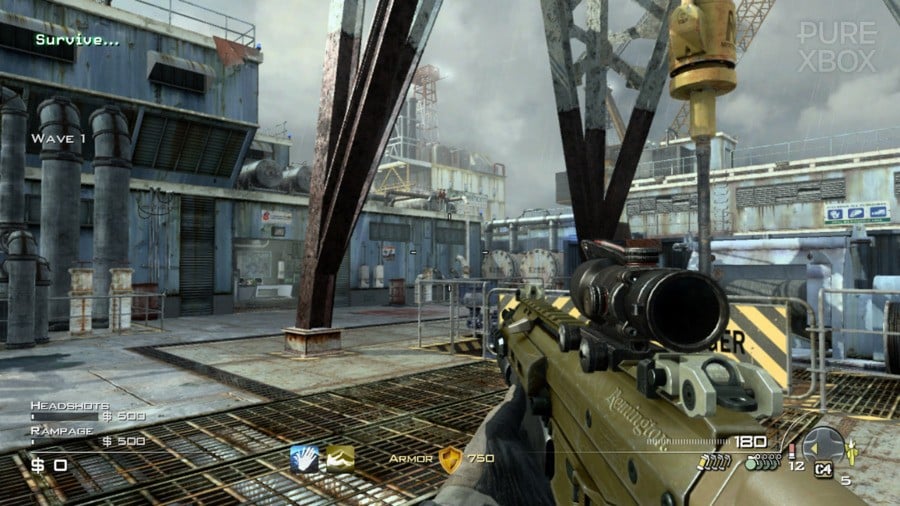
For the modern Xbox user, the ability to revisit this forgotten horde mode is more than a nostalgia trip; it is a practical exercise in utilizing the full power of their hardware. As online environments become increasingly curated and, in some cases, restricted, the autonomy provided by offline-capable legacy titles remains a vital component of the gaming ecosystem. The Xbox backwards compatibility program has not only preserved the software but has also preserved the specific type of gaming experience that many feel has been lost in the transition to the modern era.
In conclusion, the resurgence of Modern Warfare 3 Survival mode underscores the importance of hardware manufacturers respecting the digital and physical libraries of their consumers. As long as modern consoles continue to support these legacy frameworks, "forgotten" modes will continue to find new life, providing value long after their initial commercial peak has passed.