


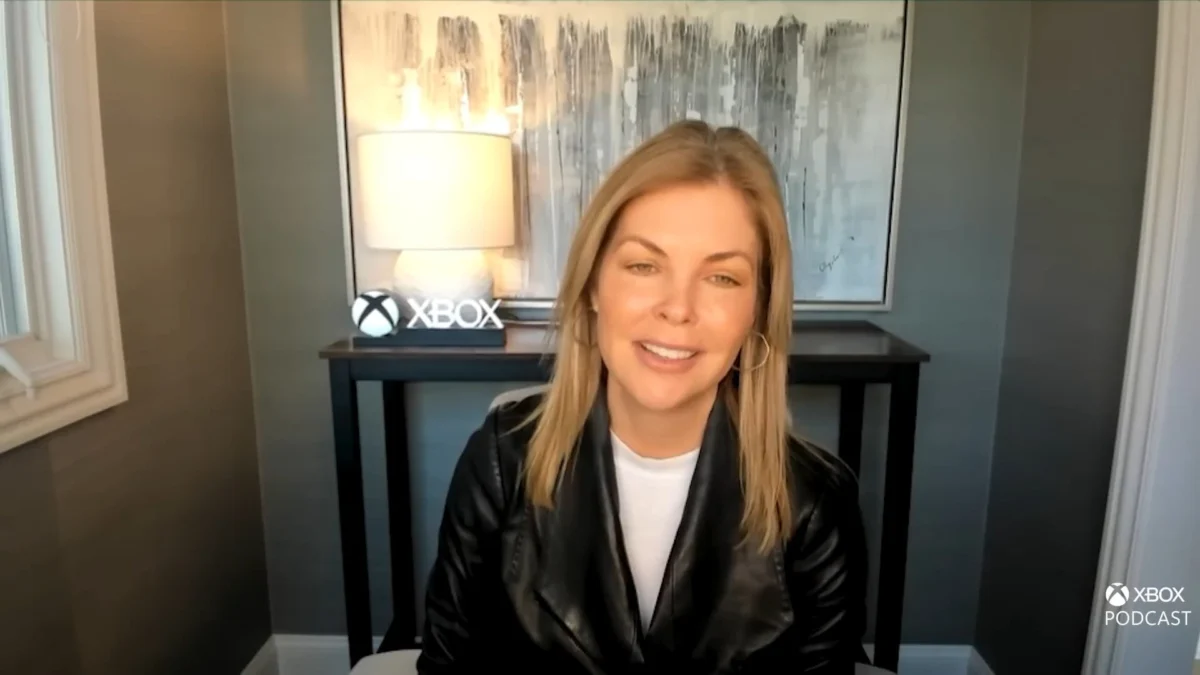
Microsoft’s Xbox division is undergoing a notable leadership transition with the confirmed departures of two long-serving executives, Lori Wright and Haiyan Zhang. Both individuals, who have each contributed approximately a decade to the company’s gaming initiatives, announced their decisions this week, signaling new chapters in their professional journeys. While the announcements were characterized by expressions of gratitude and enthusiasm for future opportunities, their exits represent a significant shift in the strategic leadership overseeing key aspects of Xbox’s partnerships, business development, marketing, and the burgeoning field of gaming AI.
Contextualizing Executive Departures in the Dynamic Tech Landscape
Executive movements are a common occurrence within the fast-paced technology and entertainment sectors, often reflecting evolving corporate strategies, personal career aspirations, or the pursuit of fresh challenges. The departures of Wright and Zhang appear to fall squarely into the latter categories, with both executives articulating a desire for new ventures rather than indicating any internal discord or strategic disagreements. This cordial nature of their transitions underscores a professional environment where career progression and diversification are openly supported, even when it means moving to new organizations. For Microsoft, managing such transitions effectively is crucial for maintaining continuity and momentum in its highly competitive gaming segment, especially following its landmark acquisition of Activision Blizzard and its continued aggressive push into cloud gaming and subscription services like Xbox Game Pass.
Profiling Lori Wright: A Decade of Driving Partnerships and Market Growth
Lori Wright, who held the pivotal role of Corporate Vice President of Partnerships, Business Development & Marketing at Xbox, was instrumental in shaping the division’s external relationships and market footprint. Her extensive portfolio encompassed a broad range of responsibilities critical to the Xbox ecosystem’s expansion: overseeing publishing and platform partnerships, negotiating content licensing agreements, developing and nurturing developer programs, and spearheading market expansion initiatives globally. Wright’s tenure coincided with a period of transformative growth for Xbox, including the launch of new console generations (Xbox One, Xbox Series X|S), the aggressive expansion of Xbox Game Pass, and significant investments in first-party content studios. Her work was foundational in ensuring a robust pipeline of games and services, fostering strong relationships with third-party developers and publishers, and strategically positioning Xbox in diverse international markets.
Two days prior to the public announcement, Wright took to LinkedIn to express her sentiments, sharing "overwhelming gratitude" for her extensive experience at Microsoft. While she did not explicitly detail her next professional undertaking, her message conveyed a sense of fulfillment and appreciation for the opportunities afforded to her during her time with the company. The role of a Corporate Vice President in her specific areas demands a unique blend of strategic foresight, negotiation prowess, and an acute understanding of market dynamics. Wright’s contributions undoubtedly played a significant role in solidifying Xbox’s position as a preferred platform for many developers and a strong contender in the global console market. Her departure leaves a critical void in areas vital for Xbox’s continued content acquisition, developer relations, and overall market presence.
Haiyan Zhang: Pioneering AI in Gaming and Embracing New Adventures at Netflix
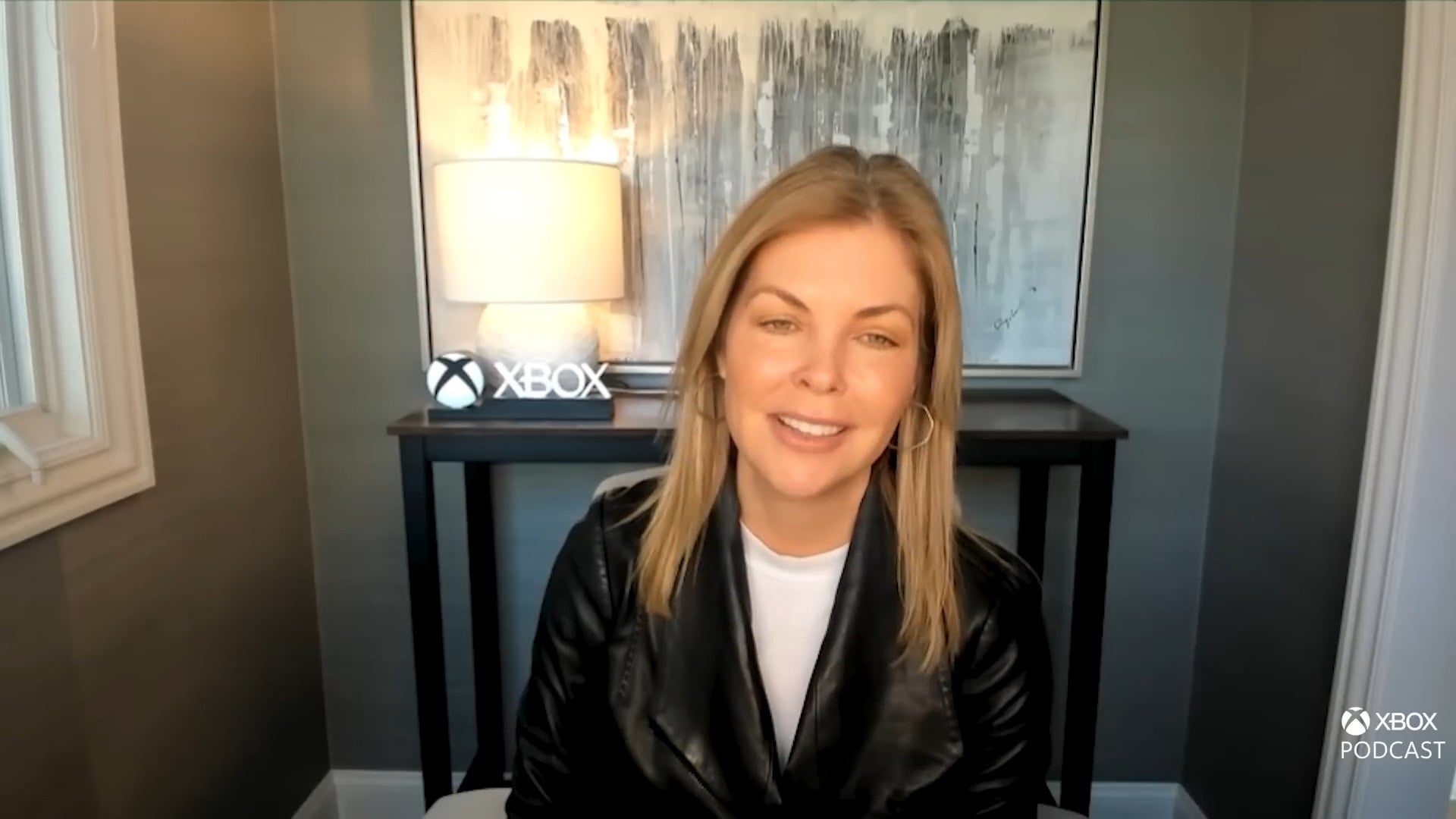
Haiyan Zhang’s journey at Microsoft Gaming / Xbox was equally impactful, marked by a trajectory that saw her evolve from an Innovation Director to a key leader in the emerging field of gaming AI. Joining Xbox Studios as an Innovation Director in 2013, Zhang was at the forefront of exploring novel technologies and user experiences. Her career progression included serving as Chief of Staff, a role that typically involves close collaboration with senior leadership on strategic planning and operational oversight, before ascending to General Manager & Partner of Gaming AI. In this cutting-edge position, Zhang was responsible for integrating artificial intelligence into various facets of gaming, from enhancing player experiences and game development processes to exploring new interactive paradigms. Her work in AI aligns perfectly with Microsoft’s broader corporate strategy, which has seen massive investments in AI research and development, including its partnership with OpenAI.
Zhang articulated her departure as "the hardest decision of my life" in a heartfelt social media post, yet simultaneously conveyed an unwavering enthusiasm for new pursuits, stating, "I’ve always said I want to go on many adventures." Her statement further elaborated on her deep connection to Microsoft’s culture: "At Microsoft, I felt I had truly found my people: a place where I could belong. I hope I carry forward some small piece of the culture we built together: one of curiosity, acceptance, and inclusion." This reflection highlights the personal investment executives often make in shaping corporate culture and community. Zhang’s "next step" is set to be at Netflix, where she will join the gaming team, a move that is particularly significant given Netflix’s aggressive push into the interactive entertainment space. Furthermore, Zhang will continue her passion for advancing AI for social impact through her nonprofit, Thriven Foundation, underscoring her commitment beyond corporate ventures.
Industry Reactions and the Broader Implications
The announcements of Wright’s and Zhang’s departures, while delivered with mutual respect and well-wishes, resonate through the gaming industry as significant leadership changes at one of its titans. While Microsoft has not issued a formal public statement beyond internal acknowledgments, the positive tone of the executives’ own announcements suggests a smooth and amicable transition, indicative of a company that values its departing talent. Such high-profile exits often trigger internal restructuring and strategic re-evaluations, as companies seek to fill critical roles and ensure continuity in their strategic objectives.
For Xbox, the immediate implication is the need to identify and onboard new leadership capable of sustaining the momentum in partnerships, business development, marketing, and the crucial area of gaming AI. Given the increasingly competitive landscape, with Sony’s PlayStation and emerging platforms from companies like Amazon and Google, maintaining strong external relations and internal innovation is paramount. The expertise of executives like Wright, who navigated complex content deals and market expansions, and Zhang, who pioneered AI integration, is not easily replaced. Microsoft will likely conduct thorough searches to ensure their successors possess the vision and experience required to continue Xbox’s strategic trajectory.
Netflix’s Strategic Gain: Bolstering Gaming Ambitions
Haiyan Zhang’s move to Netflix’s gaming team is particularly noteworthy, providing a significant boost to the streaming giant’s nascent, yet ambitious, foray into the video game market. Netflix officially launched its gaming service in November 2021, offering a selection of mobile games free with a subscription, aiming to diversify its entertainment offerings and increase subscriber engagement. Despite a slow start in terms of player adoption, Netflix has signaled its long-term commitment to gaming, investing in internal game development studios and acquiring established game developers like Night School Studio and Next Games.

Zhang’s expertise in gaming AI and strategic leadership could be transformative for Netflix. Her background in driving innovation at Xbox suggests she could play a crucial role in developing more sophisticated, AI-driven gaming experiences, potentially integrating AI into narrative design, procedural content generation, or personalized player interactions. This aligns with Netflix’s data-driven approach to content creation and recommendation. Moreover, her experience as Chief of Staff at Xbox indicates a capacity for high-level strategic planning, which will be invaluable as Netflix navigates the complex and competitive gaming industry. Her appointment underscores Netflix’s intent to move beyond simple mobile games and potentially explore more ambitious, perhaps even cloud-based or console-quality, gaming ventures that leverage AI for deeper immersion and engagement. The streaming giant faces the challenge of converting its vast subscriber base into active gamers and carving out a unique niche in a market dominated by established players; Zhang’s strategic insight could be a key factor in this endeavor.
The Future of AI in Gaming and Microsoft’s Path Forward
Zhang’s previous role as General Manager & Partner of Gaming AI highlights the increasing importance of artificial intelligence in the video game industry. AI is no longer just for non-player characters; it’s being used in game design, analytics, personalization, content creation, and even for improving accessibility. Microsoft, a global leader in AI research and application, will undoubtedly continue to prioritize AI integration across its gaming platforms and services. The departure of a key figure like Zhang may necessitate a re-evaluation of leadership within this specific domain, but the strategic direction towards leveraging AI for enhanced gaming experiences is firmly established within the company’s broader vision.
For Xbox, the road ahead involves continuing its aggressive Game Pass expansion, strengthening its first-party studio output (especially after the Activision Blizzard integration), and innovating in cloud gaming. The roles previously held by Wright and Zhang are integral to these efforts. The ability to forge strong partnerships (Wright) and to innovate through technology like AI (Zhang) are not merely functional requirements but strategic imperatives for a company aiming to maintain its competitive edge in a rapidly evolving market.
In conclusion, the departures of Lori Wright and Haiyan Zhang from Microsoft’s Xbox division mark the end of significant chapters for two highly respected executives. Their collective decade-plus of service profoundly impacted Xbox’s growth, strategic partnerships, and technological innovation. While their absence creates leadership vacancies, it also provides opportunities for new talent to step in and build upon their legacies. As Wright embarks on new, yet-to-be-announced opportunities, and Zhang transitions to Netflix’s gaming team, both executives leave Microsoft on amicable terms, carrying forward a wealth of experience to their next professional adventures, while Xbox continues its ambitious journey in the ever-evolving world of interactive entertainment.