


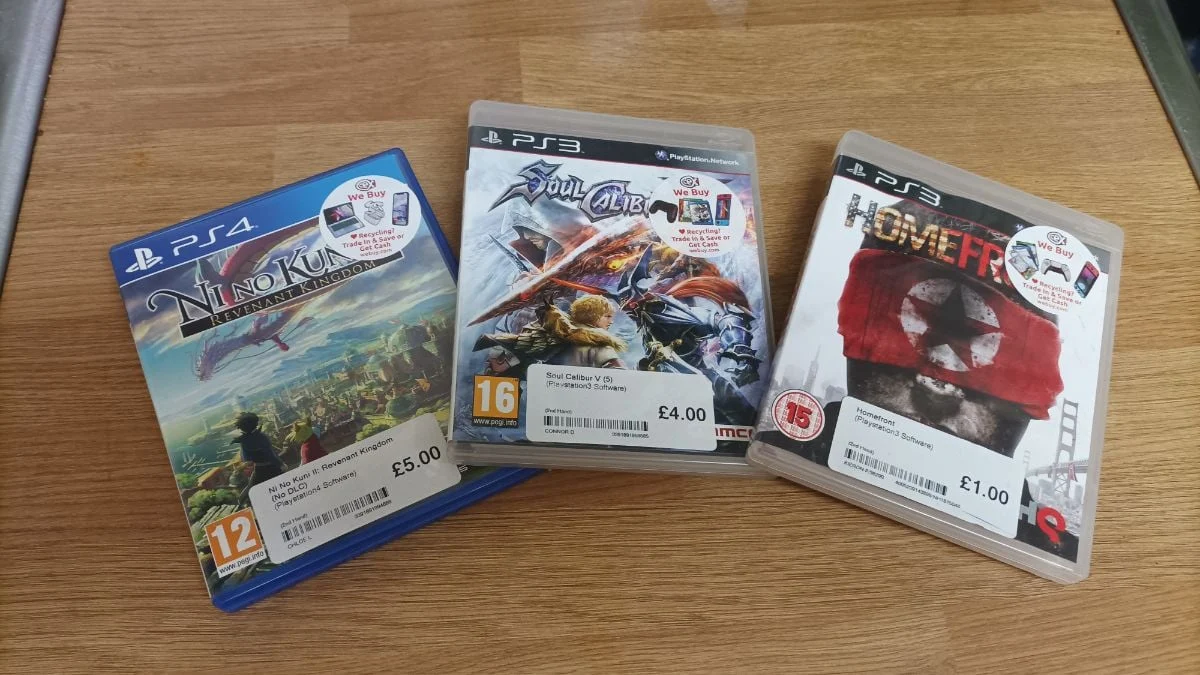
The weekend rush at a Milton Keynes CeX store offers a stark contrast to the often-quiet aisles of GameStop in North America, a difference that may hold the key to GameStop’s ambitious pivot towards a retro gaming focus. While CeX thrives on a bustling trade-in culture and a diverse inventory of used games, consoles, movies, and technology, GameStop has faced significant challenges in recent years, leading to its recent announcement of transforming select stores into retro-focused hubs. This strategic shift, unveiled on August 28th, aims to tap into a potentially lucrative market for vintage gaming, drawing parallels with the successful model cultivated by the UK-based retailer, CeX.
The CeX Phenomenon: A Thriving Ecosystem of Used Goods
CeX, a prominent electronics and entertainment retailer with a significant presence across the United Kingdom and other international markets, has established itself as a cornerstone of the pre-owned market. Its business model is built on a simple yet effective premise: buying, selling, and exchanging a wide array of used items, including video games, mobile phones, laptops, tablets, and DVDs. The success of CeX is deeply rooted in its ability to foster a vibrant community around the concept of secondhand goods.
In cities like Milton Keynes and London, CeX stores often exhibit queues extending beyond their entrances, particularly during peak hours. This consistent foot traffic underscores a strong consumer demand for the products and services CeX offers. Shoppers are seen actively searching for titles across various console generations, from the PlayStation 2 and Xbox 360 era to the current PlayStation 4 and PlayStation 5. This broad appeal extends to a diverse customer base, including dedicated retro enthusiasts, budget-conscious gamers, and individuals looking to offload unwanted electronics.
The author’s personal experience living in both Canada and the UK highlights this disparity. "Shopping for games is quite different in the latter," they note, referring to the UK. "CeX is everywhere in my home country and lets you buy retro games as well as the latest and greatest. It sells used games, in addition to movies and tech like phones and Bluetooth headsets." This pervasive availability and the integrated nature of CeX’s offerings create an accessible and appealing retail experience that has been largely absent in North America.
Furthermore, CeX has cultivated a dedicated online following. YouTube channels like "Retro Ghetto" and "TVM" regularly feature content centered around CeX store visits, showcasing hauls of retro games and rare finds. These content creators contribute to the "rush" of discovering hidden gems, transforming simple shopping trips into engaging digital narratives. The store’s transparency regarding stock and trade-in values on its website, which allows customers to check inventory at specific locations and receive immediate quotes for their items, further enhances customer confidence and convenience. This level of digital integration and customer service is a key differentiator that GameStop may seek to emulate.
GameStop’s North American Struggles and the Retro Gambit
In stark contrast, GameStop’s North American stores have often been characterized by a lack of customer traffic, with aisles predominantly stocked with Funko Pop! figures and a limited selection of new game releases. The company has grappled with declining physical game sales, the rise of digital distribution, and a perceived disconnect with a younger generation of gamers. This challenging retail environment has led to store closures and a strategic re-evaluation of its business model.
The announcement on August 28th that GameStop would begin converting some of its stores into a "retro model" signals a significant departure from its traditional focus. This initiative, reportedly implemented with limited preparation time for store employees according to a video by Spawn Wave, aims to capitalize on the growing interest in vintage video games. The viability of this strategy hinges on GameStop’s ability to replicate the success factors that have propelled CeX.
The author’s observations in North America paint a picture of scarcity when it comes to readily accessible retro gaming options. "In the United States and Canada, finding retro games is far less convenient," they state. "While some cities have independent game stores in their community, most don’t. North Americans have to rely on the steep prices on eBay and Amazon unless they get lucky at a thrift store. On top of that, they may have to pay steep shipping prices." This reliance on online marketplaces often results in inflated prices and a lack of a tangible, in-person browsing experience, a void that GameStop Retro aims to fill.
The author’s personal struggle to build a retro game collection in Canada due to prohibitive reseller prices further underscores the need for an alternative. "I barely bothered to build a retro game collection because I could never afford the prices that resellers wanted for their catalog," they recall. The hope is that GameStop Retro can alleviate these frustrations by offering a more accessible and affordable avenue for acquiring older titles, mirroring the value proposition of CeX.
Analyzing the Potential of GameStop Retro
The success of GameStop Retro will likely depend on several key factors, drawing lessons from CeX’s established playbook:
- Competitive Pricing and Trade-In Value: A crucial element for GameStop Retro will be its ability to offer competitive prices on retro games and provide fair trade-in values for customer collections. Spawn Wave, in his assessment, noted that prices at a GameStop Retro location were "not terrible," with some being better than what is often found on eBay or at conventions. This suggests a potential advantage over existing online resellers, but consistency and broader market appeal will be vital.
- Inventory Management and Transparency: CeX’s stellar website, which displays store stock and trade-in credit information, sets a high bar for transparency. GameStop Retro could significantly enhance customer experience by adopting a similar approach, allowing customers to research availability and value before visiting a store. The current "mystery" surrounding GameStop inventory, as described by the author, is a significant drawback that needs addressing.
- Community Building and Engagement: CeX’s success is not solely transactional; it has fostered a community. GameStop Retro could benefit from actively engaging with retro gaming enthusiasts, potentially through in-store events, partnerships with content creators, or loyalty programs that reward collectors. Building a sense of belonging and shared passion will be instrumental in attracting and retaining customers.
- Diverse Product Offering: While the focus is on retro games, CeX’s success also stems from its diverse inventory, including used movies and technology. GameStop Retro could explore expanding its offerings to include related merchandise, accessories for older consoles, or even refurbished retro hardware to create a more comprehensive retro gaming destination.
Broader Implications and Future Outlook
GameStop’s move into the retro market is a calculated risk, driven by the need to adapt to a rapidly evolving retail landscape. The company has faced considerable criticism, notably for its handling of Game Informer magazine and the subsequent layoffs of its staff. This history could present a hurdle in gaining consumer trust and support. However, if GameStop Retro can successfully emulate CeX’s model of providing value, accessibility, and a sense of community, it could represent a genuine opportunity for the beleaguered retailer.
The author’s recent experience in the UK, where they were able to build an extensive PS3 and PS4 library for minimal cost, illustrates the immense appeal of such a model. Acquiring titles like Alpha Protocol, Final Fantasy XIII, and PlayStation All-Stars Battle Royale for just a few pounds offers a tangible benefit that resonates with gamers seeking affordable access to diverse gaming experiences. If GameStop Retro can replicate this value proposition, it could indeed find a sustainable niche.
The potential implications extend beyond GameStop itself. A revitalized retro market, driven by a major retailer, could lead to increased availability of classic games, more competitive pricing across the board, and a renewed appreciation for gaming history. For consumers, it could mean easier access to beloved titles and a more enjoyable and less frustrating experience in building their dream retro collections. The ultimate success of GameStop Retro will depend on its ability to learn from established models like CeX and implement them effectively in a new market, proving that there is still significant life and value in the world of vintage gaming.