


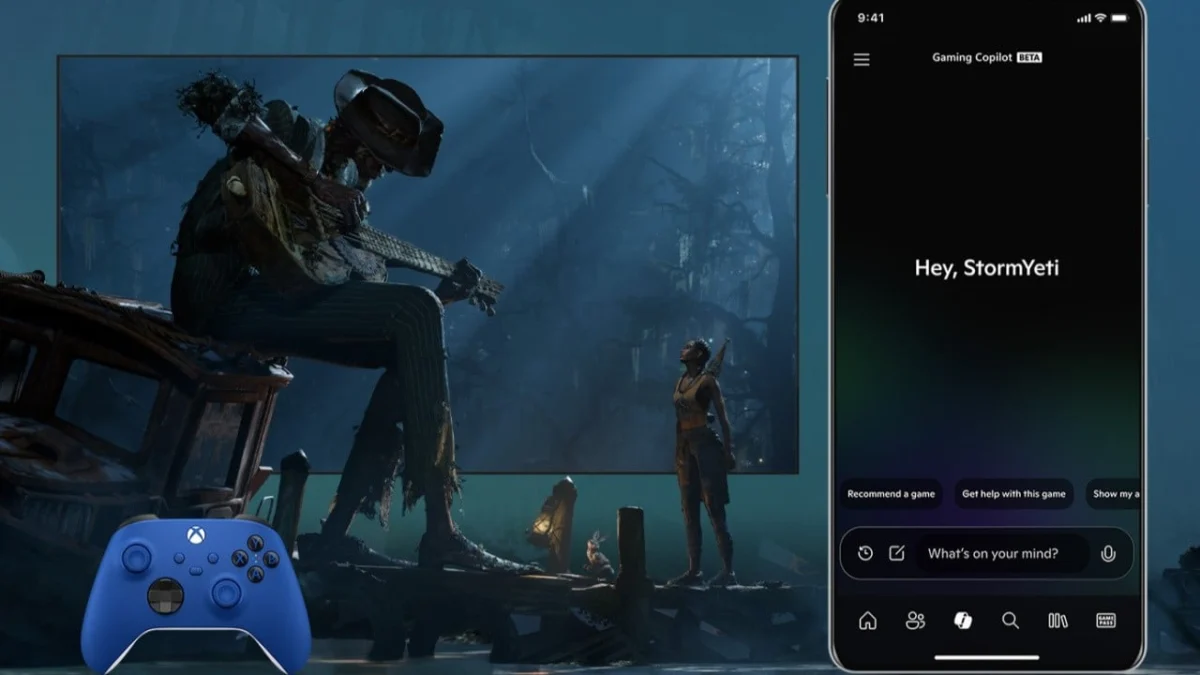
Microsoft’s ambitious artificial intelligence initiative, Xbox Gaming Copilot, is set to significantly expand its reach, with a confirmed rollout to current-generation consoles, including the Xbox Series X and Series S, slated for 2026. This announcement, made during the prestigious Game Developers Conference (GDC) earlier this month, marks a pivotal moment in the integration of AI-powered assistance directly into the console gaming experience, a development that has generated both excitement and considerable debate within the gaming community.
The Evolution of Xbox Gaming Copilot: A Year in Review
The concept of an AI-powered assistant for the Xbox ecosystem is not entirely new. Approximately a year ago, then-Xbox boss Phil Spencer expressed considerable enthusiasm for the nascent Microsoft Gaming Copilot, envisioning it as a comprehensive AI-driven service designed to enhance various facets of the Xbox experience. At its core, the service aims to provide real-time support, guidance, and personalized recommendations to players, addressing a wide spectrum of needs from in-game challenges to store navigation.
Since its initial conceptualization, Gaming Copilot has undergone a rapid evolution, reflecting Microsoft’s broader strategic commitment to embedding AI across its product lines. Over the past twelve months, the service has progressively expanded its availability beyond initial testing phases. It is currently accessible on mobile devices, personal computers, and has recently been integrated into handheld gaming devices such as the ROG Xbox Ally. This multi-platform rollout underscores Microsoft’s intent to create a seamless, ubiquitous AI assistant that transcends specific hardware, offering consistent support wherever players choose to engage with the Xbox ecosystem. The upcoming console integration in 2026 represents the culmination of this strategic expansion, bringing the AI directly to the primary gaming platform for millions of users.
GDC 2024 Unveiling: A Glimpse into Console Integration
The Game Developers Conference (GDC), an annual gathering of professional video game developers, serves as a crucial platform for announcing technological advancements and industry trends. It was at this esteemed event that Microsoft offered the most concrete demonstration yet of how Gaming Copilot will function on its flagship consoles. While the full presentation from GDC 2024 has not yet been publicly released, leaked footage and reports from attendees, notably from Kotaku, have provided valuable insights into the service’s capabilities.
The demonstration highlighted Gaming Copilot’s potential for real-time, context-aware assistance, showcasing its utility in three distinct and popular titles: Forza Horizon 5, Sea of Thieves, and Diablo IV. In Forza Horizon 5, a sprawling open-world racing game, the AI could potentially guide players through complex race tracks, offer optimal car tuning advice, or suggest alternative routes for difficult challenges. For Sea of Thieves, a shared-world adventure game, Copilot might assist with deciphering treasure maps, navigating treacherous waters, or providing tactical advice during ship-to-ship combat. In Diablo IV, a dark fantasy action role-playing game, the AI could offer guidance on character builds, dungeon strategies, boss mechanics, or even delve into lore explanations, helping players overcome obstacles and deepen their understanding of the game world. These examples illustrate the ambition behind Gaming Copilot: to provide intelligent, dynamic support that adapts to the specific needs of a player within a given game context, potentially reducing frustration and enhancing overall enjoyment.
Addressing the Creator Economy: A New Model for AI Content
One of the most significant and forward-thinking aspects of Microsoft’s GDC presentation revolved around the ethical and economic implications of AI-generated or AI-utilized content, particularly concerning the vast ecosystem of gaming content creators. As reported by Kotaku, a substantial portion of the presentation was dedicated to discussions surrounding the critical role content creators play in the gaming landscape and the imperative to adequately compensate them for their contributions.
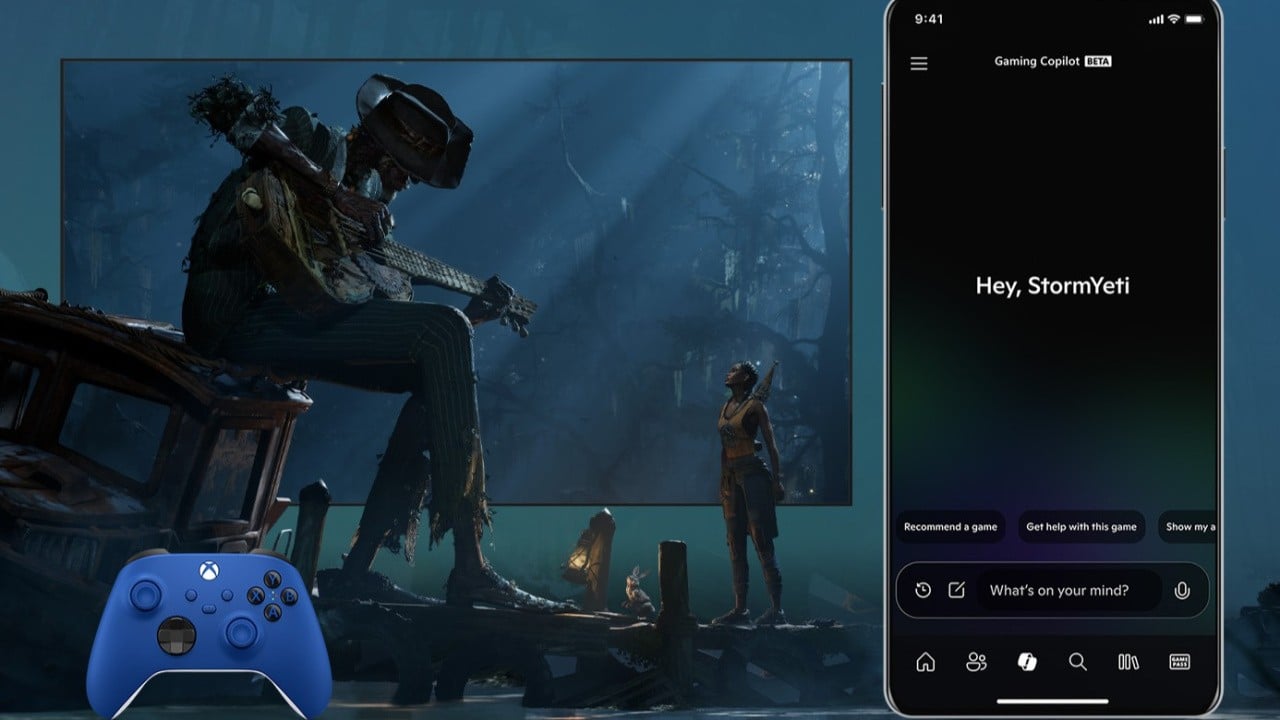
During the GDC talk, a Microsoft representative, identified as Yadav, explicitly stated that Xbox is "exploring" various mechanisms to license gaming content from creators. This content, which includes guides, walkthroughs, tips, and strategic advice, often forms the backbone of community support for complex games. The intent is for Gaming Copilot to leverage this wealth of user-generated knowledge to enhance the experience of players on the platform. This proactive approach by Xbox acknowledges the inherent value of human-created content and seeks to establish a fair and sustainable model for its integration into AI services.
The move comes amidst growing concerns within the creative industries regarding AI’s use of copyrighted or human-generated material without proper attribution or compensation. By exploring licensing agreements, Microsoft aims to set a precedent for ethical AI development in gaming, potentially fostering a symbiotic relationship where AI tools not only benefit from human creativity but also actively support and reward it. This could manifest in various forms, such as direct licensing fees, revenue-sharing models, or other innovative compensation structures. Such an initiative could significantly impact the financial stability of content creators, transforming what some perceive as a threat into a new avenue for monetization and collaboration. It also underscores a broader industry recognition of the intellectual property rights associated with creative works, even those freely shared online.
Early Insights: User Engagement and Preferences
To validate the utility and refine the functionality of Gaming Copilot, Microsoft has been conducting extensive early testing, gathering valuable data on how users interact with the service. The insights gleaned from these preliminary tests offer a fascinating glimpse into player needs and preferences, informing the ongoing development of the AI assistant.
According to the data shared, in-game assistance emerged as the most popular use case for Gaming Copilot, accounting for a substantial 30% of all interactions. This figure strongly supports the core premise of the service: that players frequently encounter challenges within games where intelligent, real-time guidance can be immensely beneficial. Whether it’s overcoming a difficult boss, solving an intricate puzzle, or navigating a confusing map, players are actively seeking immediate solutions to progress and enhance their gameplay experience.
Following closely, Xbox Store recommendations constituted 25% of interactions. This indicates a significant user appetite for personalized suggestions regarding new games, downloadable content, or special offers. An AI capable of understanding a player’s gaming habits, preferences, and purchase history can offer highly relevant recommendations, potentially leading to increased engagement with the Xbox ecosystem and driving sales. This aspect of Copilot highlights its potential as both a player aid and a powerful marketing tool.
Perhaps most intriguingly, "just people talking to Copilot for the hell of it" accounted for a notable 19% of interactions. This data point suggests a human inclination towards conversational AI, even in a gaming context. It points to the potential for Gaming Copilot to evolve beyond a purely utilitarian tool into a more interactive, companion-like entity. Players might engage with it for casual conversation, to discuss game lore, to vent frustrations, or simply out of curiosity about its capabilities. This unexpected usage pattern could open avenues for more sophisticated social and emotional AI interactions within games, blurring the lines between game assistant and virtual companion. The remaining percentage of interactions likely covers a diverse range of other functionalities, from technical support to general queries about the Xbox platform.
Strategic Implications for Xbox and the Gaming Landscape
The impending arrival of Gaming Copilot on Xbox consoles carries significant strategic implications for Microsoft and the broader gaming industry. From a player perspective, the service has the potential to democratize gaming by making complex titles more accessible to a wider audience. New players or those with limited time might find the AI assistance invaluable in overcoming steep learning curves, allowing them to enjoy games they might otherwise abandon. For seasoned players, it could offer advanced tips or unlock new layers of strategic depth.
However, this accessibility also sparks debate. Critics often raise concerns about AI assistance potentially diminishing the sense of accomplishment derived from overcoming challenges independently. There’s a delicate balance to strike between providing helpful guidance and preserving the intrinsic value of player skill and exploration. Microsoft will need to carefully consider how players can control the level of assistance, ensuring it remains an optional tool rather than a mandatory crutch.

From a competitive standpoint, Gaming Copilot positions Xbox at the forefront of AI integration in console gaming. While other platforms and game developers are experimenting with AI, Microsoft’s comprehensive, system-level approach could give it a distinct advantage. It aligns with the company’s broader vision of infusing AI into all its products, from enterprise software to personal computing, creating a unified intelligent ecosystem. This could attract new users to the Xbox platform who value integrated, intelligent support.
The economic implications, particularly regarding content creators, are also substantial. By proactively addressing compensation models, Microsoft could establish a positive relationship with a vital segment of the gaming community, mitigating potential legal and ethical challenges associated with AI content generation. If successful, this model could become a blueprint for other tech companies integrating AI with user-generated content.
The Broader Microsoft AI Vision
Gaming Copilot is not an isolated initiative but an integral part of Microsoft’s overarching strategy to become a leader in artificial intelligence. The company has invested billions in AI research and development, most notably through its partnership with OpenAI, leading to the integration of advanced AI models across its product portfolio. Examples include Microsoft 365 Copilot, which assists users with productivity tasks in Word, Excel, and PowerPoint, and Copilot for Windows, an AI assistant built directly into the operating system.
This pervasive AI strategy aims to create a more intuitive, efficient, and personalized digital experience for users across all Microsoft platforms. Gaming Copilot fits perfectly within this vision, extending the "Copilot" brand and its promise of intelligent assistance into the entertainment realm. It leverages the same underlying AI technologies and philosophical approach as its enterprise and productivity counterparts, tailored specifically for the unique demands of interactive entertainment. This synergy not only streamlines development but also reinforces Microsoft’s commitment to delivering a cohesive AI experience regardless of the application.
Challenges and Future Outlook
Despite the ambitious vision and promising demonstrations, the path forward for Gaming Copilot is not without its challenges. The "controversy with Xbox fans" mentioned previously highlights potential resistance from a segment of the gaming community. Concerns about "easy modes," trivializing gameplay, or even the fear of AI-driven experiences replacing human interaction are valid and must be addressed through transparent communication and robust user control. The success of Copilot will heavily depend on its ability to be perceived as a helpful assistant rather than an intrusive or skill-eroding feature.
Technical hurdles also remain. Ensuring the AI provides accurate, contextually relevant, and timely advice across a vast and ever-growing library of games is an immense undertaking. The AI must be capable of understanding complex game mechanics, player intent, and dynamically changing game states. Furthermore, integrating it seamlessly into diverse game interfaces without disrupting the immersive experience will be crucial.
As the 2026 launch approaches, the gaming world will be keenly observing Microsoft’s implementation of Gaming Copilot. The reception from players, developers, and content creators alike will dictate its long-term success and influence the trajectory of AI integration in interactive entertainment. If executed effectively, Gaming Copilot could redefine how players interact with games, making them more accessible, engaging, and personalized. Its potential to foster a new, more equitable relationship with content creators also sets a significant precedent for the industry. The future of gaming, augmented by intelligent assistance, is rapidly taking shape, and Xbox Gaming Copilot is poised to be a major player in this evolving landscape.