


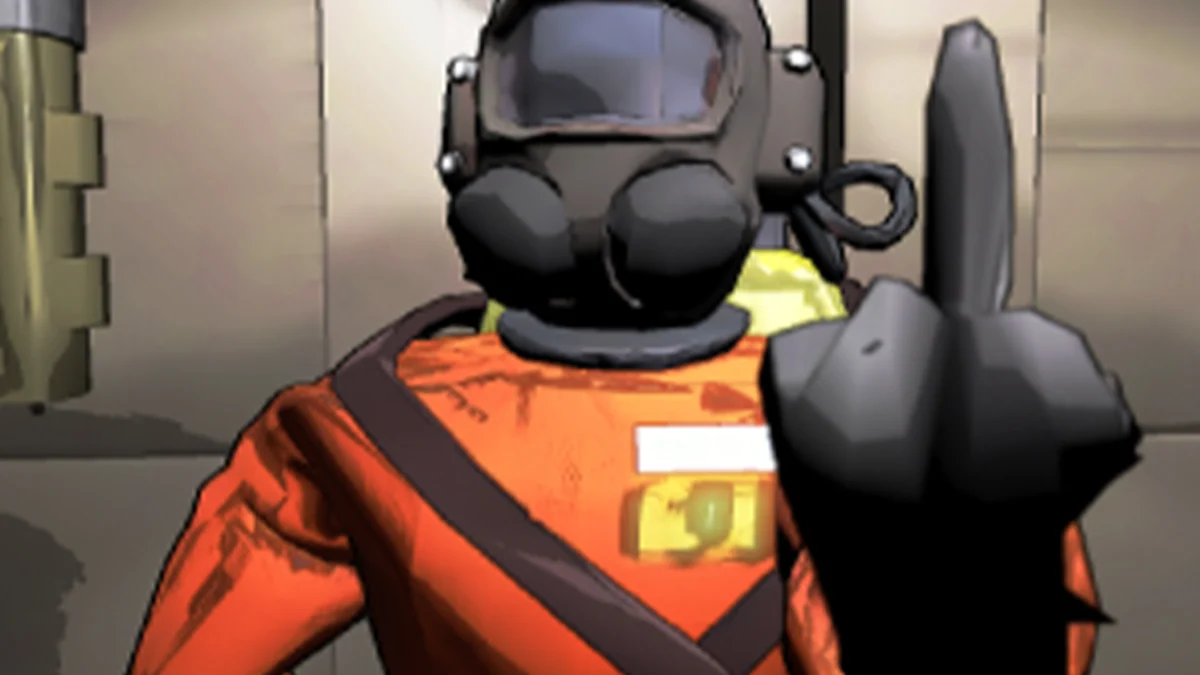
The indie horror game landscape is currently experiencing a significant shift, characterized by the proliferation of what can be described as "friendslop" titles – games that leverage a viral co-op horror formula with limited originality. While this term may sound dismissive, the recent and drastic trend within the genre can no longer be ignored, with the success of Lethal Company acting as a primary catalyst. This phenomenon raises questions about innovation, market saturation, and the long-term health of independent horror development.
The Genesis of a Subgenre: From Amnesia to Lethal Company
The fascination with indie horror games, particularly those that foster shared experiences, has evolved considerably over the past decade. The early 2010s saw a burgeoning interest, significantly amplified by the viral popularity of titles like Amnesia: The Dark Descent, popularized by streamers such as PewDiePie. This era marked a simpler time in the genre, where innovative mechanics and atmospheric tension were paramount. Following Amnesia, Five Nights at Freddy’s emerged, demonstrating the immense power of viral marketing and streamer engagement in propelling indie titles to mainstream recognition. However, in recent years, the virality of a game has become an increasingly dominant factor in its success, often overshadowing intrinsic quality.
Lethal Company, released in October 2023, quickly rose to prominence as a delightful and highly entertaining co-op title. Its blend of creepy atmosphere and emergent humor, amplified by proximity chat, made it a sensation on platforms like YouTube and Twitch. The game’s success was not merely a fleeting moment; it maintained significant attention through its updates, including the addition of the "Company Cruiser" in July 2024. Lethal Company‘s unique blend of scavenging, survival, and cooperative panic established a benchmark for emergent multiplayer horror.
The Echo Chamber Effect: R.E.P.O. and the Replication of Success
The success of Lethal Company has inevitably led to imitators, but the discourse suggests a concern over the nature of these imitations. While Lethal Company itself drew inspiration from earlier co-op experiences, its distinct mechanics and atmosphere allowed it to carve out a unique niche. However, the subsequent wave of games appears to be replicating its core appeal with less originality.
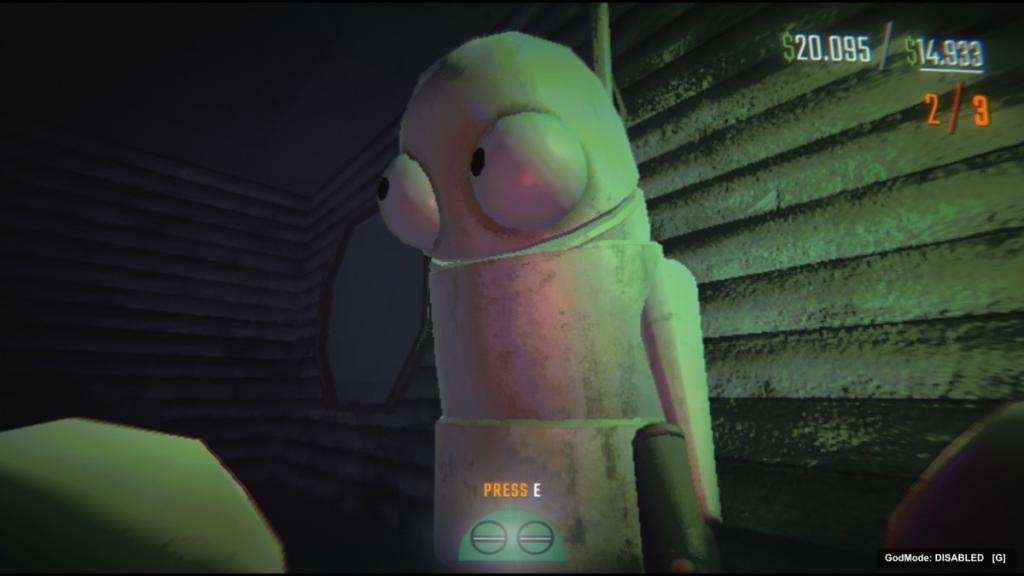
One notable title that has gained traction is R.E.P.O. While R.E.P.O. has been acknowledged for maintaining a strong identity despite its similarities to Lethal Company, its embrace of features like "semibots" and psychic-based mechanics, coupled with frequent updates, has propelled it to a leading position in the current market. This suggests a pattern where successful elements from a viral hit are identified and re-implemented, sometimes with minor variations, to capture a similar audience.
This phenomenon mirrors the impact of P.T., the playable teaser for the cancelled Silent Hills project. P.T. single-handedly created a subgenre of psychological horror, inspiring numerous games such as Layers of Fear and Visage. The issue with such pioneering titles, however, is the subsequent market saturation. Creators, eager to capitalize on a proven concept, often latch onto popular ideas with a fervor that can dilute the market and stifle true innovation.
The "Friendslop" Formula: A Critical Analysis
The term "friendslop" has emerged to describe this trend, referring to games that prioritize a shared, often chaotic, co-op experience over deep narrative or intricate gameplay. The core formula typically involves:
- Cooperative Gameplay: Designed for multiple players to interact and survive together.
- Proximity Chat: Enhances immersion and emergent humor through voice communication tied to player proximity.
- Scarcity and Danger: Players are often tasked with gathering resources or completing objectives under threat from environmental hazards or monstrous entities.
- Emergent Humor: The inherent chaos and shared panic create comedic moments, often through player mistakes or unexpected events.
- Streamer/Content Creator Appeal: The dynamic nature of co-op horror makes it highly engaging for viewers, driving viral marketing.
While SCP: Containment Breach offered player autonomy, terrifying monsters, and engaging level design with multiple endings, the current influx of co-op horrors often falls short. Titles beyond Lethal Company and R.E.P.O., such as Murky Divers, Nuclear Nightmare, Emissary Zero, Forsaken Frontiers, and PILGRIM, appear as variations on a theme. Many of these games struggle with technical issues, including significant bugginess, which ironically can become part of the appeal for some audiences.
The Blame Game: Virality Over Virtuosity
The underlying issue, as articulated by observers, is that "friendslop" exists as a setting and a single gimmick. The formula is repeatedly copied and pasted, leading to a dilution of what made the original experiences compelling. Even established franchises have attempted to adapt; Outlast‘s foray into co-op with Trials is cited as an example where the core appeal of the original – the claustrophobic reliance on the camcorder – was lost.
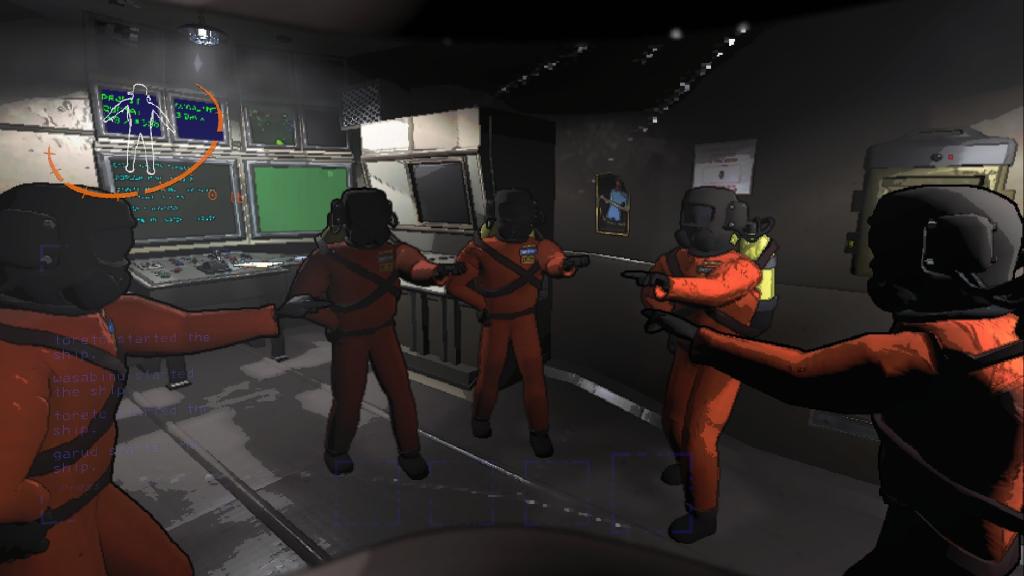
This trend suggests a shift in player expectations, possibly influenced by a broader media trend towards accepting mediocrity or finding entertainment in the imperfections of a game. The fun, in this context, is derived from the social interaction with friends or the spectacle of watching a favorite streamer navigate the chaos, often exacerbated by bugs. When the game itself fails to deliver genuine scares or substantial danger beyond technical glitches, the solo experience can become hollow.
A Look at the Numbers: The Viral Economy of Indie Horror
The economic implications of this trend are significant. The success of Lethal Company has demonstrated that a game with relatively simple graphics and a clear, engaging premise can achieve massive commercial success. Its early access release on Steam, for instance, saw it rapidly climb the sales charts. Reports indicated millions of units sold within its first few months, a testament to its viral appeal. This success story incentivizes other developers to chase similar outcomes.
However, the focus on virality can lead to a development strategy that prioritizes short-term gains over long-term quality. Many developers, it is argued, may purposefully limit their game’s scope or ambition, aiming to achieve viral status, generate substantial revenue quickly, and then move on to the next project or even disappear entirely. This approach contrasts with the sustained development and community engagement seen with titles like Phasmophobia, which, despite its own viral success, has continued to evolve and address player feedback.
The Lost Art of Genuine Horror: What’s Missing?
The critique extends to the fundamental elements of horror. While the appeal of co-op horror is undeniable, and games like Left 4 Dead once stood as unique pillars in the genre, the current landscape is flooded with derivative experiences. The argument is that while random generation can aid in replayability, fundamental aspects like level design, enemy AI, and cohesive mechanics are being neglected in favor of replicating the "fun" of a viral moment.
The expectation is not necessarily for groundbreaking originality in every title, but rather a frustration with perpetual rip-offs that gain traction due to content creator endorsements or a lack of fresh updates in more established games. The core concept of co-op horror, when done well, can indeed be a powerful tool for shared fear and camaraderie. However, when the primary driver is the potential for viral clips and the entertainment derived from shared frustration with bugs, the true essence of horror is lost.
The Future of Indie Horror: A Call for Deeper Innovation
The desire for a return to genuinely scary games where friends can provide mutual support through terrifying experiences is palpable. The current "friendslop" trend, while showcasing that impeccable graphics are not a prerequisite for success, also highlights a concerning lack of creative drive in many new projects. Developers may be drawn to the idea of replicating success without possessing the underlying creativity or long-term vision to do so authentically.
The implications of this trend are far-reaching. It risks creating a market where genuine innovation is harder to discover, and where players are continually presented with variations on a theme. While the pursuit of success is understandable, the current trajectory suggests a potential for a sustained period of derivative content, impacting the overall health and diversity of the indie horror scene. The question remains whether developers will prioritize sustainable, quality-driven design over the fleeting allure of viral fame, or if the "friendslop" phenomenon will continue to dominate the cooperative horror landscape.