


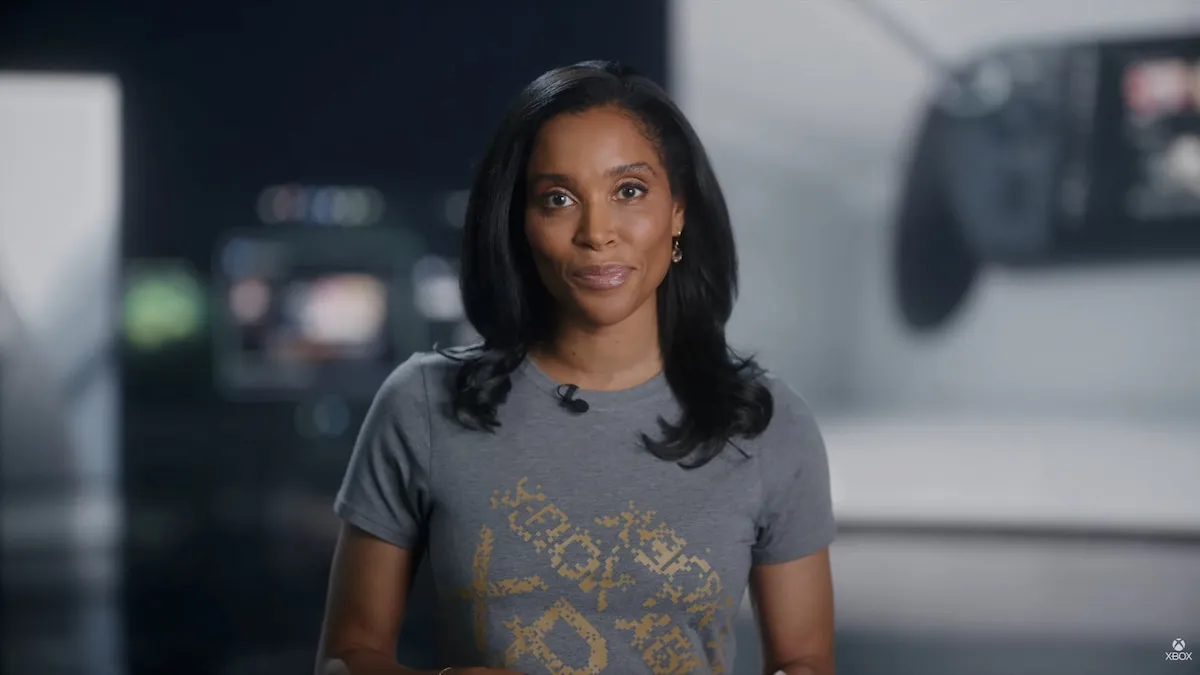
The recent departure of Sarah Bond, formerly a pivotal figure within Microsoft Gaming and widely perceived as a potential successor to CEO Phil Spencer, has sent ripples of speculation and concern throughout the industry. While Bond’s exit, alongside Spencer’s, was announced with little fanfare, a deeper examination of the circumstances, as reported by The Verge and corroborated by internal sentiment, suggests a more complex narrative of strategic missteps and internal dissatisfaction that ultimately culminated in this leadership shake-up. The appointment of Asha Sharma, a former Microsoft AI executive, to helm the Xbox division signals a significant shift in the company’s approach to its gaming ecosystem, one that carries both promise and considerable apprehension among employees and observers alike.
The Unraveling of a Succession Plan
For an extended period, Sarah Bond was seen as an integral part of Xbox’s future leadership. Her tenure as Xbox president placed her at the forefront of the console’s operations, and many within the company and the gaming sphere anticipated her eventual ascent to the top of Microsoft Gaming. This perceived trajectory has been dramatically altered by the latest developments. The report from The Verge, citing over a dozen current and former Microsoft employees, indicates that Bond’s overlooked promotion in favor of Asha Sharma was not a sudden turn of events but rather a development that "felt inevitable" in recent months. This sentiment points to a growing disconnect between Bond’s strategic vision and the prevailing internal consensus, or perhaps a shifting corporate priority that favored Sharma’s distinct expertise.
The timing of these departures is particularly noteworthy. Phil Spencer’s planned retirement, a transition that had been in the works for some time, created an opening that many assumed Bond was poised to fill. However, the announcement that both Spencer and Bond were leaving the company simultaneously, with Sharma stepping into Spencer’s role, suggests a more comprehensive restructuring than initially anticipated. This broad leadership change indicates that the decision to move away from the previous leadership structure was not solely tied to Spencer’s retirement but also to a re-evaluation of Xbox’s strategic direction, with Bond’s leadership style and operational focus now appearing to be at the center of scrutiny.
The "This is an Xbox" Campaign: A Strategic Pivot Under Fire
A significant point of contention, according to The Verge’s sources, has been Sarah Bond’s perceived leadership of the "This is an Xbox" advertising campaign. This initiative, which aimed to broaden the perception of Xbox beyond a traditional console, encouraged consumers to engage with Xbox games across a multitude of platforms, including televisions, handheld devices, smartphones, and even competing consoles. While the intention may have been to embrace a more platform-agnostic gaming future and reach a wider audience, the execution appears to have alienated a substantial portion of the Xbox employee base.
Internal feedback suggests that this campaign was viewed as counterproductive, actively discouraging potential buyers from investing in Xbox hardware. By emphasizing a future where games could be played on virtually any screen and device, the campaign inadvertently downplayed the value proposition of owning an Xbox console. This strategic pivot, described by employees as "offending many Xbox employees internally," appears to have significantly tarnished Bond’s reputation within the company and contributed to a souring perception of her leadership among her peers. The underlying philosophy of this campaign, which was reportedly "led by Bond, under Spencer’s direction," aimed to tap into the growing trend of cloud gaming and cross-platform accessibility. However, the tangible outcome, as evidenced by declining hardware sales figures in recent quarters, suggests that this ambitious vision came at the cost of alienating the core console-buying demographic.
Declining Hardware Sales and Internal Relief
The impact of this strategic redirection is starkly reflected in Xbox’s hardware sales performance. While specific figures fluctuate with each reporting period, industry analyses consistently show a challenging market for Xbox consoles in recent years, especially when compared to competitors. The shift in focus away from dedicated hardware, driven by the "This is an Xbox" ethos, appears to have directly contributed to this decline. The emphasis on playing games across various devices, while forward-thinking in theory, may have failed to adequately support and incentivize the purchase of the company’s flagship gaming machines.

The sentiment among many current and former Xbox employees interviewed by The Verge is one of relief following Bond’s departure. This widespread feeling suggests a deep-seated dissatisfaction with the direction Xbox had been taking under her leadership, particularly concerning the console’s perceived marginalization in favor of broader platform accessibility. The report states that these employees found the recent changes to be a welcome development, indicating a desire for a renewed focus on the core Xbox experience and hardware. This internal reaction underscores the significant disconnect between the leadership’s strategic vision and the ground-level sentiment within the company.
The Dawn of an AI-Driven Era for Xbox?
With Sarah Bond and Phil Spencer out of the picture, the mantle of leadership for Xbox now falls to Asha Sharma. Sharma’s background as a former Microsoft AI executive introduces a new and potentially transformative element to Xbox’s future. Her appointment has generated a unique set of concerns among the remaining employees. The primary apprehension is that Sharma, heavily influenced by Microsoft CEO Satya Nadella’s strong advocacy for artificial intelligence, may usher in an era where AI is "forced into everything Xbox does."
This prospect raises questions about the potential impact on existing products, services, and workforce. Microsoft has been at the forefront of AI development, integrating AI capabilities across its vast product portfolio, from Azure to Microsoft 365. The concern is that this aggressive AI integration might be applied to Xbox in ways that are not fully aligned with the gaming community’s needs or desires, potentially leading to further disruption. Furthermore, there is an underlying anxiety that a significant AI-driven overhaul could necessitate further workforce reductions. Xbox has already experienced multiple rounds of layoffs in recent years, and the prospect of another wave, driven by AI implementation and strategic realignments, is a source of considerable unease.
The Shadow of Scapegoating
While the internal report highlights Sarah Bond’s role in the strategic shifts that have seemingly impacted Xbox’s performance, it is important to consider the broader context. The original report acknowledges that placing blame entirely on Bond for Xbox’s recent shortcomings may be an oversimplification. Her strategies were, after all, reportedly implemented "under Spencer’s direction." This suggests a shared responsibility at the highest levels of leadership. The timing of this critical report, emerging so closely on the heels of Bond’s departure, could be interpreted as an attempt to attribute the failures of the past few years to a single individual, thereby deflecting broader accountability.
The strategy of prioritizing mobile and cloud gaming over console was an attempt to capture a larger potential market, aiming for "millions more Xbox customers." However, as noted in the report, this approach may have inadvertently led to "chasing tomorrow’s customers by neglecting today’s." This paradox underscores the delicate balance required in the rapidly evolving gaming landscape. The decision-making process that led to this strategy was likely a complex interplay of market analysis, competitive pressures, and long-term vision, making it difficult to isolate a single point of failure.
Navigating the Road Ahead
The future trajectory of Xbox remains uncertain. The brand faces the significant challenge of rebuilding its reputation and recapturing market share after what appears to have been a period of strategic missteps. The coming months will be crucial for Asha Sharma and her leadership team, including Microsoft Gaming EVP Matt Booty, as they navigate the complex landscape of the gaming industry. The focus will undoubtedly be on their ability to chart a new course, one that potentially revitalizes the Xbox brand and addresses the concerns that have been brewing within the company and among its dedicated player base. The integration of AI, the future of console hardware, and the overall player experience will all be under intense scrutiny as Xbox attempts to make a comeback in a highly competitive market. The industry will be watching closely to see if this leadership transition marks a true turning point or the beginning of a new set of challenges.